
Executive Overview
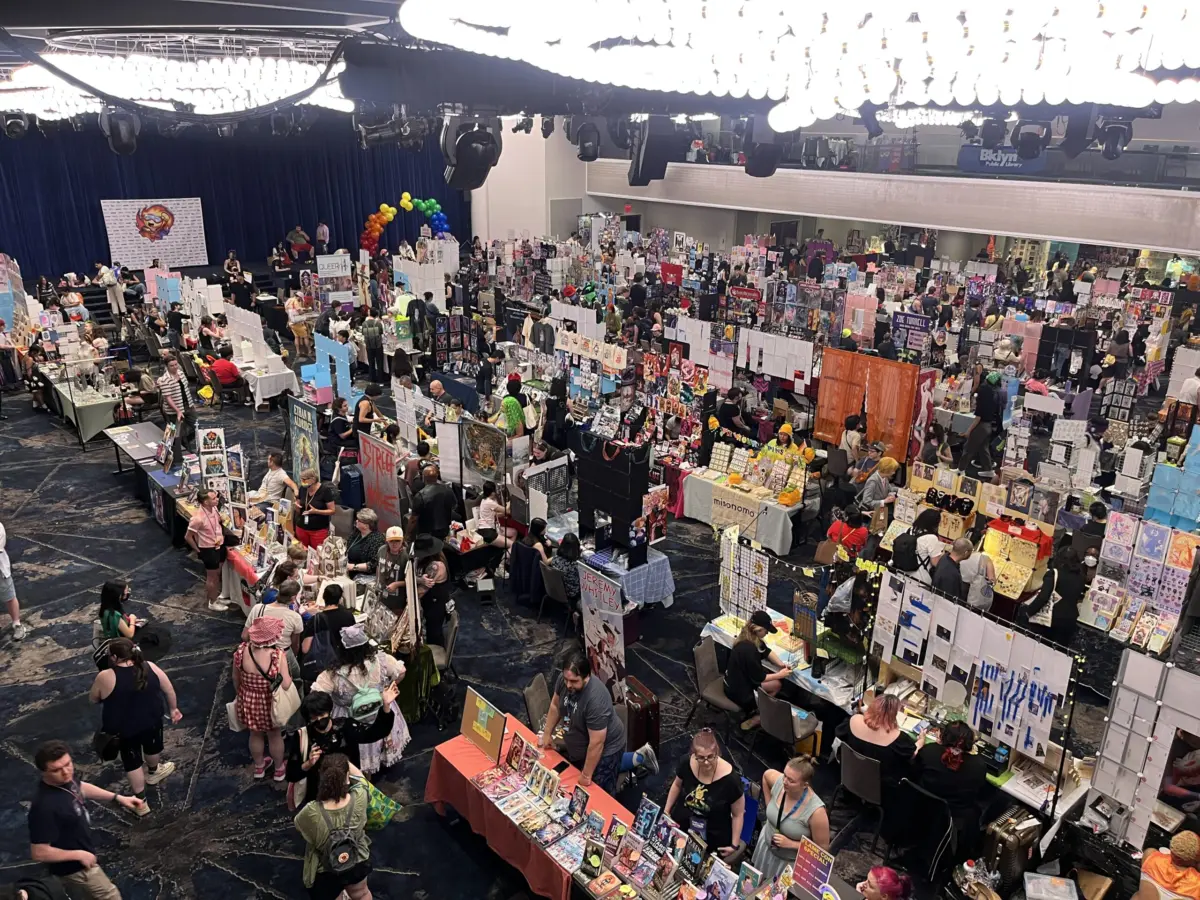
The fifth floor of the Marriott Marquis in Times Square buzzed with an unmistakable, kinetic energy on the weekend of August 15–16, 2026. As the host venue for Flame Con—the world’s largest LGBTQ+ comics convention—the space transformed into a sprawling ecosystem of panels, artist signings, gaming lounges, and a fiercely competitive cosplay contest. Yet, beneath the sequins, armor, and graphic tees lay a profound cultural pivot.
Just twenty-four hours before Flame Con’s doors swung open, Marvel Studios dropped its highly anticipated casting announcements for the upcoming X-Men cinematic reboot at Disney’s proprietary D23 convention. In past years, such a blockbuster reveal would have dominated convention hall conversations, dictating the weekend’s discourse. Instead, the reaction across Flame Con’s bustling corridors was remarkably muted.
This subdued reception was not an indicator of apathy toward the mutant superheroes; rather, it signaled a broader paradigm shift. Modern comics fandom is no longer defined by breathlessly hanging onto corporate press releases or bowing to Disney’s intellectual property pipeline. Instead, the center of gravity has shifted decisively toward independent creation, grassroots storytelling, and queer-led fandoms that build their own universes rather than waiting for mainstream studios to grant them representation.
Read Also
From indie comic launches by podcast hosts to fan-led sports romance panels, Flame Con 2026 proved that contemporary queer pop-culture fandom is defined by a DIY ethos. Fans are no longer content to merely consume; they are organizing, writing, publishing, and claiming the cultural narrative on their own terms.
Detailed Chronology & Event Breakdown
Saturday: Panels, Podcasts, and Body Horror
The convention’s opening day set a high-octane tone. The morning kicked off with a packed schedule of panels that bridged mainstream nostalgia with underground artistic subversion.
A standout session, Comics Reading Comics, featured a lineup of queer comedians delivering campy, high-energy dramatic readings of classic Marvel issues starring the Scarlet Witch. Down the hall, the hosts of the Mutant Studies 101 podcast hosted a deep-dive retrospective on a remarkably obscure, fan-favorite X-Men storyline from 2003, showcasing the exhaustive institutional knowledge that characterizes modern fandom.
However, the afternoon belonged to the intersection of podcasting and original comics creation. Connor Goldsmith, host of the critically acclaimed queer X-Men podcast Cerebro, took the stage alongside guest artist Josh Cornillon to discuss their upcoming Dark Horse comic, Did You Hear About Mimi Green. Billed as a body horror media satire, the project took many attendees by surprise.
Panel moderator Anthony Oliveira captured the room’s astonishment during the session:
"When the people in this room heard, ‘Oh, those two guys from the X-Men podcast I love so much are doing a comic book,’ I don’t think anyone in a million years would think this is what that comic would look like."
Goldsmith and Cornillon leaned into this subversion, emphasizing that their goal was to craft something visually and narratively distinct from anything else currently populating comic shop shelves.
Sunday: Romance, Representation, and the Sports Phenom
If Saturday was dedicated to subverting expectations in speculative fiction, Sunday firmly belonged to the explosive rise of queer romance—particularly the hockey romance phenomenon.
Rachel Reid’s bestselling gay hockey romance Heated Rivalry and its recent television adaptation dominated the convention’s programming, despite every single related event being entirely fan-led rather than corporate-sponsored.
On Saturday afternoon, cosplayer Heather Boddy led a rigorous, tongue-in-cheek core workout designed to help fans "get strong like Shane Hollander and Ilya Rozanov," the beloved fictional hockey players at the center of Reid’s universe. This was followed early Sunday afternoon by a massive crossover meetup that united fans of Heated Rivalry with devotees of Casey McQuiston’s royal political romance, Red, White & Royal Blue.
The crown jewel of the romance programming, however, was Ezra Crimmen’s Saturday presentation analyzing Heated Rivalry‘s unprecedented cultural footprint. Crimmen dissected the mainstream sports world’s reaction to the franchise, characterizing the NHL’s institutional response as "delayed, if not nonexistent."
Crimmen highlighted a rare exception: the Ottawa Senators. Capitalizing on their shared Canadian identity with the books and TV show, the Senators earlier this year released official merchandise featuring the characters’ names and numbers, directing all proceeds to a local LGBTQ+ recreational hockey league. Other sports organizations are finally catching up; Crimmen pointed to the upcoming “Heated Rivalry Night” collaboration between the Boston Red Sox and publisher Harlequin as proof that queer romance is steadily infiltrating traditional sports spaces.
Supporting Context & Metrics: The State of Queer Media
The cultural dominance of queer romance at Flame Con 2026 reflects broader publishing trends, though not without internal community debates.
At the Queer Modern Romance panel—moderated by Ace Notes author Michele Kirichanskaya and featuring acclaimed writers Page Powars (But I Hate Him), Adeline Kon (Just Between Us), Casey McQuiston, and Ally North (Bloom Town)—the conversation turned toward market expectations and the complexities of genre categorization.
Adeline Kon spoke candidly about the promotional hurdles they faced regarding their graphic novel Just Between Us, which follows two rival figure skaters. Developed during the 2018 Winter Olympics and published earlier this year, the book was frequently compared by its author to Heated Rivalry. However, Kon faced pushback from online commentators who insisted a YA title featuring athletes should instead utilize a sapphic comparison title.
"People were mad because it’s YA, but my book is about two characters who are rivals at the top of their sports, and that’s the plot of ‘Heated Rivalry,’" Kon explained. "I wanted my voice and people with my background to be represented [in that kind of story], too."
The panel also tackled a persistent disparity in the publishing market: the overwhelming popularity of gay male romance novels compared to sapphic and other queer identity narratives. Casey McQuiston, who authored the sapphic hit One Last Stop alongside Red, White & Royal Blue, expressed frustration over the market’s current structural imbalances:
"That bums me out, because isn’t the whole point of books empathy and curiosity, and learning about experiences, living vicariously, and escaping your own point of view?"
Despite these hurdles, the sheer volume of panels dedicated to original indie publishing, mentorship, and agent navigation at Flame Con underscored a resilient community refusing to wait for traditional gatekeepers to validate their stories.
Official Statements & Industry Insights
Flame Con’s commitment to fostering grassroots talent was visible in its robust professional development infrastructure. A dedicated mentorship room offered aspiring creators the chance to undergo rigorous portfolio reviews and attend publishing masterclasses.
Tea Fougner, Executive Editor at BOOM! Studios, led Q&A sessions focused on navigating the complexities of comics publishing. Meanwhile, writer Klaudia Amenabar moderated an essential seminar featuring literary agents Claire Draper (Au Literary Management), Shannon Lechon (Azantian Literary), and Maria Regina Napolitano (KT Literary). The panel provided independent authors and comic creators with actionable blueprints for pitching their work and establishing sustainable careers without sacrificing creative control.
Beyond publishing, interactive entertainment drew massive crowds. A prime example was the live recording of Drawfee, the beloved YouTube show featuring hosts Nathan Yaffe, Jacob Andrews, and Julia Lepetit. More than 100 convention attendees submitted pop-culture icons—ranging from Scooby-Doo to Gandalf—via a live Google Form, challenging the hosts to illustrate them under increasingly absurd, time-limited constraints. The packed room served as a testament to the power of community-driven comedy and participatory art.
Future Outlook
As the convention drew to a close, the prevailing sentiment was one of empowerment and transformation. Flame Con 2026 demonstrated that queer fandom has evolved past the days of passively consuming whatever scraps major studios choose to distribute.
When Connor Goldsmith stepped up to close out the Cerebro panel, his closing remarks crystallized the ethos of the entire weekend:
"It means a lot that people who listened to us talk about other people’s stuff showed up for our own stuff."
In an era where major media conglomerates continue to navigate volatile box offices and risk-averse franchise revivals, events like Flame Con offer a blueprint for the future of entertainment. By cutting out the middleman and fostering direct, unmediated connections between creators and audiences, the queer comics community is no longer just looking for a seat at the mainstream table. They are building an entirely new venue of their own—and the rest of the cultural landscape is finally forced to take notice.



Comments
Facebook App ID not configured. Please add it in the Customizer.