
Executive Overview
As the freshman season of HBO’s critically acclaimed prestige sci-fi drama Lanterns continues its broadcast run on HBO Max, audiences find themselves at a fascinating narrative crossroads. Despite the explosive, high-stakes trajectory of recent episodes—which bore all the cinematic hallmarks of a traditional season finale—showrunners and writers have made it abundantly clear that the series is still firmly entrenched within its inaugural season.
While the shocking resolution of the 2016 Manhunter mystery provided a temporary sense of narrative closure, it also laid bare the sprawling, multifaceted web of conspiracies that define the series’ overarching mythology.
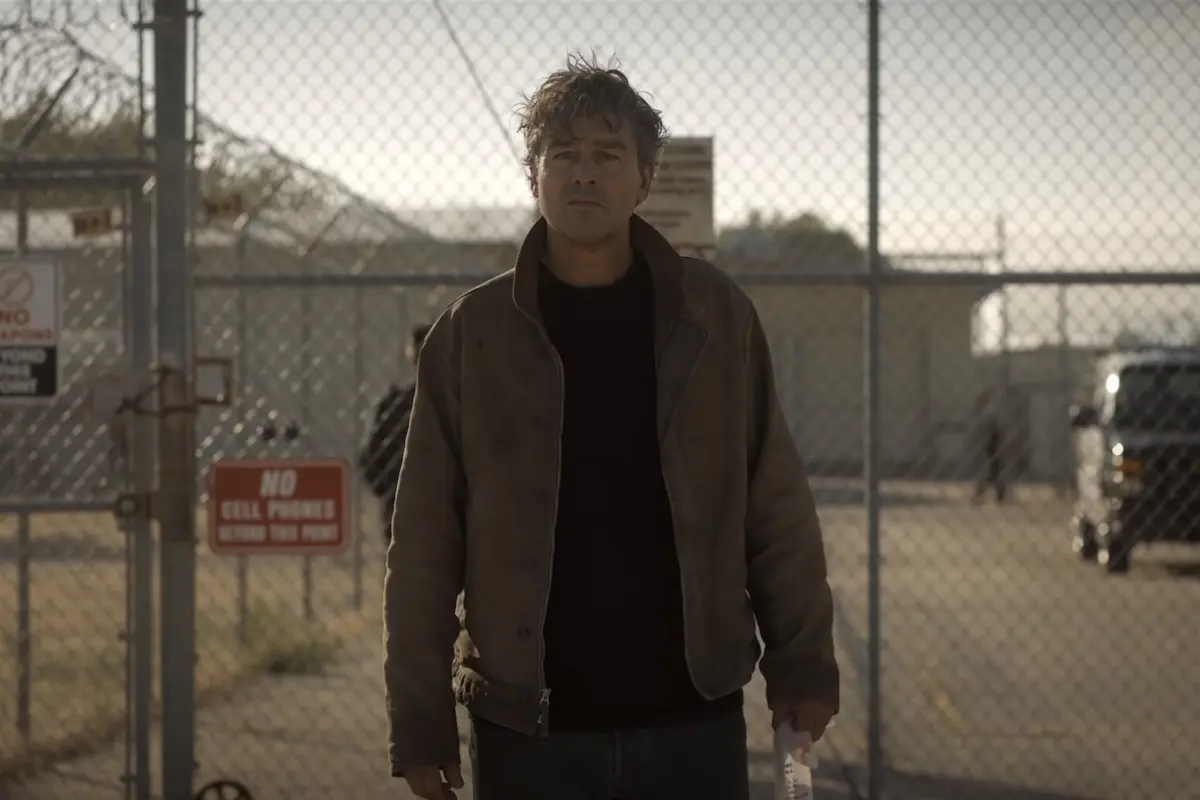
At the center of this cosmic puzzle is the gripping present-day investigation spearheaded by John Stewart (portrayed with stoic intensity by Aaron Pierre). Stewart is locked in a relentless pursuit to uncover the architect behind the assassination attempt on Hal Jordan (Kyle Chandler), whose survival remains a central, precarious mystery of the modern timeline.
Read Also
However, a newly released midseason trailer from HBO signals an aggressive pivot in the show’s storytelling scope. The promotional footage delves deeper into the psychological underpinnings of once-and-future Green Lantern icons, shedding light on Guy Gardner’s (Nathan Fillion) defensive insecurity regarding his gritty pre-superhero existence, and the chilling, calculating ambiguity of Sinestro (Ulrich Thomsen).
Coupled with promised glimpses of Hal Jordan’s formative youth and the localized devastation facing Sheriff Kerry (Kelly Macdonald), Lanterns is proving to be a masterclass in non-linear storytelling. This report provides a comprehensive, deep-dive investigative analysis into the ongoing season, dissecting its dual-timeline mechanics, character dynamics, structural metrics, and what the horizon holds for HBO’s definitive comic book adaptation.
Detailed Chronology: Untangling the Timelines of Lanterns
The structural backbone of Lanterns relies heavily on its bifurcated timeline, gracefully bouncing between the formative embers of the past and the fractured, high-stress reality of the present. This narrative duality has become the primary engine driving fan theories and investigative breakdowns across the internet.
The 2016 Timeline: Closing the Manhunter Chapter
For much of the early half of Season 1, the overarching ghost haunting the narrative was the identity of the Manhunter operating in the shadows back in 2016. Last week’s watershed episode seemingly brought this specific arc to a definitive head. Viewers received concrete answers regarding the identity and operational parameters of the rogue entity, bringing a measure of closure to a decade-old wound within the universe’s internal chronology.
Yet, as narrative analysts have quickly pointed out, the 2016 arc was merely the appetizer. Resolving the Manhunter mystery has effectively stripped away the narrative padding, exposing the far more dangerous and intimate threats lurking in the present day. It serves as a stark reminder that while history can be unearthed, its residual radiation continues to poison the current generation of protectors.
The Present-Day Timeline: The Bullet in Hal Jordan’s Brain
If 2016 was about uncovering the roots of a systemic conspiracy, the present day is an unyielding psychological thriller driven by a singular, terrifying question: Who put a bullet in Hal Jordan’s head?
Kyle Chandler’s seasoned, weary portrayal of Hal Jordan has subverted traditional superhero tropes. Instead of an infallible cosmic guardian, Jordan is depicted as a man physically and mentally battered by the weight of his legacy, desperately attempting to "bullshit" his way out of existential threats. The mystery of his assassination attempt acts as the gravitational pull for Aaron Pierre’s John Stewart.
Stewart’s investigation is not merely an act of duty; it is a desperate search for truth in a universe where the most trusted allies wear masks of deception. The present-day timeline thrives on paranoia. Every interaction—whether with fellow corps members or local law enforcement—is dripping with subtext, forcing the audience to question who among the interstellar police force can truly be trusted.
The Temporal Blur and Visual Cues
One of the most engaging challenges for viewers tracking Lanterns is deciphering which scenes belong to which temporal plane. The editing suites at HBO have crafted a seamless, sometimes disorienting tapestry where past and present bleed into one another.
Fortunately, the production design and character styling offer subtle breadcrumbs. Most notably, John Stewart’s distinct goatee serves as an immediate visual anchor for the present-day narrative sequences. Furthermore, upcoming episodes promise deep-dive flashbacks into "lil’ Hal Jordan," providing much-needed psychological context to the man who would eventually wield the most powerful weapon in the universe. These formative years are expected to illuminate the deep-seated flaws, ego, and resilience that define Chandler’s modern-day interpretation of the character.
Supporting Context & Narrative Metrics
To fully appreciate the weight of Lanterns Season 1, one must examine the broader ecosystem of the show’s production, character integration, and the thematic architecture built by the creative team.
Character Breakdown & Psychological Profiles
- John Stewart (Aaron Pierre): Serving as the moral anchor and investigative spearhead of the series, Pierre brings a grounded, military-precision gravitas to the role. Stewart’s arc is defined by his refusal to let institutional corruption sweep Jordan’s attempted murder under the rug. He represents the audience’s surrogate—navigating a labyrinth of cosmic politics with unwavering resolve.
- Hal Jordan (Kyle Chandler): Chandler redefines the veteran hero archetype. Battered, bruised, and perpetually playing intellectual chess with his own mortality, Jordan’s reliance on wit and bluffing highlights a man living on borrowed time. His dynamic with Stewart forms the emotional core of the series.
- Guy Gardner (Nathan Fillion): Fillion’s Gardner is a masterclass in performative machismo hiding deep-seated insecurity. The newly released trailer highlights Gardner’s defensive posture regarding his life before putting on the ring. This touches on a vital thematic element of the series: the jarring transition from mundane blue-collar or civilian struggles to god-like cosmic responsibility.
- Sinestro (Ulrich Thomsen): Thomsen plays Sinestro with a chillingly polite, razor-sharp ambiguity. True to comic lore, his words carry weight, particularly his philosophical discourse on fear. While he may not be forthcoming with direct assistance, his commentary on the psychological nature of terror underscores the philosophical battleground upon which the Green Lantern Corps operates.
- Sheriff Kerry (Kelly Macdonald): Operating firmly in the human theater of the series, Macdonald’s Sheriff Kerry is left picking up the literal and figurative pieces following the catastrophic destruction witnessed in last week’s episode. Her partnership with John Stewart bridges the gap between cosmic horror and small-town grit, grounding the interstellar stakes in genuine human tragedy.
Narrative Metrics & Pacing Breakdown
| Narrative Arc | Primary Timeline | Key Figures | Current Status |
|---|---|---|---|
| The Manhunter Conspiracy | 2016 | John Stewart, Unknown Entities | Resolved (Key answers delivered in last week’s episode) |
| The Jordan Assassination | Present Day | John Stewart, Hal Jordan | Active / Ongoing (Primary driving force of Season 1) |
| Cosmic Politics & Fear | Fluid / Interstellar | Sinestro, Guy Gardner | Escalating (Focus of the midseason trailer) |
| Small-Town Fallout | Present Day | Sheriff Kerry, John Stewart | Critical (Coping with recent localized devastation) |
Official Insights & Promotional Revelations
The release of HBO’s midseason trailer has fundamentally shifted fan expectations for the remainder of Season 1. Industry insiders and promotional breakdowns note that HBO is deliberately leaning away from procedural monster-of-the-week tropes, instead doubling down on serialized character studies.
Showrunners have emphasized that Lanterns is designed to feel like a "true-crime cosmic drama." By framing an interstellar police force through the lens of terrestrial investigative thrillers, the creative team has carved out a unique niche within modern comic book television.
The increased screen time dedicated to Sinestro and Guy Gardner in the latest promotional material suggests that the conspiracy facing Jordan and Stewart extends far beyond a lone gunman. It points toward institutional rot within the Corps itself—a thematic callback to some of the most celebrated runs in Green Lantern comic book history.
Furthermore, the integration of Sheriff Kerry’s shattered municipality ensures that the collateral damage of cosmic warfare is never far from the narrative forefront. Viewers are repeatedly forced to ask: What happens to ordinary towns when gods clash in their backyard?
Future Outlook: What Lies Ahead on HBO Max
As Lanterns charges past its narrative midpoint, the trajectory for the remainder of the season points toward an explosive convergence of past sins and present-day reckonings.
Anticipated Narrative Beats
- The Unmasking of the Assassin: The identity of the sniper who shot Hal Jordan is the ultimate ticking clock. As Stewart pulls back the layers of deception, expect jaw-dropping revelations regarding who within the cosmic hierarchy desired Jordan silenced.
- Sinestro’s True Agenda: With Ulrich Thomsen’s Sinestro taking a more prominent role in the promotional material, audiences are bracing for the inevitable ideological clash between his philosophy of control and the Corps’ traditional mandate. Whether he serves as a reluctant ally or a shadow antagonist remains one of the season’s most tantalizing question marks.
- The Evolution of Guy Gardner: As Gardner’s defensive layers are peeled back, viewers will likely see a more vulnerable, fiercely loyal side of the iconic ring-wielder, solidifying his place in the broader DC television landscape.
- The Reclamation of Small-Town America: Sheriff Kerry’s arc will test whether humanity can pick up the pieces after being battered by forces beyond their comprehension, setting up a poignant commentary on powerlessness in the face of cosmic might.
Conclusion
Lanterns continues to defy expectations, proving that superhero television can be intelligent, patient, and visually arresting. By anchoring its high-concept sci-fi lore in deeply flawed, thoroughly realized human (and alien) characters, HBO has delivered a genre entry that appeals equally to hardcore comic aficionados and prestige drama enthusiasts.
As the mystery of Hal Jordan’s assassination deepens and the shadows of the past continue to bleed into the present, viewers are advised to tune in every Sunday on HBO Max—because in the universe of Lanterns, the light is always hiding a darker truth.

Comments
Facebook App ID not configured. Please add it in the Customizer.