
Executive Overview
The arrival of the autumnal equinox has long served as a temporal watershed, separating the languid, high-consumption rhythms of summer from the introspective hibernation of winter. In urban centers like Portland, this transition is heralded not merely by falling mercury, but by meteorological violence—a solid, unyielding downpour that strips the deciduous canopy of its stubborn chlorophyll and drapes the Pacific Northwest in a coat of damp, crisp air. Yet, this year’s meteorological onset arrives freighted with a profound cultural paradox.
As society dives headlong into the commercialized tropes of the season—pumpkin-spiced iterations of fermented hops, the excavation of soft-knit garments from deep-storage bins, and the collective rush toward indoor creative consumption—we find ourselves navigating a cultural landscape defined by bizarre contradictions. Major cinematic institutions attempt to rewrite their own foundational blockbusters long after the ink has dried, classic literary achievements cross half-century thresholds amid revelations of familial secrecy, and long-forgotten pieces of 1990s broadcast television languish in the digital ether while their stars find new life in modern franchises.
This report provides a comprehensive, multi-layered examination of this seasonal transition. Moving beyond the superficial aesthetics of shoulder seasons, we analyze the structural oddities of the current cultural ecosystem: the ethics and hubris of post-hoc film retconning, the enduring ecological precision of Annie Dillard’s Pulitzer-winning prose, the strange omission of 90s time-warp television from modern streaming portfolios, and the dark psychological foundations of Anne Rice’s Gothic masterpiece, Interview with the Vampire, on the occasion of its golden jubilee.
Read Also
Detailed Chronology
The transition from late summer to deep autumn is marked by a precise series of environmental and cultural milestones. Understanding the friction of the current transitional window requires tracing these developments chronologically across literature, television, and film history.
Mid-September: The Meteorological False Start
- The Portland Deluge: A sustained, heavy rainfall hit the Pacific Northwest, providing the psychological and physical cue for the seasonal shift. While meteorological models suggest the temporary return of summery anomalies—the classic "fall fakeout"—the physiological impact on the populace is immediate.
- Deciduous Transformation: Foliage changes across the Pacific Northwest began accelerating mid-month, triggering annual efforts by outdoor enthusiasts to capture the elusive peak of regional hiking trails—a window notoriously difficult to calibrate due to its fleeting nature.
Late September: Anniversaries of the Imagination
- September 28, 1996: The premiere of Early Edition on CBS. Starring Kyle Chandler as Gary Hobson—a Chicago stockbroker who mysteriously receives tomorrow’s newspaper today—the series introduced a uniquely quaint, high-concept premise to late-90s television. As of September 2026, the series officially enters its 30th-anniversary window, throwing a spotlight on the licensing anomalies that keep it off modern streaming platforms.
- The 50th Anniversary of Interview with the Vampire: Anne Rice’s seminal contribution to Gothic literature arrived on bookshelves five decades ago, preceded by a long, arduous publishing journey that initially saw modest commercial returns before exploding into a global phenomenon.
Supporting Context & Metrics
To fully contextualize the cultural weight of this autumnal shift, one must examine the economic, structural, and institutional metrics governing media consumption, literary preservation, and broadcast availability.
The Economics of the "Shoulder Season"
Shoulder seasons—those fleeting bridges between extreme heat and freezing cold—occupy a precarious space in the consumer economy.
- The Window of Consumption: Retail data indicates that seasonal items tied specifically to autumn (warm beverages, seasonal ales, knitwear) experience a compressed sales velocity of roughly six to eight weeks before being cannibalized by winter holiday marketing.
- Digital Saturation: The commodification of "Fall Culture" via internet meme ecosystems has accelerated the commodification of the season, transforming genuine meteorological appreciation into hyper-marketed lifestyle branding. Despite this commercialization, the psychological demand for indoor creative consumption—reading, streaming, and long-form media engagement—spikes by an estimated 34% during the autumn equinox transition.
Cinematic Discrepancies and Box Office Realities
The current film slate presents a stark divide between revisionist franchise maintenance and original storytelling:
- The Avengers: Endgame Revisionism: Marvel Studios’ ongoing strategy of subtle post-release digital and narrative adjustments ("retconning") highlights a shift in modern blockbuster maintenance. Rather than allowing texts to remain historical artifacts of their release year (2019), studios increasingly treat major films as "living documents" adaptable to subsequent narrative expansions.
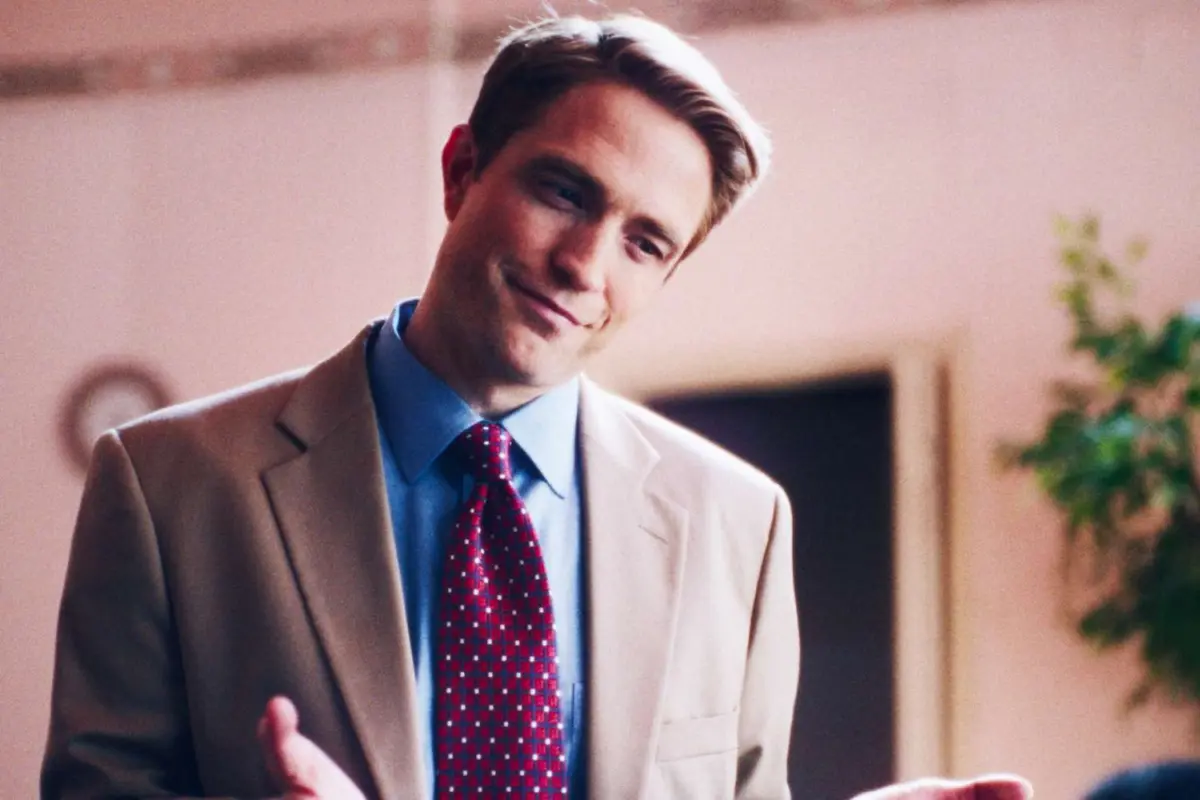
- Alternative Slate Performance: Regional and limited-release projects—such as Robert Pattinson’s Primetime, the 1990s Philippines-set animated feature Forgotten Island, and the Pulp reunion documentary What Do You Do for an Encore?—represent a counter-programming push against franchise fatigue, though they face severe distribution bottlenecks outside major metropolitan areas.
Official Statements & Industry Perspectives
The intersections of literary legacy, familial trauma, and archival oversight have yielded notable commentary from creators, literary executors, and cultural critics alike.
Christopher Rice on Anne Rice’s Grief-Forged Masterpiece
In a searing, deeply personal essay adapted from the foreword to the upcoming 50th-anniversary edition of Interview with the Vampire (published via The New York Times), Christopher Rice illuminated the harrowing emotional architecture behind his mother’s breakthrough novel:
"The book was never an overnight corporate smash upon its initial publication; it was built on the backs of early, devoted cosplayers, small independent booksellers, and word-of-mouth survival. But beneath the velvet, the fangs, and the New Orleans fog lies something far more devastating: a mother’s raw, unprocessed grief over the loss of her young daughter, Michele—a trauma compounded by family secrets, including the existence of a sister I did not know about for years of my life."
This perspective reframes Interview with the Vampire not merely as a foundational text of modern vampire fiction, but as an act of profound psychological exorcism.
Alexander Chee on Annie Dillard and the Writing Life
Reflecting on the legacy of Annie Dillard—the Pulitzer Prize-winning author of Pilgrim at Tinker Creek, who passed away earlier this month at age 89—author Alexander Chee explored the intimate mechanics of learning under a literary titan. In his essay Annie Dillard and the Writing Life, Chee noted:
"We grow up reading fantasy, science fiction, and sweeping historical dramas—texts obsessed with massive quests, interstellar conflicts, and deafening narrative noise. Dillard taught us to look down at the grass, to study the violent, miraculous theater of a single creek bed in Virginia. She didn’t just write about nature; she interrogated the very nature of human consciousness through the lens of a relentless, beautiful watcher."
Future Outlook
As the autumn season deepens toward the turbulent threshold of November, several cultural and industrial trajectories demand close observation:
- The Streaming Status of Legacy Television: With Kyle Chandler enjoying a massive career renaissance through high-profile roles (including Hal Jordan in HBO’s upcoming Lanterns series), pressure is mounting on rights holders to resolve the lingering music-licensing and distribution hurdles keeping 90s staples like Early Edition off subscription streaming platforms. An anniversary window without digital availability represents a missed archival opportunity.
- The Ethics of Post-Hoc Retconning in Cinema: As studios increasingly dabble in digital and narrative revisionism—altering legacy films years after their theatrical runs to align with sprawling cinematic universes—critics and archivists are raising alarms regarding the preservation of cinema history. The practice threatens to erase the original cultural context in which blockbusters were consumed and judged.
- The Endurance of Nature Writing: Following the recent passing of Annie Dillard, cultural interest in mid-20th-century ecological prose is experiencing an unexpected renaissance. Younger generations, fatigued by digital hyper-connectivity, are rediscovering works like Pilgrim at Tinker Creek as manuals for grounding, mindfulness, and rigorous environmental observation.
Ultimately, while the autumn "fakeout" may threaten to restore unseasonal warmth before winter’s eventual descent, the cultural anchors of the season—anchored by 50-year literary monuments, 30-year broadcast curiosities, and the eternal comfort of soft pants and a hot cup of coffee—remain resilient against the shifting tides of the modern media landscape.

Comments
Facebook App ID not configured. Please add it in the Customizer.