The landscape of children’s literature and educational programming continues to evolve, increasingly centering historically marginalized voices, pivotal moments of social justice, and interactive community-building tools. At the forefront of this literary movement is author Mia Wenjen, whose recent works—most notably Postcards from Malcolm X: How Yuri Kochiyama Became a Civil Rights Activist and Barbed Wire Between Us—bridge historical awareness with contemporary pedagogical strategies.
This comprehensive report examines the intersection of historical education, community empowerment, and classroom engagement. By exploring the legacy of civil rights activist Yuri Kochiyama, the interactive geography games tied to World War II Japanese American internment sites, and creative community-building initiatives like the "I Appreciate You" pump-up letters, educators and parents are equipped with robust, multi-disciplinary frameworks. Furthermore, this piece highlights Wenjen’s broader portfolio of culturally rich publications, examining their role in fostering empathy, critical thinking, and social consciousness in young readers.
Detailed Chronology: The Life and Legacy of Yuri Kochiyama
To fully appreciate the narrative impact of Postcards from Malcolm X, one must examine the profound historical timeline that shaped Yuri Kochiyama’s lifelong dedication to civil rights, international solidarity, and social justice.
Born Yuriko Nakahara in 1921 in San Pedro, California, Kochiyama lived a relatively quiet, middle-class life until the outbreak of World War II. Following the Imperial Japanese Navy’s attack on Pearl Harbor in December 1941, the United States government enacted Executive Order 9066. This directive authorized the forced removal and mass incarceration of over 120,000 individuals of Japanese descent—the majority of whom were American citizens—living on the West Coast.
Kochiyama and her family were among those forcibly uprooted, initially detained at the Santa Anita Assembly Center in California before being transferred to the Jerome War Relocation Center in Arkansas. This formative experience with state-sanctioned racism and confinement planted the seeds of her lifelong radicalization and deep empathy for oppressed populations globally.
Relocation to Harlem and the Civil Rights Movement
Following the war, Kochiyama and her husband, Bill Kochiyama—a veteran of the famed all-Japanese American 442nd Regimental Combat Team—eventually settled in Harlem, New York City, in 1960. Living in a predominantly Black and Puerto Rican community fundamentally expanded Kochiyama’s worldview. She became deeply immersed in the Civil Rights Movement, establishing alliances with prominent leaders and grassroots organizers who were fighting segregation, systemic poverty, and police brutality.
The Historic Meeting with Malcolm X
In 1963, Kochiyama met Malcolm X at a courtroom during a civil rights demonstration. Despite their vastly different backgrounds—one a Japanese American woman shaped by wartime concentration camps, the other a charismatic African American minister and nationalist leader—they forged an immediate and enduring intellectual bond. Kochiyama became a dedicated member of Malcolm X’s Organization of Afro-American Unity (OAAU).
Her commitment was so steadfast that she famously rushed to his side after he was assassinated at the Audubon Ballroom in New York City on February 21, 1965—an iconic, heartbreaking moment captured in historical archives. Throughout their association, Kochiyama provided critical emotional, intellectual, and moral support, frequently sending encouraging correspondence and "pump-up" letters to bolster his morale during periods of intense political pressure.
Supporting Context & Metrics: Interactive Learning and Classroom Integration
Modern educational theory emphasizes experiential learning, combining historical literature with geography, arts, and social-emotional learning (SEL). Educators utilizing Mia Wenjen’s works have successfully implemented several structured frameworks to deepen student engagement.
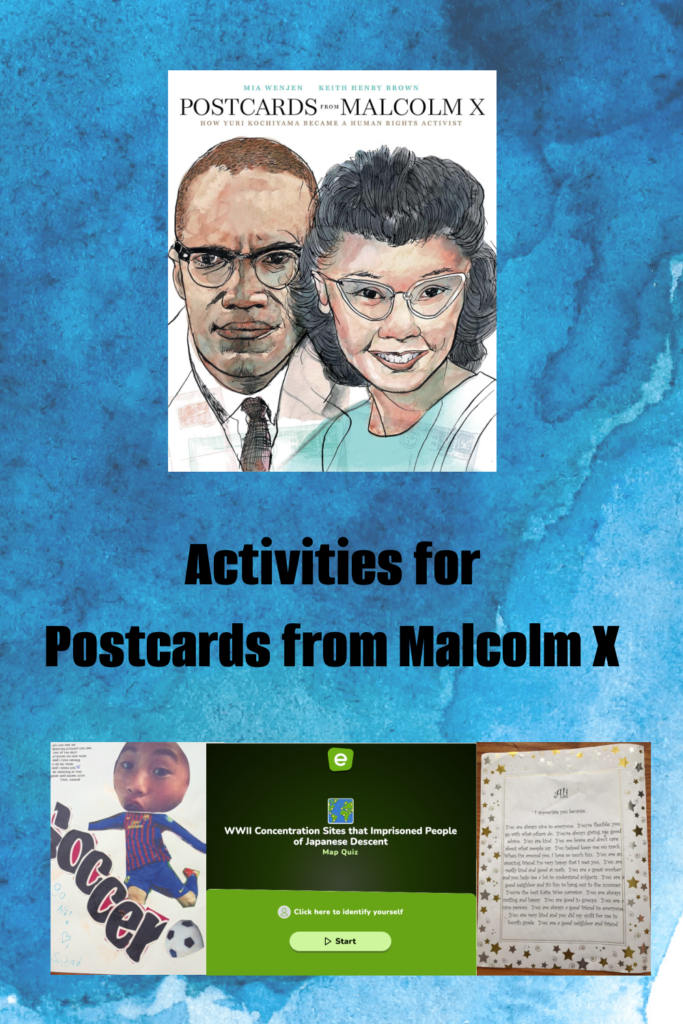
WWII Internment Sites Geography Game
A critical component of teaching mid-20th-century American history is acknowledging the geography of state-sponsored incarceration. Educational platforms have introduced interactive geography games centered around World War II "relocation centers." These initiatives map out the ten primary concentration camps—including Manzanar, Tule Lake, Poston, Gila River, Amache, Minidoka, Heart Mountain, Topaz, Rohwer, and Jerome—pairing each site with corresponding children’s literature.
By tracking these geographical markers, students build spatial awareness while confronting difficult historical truths. Studies in historical pedagogy indicate that place-based learning significantly improves empathy retention and historical contextualization among elementary and middle school students.
The "I Appreciate You" Initiative: Building Classroom and Team Cohesion
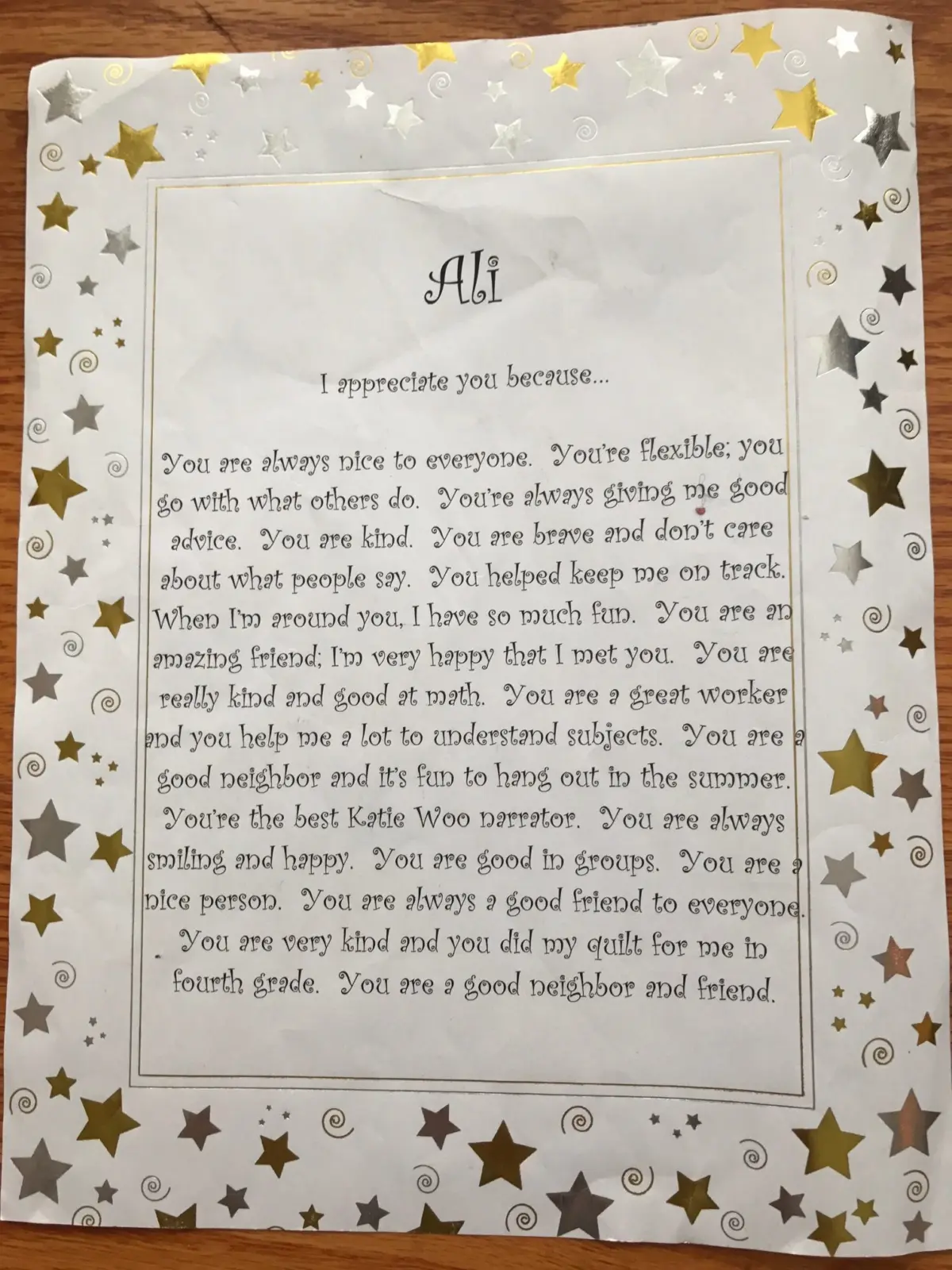
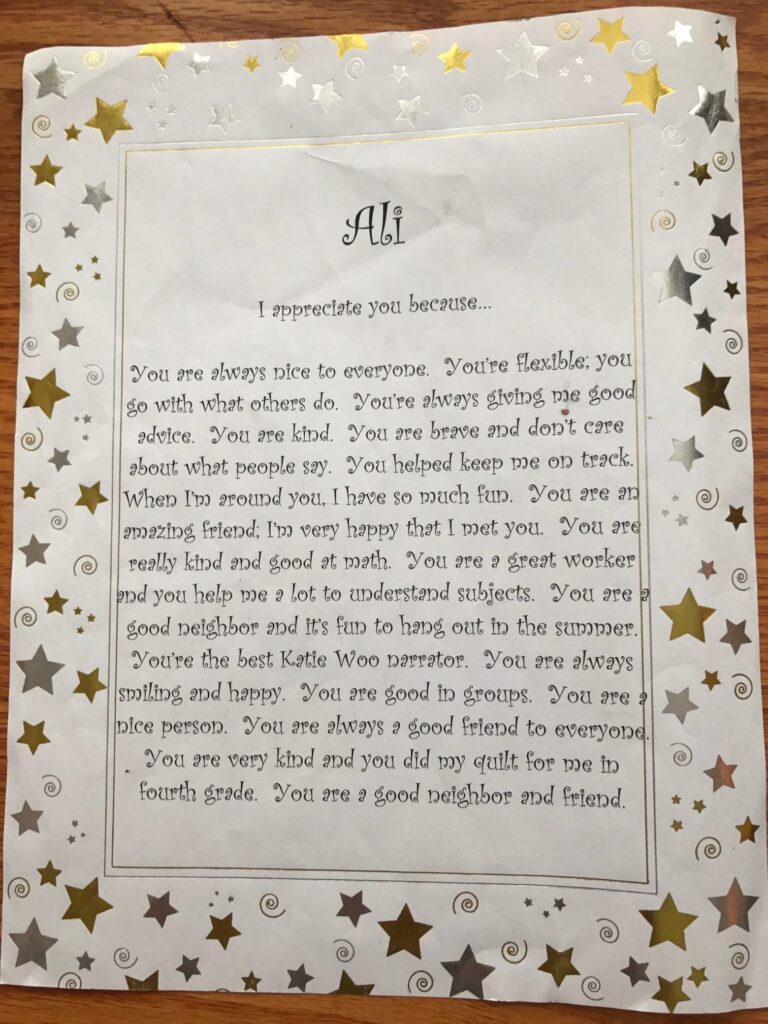
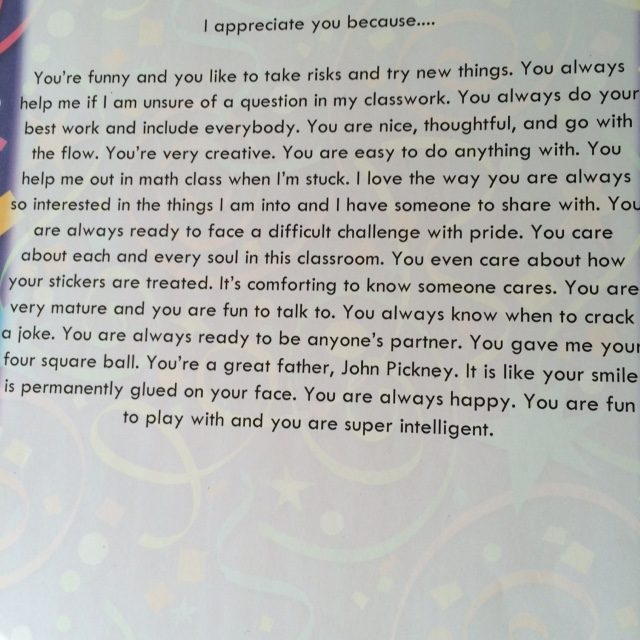
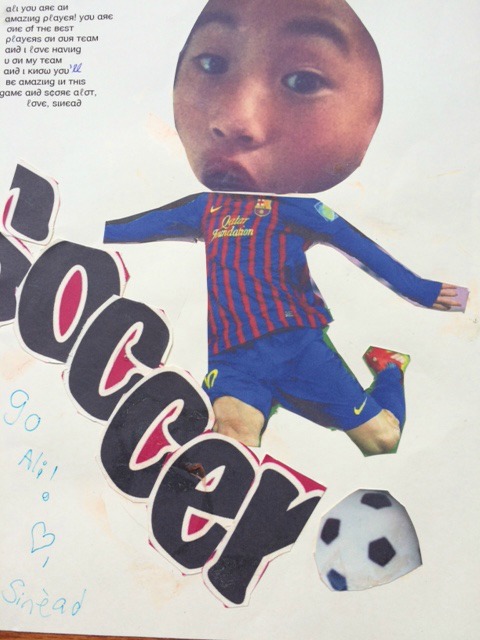
Beyond historical texts, fostering positive peer dynamics remains a primary challenge for educators and athletic coaches. The "I Appreciate You" letter-writing framework offers a tangible solution to social isolation and disengagement.
Methodology: Every student or team player writes a single sentence of appreciation or encouragement for each of their peers.
Compilation: Teachers or coaches gather these contributions, organizing them into personalized end-of-the-year booklets, laminated cards, or motivational posters.
Impact: Psychological evaluations of positive reinforcement techniques indicate that structured peer appreciation builds psychological safety, reduces bullying, and enhances team performance in academic and athletic environments alike.
Official Statements and Reader Perspectives
The cultural resonance of historical non-fiction picture books is best measured through the voices of those who lived the history and those who teach it.
Elana, a Harlem resident and longtime acquaintance of Yuri Kochiyama, shared profound reflections on Kochiyama’s character during a recent reader review:
"Knowing Yuri when she lived in Harlem was an education in radical love and relentless persistence. She didn’t just study history; she lived it alongside her neighbors, always fighting for justice, always lifting others up. Books like ‘Postcards from Malcolm X’ capture that fierce, tender spirit so younger generations can understand what true solidarity looks like."
Author Mia Wenjen has consistently emphasized the necessity of diverse historical narratives in contemporary education:
"When we tell stories like Yuri Kochiyama’s or explore the nuances of cultural histories through food and art, we expand the boundaries of who belongs in the American narrative. Children need to see that courage takes many forms, and that history is shaped by everyday people who chose to care deeply about one another."
Future Outlook: A Comprehensive Look at Wenjen’s Literary Portfolio
Mia Wenjen’s expansive catalog of children’s literature continues to shape curricula nationwide, spanning civil rights, cultural history, environmental sustainability, and STEM education. Below is an overview of key titles and their pedagogical applications:
Book Title
Subject / Theme
Educational Utility
Postcards from Malcolm X
Civil Rights / Activism
Introduces upper-elementary students to intersectional activism, friendship, and social justice movements.
Barbed Wire Between Us
WWII Incarceration / Resilience
Explores the Japanese American wartime incarceration experience through accessible, emotionally resonant prose.
Fortune Cookies for Everyone!
Cultural History / Smithsonian Partnership
Examines the surprising, multicultural origins of a beloved culinary staple, blending history with food science.
The Traveling Taco
Culinary History / Global Roots
Traces the diverse global roots and migrations of popular comfort foods, encouraging cultural appreciation.
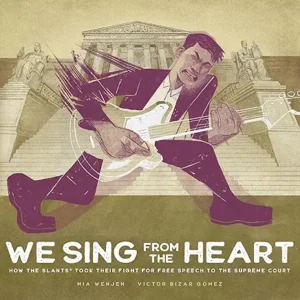
We Sing from the Heart
Free Speech / Supreme Court
Details the legal battle of the Asian American rock band The Slants for trademark registration and First Amendment rights.
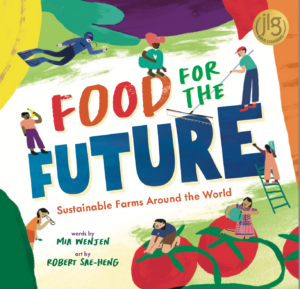
Food for the Future
Environmental Science / Sustainable Farming
Showcases innovative, sustainable farming techniques implemented by communities worldwide.
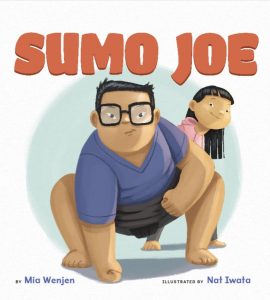
Sumo Joe
Social-Emotional Learning / Martial Arts
Teaches young readers about inclusivity, strength, and gentle martial arts philosophy.
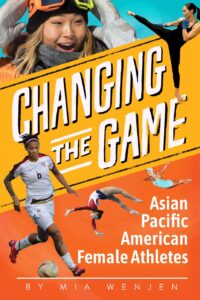
Changing the Game
Sports Biography / Trailblazers
Profiles groundbreaking Asian Pacific American female athletes breaking barriers in professional sports.
Conclusion and Next Steps for Educators
As educational standards increasingly demand diverse, rigorous, and interactive curricula, resources like Wenjen’s picture books, accompanying teacher guides, music videos, and book trailers provide an invaluable toolkit. Whether through mapping World War II internment sites, fostering team cohesion with "pump-up" appreciation letters, or analyzing the activist legacy of Yuri Kochiyama, classrooms are well-equipped to inspire the next generation of empathetic, critically-minded global citizens.




Comments
Facebook App ID not configured. Please add it in the Customizer.