
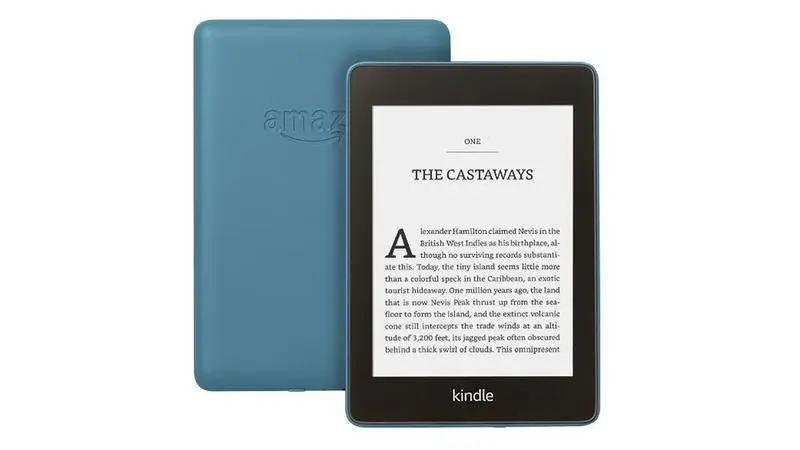
Executive Overview
The lifecycle of some of Amazon’s most enduring and widely adopted reading devices is officially drawing to a close. According to internal scheduling updates and product roadmaps, official software support for the 10th-generation Amazon Kindle (Basic) and the 10th-generation Amazon Kindle Paperwhite will officially end on December 31, 2026.
Once this milestone passes, these beloved e-readers will transition into "end-of-life" (EOL) status. Consequently, they will no longer receive over-the-air firmware updates, backend security patches, or new feature implementations from Amazon’s software engineering teams.
Released in the late 2010s—an era that preceded the widespread adoption of USB-C charging ports and adjustable warm-light displays in mainstream e-readers—these devices represented a major inflection point in digital reading. They democratized features like built-in front lights and waterproof designs for millions of readers globally.
Read Also
While reaching end-of-life status does not mean the devices will instantly brick or cease to function, it does mark a definitive countdown for hardware that has served as a reliable companion for nearly a decade. As the e-reader market pivots toward higher-resolution displays, color electronic paper (such as Kaleido technology), and standardized USB-C connectivity, the impending retirement of the 10th-generation lineup underscores the rapid pace of technological evolution in consumer electronics.
Detailed Chronology: The Life and Times of 10th-Generation Kindles
To truly understand the significance of this support termination, it is vital to contextualize the historical release timeline of these two foundational devices and trace their journey through the shifting landscape of digital publishing.
The 10th-Generation Kindle Paperwhite (Released November 7, 2018)
Unveiled in late 2018, the 10th-generation Kindle Paperwhite arrived with a mandate to bridge the gap between premium reading features and mid-tier pricing. Prior iterations of the Paperwhite featured a recessed screen bezel that frequently accumulated dust and debris. The 10th-generation model introduced a sleek, flush-front, 6-inch display boasting a crisp 300 pixels per inch (PPI).
More importantly, this iteration brought IPX8 water resistance to the mid-tier market. This critical hardware upgrade allowed users to read by the pool, in the bathtub, or at the beach without fear of liquid damage. It also featured Bluetooth connectivity for Audible integration, marking Amazon’s strategic push to unify reading and listening ecosystems. However, it retained the legacy Micro-USB port and lacked adjustable warm lighting—features that would become standard in subsequent generations.
The 10th-Generation Kindle Basic (Released April 9, 2019)
Just a few months later, in the spring of 2019, Amazon launched the 10th-generation base Kindle. Historically, the entry-level Kindle required external reading lights in dark environments because it lacked a built-in front light. The 2019 model shattered this limitation by introducing a four-LED front-lit display to the entry-level tier.
Weighing a mere 174 grams, the device prioritized portability and distraction-free reading. It retained a recessed 167 PPI screen, 4GB to 8GB of internal storage, and a Micro-USB charging port. Despite its modest specifications, it quickly became the go-to recommendation for budget-conscious consumers entering the digital reading ecosystem for the first time.
The Roadmap to End-of-Life (2019–2026)
Over a span of more than seven years, these devices received dozens of firmware updates that refined user interfaces, introduced better typography controls, optimized battery consumption, and integrated smoother library-borrowing workflows.
However, as newer hardware standards emerged—such as faster MediaTek processors, USB-C fast-charging, and dynamic warm-light color temperatures—the processing overhead required to maintain modern software builds on older single-core or dual-core chipsets became unsustainable. December 31, 2026, marks the final stop on this multi-year support highway.
Supporting Context & Metrics: Hardware Breakdown and Real-World Usability
When analyzing the ongoing viability of retiring hardware, it is essential to evaluate technical specifications against the demands of the modern media landscape. How do these devices stack up today, and what can users expect post-2026?
Hardware Specification Matrix
| Feature | 10th-Gen Kindle (Basic – 2019) | 10th-Gen Kindle Paperwhite (2018) | Modern Standard (2026) |
|---|---|---|---|
| Display Size | 6 inches | 6 inches | 6 inches to 7 inches |
| Resolution | 167 PPI (Recessed) | 300 PPI (Flush) | 300 PPI (Flush, High Contrast) |
| Front Light | 4 LEDs | 5 LEDs | Adjustable Warm & White LEDs |
| Water Resistance | None | IPX8 (Up to 2 meters for 60 mins) | IPX8 Standard |
| Storage Capacity | 4 GB / 8 GB | 8 GB / 32 GB | 16 GB to 32 GB |
| Charging Port | Micro-USB | Micro-USB | USB-C |
| Weight | 174 grams | 182 grams | Varies (approx. 150–200g) |
| Audio | Bluetooth (Audible) | Bluetooth (Audible) | Bluetooth & Audible Integration |
The Display Dilemma: 167 PPI vs. 300 PPI
The 10th-generation basic Kindle’s 167 PPI screen was acceptable for its time, but by modern standards, text rendering appears noticeably softer, particularly when using smaller font sizes or viewing complex typography. By contrast, the 10th-generation Paperwhite’s 300 PPI flush screen has aged remarkably well. Text remains sharp, crisp, and paper-like.
However, neither device features a warm-light adjustment layer. Modern readers heavily rely on warm amber LEDs to reduce blue-light exposure during evening and nighttime reading sessions. The harsh, blue-tinted white light of these older front lights now feels antiquated compared to contemporary alternatives.
The Micro-USB Bottleneck
Perhaps the most significant friction point for modern users is the reliance on Micro-USB charging ports. In an era where smartphones, tablets, laptops, and even newer e-readers have standardized around universal USB-C connectivity, carrying a dedicated Micro-USB cable specifically for an aging Kindle has become an inconvenience. Furthermore, battery degradation over seven to eight years of use means that multi-week battery life may begin to taper off, requiring more frequent recharges.
Official Statements & Ecosystem Policy: What Happens to Your Library?
A primary concern among device owners approaching an end-of-life milestone is whether their hardware will stop working entirely or lose access to purchased content. Historical precedent and Amazon’s policy frameworks provide clarity on this matter.
The Storefront and Purchasing Lifespan
Amazon maintains a tiered approach to legacy device support. Historically, the company continues to allow e-book purchasing, library borrowing (via integrations like OverDrive and Libby), and cloud syncing for several years after a device enters EOL status.
For instance, Amazon maintained Kindle Store support for devices released in 2012 or earlier until May 20, 2026—over a decade after their initial release. Applying this operational timeline to the 10th-generation hardware suggests that users will likely retain the ability to purchase and download e-books directly from their devices for at least a couple of years past the December 2026 cutoff date.
However, as backend security protocols, encryption certificates, and API structures evolve, older firmware versions eventually encounter connectivity roadblocks. Eventually, direct storefront access on the device itself may deprecate, requiring users to purchase books via a smartphone or web browser and transfer them via Wi-Fi or USB cable.
Security Updates and Modern Guarantees
The end-of-life designation on December 31, 2026, primarily signals the cessation of routine software feature updates and security maintenance. For comparison, modern Kindles released in 2026 come with guaranteed security update end dates ranging anywhere from December 31, 2026, to December 31, 2030, depending on the tier. When the 10th-generation devices lose this security umbrella, they become theoretically more vulnerable to exploits, though the closed nature of the Kindle operating system mitigates many external threats.
Future Outlook: Transitioning Away from Legacy Hardware
As December 31, 2026, approaches, owners of the 10th-generation Kindle and Kindle Paperwhite face a strategic decision: hold onto the hardware until functionality degrades, or upgrade to modern alternatives.
Is It Time to Upgrade?
For owners of the 10th-generation Paperwhite, the urgency to upgrade is relatively low. A sharp 300 PPI screen, robust water resistance, and dependable battery life mean the device remains fully capable of delivering a distraction-free reading experience for standard novels and documents. Unless the lack of a USB-C port or warm-lighting adjustment becomes a dealbreaker, the device can comfortably remain in service for the foreseeable future.
Conversely, owners of the entry-level 10th-generation Kindle may find the transition more compelling. Modern basic Kindles now feature 300 PPI displays, USB-C ports, increased base storage capacities, and extended battery efficiencies that dramatically outperform the 2019 baseline model.
The Secondhand and Sustainability Market
As these devices are phased out of active software support, many will inevitably flow into the secondhand market. Because they remain structurally sound and capable of reading standard e-books, they represent excellent, low-cost entry points for students, thrift shoppers, or travelers who want a disposable reading device that they won’t mind losing or damaging.
Ultimately, while the impending end-of-life milestone closes a chapter on two of Amazon’s most popular reading companions, it also paves the way for the broader adoption of next-generation e-reader technologies that promise sharper text, superior eye comfort, and enhanced environmental durability.





Comments
Facebook App ID not configured. Please add it in the Customizer.