
Executive Overview
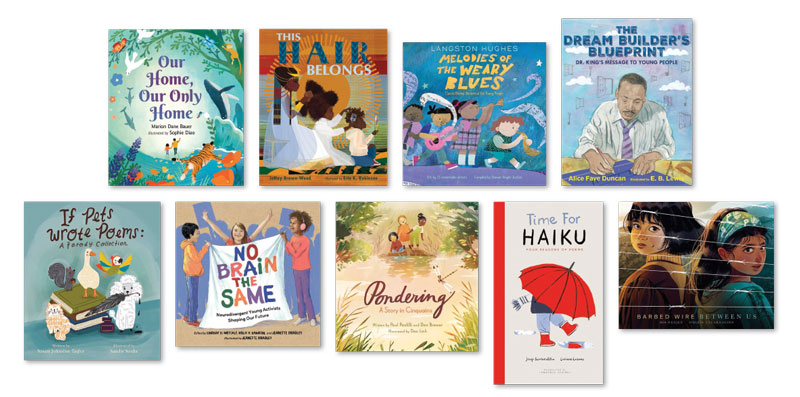
In the dynamic and ever-evolving landscape of children’s and young adult literature, poetry occupies a uniquely vital space. It serves as an emotional bridge, a reflective mirror, and a catalyst for empathy. Recently, the literary community received a major boost when School Library Journal (SLJ) published its highly anticipated list of 9 Outstanding Poetry Collections for Young Readers and Teens (SLJ 2026 Stars So Far).
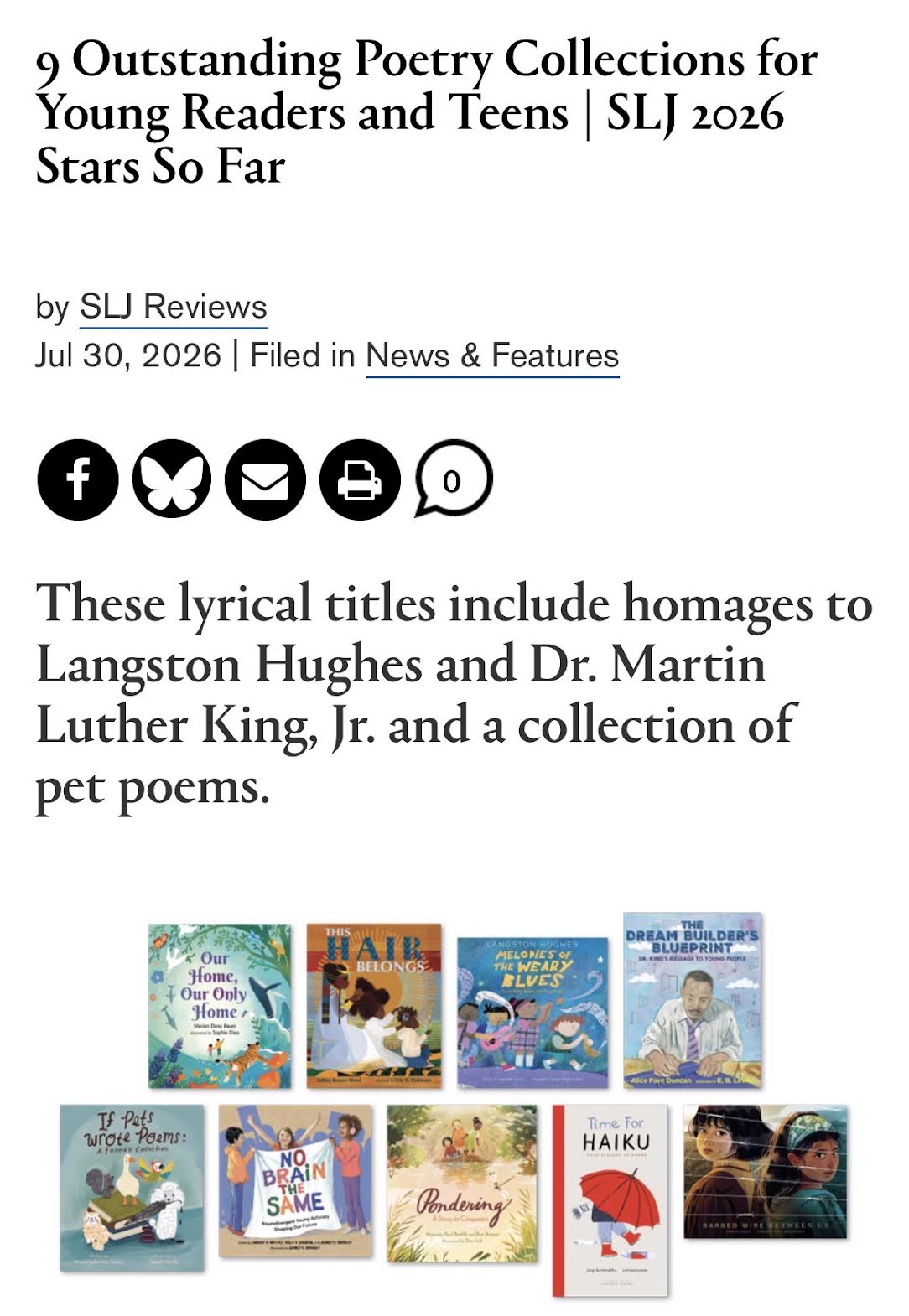
At the forefront of this prestigious recognition is Mia Wenjen’s deeply resonant collection, Barbed Wire Between Us, beautifully illustrated by Violeta Encarnación and published by Red Comet Press. This inclusion marks a significant milestone for Wenjen’s work, which has steadily captured critical acclaim, including a coveted starred review from School Library Journal and prominent displays at the Japanese American National Museum.

This comprehensive report examines the SLJ 2026 poetry lineup, taking an investigative look at Barbed Wire Between Us, exploring its thematic resonance, structural innovation (such as its mastery of reverso poetry), and the broader ecosystem of exceptional verse that defined the literary landscape in the first half of 2026.
Read Also
Detailed Chronology: The Journey of Barbed Wire Between Us
To understand the weight of its current recognition by School Library Journal, it is necessary to trace the trajectory of Barbed Wire Between Us from manuscript conceptualization to its current status as an award-winning staple for young readers and teens.
- Late 2024 – Early 2025 (Development & Cover Reveal): Anticipation built within the kid-lit community as Red Comet Press announced the acquisition of Mia Wenjen’s latest poetic endeavor. The initial cover reveals showcased Violeta Encarnación’s striking artistic direction, setting a tone of historical gravity blended with lyrical beauty.
- April 2026 (Critical Acclamation): Barbed Wire Between Us received an official Starred Review from School Library Journal, signaling to educators, librarians, and reviewers that the collection achieved rare artistic and educational excellence. Simultaneously, promotional efforts highlighted its unique structure as a collection utilizing reverso poetry—a poetic form where lines read forward convey one perspective, while reading backward reveals an entirely opposing or deeper truth.
- May 2026 (Multimedia Expansion & Community Engagement): The book’s ecosystem expanded rapidly. Daria Music released an original song inspired by the book. Concurrently, educational resources rolled out, including a comprehensive Teacher’s Guide for Barbed Wire Between Us, downloadable origami crane folding activities (tying deeply into the themes of peace, resilience, and Japanese American history), and curated reading lists highlighting children’s books featuring origami cranes.
- June 2026 (Industry Interviews & Academic Reach): Media outlets took notice of Wenjen’s prolific output. Publishers Weekly featured an in-depth joint interview discussing both Barbed Wire Between Us and Unbroken. Furthermore, the book anchored discussions at prominent literary events, including the 4th Annual Greater Roxbury Book Fair.
- July 2026 (Museum Exhibition & SLJ Honor): The book’s cultural footprint expanded further with features at the Japanese American National Museum. The momentum culminated in late July 2026 when School Library Journal formally named Barbed Wire Between Us to its prestigious 9 Outstanding Poetry Collections for Young Readers and Teens (2026 Stars So Far) list.
Supporting Context & Metrics: The 2026 SLJ Poetry Landscape
The School Library Journal "Stars So Far" selection does not exist in a vacuum. It is part of a curated collection of lyrical titles that span ecological awareness, identity, social justice, neurodiversity, and historical tribute. Analyzing the companion titles selected alongside Barbed Wire Between Us provides critical insight into what contemporary critics value for young readers:
1. Connecting with Nature and Ecology
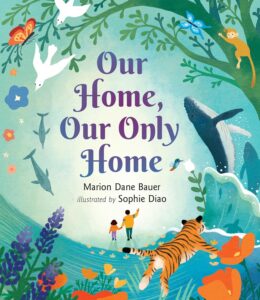
- Our Home, Our Only Home by Marion Dane Bauer, illustrated by Sophie Diao (Candlewick / Wondrous World). This lyrical exploration of the natural world reminds young readers of our shared planetary responsibility through gentle, rhythmic verse.
2. Affirmation of Identity and Culture
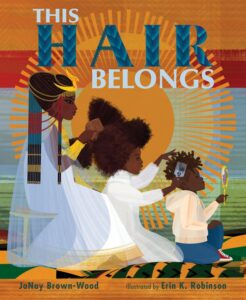
- This Hair Belongs by JaNay Brown-Wood, illustrated by Erin K. Robinson (Astra). A joyous, rhythmic celebration of Black hair, self-expression, and bodily autonomy that resonates deeply with early readers and middle-grade audiences alike.
3. Historical and Literary Tributes
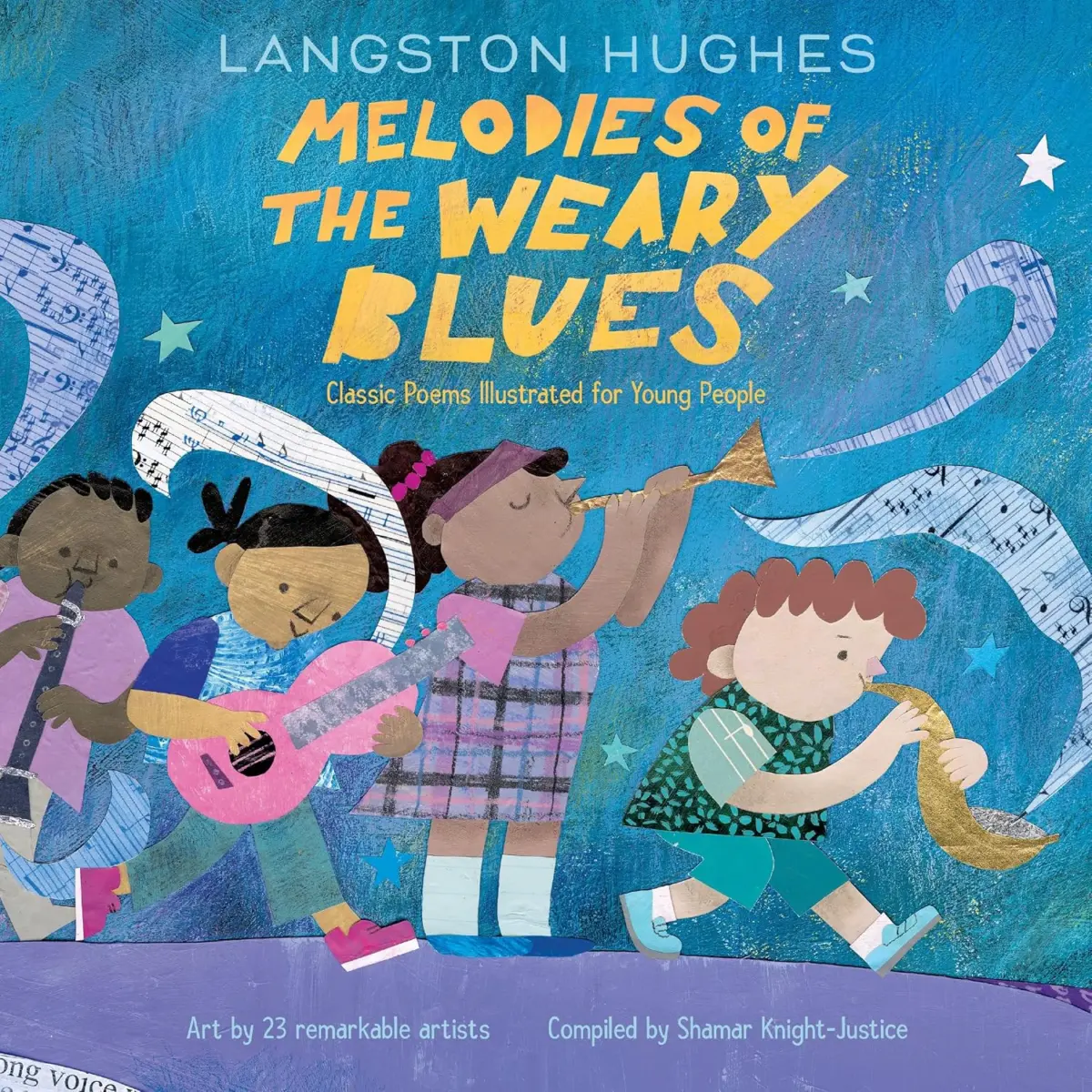
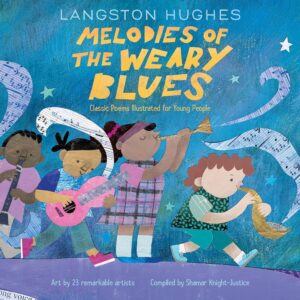
- Melodies of the Weary Blues: Classic Poems Illustrated for Young People by Langston Hughes, illustrated by Various (HarperCollins/Harper). Bringing the immortal rhythms of the Harlem Renaissance to a new generation, this collection pairs Hughes’ timeless jazz-infused poetry with dynamic contemporary illustration.
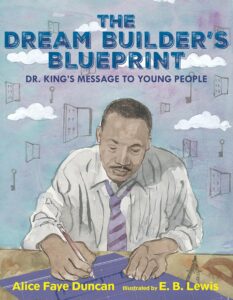
- The Dream Builder’s Blueprint: Dr. King’s Message to Young People by Alice Faye Duncan, illustrated by E.B. Lewis (Astra/Calkins Creek). A powerful translation of Dr. Martin Luther King Jr.’s philosophies into accessible, inspiring verse for youth. (Note: Industry tracking has occasionally noted ethical discussions surrounding illustrator attribution adjustments, keeping the publishing community vigilant regarding creator integrity).
4. Humor and Relatability
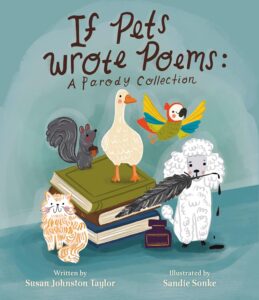
- If Pets Wrote Poems: A Parody Collection by Susan Johnston Taylor, illustrated by Sandie Sonke (Gnome Road). Offering a lighter, humorous entry point into verse, this parody collection imagines the inner, poetic thoughts of household pets.
5. Neurodiversity and Activism
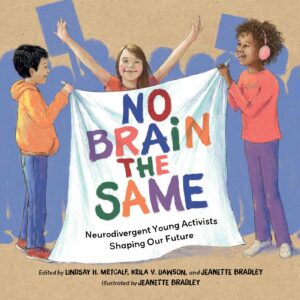
- No Brain the Same: Neurodivergent Young Activists Shaping Our Future edited by Lindsay H. Metcalf, Keila V. Dawson, and Jeanette Bradley, illustrated by Jeanette Bradley (Charlesbridge). This collection highlights the voices of young changemakers, validating neurodivergent experiences through compelling narrative verse and profiles.
6. Structural and Linguistic Exploration
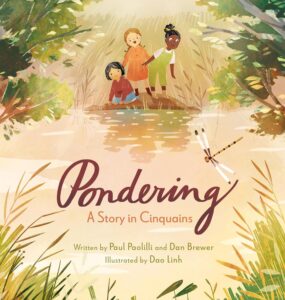
- Pondering: A Story in Cinquains by Paul Paolilli and Daniel Brewer, illustrated by Dao Thuy Linh (WorthyKids). Utilizing the five-line cinquain structure, this book demonstrates how strict constraints can unlock vast imaginative narratives.
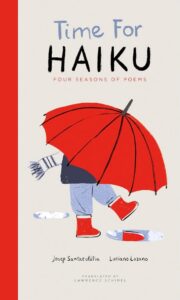
- Time for Haiku: Four Seasons of Poems by Josep Santaeulàlia, illustrated by Luciano Lozano, translated from Catalan by Lawrence Schimel (Red Comet). A transnational look at the shifting seasons, proving the universal resonance of the haiku form.
Official Statements and Educational Impact
The resounding success of Barbed Wire Between Us is anchored by its deliberate design as both a work of art and an educational tool. Mia Wenjen, alongside publisher Red Comet Press, has continually emphasized that historical poetry must be interactive and emotionally accessible.
The Pedagogical Framework
With the release of the official Teacher’s Guide for Barbed Wire Between Us, educators have been equipped with structured lesson plans that utilize poetry to teach complex historical concepts, such as the Japanese American incarceration during World War II. By incorporating activities like folding origami cranes—historically symbolizing hope and healing—students engage in tactile learning that reinforces the literary themes.
Furthermore, Mia Wenjen’s broader bibliography—including Postcards from Malcolm X: How Yuri Kochiyama Became a Civil Rights Activist, Fortune Cookies for Everyone! (Smithsonian), The Traveling Taco, We Sing from the Heart, and Food for the Future—demonstrates a sustained commitment to multicultural education, social justice, and historical truth-telling.
Future Outlook: The Evolution of Verse for Young Minds
As we look toward the remainder of 2026 and beyond, the inclusion of Barbed Wire Between Us in the School Library Journal "Stars So Far" list signals a clear industry trend: young readers and teens crave poetry that does not shy away from historical complexity.
The traditional view that poetry for children must be overly simplistic or strictly whimsical is being rapidly dismantled. Today’s youth are navigating a complex, interconnected world, and they seek literature that reflects their emotional reality, honors historical struggles, and offers artistic innovation.
Collections like Barbed Wire Between Us, through their use of advanced poetic forms like reverso poems, challenge young minds to view situations from dual perspectives. This fosters critical thinking, deep empathy, and historical consciousness—qualities that will remain paramount as educators, librarians, and authors shape the future of children’s literature.
For readers, educators, and collectors looking to dive deeper into these award-winning verses, signed and inscribed copies of Barbed Wire Between Us remain available directly through independent bookstores, major retailers, and the author’s official platform, ensuring that the lyrical echoes of these vital stories will continue to inspire generations to come.

Comments
Facebook App ID not configured. Please add it in the Customizer.