
Executive Overview
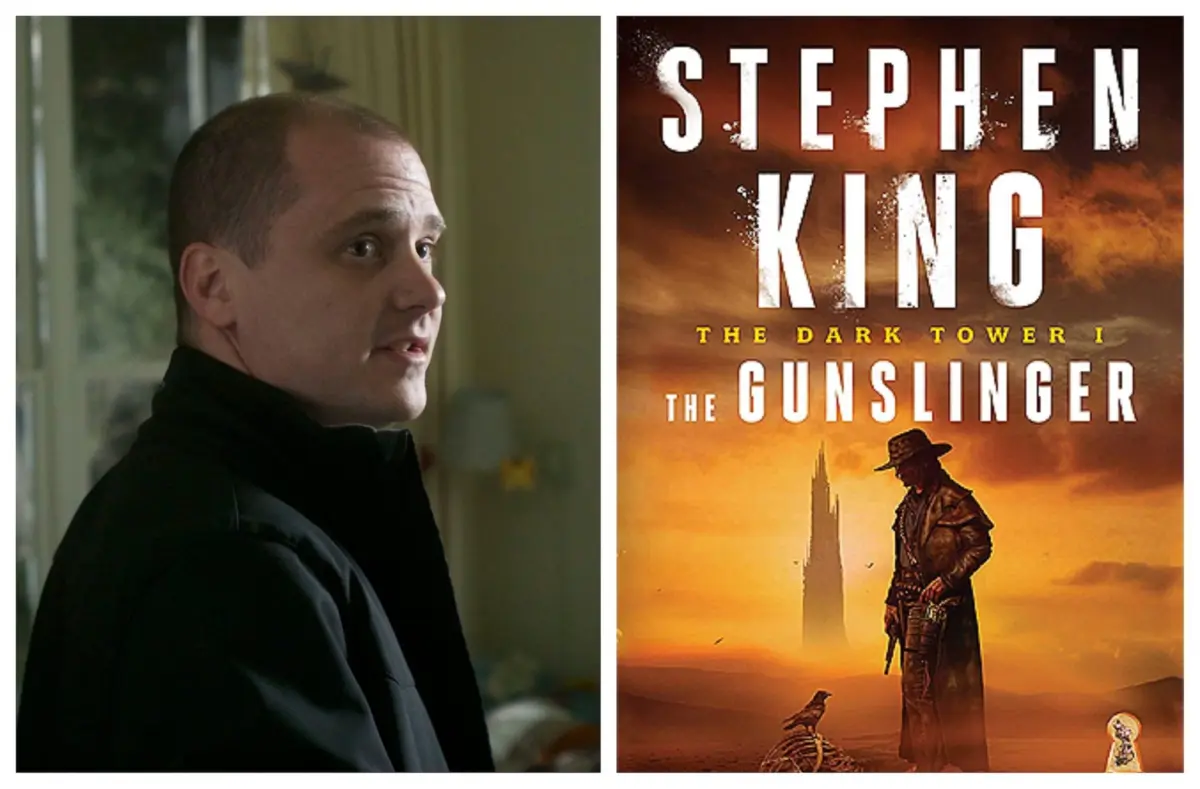
Nearly four years have passed since the speculative world of genre entertainment learned that visionary horror auteur Mike Flanagan had secured the coveted rights to adapt Stephen King’s magnum opus, The Dark Tower, into an ambitious multi-season television epic. For a fervent fanbase that has long dreamed of a faithful, sprawling screen translation of King’s genre-bending masterwork—which brilliantly weaves together dark fantasy, Westerns, science fiction, and horror—the news was nothing short of monumental.
Yet, as the calendar marches forward, the adaptation has seemingly languished on the back burner of Hollywood’s development slate. In the interim, Flanagan has remained a ceaselessly industrious creator, guiding an eclectic slate of projects that includes penning a gritty Clayface feature script for DC Studios and helming a television adaptation of Stephen King’s iconic telekinetic thriller Carrie for Amazon MGM Studios.
With Carrie officially slated to premiere on October 7, 2026, the promotional press tour has offered Flanagan a prime platform to address lingering questions regarding his myriad other endeavors. In a revealing, exclusive interview with Entertainment Weekly, the filmmaker pulled back the curtain on the grueling, labyrinthine development process facing The Dark Tower. Far from signaling a cancellation, Flanagan’s commentary paints a picture of a massive, legally complex corporate puzzle moving forward at what he colorfully terms an “oil-tanker pace.”
Read Also
While the road ahead remains undeniably daunting, Flanagan’s steadfast dedication to doing justice to Roland Deschain’s journey across the desert suggests that Ka is still a wheel—and that the gunslinger’s path to the screen, however protracted, has never truly stopped moving.
Detailed Chronology: From Rights Acquisition to Present Day
To fully grasp the current state of The Dark Tower television project, it is essential to trace the winding timeline that brought Flanagan into the orbit of Mid-World. The saga of bringing King’s interconnected universe to visual media has historically been plagued by false starts, development hell, and shifting corporate landscapes.
Late 2020 – 2022: Securing the Keys to Mid-World
Following the critical and commercial success of his Stephen King adaptations Doctor Sleep (2019) and his work on Netflix properties like The Haunting of Hill House, Flanagan carved out a reputation as one of the few modern filmmakers capable of translating King’s complex prose, emotional depth, and supernatural horror to the screen with reverence and structural integrity.
By late 2022, word broke that Flanagan, alongside producing partner Trevor Macy through their Intrepid Pictures banner, had quietly secured the rights to The Dark Tower. Unlike previous attempts to condense the sprawling seven-book (plus one novella and assorted spin-offs) narrative into a single, ill-fated feature film—as Sony Pictures attempted in their polarizing 2017 adaptation starring Idris Elba and Matthew McConaughey—Flanagan envisioned a massive, career-defining television blueprint. His pitched vision reportedly spanned five distinct seasons of television, flanked by two standalone feature films designed to bridge structural gaps in King’s expansive mythos.
2023 – 2024: The Creative Pivot and Industry Disruption
Despite the initial wave of excitement, the project immediately collided with the harsh economic realities of the modern entertainment industry. The twin Writers Guild of America (WGA) and Screen Actors Guild-American Federation of Television and Radio Artists (SAG-AFTRA) strikes of 2023 ground Hollywood to a temporary halt, forcing studios to reevaluate spending, consolidate slates, and delay development pipelines.
During this period of industry-wide recalibration, Flanagan’s professional focus shifted. Having ended his lucrative overall deal with Netflix, he transitioned to new creative partnerships. Among these was an engagement with Amazon MGM Studios, where he signed on to spearhead a new serialized adaptation of Stephen King’s Carrie. Furthermore, Flanagan took on high-profile writing assignments outside the horror genre, including a compelling script for DC Studios centering on the tragic Batman rogue, Clayface.
Consequently, The Dark Tower transitioned from an active production-track priority to a subterranean development marathon, simmering away while its creator juggled multiple high-stakes studio commitments.
2025 – 2026: The Carrie Milestone and The Dark Tower Realities
As the release of Carrie draws near with an official premiere date of October 7, 2026, entertainment journalists and devoted Constant Readers have turned their attention back to Flanagan’s long-term ambitions. In late 2025 and early 2026 press previews, Flanagan has directly addressed the elephant in the room: why The Dark Tower has taken so long to materialize on television screens, and what hurdles continue to challenge its progression.
Supporting Context & Metrics: The Intricate Web of IP Ownership
The primary reason behind the glacial development speed of The Dark Tower lies not in a lack of creative enthusiasm from its showrunner, but in the notoriously complicated, fragmented nature of intellectual property (IP) rights governing Stephen King’s shared literary universe.
The Multi-Studio Conundrum
Stephen King’s literary universe is famous for its "Easter eggs" and connective tissue. Characters, locations, and historical events from The Dark Tower bleed seamlessly into dozens of other King novels and short stories—including Salem’s Lot, The Stand, It, Hearts in Atlantis, Insomnia, and Black House.
Because these various novels and characters were published across different decades by different publishing houses and optioned by various Hollywood studios over the years, the cinematic and television rights to the expanded Dark Tower cosmos are effectively scattered across a chessboard of corporate ownership. Flanagan articulated this precise logistical nightmare to Entertainment Weekly:
"The way the Dark Tower universe is connected, you’ve got characters in there that are all over the place when it comes to studio ownership, so the development process on it has been epic."
Securing clearances, cross-licensing agreements, and legal permissions to utilize peripheral characters or crossover lore requires unprecedented inter-studio cooperation. In an era where media conglomerates fiercely guard their IP assets, untangling this legal web demands a masterclass in corporate diplomacy.
The Ghost of Amazon’s Past
Adding another layer of corporate hesitation is Amazon’s own history with the property. Back in 2020, Amazon Studios developed a pilot for a Dark Tower television series spearheaded by Glen Mazzara (The Walking Dead). That iteration aimed to serve as a more faithful origin story focusing on Roland Deschain’s youth and his first encounter with the Man in Black.
Ultimately, Amazon executives chose to pass on the pilot, declining to take the series to a full season order. This institutional memory played a tangible role in shaping the current trajectory. According to reports from Entertainment Weekly, Amazon brass requested that Flanagan pivot his immediate energies toward Carrie—a contained, highly marketable horror property with a guaranteed built-in audience—before diving headfirst back into the massive financial and logistical gamble that is The Dark Tower.
Official Statements: In Mike Flanagan’s Own Words
During his comprehensive press engagement with Entertainment Weekly, Mike Flanagan offered candid insight into the psychological and structural toll of shepherding a passion project of this magnitude through the Hollywood machine.
Addressing the sheer scale of the undertaking, Flanagan emphasized that compromising on the material was never an option:
"To do it the way I wanna do it requires an enormous commitment from a studio."
Acknowledging the frustration felt by fans who have waited years for tangible production updates, the auteur was refreshingly transparent about the project’s velocity and ongoing viability:
"It, of course, has taken much longer than I’d like it to, but I work on it all the time. It’s never stopped moving."
By characterizing the process as operating at an “oil-tanker pace,” Flanagan captured the reality of high-end prestige television development. Like a massive cargo ship turning in the open ocean, steering a multi-platform adaptation of this scale requires immense momentum, careful calculation, and a tremendous amount of time before visible changes can be observed from the shore.
Future Outlook: What Lies Ahead for Roland and the Ka-tet?
As the entertainment landscape looks toward the latter half of the decade, the overarching question remains: Will Mike Flanagan’s The Dark Tower ever escape development hell and make its way to television screens?
The Case for Optimism
There are several compelling reasons for fans to maintain hope:
- Flanagan’s Track Record: Unlike speculative directors who attach themselves to properties only to exit them later, Flanagan has proven himself to be a steadfast custodian of Stephen King’s work. His adaptations possess a rare combination of structural fidelity and auteur-driven emotional resonance.
- Continuous Momentum: Flanagan’s explicit assurance that the project “has never stopped moving” indicates that writing, conceptualization, and structural planning are actively occurring behind closed doors, even if public announcements are sparse.
- The Amazon Partnership: With Carrie establishing a successful working relationship between Flanagan and Amazon MGM Studios, the institutional trust necessary to greenlight a riskier, higher-budget endeavor like The Dark Tower is actively being forged.
The Road Ahead
The journey to the Dark Tower has always been defined by endurance, trial, and sacrifice. For Roland Deschain and his loyal ka-tet, the pursuit of the Tower is a lifelong, grueling pilgrimage across a world that has "moved on."
In a poetic twist of life imitating art, the television adaptation’s production cycle mirrors that very pilgrimage. It is slow, deliberate, and beset by seemingly insurmountable obstacles. Yet, as Mike Flanagan continues to chip away at the legal red tape, studio politics, and structural blueprints, the signal fires are still burning.
The oil tanker is moving. The gunslinger still walks the Mojave. And for the legions of Constant Readers waiting patiently in the dark, the promise of reaching the clearing at the end of the path remains alive—eventually.


Comments
Facebook App ID not configured. Please add it in the Customizer.