
Executive Overview
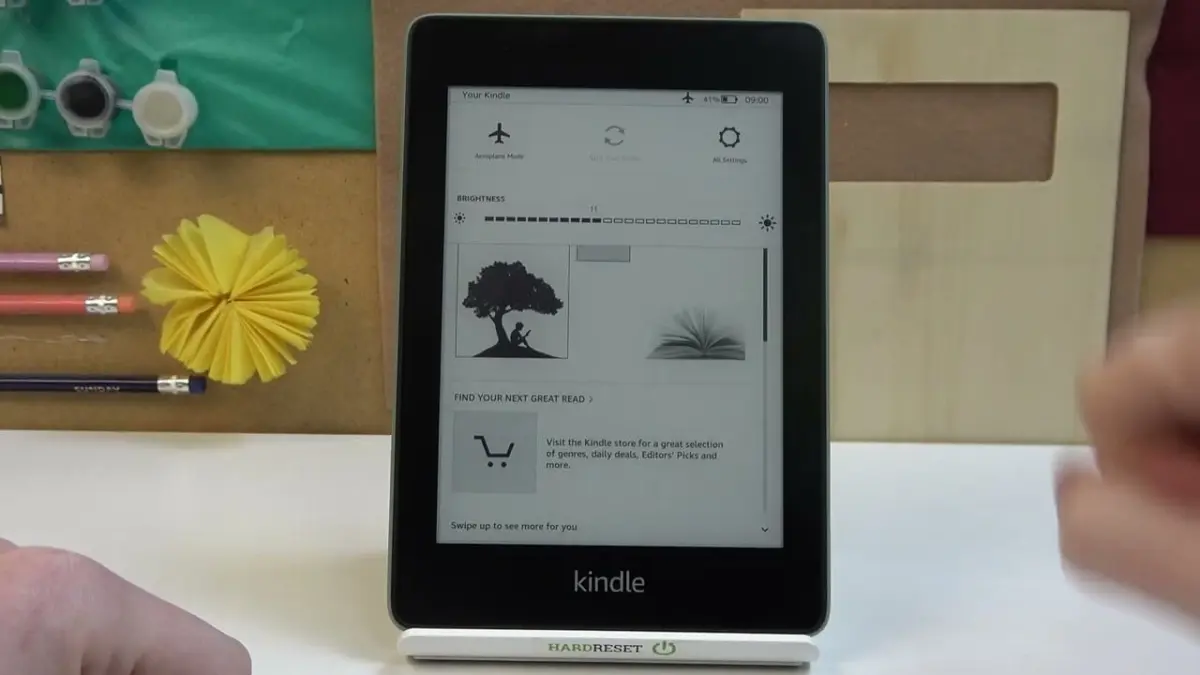
For over a decade, a digital sleight of hand has allowed savvy readers across the United States to quietly bypass the strict temporal constraints of public library borrowing. By simply toggling their Kindle e-readers into airplane mode before a digital library book’s due date, users could effectively freeze time. Borrowed titles from OverDrive and Libby would remain accessible on the device indefinitely, shielded from the automated recall systems of Amazon and library servers, until the user intentionally reconnected to a wireless network.
That era, it appears, has officially drawn to a close.
Recent software updates deployed by Amazon—specifically version 5.19.5 and above—have effectively neutralized what has affectionately become known in digital reading communities as the "airplane mode exploit." Users attempting to finish overdue library books while remaining offline are now encountering sudden blocks, forcing their Kindles to ping Amazon servers, verify current loan statuses, and revoke access to expired titles.
Read Also
While neither Amazon nor OverDrive has issued a formal press release acknowledging the patch, the shift has sent immediate shockwaves through online communities like Reddit, where dedicated readers are mourning the loss of a decades-old workaround. Industry insiders note that this quiet closure represents the culmination of years of technological maneuvering between tech conglomerates and digital library vendors desperate to enforce strict licensing agreements with publishers. As e-readers grow more sophisticated and deeply integrated into cloud ecosystems, the days of local-storage sovereignty are rapidly evaporating.
Detailed Chronology: The Rise and Fall of the Library Airplane Mode Workaround
The Genesis of Digital Lending on Kindle
The integration of public libraries with Amazon’s Kindle ecosystem began in late 2011, marking a monumental shift in how patrons consumed digital literature. Through a partnership with OverDrive—the dominant digital distributor for public libraries—US-based readers could browse their local library catalog, click a "Borrow with Kindle" button, and be redirected to Amazon’s website to deliver the EPUB or KF8 file directly to their registered e-reader via Wi-Fi.
However, unlike physical books—which operate on an honor system regarding returns—digital lending relies on rigid digital rights management (DRM). When a loan period expires (typically after 14 or 21 days), the next time the Kindle connects to the internet, Amazon’s background processes automatically delete the file or lock the user out.
Discovery of the "Time-Freeze" Exploit
Almost as soon as the service launched, users realized that Amazon’s automated return mechanism required an active internet connection to execute. If an e-reader was disconnected from Wi-Fi—most reliably by engaging "Airplane Mode"—the device became entirely localized.
Because the Kindle hardware had no external awareness of the passing date relative to the server-side loan expiration, the book remained readable. Readers quickly incorporated this into their routines: download a popular, high-demand book with a long waiting list, switch off the wireless capabilities immediately, read at a leisurely pace, and only reconnect once the final page was turned. For slow readers, academic researchers, or those caught in massive library holds queues, this workaround was an indispensable feature of modern reading life.
The Silent Patch: Firmware 5.19.5
The loophole remained largely unhindered for nearly fifteen years, surviving numerous generations of hardware iterations, Kindle Paperwhites, Oasis devices, and Kindle Basics. However, the release of software update 5.19.5 changed the landscape entirely.
Reports began surfacing on niche internet forums, most notably a viral thread on Reddit’s r/kindle community, where dozens of long-term users reported that their trusted method had abruptly failed. Devices including the Kindle Paperwhite (11th and 12th generations) and the newly introduced Colorsoft Signature Edition running the latest firmware are no longer permitting access to expired titles, even while firmly locked in airplane mode.
While some legacy devices running firmware versions 5.19.2 and older are reportedly still maintaining the old behavior, industry analysts predict that these older units will eventually be phased out or forced to update, bringing a uniform end to the practice across Amazon’s entire active hardware lineup.
Supporting Context & Metrics: The Mechanics of Digital Rights Management
To understand why this change was inevitable, one must examine the complex ecosystem governing digital publishing, library acquisitions, and DRM enforcement.

Publisher Pressures and Licensing Economics
Unlike physical books—which libraries purchase once and lend out indefinitely until the physical binding falls apart—e-books operate under strict, highly restrictive licensing models. Major publishing houses often require libraries to repurchase e-book licenses after a set number of checkouts (typically 26 loans) or after a specific timeframe (such as two years).
When users exploit airplane mode to hold onto a digital book for months past its due date, it creates a systemic bottleneck:
- Artificial Scarcity: While a book is trapped on an offline Kindle, it cannot be reassigned to the next person waiting in the Libby holds queue. This inflates wait times for high-demand titles.
- Revenue Discrepancies: Publishers argue that extended, uncompensated retention devalues their catalog and undermines the licensing agreements established with digital distributors like OverDrive.
How the New Firmware Overcomes the Offline Barrier
While Amazon has kept technical details under wraps, software engineers and digital security analysts speculate that the 5.19.5 update implements tighter local time-stamping verifications and enhanced background logic.
Historically, Kindles relied on server-validated tokens to confirm loan expiration upon re-connection. The new firmware appears to introduce stricter internal security certificates that cross-reference the system clock with hardcoded cryptographic expiration limits embedded directly within the encrypted file metadata. Once the threshold is crossed—regardless of network status—the device’s local rendering engine blocks the file from opening, demanding a server handshake to renew permissions.
Official Statements and Industry Silence
As of the publication of this article, neither Amazon nor OverDrive has issued a formal press release or updated their public-facing FAQ pages to announce the elimination of the airplane mode workaround.
When contacted for comment, representatives from both tech and library distribution giants have historically deflected or emphasized their commitment to supporting seamless, secure library lending ecosystems. However, industry insiders close to both companies have confirmed that executives have spent the past several years aggressively brainstorming countermeasures.
According to sources who spoke on the condition of anonymity, finding a technical solution that didn’t inadvertently harm users who genuinely travel or live in areas with spotty internet connectivity proved challenging. The primary hurdle was ensuring that legitimate offline reading—such as reading downloaded purchases on a long airplane flight—wasn’t disrupted while simultaneously closing the loophole exploited by library patrons. With the rollout of firmware 5.19.5, Amazon appears to have successfully threaded that technical needle.
User advocacy groups and consumer forums have expressed disappointment over the lack of transparency. Many argue that a simple, courteous notification in the firmware release notes—stating that Kindle users must now maintain active wireless connections or face immediate revocation of expired Libby loans—would have saved thousands of readers from losing book progress mid-chapter.
Future Outlook: What This Means for Digital Readers
The closing of the airplane mode loophole marks the end of an era of consumer-side flexibility within the closed-garden ecosystem of Amazon hardware. Moving forward, Kindle users who rely heavily on public libraries must adapt to the reality of strict, automated digital timelines.
Practical Strategies for Modern Library Readers
For readers mourning the loss of the airplane mode exploit, several alternative workflows can help mitigate the frustration of sudden loan expirations:
- Adjust Reading Pace or Request Extensions: Libby now features an "Renew" option that becomes available a few days before a book is due—provided there are no active holds waiting for that specific title.
- Utilize Alternative Hardware: Readers who prioritize absolute control over their local files often turn to open-ecosystem e-readers, such as Kobo, Boox, or PocketBook devices, which run on Android or open Linux frameworks and handle EPUB management with fewer proprietary restrictions.
- Manage Wi-Fi Habits Consciously: Keeping an eye on due dates within the Libby app rather than relying on the Kindle interface will become a necessary habit to avoid being abruptly locked out of a gripping narrative.
The Broader War for Digital Ownership
Ultimately, this quiet software update is a stark reminder of the limitations inherent in modern digital consumption. When consumers purchase or borrow content delivered via cloud-tethered devices, they are rarely buying or borrowing permanent property; rather, they are purchasing temporary access governed by the whims of corporate software updates and publisher mandates.
As Amazon continues to tighten its digital leash through updates like firmware 5.19.5, the line between hardware ownership and software subscription continues to blur, leaving digital readers with fewer avenues to bend the rules in their favor.

Comments
Facebook App ID not configured. Please add it in the Customizer.