

Executive Overview
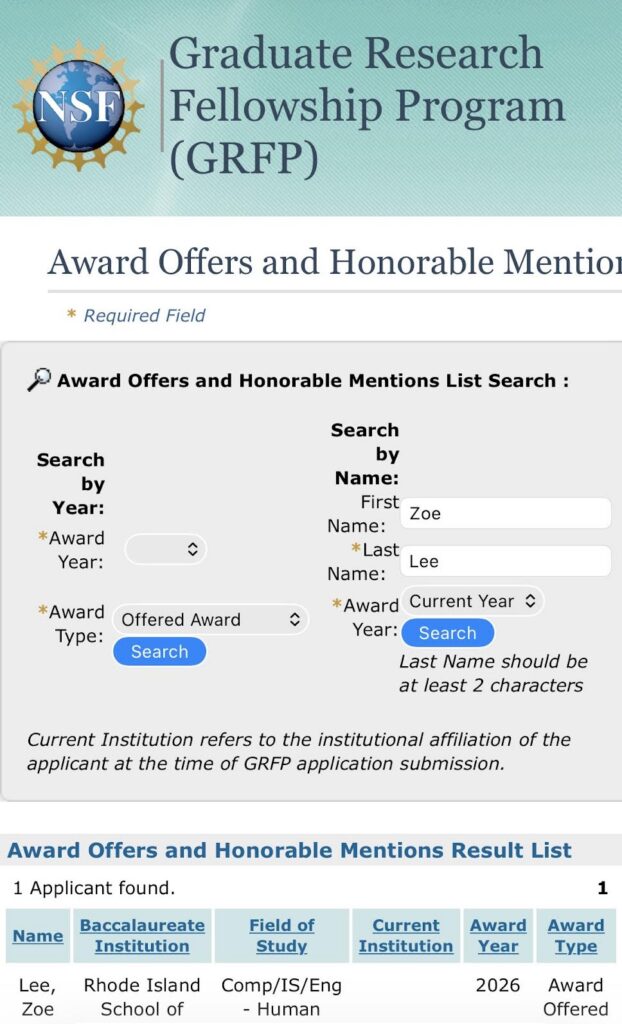
In an extraordinary milestone that underscores the intersection of rigorous artistic creation and pioneering scientific inquiry, Zoe Lee—an alumna of the prestigious Rhode Island School of Design (RISD) with a specialization in Industrial Design—has been awarded a highly competitive National Science Foundation (NSF) Graduate Research Fellowship. This elite fellowship will fully fund her upcoming graduate studies, providing comprehensive support that will seamlessly transition from her Master’s program this fall through to the completion of her Ph.D. at the Massachusetts Institute of Technology (MIT).
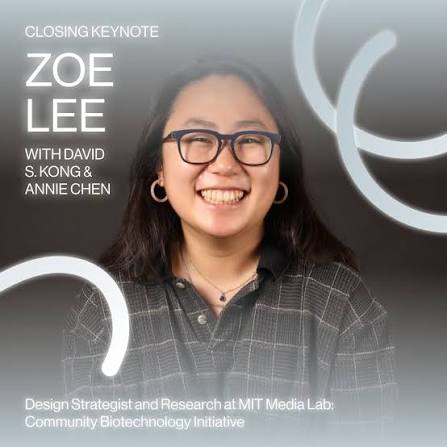
Lee’s academic trajectory exemplifies a transformative shift in contemporary higher education: the bridging of human-centered design with advanced technological and scientific research. Her achievement not only highlights her individual dedication to solving complex systemic challenges through innovative design thinking, but it also reflects the growing national recognition of industrial design as a critical catalyst for scientific and societal progress. As she prepares to embark on this next chapter in Cambridge, Lee joins an elite echelon of researchers poised to redefine how physical systems, sustainable models, and advanced technologies intersect.
Detailed Chronology: A Trajectory of Creative and Academic Excellence
Zoe Lee’s journey toward the Massachusetts Institute of Technology and the National Science Foundation fellowship has been forged through years of relentless cross-disciplinary experimentation, entrepreneurial endeavors, and academic rigor.
Read Also
Foundation in Industrial Design (2018–2024)
Lee’s academic foundation was built at the Rhode Island School of Design, widely regarded as one of the preeminent art and design institutions in the world. Specializing in Industrial Design, Lee moved beyond traditional aesthetic creation to explore how physical objects, systems, and environments can be engineered to solve real-world problems. Her undergraduate years were marked by a deep immersion in material science, ergonomics, sustainable manufacturing, and user-centric problem-solving.

During her tenure at RISD, Lee frequently collaborated across institutional boundaries, participating in high-profile initiatives such as the Rhode Island BlueGreen Innovation Challenge. In both 2021 and subsequent iterations, Lee and her multidisciplinary RISD student teams distinguished themselves by advancing to the finalist and winning rounds of competitions centered around sustainable marine and environmental innovation. These early projects established her capacity to merge ecological stewardship with functional industrial design.

Graduation and Professional Expansion (2024–2025)
Upon officially graduating from RISD in July 2024, Lee wasted no time translating her academic insights into scalable commercial and creative ventures. Later that year, she co-founded the innovative startup BEAM, successfully securing a foothold in NEW INC, the first museum-led cultural incubator dedicated to art, design, and technology.

Concurrently, Lee demonstrated her literary and creative versatility by launching Eating the Whole Fish, a thoughtfully curated Kickstarter book project that explored cultural narratives and design concepts through an accessible, narrative-driven lens. This period underscored her ability to operate fluidly across commercial startup ecosystems, independent publishing, and advanced research methodologies.

Fellowships and National Recognition (2026)
The year 2026 served as an inflection point for Lee’s burgeoning career. In March 2026, she was awarded the coveted MacDowell Fellowship, an honor that provided her with the time, space, and community to deeply develop her creative and theoretical frameworks.

The culmination of these diverse experiences arrived with the announcement of her National Science Foundation Graduate Research Fellowship grant. By securing this federally backed award, Lee validated her transition from applied industrial design to advanced, research-driven academic inquiry, setting the stage for her entry into MIT’s graduate school ecosystem this coming fall.

Supporting Context & Metrics: The Weight of the NSF Graduate Research Fellowship
The National Science Foundation Graduate Research Fellowship Program (NSF GRFP) is the oldest fellowship of its kind nationwide, designed to directly support graduate students who are pursuing research-based master’s and doctoral degrees in science, technology, engineering, and mathematics (STEM) fields—as well as STEM education—in accredited U.S. institutions.

Selection Criteria and Competitiveness
- Acceptance Rate: The NSF GRFP is notoriously competitive, with acceptance rates historically hovering between 12% and 16% out of tens of thousands of national applicants.
- Evaluation Metrics: Applicants are evaluated based on two core criteria established by the NSF: Intellectual Merit (the potential to advance knowledge) and Broader Impacts (the potential to benefit society and contribute to the achievement of specific, desired societal outcomes).
- Alumni Legacy: Past NSF fellows include numerous Nobel laureates, Google co-founder Sergey Brin, and U.S. Secretary of Energy Steven Chu, placing Lee in an elite lineage of global innovators.
Financial and Structural Scope
Unlike traditional university assistantships that require students to teach or perform specific lab labor in exchange for tuition remission, the NSF GRFP provides an independent financial portfolio directly to the fellow:

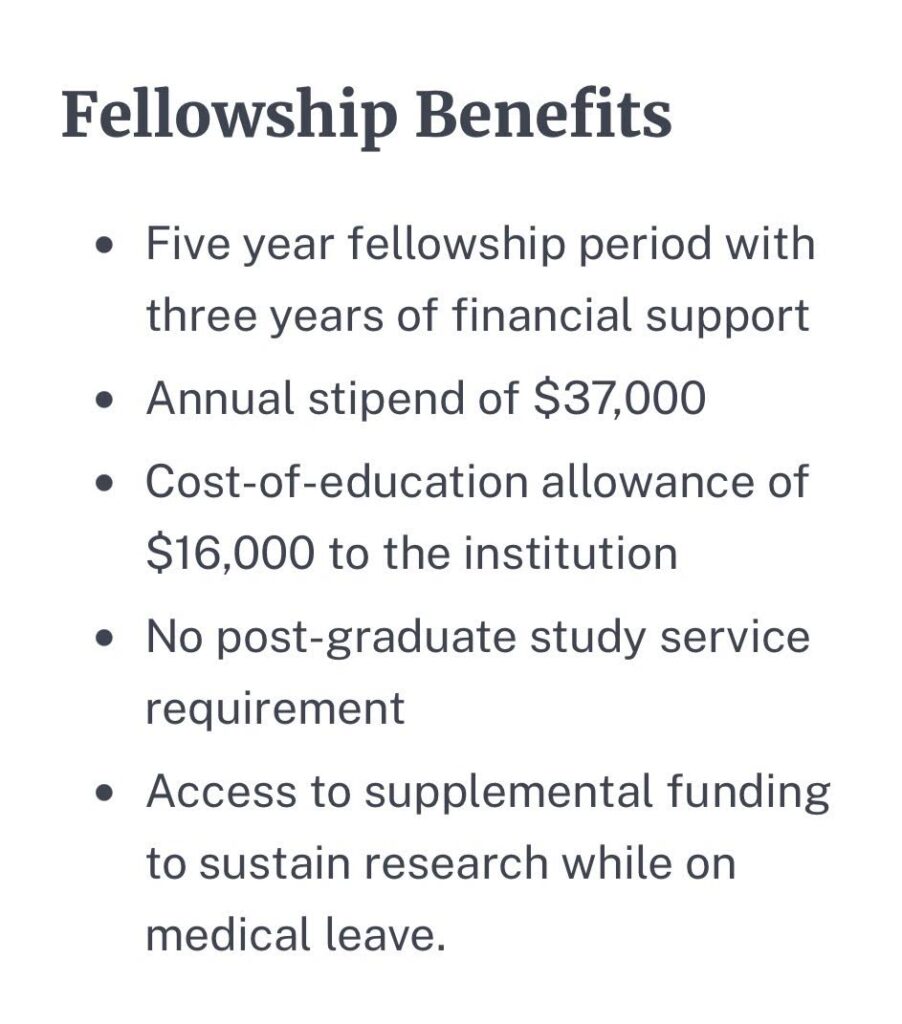
- Stipend Support: Provides a three-year annual stipend of $37,000 (as of recent program metrics), ensuring financial autonomy for the researcher.
- Cost-of-Education Allowance: Delivers an institutional cost-of-education allowance of $12,000 per year directly to the host institution (MIT) to cover tuition and fees.
- Extended Horizon: Because Zoe Lee’s specific award is structured to fund both her Master’s program and her subsequent Ph.D., it insulates her from typical graduate funding uncertainties, allowing her to pursue high-risk, high-reward interdisciplinary research from day one.
Official Statements and Institutional Impact
While personal announcements of academic achievements often remain within private spheres, the ripple effects of Zoe Lee’s dual pedigree—combining RISD’s design philosophy with MIT’s scientific rigor—speak volumes about the evolving nature of higher education.

Higher education analysts have increasingly noted that the most pressing global challenges of the 21st century—ranging from climate change mitigation to human-computer interaction and sustainable infrastructure—cannot be solved by traditional STEM disciplines alone. They require what educators term "STEAM" thinking: the integration of artistic empathy and design methodologies into scientific problem-solving.

By selecting an industrial designer who graduated from a pure arts and design institution for a prestigious NSF fellowship, the National Science Foundation signals an institutional acknowledgment that design thinking is a vital component of rigorous scientific inquiry. At MIT, Lee will have access to world-class laboratories, fabrication facilities, and cross-departmental think tanks where her background in physical prototyping and material exploration can be scaled into empirical, peer-reviewed scientific breakthroughs.
Future Outlook: The Road to MIT and Beyond
As Zoe Lee packs her bags for Cambridge, Massachusetts, the academic and professional communities are watching closely to see how her unique background will shape her doctoral research.
The Convergence of Design and Engineering at MIT
At MIT, graduate students in design-adjacent scientific programs are tasked with reimagining the physical and digital architecture of our future. Lee’s past work—ranging from sustainable marine innovation frameworks developed during her undergraduate challenges to her entrepreneurial ventures with BEAM and her artistic explorations via the MacDowell Fellowship—has prepared her to tackle systemic inefficiencies across multiple sectors.

Long-Term Implications
- Interdisciplinary Leadership: Lee is positioned to become part of a new generation of principal investigators who do not view art and science as siloed disciplines, but rather as two halves of a comprehensive problem-solving toolkit.
- Industry and Academic Horizons: With her Master’s and Ph.D. fully funded by the federal government, Lee will have the rare academic freedom to pursue postdoctoral research, launch advanced technology startups, or enter tenure-track academic positions unencumbered by educational debt.
The journey from a RISD industrial design studio to an NSF-funded MIT Ph.D. candidate is arduous, rare, and profoundly inspiring. For Zoe Lee, the fall semester marks not merely the continuation of her schooling, but the launch of a career dedicated to redesigning the boundaries of science and human experience.





Comments
Facebook App ID not configured. Please add it in the Customizer.