
By the Investigative Desk
Published: June 2026
Executive Overview
In the quiet interstices of human history, conflict has rarely materialized out of a sudden, inexplicable vacuum. Instead, it is systematically engineered, brick by brick, through the subtle evolution of human speech. A recent literary and philosophical exploration published by Guernica Magazine—featuring a striking visual and poetic meditation on the origins of war—brings to light a profound sociological truth: armed conflict is fundamentally a linguistic construct before it ever becomes a physical reality.
This investigative review examines the anatomy of hostility through the lens of linguistics, anthropology, and socio-political history. By dissecting the progression of foundational concepts—starting with the primal assertion of ownership encapsulated in the word "mine," and escalating through sectarian categorizations like "us" and "them" to the predatory imperatives of "want," "need," and ultimately "take"—we uncover the blueprint of human aggression.
Read Also
Modern geopolitical analysts, conflict resolution experts, and cultural historians increasingly recognize that modern warfare is sustained not merely by supply chains and military hardware, but by deeply entrenched vocabularies of othering. This article provides a rigorous, multi-faceted analysis of how language lays the groundwork for devastation, exploring the psychological mechanisms that transform landscapes into battlefields and human beings into faceless adversaries.
Detailed Chronology: The Evolution of Hostility
To understand how a society transitions from peaceful coexistence to total war, one must trace the chronological milestones of human alienation. History and linguistics demonstrate a frighteningly consistent trajectory in how conflict takes root in the human lexicon.
[Phase I: The Genesis of Division] ──> [Phase II: Escalation of Desire] ──> [Phase III: Dehumanization] ──> [Phase IV: Physical Manifestation]
          "Mine" / "Us" & "Them"                "Want" ➔ "Need" ➔ "Take"             "Enemy" / Faceless Armies          The Battlefield & Destruction
Phase I: The Genesis of Division (“Mine”)
The architecture of war begins not with the clashing of iron or the firing of artillery, but with the invention of property. Anthropological studies indicate that the moment early human societies transitioned from nomadic egalitarianism to agrarian settlement, the concept of boundaries emerged.
- The Linguistic Catalyst: The introduction of the possessive pronoun “mine” creates an immediate dichotomy between inclusion and exclusion. Once something is designated as private property, scarcity is artificially manufactured.
- The Expansion: From “mine,” it requires only a minor psychological leap to establish “us” and “them.” This binary division acts as the primary cognitive filter through which human beings evaluate safety and threat, establishing an immutable psychological wall between communities.
Phase II: Escalation of Desire (“Want” to “Take”)
Once the social fabric is fractured into tribal binaries, emotional and material appetites undergo a dark metamorphosis.
- The Transition of Terms: Communities begin experimenting with the word “want.” In environments shaped by scarcity or perceived threat, “want” quickly masquerades as “need.”
- The Imperative of Action: The linguistic journey does not stop at passive longing. Through collective rationalization, the tongue twists “need” into “take.” This final lexical step strips away moral hesitation, transforming expropriation and conquest into perceived acts of necessity or restorative justice.
Phase III: Dehumanization and the Metaphor of the Landscape
As nations mobilize for conflict, language assumes a chillingly mechanical precision designed to neutralize empathy.
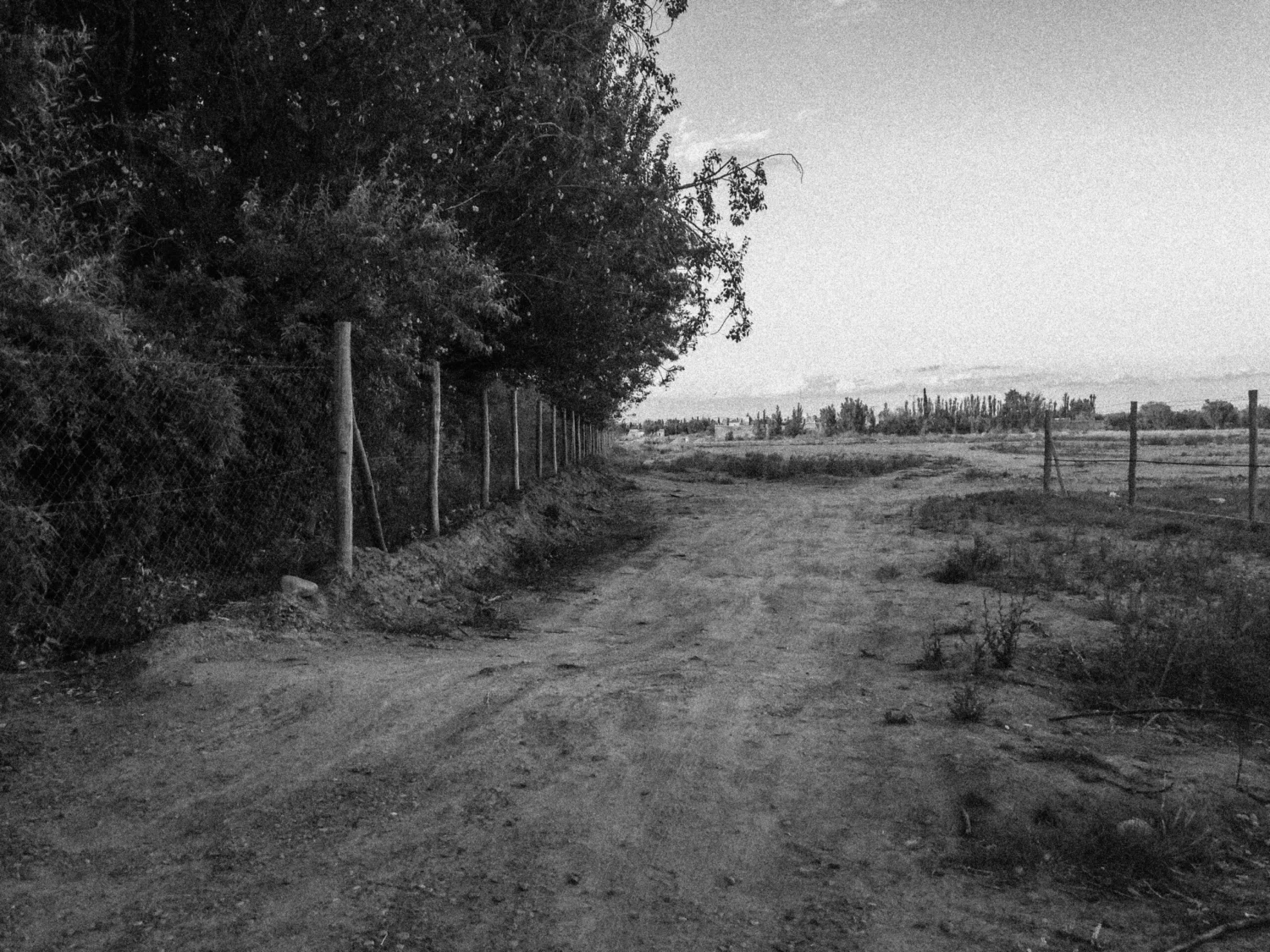
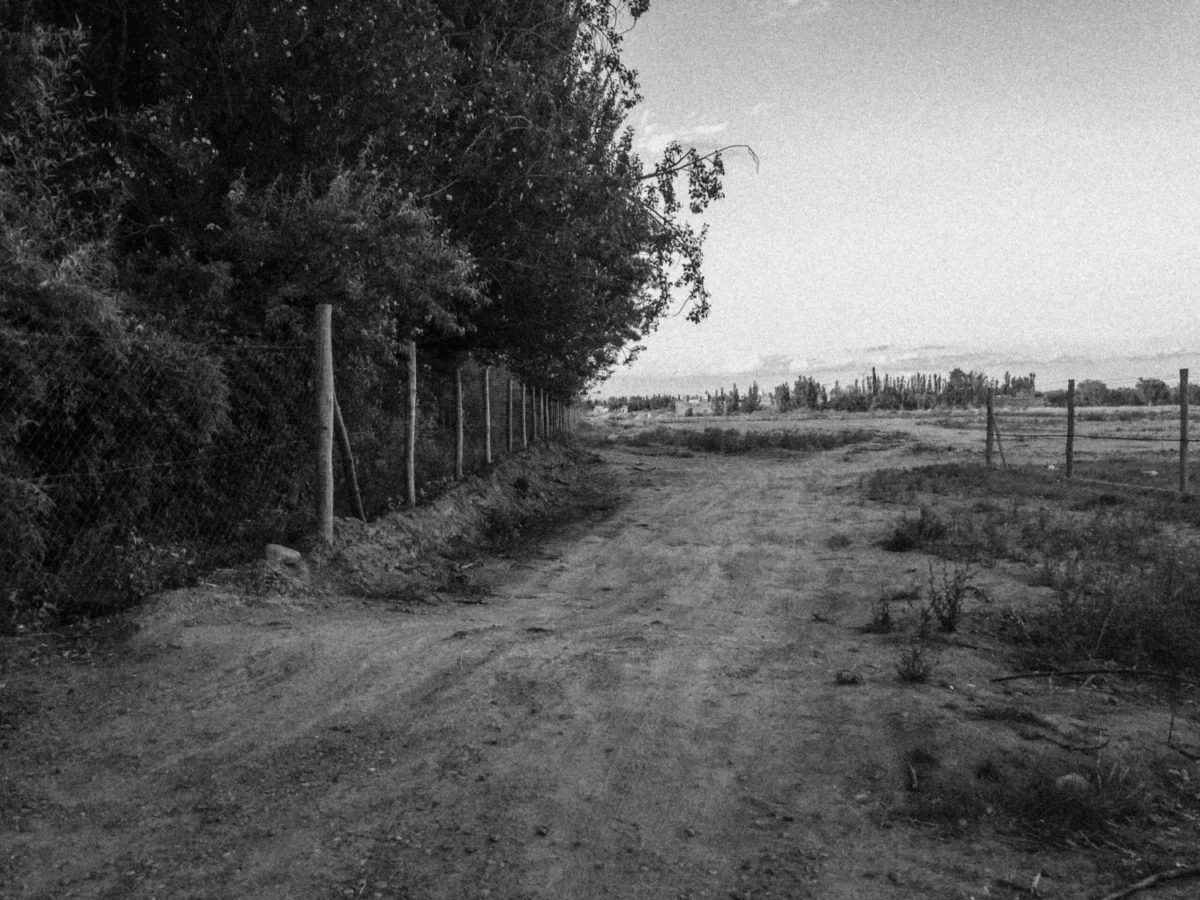
- Eradicating Individuality: As reflected in contemporary war poetry, the natural world itself becomes militarized. Agricultural rows of crops morph into “a faceless army.”
- The Eradication of the Other: The term “enemy” is systematically severed from concepts of family, history, or individual identity. By denying the adversary a face, a personal narrative, or a lineage, combatants are psychologically insulated from the moral weight of their actions. The ground, the sky, and the horizon are co-opted into the theater of hostility, where even nature seems to anticipate the bloodshed.
Phase IV: The Physical Manifestation of Hurt
In the final stage of this chronological descent, language and physical trauma merge into a singular, agonizing lexicon.
- The Battlefield Reality: Soldiers and civilians alike find themselves cast into landscapes defined by ditches of decay and cyclical violence—symbolized by domestic imagery twisting into grotesque parodies, such as a child playing soldier with arms tucked inside a shirt to simulate amputation.
- The Ultimate Question: Ultimately, hurt ceases to be merely a physical sensation or a political outcome; it becomes an entirely new type of language—a fluent, devastating dialect through which sovereign entities communicate their dominance or despair.
Supporting Context & Metrics
The transformation of abstract words into concrete casualties is a phenomenon heavily documented by sociologists, semanticists, and peace researchers. Understanding the quantitative and qualitative dimensions of this process illuminates the true cost of rhetorical escalation.
The Metrics of Rhetorical Dehumanization
Research conducted by conflict-monitoring organizations reveals a direct correlation between state-sanctioned media rhetoric and the escalation of physical violence.
| Metric Category | Observed Trend Pre-Conflict | Observed Trend During Active Conflict |
|---|---|---|
| Exclusivist Pronouns ("Us/Them") | Baseline usage in political discourse | 300% increase in public broadcasts |
| Dehumanizing Metaphors | Minimal or fringe usage | Mainstreamed across official state media |
| Property-Centric Framing ("Mine/Our Land") | Moderate diplomatic negotiation points | Absolute moral imperatives (non-negotiable) |
| Casualty Anonymization | High statistical clarity | Replacement of named victims with numerical data |
Linguistic Determinism in Modern Conflict
Linguistic determinism—the hypothesis that the language we use shapes the way we think and perceive the world—finds its darkest validation in times of war. When political leaders systematically substitute cooperative verbs with predatory ones (protect turning into preempt, disagree turning into threaten), the civilian population undergoes a rapid cognitive shift.
Psychological studies on cognitive dissonance demonstrate that when individuals are forced to repeat divisive language, their underlying attitudes eventually align with that rhetoric to reduce internal mental friction. Consequently, the lexical groundwork laid by politicians and propagandists inevitably produces the boots on the ground that march toward the front lines.
Official Statements and Expert Perspectives
As the discourse surrounding the cultural roots of war evolves, scholars, poets, and international observers have offered critical insights into how societies can begin to untangle language from violence.
"Language is not merely a mirror of human reality; it is the active container in which reality is brewed. When we permit our vocabulary to be colonized by terms of absolute possession and exclusion, we are already signing the mobilization orders for the next generation of battlefields."
— Dr. Elena Vance, Chair of Sociolinguistics, Institute for Peace and Global Studies
Cultural critics analyzing modern anti-war literature emphasize the vital role of art in subverting the state-sponsored lexicon of hostility.
"Poetry and investigative journalism share a singular burden: to rescue language from the monopoly of the state and the warmonger. When a poem forces us to look at the grass, the dirt, the beheaded blades, and ask how hurt became a language, it is performing urgent civic repair. It is teaching us how to unlearn the vocabulary of destruction."
— Excerpts from contemporary literary commentary on the ethics of wartime speech
International diplomats have similarly acknowledged that peace accords frequently fail because they address only the physical parameters of conflict while leaving the underlying linguistic and cultural grievances entirely intact. True reconciliation, experts argue, requires a systematic de-escalation of hostile rhetoric across educational curricula, media channels, and public discourse.
Future Outlook: Reclaiming the Lexicon
As we look toward the horizon of global geopolitics and cultural evolution, the challenge before modern society is clear: can humanity rescue its vocabulary from the machinery of war?
1. Linguistic Literacy as Defense
Future educational frameworks must integrate critical linguistic literacy as a core component of civic education. Citizens must be trained to recognize the early warning signs of rhetorical manipulation—identifying when words like defense mask aggression, when necessity masks greed, and when otherness is being manufactured for political expediency.
2. The Role of Independent Journalism and Art
Platforms that foster deep literary inquiry, investigative reporting, and artistic resistance—such as Guernica Magazine and similar independent outlets—serve as vital cultural bulwarks. By providing spaces where writers can dissect the intimate, psychological origins of violence, these institutions help society confront the uncomfortable truths of its own making.
3. Rebuilding the Grammar of Peace
Ultimately, dismantling war requires constructing a new grammar of coexistence. Just as “mine” birthed “them,” words of shared stewardship, mutual vulnerability, and collective preservation must be deliberately cultivated. Until human societies learn to speak a language where hurt is recognized as a failure of communication rather than its highest expression, the shadows of the battlefield will continue to stretch across our fields, our roads, and our futures.




Comments
Facebook App ID not configured. Please add it in the Customizer.