
Executive Overview
The landscape of high-profile fantasy adaptations on streaming television is experiencing a seismic shift. For enthusiasts of tabletop roleplaying games and sprawling multi-media franchises, recent updates from Netflix and Hasbro Entertainment bring a double-edged sword of developmental news.
The Forgotten Realms—the ambitious, tentpole Dungeons & Dragons (D&D) live-action television series that was formally announced to much fanfare last year—has been officially canceled and removed from active development at Netflix.
Yet, any fears that the streaming giant was abandoning the lucrative, rich intellectual property altogether have been quickly dispelled. In the wake of The Forgotten Realms’ cancellation, Netflix has pivoted its attention toward an even more atmospheric and narratively potent corner of the D&D multiverse.
Read Also
The streamer’s latest fantasy venture is a prestigious adaptation of Ravenloft, a setting celebrated for its gothic horror, psychological torment, and tragic romance. What makes this upcoming project a monumental milestone for fantasy television is the powerhouse creative team steering the ship: Academy Award-winning filmmaker Alfonso Cuarón (Children of Men, Gravity, Roma) attached as an executive producer, paired with acclaimed screenwriter John August (Big Fish, Charlie and the Chocolate Factory, Corpse Bride). Developed alongside Hasbro Entertainment, Ravenloft promises to trade standard high-fantasy tropes for a grim, character-driven exploration of the supernatural.
As the industry watches closely to see if this iteration can break the historical curse that has plagued previous attempts to bring tabletop RPGs to the small screen, this feature breaks down the chronology of the project, examines the creative pedigree behind Ravenloft, analyzes the rich literary and gaming history of the Domains of Dread, and evaluates what this strategic pivot means for the future of entertainment adaptations.
Detailed Chronology: The Evolution, Stagnation, and Rebirth of D&D on Streaming
To fully understand the weight of Netflix’s current strategic maneuver, one must trace the winding, often frustrating history of Dungeons & Dragons attempting to find a permanent home on television over the past decade.
Phase 1: The Initial Wave of Optimism and Studio Acquisitions
Following the massive cultural renaissance of tabletop roleplaying games—supercharged by pop-culture phenomena like Stranger Things, popular actual-play podcasts like Critical Role, and the critical success of feature films—Hasbro and its subsidiary, Wizards of the Coast, aggressively sought to monetize their vast library of intellectual properties.
- The initial wave of announcements saw various production houses pitching serialized adaptations of classic D&D campaigns.
- Last year, the industry rejoiced when Netflix formally entered the ring, announcing that a major series set in The Forgotten Realms—the iconic, sprawling fantasy setting home to legendary heroes like Drizzt Do’Urden and cities like Baldur’s Gate and Waterdeep—was actively taking shape.
- For months, details remained scarce, leading to an atmosphere of intense anticipation among the global fandom.
Phase 2: Creative Bottlenecks and Quiet Cancellations
Despite the initial excitement, The Forgotten Realms suffered from the same developmental paralysis that has plagued numerous high-budget fantasy adaptations across various platforms. Translating the infinite, open-ended narrative nature of a tabletop campaign into a tightly structured, multi-season television arc proved to be a Herculean hurdle.
According to industry reports breaking via Deadline, creative differences, shifting studio priorities, and difficulties nailing down a cohesive vision ultimately led to the quiet dissolution of The Forgotten Realms project. It joins a graveyard of announced D&D television projects that failed to make it past the conceptual or early scripting stages, leaving fans wondering if the beloved franchise was simply unadaptable for television.
Phase 3: The Ravenloft Pivot
Rather than walking away from the tabletop giant entirely, Netflix executive leadership recognized that the problem may not have been the Dungeons & Dragons brand, but rather the specific lens through which it was being viewed. The Forgotten Realms, while beloved, leans heavily into traditional high-fantasy tropes—swords, sorcery, sprawling political factions, and heroic quests.
By contrast, the decision to pivot toward Ravenloft represents a calculated gamble on genre diversification. By aligning with heavyweight creators like Alfonso Cuarón and John August, Netflix has effectively rebooted its D&D strategy, replacing a generic high-fantasy epic with a prestige gothic horror drama designed to appeal to both mature fantasy audiences and prestige television aficionados alike.
Supporting Context & Metrics: Unpacking the Ravenloft Universe
To appreciate why Ravenloft has captured the imagination of Hollywood heavyweights, one must look at the immense depth of the setting’s history, lore, and cultural footprint within speculative fiction.
The Lore of the Domains of Dread
Created by legendary novelists and game designers Tracy and Laura Hickman, Ravenloft is not merely a single city or country; it is a pocket dimension known as the Domains of Dread. This supernatural realm is cobbled together from the psychological landscapes of dark, tormented souls, ruled over by immortal monsters known as Darklords.
At the psychological and geographical center of this mythos is Barovia, a misty, gothic valley dominated by the towering fortress of Castle Ravenloft.
- The Tragedy of Strahd: The definitive narrative anchor of the setting—and the focal point of the upcoming Netflix series—is the origin and torment of Count Strahd von Zarovich.
- From Antihero to Monster: Strahd’s tale is one of power, unrequited love, toxic obsession, and irreversible undead transformation. Tracing his evolution from a tragic, brooding antihero to one of the most iconic, complex villains in speculative fiction history, the narrative offers deep thematic resonance that transcends traditional monster-of-the-week tropes.
- Literary Expansion: The depth of Strahd’s lore is well-documented. As noted in the classic 1993 gothic horror novel I, Strahd: The Memoirs of a Vampire by P.N. Elrod, the character’s psychological torment and tragic downfall have captivated readers for decades.
A Century-Spanning Franchise Footprint
Ravenloft is far from an untested indie property. Over the decades, the setting has cultivated an extraordinarily loyal, obsessive fanbase. Industry metrics and historical publication data reveal that the Ravenloft IP has spawned:
- Over 100 official tabletop roleplaying modules, sourcebooks, and campaign settings.
- Dozens of companion rulebooks detailing the horrific mechanics of psychological dread, curse management, and domain survival.
- A robust library of tie-in gothic fantasy novels.
- Countless video game adaptations, expansions, and vibrant fan-made digital creations.
Furthermore, Netflix is executing a masterclass in corporate synergy. Keen-eyed viewers will recall that Ravenloft and its iconic vampire lord, Strahd, received direct narrative nods and atmospheric integration within the universe of Stranger Things—Netflix’s crown-jewel streaming property. This cross-promotional DNA positions the upcoming series to inherit an already primed, massive global audience.
Official Statements & Creative Pedigree
The true differentiator for this iteration of Ravenloft is the staggering tier of talent attached to its production. Netflix has bypassed traditional television showrunners in favor of visionary cinematic auteurs.
Alfonso Cuarón: The Master of Immersive Realism
Alfonso Cuarón’s involvement as an executive producer signals that Netflix is shooting for the absolute highest tier of prestige television. Cuarón, renowned for his breathtaking visual language and visceral storytelling, is the creative mind behind:
- Children of Men (2006): Widely regarded as one of the greatest sci-fi/dystopian films of the 21st century, celebrated for its harrowing, uninterrupted tracking shots and bleak emotional resonance.
- Gravity (2013): A masterclass in tension, atmospheric isolation, and groundbreaking technical achievement, earning him the Academy Award for Best Director.
- Roma (2018): A deeply personal, visually stunning black-and-white masterpiece that secured Academy Awards for Best Director, Best Cinematography, and Best Foreign Language Film.
Cuarón’s signature ability to blend sweeping cinematic scope with claustrophobic, deeply human emotional intimacy makes him the ideal architect for the oppressive, fog-shrouded valleys of Barovia.
John August: The Architect of Dark Whimsy and Gothic Fantasy
Penning the series is John August, a writer whose career has been defined by his mastery of heightened, fantastical, and often gothic narratives. August’s notable credits include:
- Collaborating extensively with visionary director Tim Burton on modern fairy tales and gothic classics like Big Fish, Charlie and the Chocolate Factory, Corpse Bride, Frankenweenie, and Dark Shadows.
- Showcasing his blockbuster versatility by co-writing Guy Ritchie’s live-action adaptation of Disney’s Aladdin.
August’s literary sensibilities—specifically his talent for balancing tragic romance with macabre undertones—position him as the perfect scribe to bring the complex psychological trauma of Strahd von Zarovich to life.
The Official Creative Description
According to production briefs released via Deadline, the series is officially framed as:
"A prestige fantasy series where adventure collides with gothic horror and tragic romance. Ravenloft and its Domains of Dread tackle adventure through character-driven stories of dark magic and supernatural intrigue. At its heart, the series follows the making of the vampire Darklord Strahd von Zarovich, whose story of power, love, obsession, and undead transformation charts his origins from tragic antihero to one of Dungeons & Dragons’ most notorious villains."
Future Outlook: Can Ravenloft Break the D&D Television Curse?
The graveyard of unproduced fantasy television is vast. For years, fans of tabletop RPGs have experienced the roller coaster of high-profile announcements followed by quiet cancellations. Between the shelving of The Forgotten Realms and the prolonged waits for other serialized adaptations, skepticism among the fandom is entirely warranted.
However, the alignment of Cuarón and August changes the calculus. By narrowing the narrative focus away from a sprawling, open-ended continent like the Forgotten Realms and zeroing in on the intense, character-driven gothic tragedy of Ravenloft, Netflix has crafted a blueprint that relies less on massive CGI battle sequences and more on deep character study, atmospheric dread, and high-stakes emotional drama—elements that translate exceptionally well to prestige streaming formats.
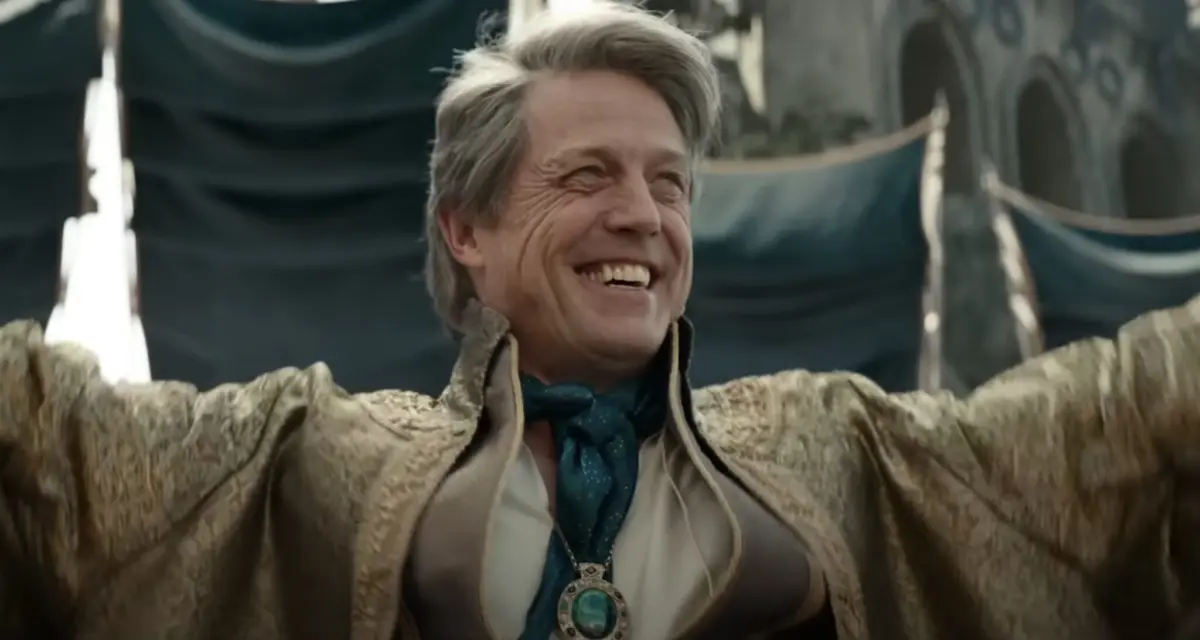
While audiences will undoubtedly continue to cherish cinematic triumphs like Dungeons & Dragons: Honor Among Thieves (and forever honor icons like Jarnathan), the prospect of stepping into the misty, terror-filled Domains of Dread under the guidance of some of Hollywood’s most brilliant minds offers genuine hope.
Fingers crossed that Netflix’s Darklord meets a far better fate than his predecessors in development hell. Until then, the mists of Barovia are rolling in, and television fantasy may never be the same.


Comments
Facebook App ID not configured. Please add it in the Customizer.