
Executive Overview
For generations, the cultural mythology of the writer has been inextricably bound to physical displacement. From Virginia Woolf’s coastal rooms of one’s own to the isolated cabins of Walden Pond or elite, highly competitive international artists’ colonies in Greece and Vermont, the prevailing narrative suggests that genuine creative work requires absolute separation from the grit of daily life. To the modern writer juggling a full-time career, familial obligations, overflowing inboxes, and the quiet, persistent hum of low-grade exhaustion, this traditional model is not merely inaccessible—it is a form of psychological gatekeeping.
This feature-length investigative analysis explores the democratization of the creative retreat. By dismantling the idealized, highly curated aesthetics popularized by social media platforms like Pinterest, Instagram, and TikTok, this article examines how writers can reframe retreats not as geographic escapes, but as specific postures of attention. Through micro-retreats, home-based configurations, and accessible public sanctuaries, contemporary authors are discovering that sustainable artistic nourishment can thrive within the very infrastructure of an ordinary, busy life.
Detailed Chronology: The Evolution of the Creative Sanctuary
To understand how contemporary writers view the concept of the retreat, it is helpful to examine how the sanctuary has evolved from an aristocratic privilege into a psychological necessity.
Read Also
The Era of Aristocratic Isolation (Pre-20th Century)
Historically, uninterrupted time for creative output was the exclusive domain of the independently wealthy or those patronized by the state and nobility. Writers retreated to country estates or traveled extensively across Europe, treating isolation as an extended lifestyle rather than a scheduled break. The output of this era frequently romanticized nature and monumental architecture as the primary catalysts for genius.
The Institutionalization of the Residency (Mid-to-Late 20th Century)
The mid-20th century saw the birth of the formal artist residency and colony model. Organizations emerged to offer writers competitive, application-based fellowships. While these programs successfully nurtured thousands of literary masterworks, they simultaneously codified a rigid standard: that true creative focus required leaving one’s home, family, and job behind for weeks or months at a time.
The Digital Myth-Making and the Scarcity Trap (2010s–Present)
The advent of social media supercharged the myth of the idyllic retreat. Cinematic imagery of empty seaside homes, artisanal meals cooked by unseen hands, and endless expanses of silence created a digital consensus that if a writer’s life did not mirror this aesthetic, their creative output was somehow compromised. This dynamic generated a pervasive "scarcity trap"—writers began waiting for mythical quantities of time, money, permission, and energy that never materialized, paralyzing their productivity in the process.
The Paradigm Shift: The Rise of the Micro-Retreat (Current Landscape)
Today, a growing movement of authors, educators, and spiritual directors are upending this paradigm. Recognizing that the modern socioeconomic climate leaves little room for multi-week getaways, writers are pioneering localized, hyper-intentional interventions. The focus has shifted from where a writer goes to how they inhabit their attention when they arrive.
Supporting Context & Metrics: The Realities of Modern Creative Work
The modern literary landscape operates against a backdrop of intense time poverty and economic pressure. Understanding the mechanics of everyday creative resistance requires looking closely at how writers actually spend their hours.
The Time-Poverty Crisis Among Emerging Writers
- The Day Job Factor: Over 85% of contemporary fiction and non-fiction writers maintain full- or part-time employment outside of their literary pursuits.
- The Caregiving Load: A significant demographic of writers balance their creative ambitions with child-rearing, eldercare, or both, leaving fractured, unpredictable windows of discretionary time.
- The Decision Fatigue Index: Studies in cognitive psychology indicate that modern professionals make thousands of low-stakes decisions daily, depleting the executive function required for deep creative work. Consequently, waiting for an idealized block of energy often results in paralysis.
The Economics of Residencies
| Retreat Model | Average Cost / Financial Barrier | Accessibility for Working Writers |
|---|---|---|
| Traditional Competitive Residency | Free to $1,500+ (plus lost wages/travel) | Low (acceptance rates often < 5%) |
| Commercial Retreat Center | $2,000 to $5,000 per week | Low (prohibitive for middle-income earners) |
| Home-Based / Micro-Retreat | $0 to $15 (materials/coffee) | High (fully scalable to individual schedules) |
Official Perspectives and Expert Insights
Writers, educators, and creative mentors are increasingly vocal about the need to de-institutionalize the writing life.
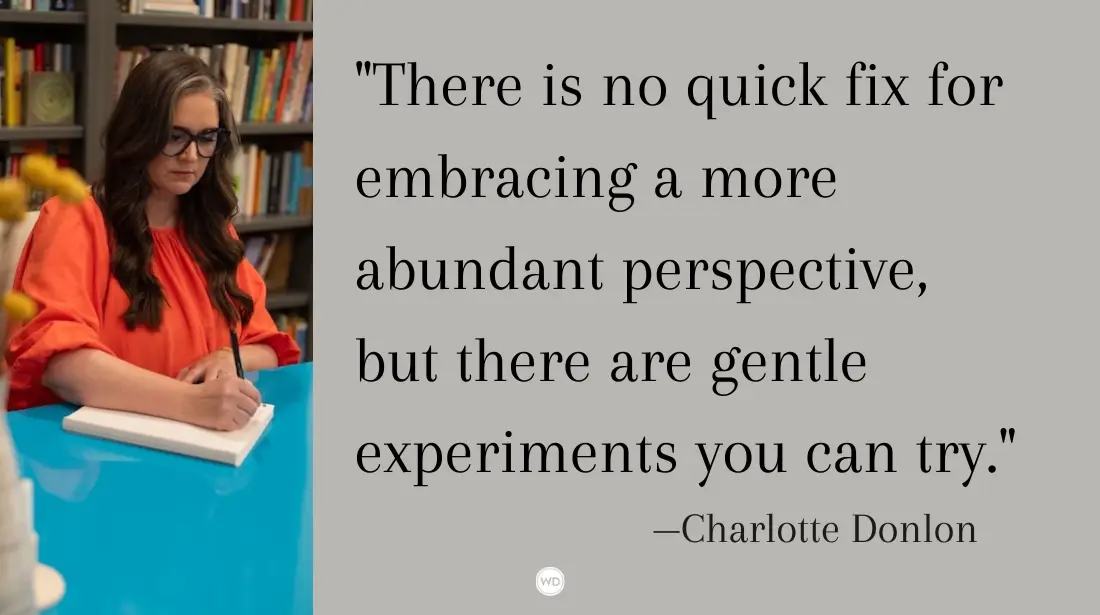
Charlotte Donlon, author of Spiritual Direction for Writers: Everyday Rituals for Sustaining Your Creative Practice, emphasizes that creative malnourishment often stems from unrealistic expectations rather than a lack of talent.
"You don’t need Greece or a competitive residency acceptance to have a restorative writing retreat," Donlon explains. "What you do need is a little time, more intention, and a willingness to believe that your creative work is worthy of your attention. A retreat is any intentional slice of time where you temporarily ignore everyone and everything else so you can tend to what you most want and need."
According to Donlon and fellow literary coaches, the foundational shift occurs when a writer stops viewing a retreat as a geographic vacation and starts viewing it as a disciplined posture.
"When you’re experiencing creative resistance, behind on deadlines, or unsure whether your writing even matters, the idea of planning an elaborate retreat can feel like another test to fail," Donlon notes. "You could have written a thousand words instead of researching retreats and residencies you’ll never attend. Instead, ask yourself: What is the simplest version of a writing retreat you can do this week or two weeks from now?"
Practical Architectures for the Everyday Retreat
For those ready to bypass the residency waitlists and reclaim their creative agency, several localized models have proven exceptionally effective.
1. The Micro-Retreat (20 to 40 Minutes)
Designed for days when schedules are overwhelmingly dense, the micro-retreat acts as a psychological palate cleanser.
- The Transition (2 Minutes): Take six slow, deliberate breaths to signal to the nervous system that a shift is occurring. Read a short poem or prayer aloud.
- The Core Action (10–20 Minutes): Set a physical timer. Spend 10 minutes reading inspiring text, followed immediately by 10 minutes of uninterrupted drafting.
- The Integration (3 Minutes): Sit in absolute silence, allowing the brain to process the transition back to daily life.
2. The Four-Hour Home-Based Modular Retreat
Rather than carving out a contiguous four-hour block—a near-impossibility for many caregivers and professionals—writers can distribute a home retreat across a single Saturday:
- Morning Dawn (Pre-Family Wake-Up): Claim an hour before the household stirs. Sit at the kitchen table by candlelight, read a few pages of verse, and write for 45 minutes.
- Afternoon Isolation: Utilize noise-canceling headphones, instrumental classical playlists, and a designated corner of the bedroom for an hour of deep focus.
- Evening Reflection: Conclude the day with a contemplative neighborhood walk followed by 30 minutes of journaling and notebook review on the couch.
Over time, environmental signifiers—such as a specific "retreat chair," a dedicated mug, or a pre-writing sensory ritual involving scented hand cream or a lit candle—train the brain to enter a deep creative flow state almost instantaneously.
3. Hometown and Public Sanctuaries
Leaving the house without incurring financial debt is entirely possible by leveraging community infrastructure:
- The Public Library: Offering quiet, climate-controlled environments, carrels, and vast literary collections, libraries provide a zero-cost professional writing studio.
- The Automotive Sanctuary: For parents managing carpool lines or commuters caught in transition, the vehicle can be repurposed as a creative haven by arriving 20 minutes early to read, draft, or process narrative arcs.
Future Outlook: Re-Envisioning the Sustainable Literary Life
As the literary community continues to reckon with issues of equity, accessibility, and mental health, the conversation surrounding creative productivity is undergoing a permanent transformation. The old paradigm—which positioned uninterrupted writing time as a rare, aristocratic luxury—is giving way to a more resilient, inclusive philosophy.
Looking forward, the democratization of the writing retreat points toward a healthier relationship with art-making. When writers reject the false dichotomy that separates "real writing" from "real life," they unlock an unprecedented sense of creative abundance. By integrating micro-practices, establishing gentle sensory rituals, and stripping away the guilt associated with small, localized efforts, contemporary authors are proving that art can flourish anywhere there is an intentional mind and a willing hand.
Ultimately, the most profound retreat is not found across an ocean or behind the doors of an elite colony. It is found in the quiet, radical decision to honor one’s own voice within the noisy, beautiful complexity of everyday existence.
Recommended Reading
For those looking to deepen their creative practices through everyday rhythms and spiritual alignment, consider exploring professional resources designed for working artists:
Check out Charlotte Donlon’s Spiritual Direction for Writers:
(Writers Digest utilizes affiliate links for partner recommendations)





Comments
Facebook App ID not configured. Please add it in the Customizer.