
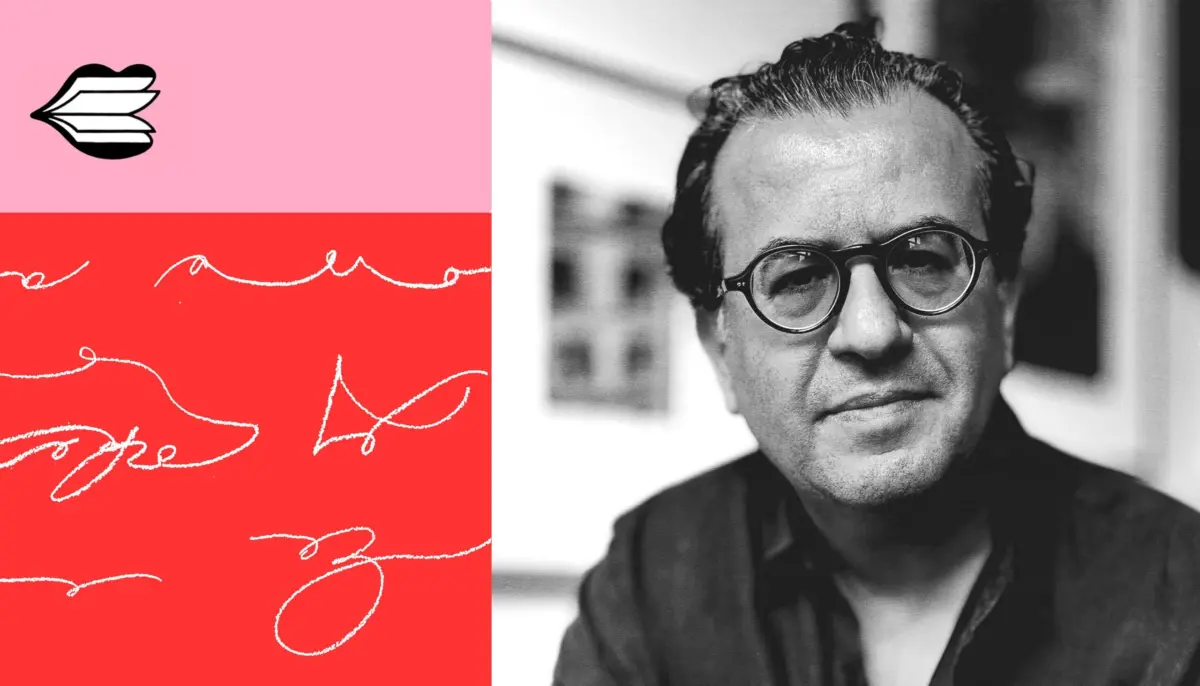
Executive Overview
In an era defined by global displacement, political turmoil, and the restructuring of personal identity across borders, few contemporary writers have captured the precise emotional topography of exile with the elegance and moral clarity of Hisham Matar. The Pulitzer Prize-winning author has unveiled his latest short story, titled "New Shoes," featured prominently in The New Yorker. Accompanying the print and digital release, Matar has recorded an intimate audio performance of the work for the magazine’s flagship literary podcast network, made accessible across major global streaming channels including Apple Podcasts, Spotify, and dedicated literary platforms.
The release of "New Shoes" marks another significant entry in Matar’s expanding body of work. Coming on the heels of major critical triumphs—most notably his novel My Friends, which secured the prestigious National Book Critics Circle (NBCC) Award for Fiction—this latest narrative reinforces Matar’s position at the vanguard of international Anglophone letters. The publication highlights a broader trend within premium publishing: the strategic convergence of high-profile print journalism, author-led spoken-word media, and direct subscriber engagement through curated literary channels.
Through a narrative lens that balances micro-level human observation with macro-level historical resonance, "New Shoes" delves into memory, material culture, and the quiet weight of lived experience. Matar’s personal audio rendition provides readers and listeners with an authentic vocal architecture, allowing the story’s rhythmic precision and contemplative cadences to unfold as intended by the author.
Read Also
Detailed Chronology: The Making of an Exile Canon
To fully understand the significance of Matar’s latest work, one must trace the timeline of his personal trajectory and literary evolution, which remains deeply intertwined with the modern history of North Africa and the contemporary British and American literary landscapes.
+-----------------------------------------------------------------------------------+
|                            HISHAM MATAR: KEY MILESTONES                           |
+-----------------------------------------------------------------------------------+
| 1970         | Born in New York City to Libyan parents; raised in Tripoli/Cairo   |
| 1990         | Father Jaballa Matar, a political dissident, abducted in Cairo     |
| 2006         | Debut novel "In the Country of Men" published; Booker shortlisted |
| 2011         | Second novel "Anatomy of a Disappearance" released                 |
| 2016–2017    | "The Return" published; wins 2017 Pulitzer Prize for Biography    |
| 2019         | "A Month in Siena" published, blending art history and grief       |
| 2024–2025    | Novel "My Friends" released; wins National Book Critics Circle Award|
| late-2026    | Short story "New Shoes" published in The New Yorker with audio release|
+-----------------------------------------------------------------------------------+
Early Life and Political Disruption (1970–1990)
Born in New York City in 1970 to Libyan parents, Matar spent his early childhood in Tripoli before his family was forced into exile due to his father’s opposition to the regime of Muammar Qaddafi. The family resettled in Cairo in 1979. A defining trauma occurred in 1990 when Matar’s father, Jaballa Matar—a prominent political dissident and former diplomat—was kidnapped from his home in Cairo by political agents, transferred to Libya, and imprisoned in Tripoli’s notorious Abu Salim prison. Jaballa Matar subsequently disappeared, an event that became the underlying emotional center of Hisham Matar’s artistic life.
Literary Breakthrough and Early Novels (2006–2011)
Matar moved to London in his late teens to study architecture before turning fully to literature.
- 2006: Matar published his debut novel, In the Country of Men. Written in English, the novel offered a haunting depiction of childhood under totalitarian surveillance in 1970s Tripoli. The book was an immediate critical success, shortlisted for the Man Booker Prize and translated into dozens of languages.
- 2011: He released his second novel, Anatomy of a Disappearance, which addressed the psychological aftermath of a father’s sudden abduction. The book consolidated Matar’s reputation as a master of sparse, deeply felt prose, earning widespread critical acclaim across Europe and North America.
The Non-Fiction Masterpiece and Global Acclaim (2016–2019)
Following the fall of the Qaddafi regime, Matar returned to Libya in 2012 to search for traces of his father, an journey that formed the foundation for his groundbreaking memoir.
- 2016–2017: Matar published The Return: Fathers, Sons and the Land in Between. The book was hailed as a masterpiece of non-fiction, combining investigative research, personal grief, and political commentary. In 2017, The Return was awarded the Pulitzer Prize for Biography or Autobiography, the Rathbones Folio Prize, and the Slightly Foxed Best First Biography Prize.
- 2019: Matar published A Month in Siena, a meditative book exploring the relationship between art, mourning, and solace, focusing on the early Renaissance painters of the Sienese School.
Return to Fiction and Contemporary Honors (2024–Present)
- 2024–2025: Matar returned to long-form fiction with My Friends, a sweeping narrative centering on three Libyan exiles living in London over several decades. The novel explored how political terror reverberates across friendships, intimacy, and geography. My Friends received critical acclaim worldwide, culminating in the 2025 National Book Critics Circle Award for Fiction.
- Current Release: The premiere of "New Shoes" in The New Yorker establishes a new milestone in Matar’s career, showcasing his continued mastery of the short-fiction form alongside his ongoing digital and audio collaborations with top-tier editorial institutions.
Supporting Context & Metrics: Literary Footprint and Audio Media
The distribution of "New Shoes" reflects broader shifts in how major literary works are published, promoted, and consumed. The modern literary landscape increasingly relies on multi-platform engagement where print text, digital archive access, and streaming audio work in tandem to maximize reach and cultural impact.
Global Reach and Critical Performance Metrics
Matar’s body of work spans multiple decades, awards, and media formats, demonstrating a rare combination of critical authority and broad commercial appeal.
+-----------------------------------------------------------------------------------+
|                         MATAR LITERARY IMPACT METRICS                            |
+-----------------------------------------------------------------------------------+
| Languages Translated        | 30+ languages worldwide                             |
| Major International Awards  | Pulitzer Prize, NBCC Award, Folio Prize, PEN/Ackerley|
| Major Shortlists            | Booker Prize, National Book Award, Orwell Prize      |
| Audio Distribution Platforms| Apple Podcasts, Spotify, Pod.link, Native Publisher App|
| Core Canonical Themes       | Exile, Paternal Loss, Political Terror, Art History |
+-----------------------------------------------------------------------------------+
The Power of Audio in Contemporary Fiction
The integration of author-read stories via podcasts like The New Yorker’s The Writer’s Voice represents a key metric of engagement in contemporary publishing.
- Intimate Cadence: Hearing an author read their own work eliminates interpretive distance, providing listeners with direct access to intended pauses, inflections, and emotional nuances.
- Accessibility: The syndication of audio stories across platforms like Spotify and Apple Podcasts expands the audience beyond traditional print subscribers, capturing demographic cohorts that favor audio-first literary consumption.
- Archival Longevity: Audio recordings create a permanent, primary-source oral archive of living authors performing their canon, enhancing academic and historical value.
In "New Shoes," Matar’s measured delivery accentuates the quiet tension that defines his writing. His prose often relies on restraint—what is left unsaid is as critical as the narrative explicitly on the page. The audio format acts as an essential extension of the text, emphasizing the story’s rhythmic, contemplative qualities.
Official Statements & Critical Perspectives
The arrival of "New Shoes" and Matar’s recent literary accolades have drawn responses from literary editors, critics, and the author himself regarding the creative process and the ongoing resonance of narrative art in times of global displacement.
Editorial and Critical Commentary
Literary commentators have long noted Matar’s ability to distill complex geopolitical reality into deeply personal human moments. Reflecting on Matar’s prose style and thematic core, critics have frequently emphasized his artistic precision.
"Hisham Matar writes with a clarity that feels almost architectural. Every sentence is weighed for balance, tone, and emotional truth. His work demonstrates how political exile is not merely a geographic state, but a fundamental alterations of how an individual inhabits memory, domestic space, and time itself."
— Literary Review Analysis
In reviews celebrating his NBCC-winning novel My Friends and his shorter pieces in The New Yorker, editors have highlighted Matar’s distinct approach to character development—where friendship, shared grief, and artistic contemplation serve as shields against political tyranny.
The Author’s Perspective
While Matar maintains a focused approach to his craft, his past commentary on storytelling, memory, and exile provides essential context for his latest narrative endeavors. Speaking on the role of fiction in processing historical trauma, Matar has previously reflected:
"Literature is not merely a record of what happened; it is an investigation into how events feel within the human soul. Fiction allows us to inhabit the spaces that official histories ignore—the quiet rooms, the private doubts, the unexpected moments of beauty that survive even in the harshest conditions."
In discussing the process of writing fiction following his major non-fiction work The Return, Matar has noted that returning to fictional narratives grants a different form of freedom:
"In non-fiction, one is constrained by the strict boundaries of documented truth and personal memory. In fiction, paradoxically, by inventing characters and scenarios, one can often arrive at a deeper, more universal emotional truth about loss, longing, and belonging."
Future Outlook: The Evolving Landscape of World Literature
The publication of "New Shoes" highlights important trajectory trends within contemporary Anglophone literature and the global literary canon. As authors from the North African and Middle Eastern diasporas continue to shape modern fiction, Matar stands as a foundational figure whose work bridges distinct cultural and formal traditions.
Trends in Diaspora and Exile Narratives
- Shift from Trauma to Architecture of Memory: Contemporary global literature is increasingly moving beyond simple accounts of political escape toward sophisticated explorations of dual identities, art history, friendship, and psychological survival over several decades.
- Cross-Disciplinary Storytelling: Matar’s work frequently incorporates fine art, classical music, architecture, and political history, setting a template for modern fiction that merges narrative prose with essayistic reflection.
- Digital and Multi-Format Archiving: Literary institutions like The New Yorker are establishing standard practices where high-level literature is launched simultaneously across print, digital, and high-fidelity audio platforms. This multi-channel approach ensures that short fiction maintains cultural prominence in a fast-moving media landscape.
Matar’s Position in Contemporary Letters
As a professor at Baruch College and Columbia University, Matar continues to influence a new generation of writers, scholars, and critics. His ongoing work—spanning award-winning memoirs, sweeping multi-generational novels, and sharp short fiction like "New Shoes"—ensures that his examination of freedom, loss, and human connection remains central to the global literary dialogue.
With "New Shoes," readers and listeners are offered another compelling example of an artist operating at the height of his creative powers—using the power of the written and spoken word to illuminate the quiet, profound moments that define human life amidst the tides of history.





Comments
Facebook App ID not configured. Please add it in the Customizer.