
Executive Overview
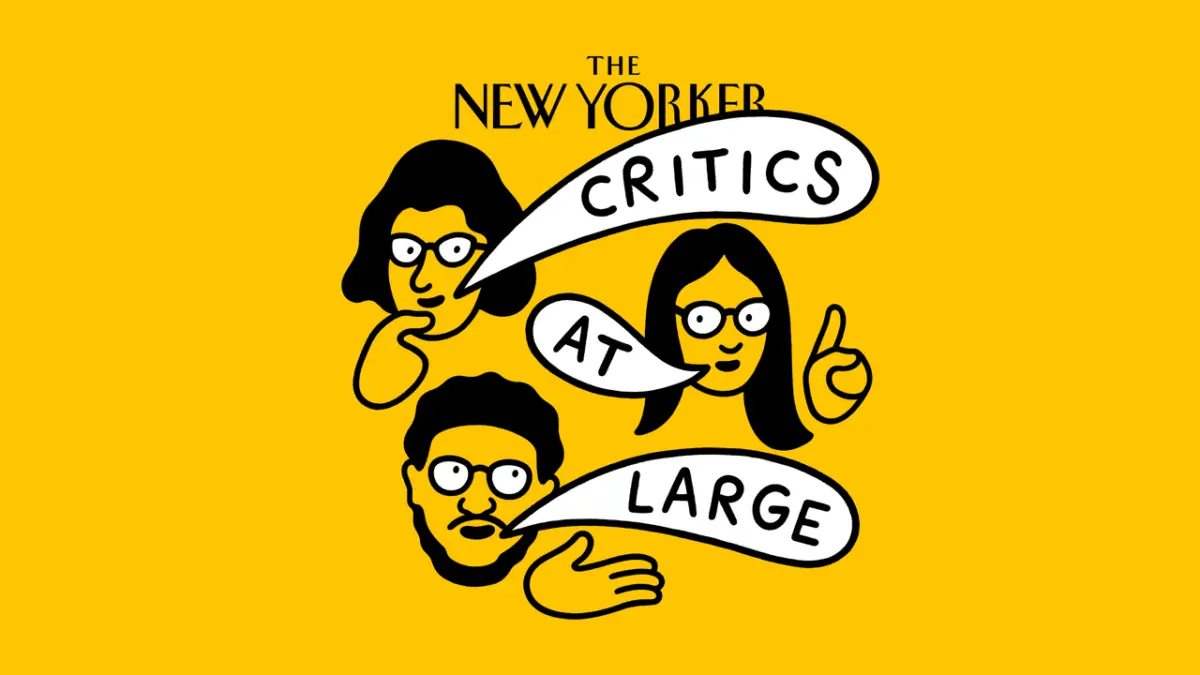
As millions of students and educators return to classrooms nationwide, the complex interplay between teaching, mentorship, and intellectual excitement has re-emerged at the center of cultural discourse. In a comprehensive back-to-school broadcast of The New Yorker’s podcast Critics at Large, cultural critics Vinson Cunningham, Naomi Fry, and Alexandra Schwartz undertook an in-depth examination of the pedagogical craft. Moving beyond traditional administrative debates, the critics explored teaching as a form of high-stakes performance art—one that requires educators to venture "out on the ledge" to model intellectual vulnerability and enthusiasm for an increasingly disaffected student body.
The discussion was framed around direct inquiries from practicing educators and graduate scholars grappling with systemic classroom challenges: navigating pervasive teenage apathy, finding realistic media representations of the teaching profession, and overcoming deep-seated skepticism toward poetry and the humanities. By analyzing a wide array of cultural texts—spanning classical epics, modern cinema, pragmatic philosophy, and contemporary verse—the critics articulated a defense of humanistic inquiry. Their analysis suggests that confronting student alienation requires moving away from rigid instructional paradigms toward raw, expressive, and unvarnished engagement with literature and cinema.
Detailed Chronology: Anatomy of a Cultural Intervention
The session unfolded as a structured triage of pedagogical and artistic queries, divided into three distinct thematic interventions driven by listener inquiries.
Read Also
+-----------------------------------------------------------------------------------+
|                        PODCAST EPISODE STRUCTURE & CANON                           |
+-----------------------------------------------------------------------------------+
|  QUERY 1: Combating Teenage Apathy                                                |
|  ├── Bret Easton Ellis, *Less Than Zero*                                         |
|  ├── Miriam Toews, *A Complicated Kindness*                                       |
|  ├── Richard Wright, *Black Boy*                                                  |
|  ├── F. Scott Fitzgerald, *The Great Gatsby*                                      |
|  └── Homer, *The Odyssey*                                                         |
+-----------------------------------------------------------------------------------+
|  QUERY 2: Depicting the Realities of the Teaching Profession                       |
|  ├── Alexander Payne, *The Holdovers* (2023)                                      |
|  ├── Laurent Cantet, *The Class* (*Entre les murs*, 2008)                         |
|  ├── Peter Weir, *Dead Poets Society* (1989)                                      |
|  ├── Matt Groening, *The Simpsons* (Edna Krabappel / Mr. Bergstrom)               |
|  ├── Darren Aronofsky, *Black Swan* (2010) [Mentorship Allegory]                 |
|  ├── John Dewey, *Democracy and Education*                                       |
|  └── Merve Emre, "Are You My Mother?" (*The New Yorker*)                          |
+-----------------------------------------------------------------------------------+
|  QUERY 3: Evangelizing Poetry to Skeptics                                         |
|  ├── Langston Hughes, "Theme for English B"                                       |
|  ├── Sharon Olds, *Odes*                                                          |
|  ├── Louise Glück, "The Red Poppy"                                                |
|  └── Ariana Reines, "Llull"                                                       |
+-----------------------------------------------------------------------------------+
Segment 1: Confronting High School Apathy Through Uncompromising Texts
The initial inquiry came from a secondary school educator seeking literary works capable of penetrating the defensive apathy of modern high school students. The host panel rejected sanitizing or overly didactic instructional texts, advocating instead for literature that directly engages existential drift, alienation, and moral complexity.
- Contemporary Nihilism and Youth Alienation: The critics highlighted Bret Easton Ellis’s Less Than Zero and Miriam Toews’s A Complicated Kindness. These works reflect the flat, numbed affect that often characterizes adolescent coping mechanisms, offering students a mirror to their own detachment rather than a lecture on morality.
- Structural Resistance and Identity: Richard Wright’s Black Boy was offered as a counterweight—a visceral depiction of intellectual awakening achieved despite systemic oppression and enforced ignorance.
- Deconstructing Canonized Myths: Rather than presenting F. Scott Fitzgerald’s The Great Gatsby or Homer’s The Odyssey as dusty obligation texts, the panel argued for framing them as visceral studies of obsession, exile, reinvention, and delusion.
Segment 2: Cinematic and Literary Realism in the Depiction of Educators
The second caller, a seasoned classroom teacher, requested recommendations for media that accurately reflect the emotional labor, systemic frustration, and occasional quiet triumphs of a career in education. The hosts contrasted romanticized Hollywood narratives with grounded, unflinching portrayals of school dynamics.
- The Nuanced Institution: Alexander Payne’s The Holdovers (2023) and Laurent Cantet’s The Class (Entre les murs, 2008) were cited as benchmarks of educational realism. The Class, in particular, captures the claustrophobic, improvisational nature of classroom management and the fragile boundaries between teacher authority and student autonomy.
- Subverting the Idealized Mentor: While acknowledging the historical cultural footprint of Peter Weir’s Dead Poets Society (1989), the hosts subjected its messianic view of teaching to critical scrutiny. They balanced it against the pragmatic disillusionment depicted in long-running media like The Simpsons—specifically through the weary, labor-conscious realism of character Edna Krabappel alongside the transformative transience of substitute teacher Mr. Bergstrom.
- The Pedagogy of Discipline and Allegory: The panel broadened the definition of educational cinema by discussing Darren Aronofsky’s Black Swan (2010) as an extreme allegory for artistic mentorship, obsession, and the psychological costs of perfectionism.
- Theoretical Foundations: John Dewey’s seminal Democracy and Education and Merve Emre’s critical essay "Are You My Mother?" were cited as essential reading for understanding how educational philosophy intersects with maternal labor, institutional authority, and democratic participation.
Segment 3: Converting the Skeptic—Poetry as a Direct Encounter
The final inquiry, posed by a humanities graduate student, sought poetic works potent enough to dismantle cynicism among students who view verse as an opaque or obsolete art form.
- Narrative and Conversational Voice: Langston Hughes’s "Theme for English B" was identified as an ideal entry point. Hughes directly addresses the transactional dynamic between instructor and student, raising fundamental questions about race, authenticity, and shared space.
- Visceral Immediacy and Modern Form: To counter the misconception that poetry is emotionally sanitized, the hosts recommended Sharon Olds’s Odes for its bodily, unapologetic candor; Louise Glück’s "The Red Poppy" for its vivid, existential voice; and Ariana Reines’s "Llull" for its structural subversion and contemporary urgency.
Supporting Context & Metrics: The Crisis of Engagement
The recommendations articulated by Cunningham, Fry, and Schwartz address a documented decline in student engagement and humanities participation across American educational institutions.
Recent educational assessment metrics underscore the urgent context surrounding the podcast’s focus on classroom apathy:
NATIONAL HUMANITIES & ENGAGEMENT TRENDS (2012–2024)
─────────────────────────────────────────────────────────────────────────────────
Metric / Indicator                     Historical Baseline    Recent Measurement
─────────────────────────────────────────────────────────────────────────────────
NAEP 8th Grade Reading Proficiency      34% Proficient (2017)  31% Proficient (2022)
High School Chronic Absenteeism        15% (2018–2019)        26% (2022–2023)
Bachelor's Degrees Awarded in English  53,800 (2012)          36,200 (2022)
Time Spent Reading for Pleasure (Teens) 17 min/day (2010)      9 min/day (2023)
─────────────────────────────────────────────────────────────────────────────────
Sources: National Center for Education Statistics (NCES), Bureau of Labor Statistics (ATUS).
The Shift from Transactional to Performative Pedagogy
The statistics reflect a broader cultural shift. As digital saturation reduces attention spans and increases skepticism toward traditional authority, conventional instruction often fails to hold student interest.
           TRADITIONAL PEDAGOGY                       PERFORMATIVE PEDAGOGY
     +------------------------------+            +------------------------------+
     | - Rote Information Transfer  |            | - Modeling Intellectual Risk |
     | - Top-Down Authority         |            | - Vulnerability & Passion    |
     | - Canonical Obligation       |  VS.       | - Direct Textual Mirroring   |
     | - Transactional Evaluation   |            | - Dialogic & Relational      |
     +------------------------------+            +------------------------------+
As the panel observed, when canonical texts are presented merely as cultural obligations, student resistance increases. Re-engaging disaffected youth requires educators to reframe these works as volatile, living documents that speak to real-world anxieties.
Official Statements & Critical Reflections
Central to the discussion was the conceptualization of the teacher as a performer who must break through the ambient cynicism of modern life.
In a key moment of the broadcast, host Vinson Cunningham articulated the emotional labor required of contemporary educators:
"Teaching is so much a kind of performance. You have to be the one out on the ledge . . . to establish a new frontier of, ‘You are allowed to be excited about this.’"
— Vinson Cunningham, The New Yorker
Cunningham’s observation highlights a central paradox in modern education: in a culture where enthusiasm is often met with ironic detachment, expressing genuine passion for an idea or text becomes a radical act. The teacher must risk looking uncool or overly invested to grant students permission to care.
       [ Modern Cultural Cynicism / Peer Pressure ]
                          │
                          ▼
            [ Student Defensive Apathy ]
                          │
                          ▼
       [ Teacher Steps "Out on the Ledge" ]
     (Models Vulnerability & Passionate Engagement)
                          │
                          ▼
     [ Permission Granted to Student to Care ]
Building on this premise, Alexandra Schwartz and Naomi Fry emphasized that effective teaching avoids both dry institutional distance and overly sentimental hero-worship. Reframing works like Homer’s Odyssey or John Dewey’s educational treatises allows educators to ground their instruction in authentic human experience, bridging the gap between historical texts and contemporary student realities.
Future Outlook: Reclaiming the Humanities in the Classroom
The insights shared in Critics at Large point to a broader movement to revitalize the humanities in an era dominated by technological distraction and transactional views of education. As schools continue to struggle with post-pandemic learning challenges and declining student engagement, the panel’s analysis offers a practical path forward for pedagogical practice.
Key Takeaways for Educators and Critics
- Dismantle Canonical Preciousness: Texts like The Great Gatsby or classical epics should not be presented as monuments to be worshipped, but as complicated, flawed, and urgent investigations into human behavior.
- Embrace Emotional Realism: Utilizing raw, contemporary, or existential works (Less Than Zero, modern poetry) validates student skepticism while offering constructive avenues for artistic expression.
- Acknowledge Pedagogy as Performative Art: Recognizing that teaching requires presence, energy, and calculated emotional risk allows institutions to better support the real human effort required for effective instruction.
- Elevate the Status of Poetry: Introducing poetry through conversational, identity-focused, and visceral works removes structural barriers, demonstrating that the medium remains an accessible and effective tool for personal reflection.
Ultimately, the critics demonstrate that reversing student apathy requires more than updated curricula or technological interventions. It demands that educators continue stepping out onto the ledge of intellectual enthusiasm—using literature, cinema, and art to show students that critical thought and passion remain vital, transformative human endeavors.




Comments
Facebook App ID not configured. Please add it in the Customizer.