
Executive Overview: The Speculative Fiction Landscape of Autumn 2026
The speculative fiction market in late September 2026 reveals a fascinating intersection of industry-shifting trends: the unstoppable momentum of "Romantasy" (romantic fantasy), the mainstream consolidation of LitRPG and Progression Fantasy, and the enduring power of veteran literary fabulists.
This week’s bestseller charts, compiled across major national and international outlets—including The New York Times, The Los Angeles Times, USA Today, Publishers Weekly, and regional Amazon trackers—highlight a industry in transition. Independent-to-traditional publishing crossovers are no longer anomalies; they are driving the market’s highest volumes.
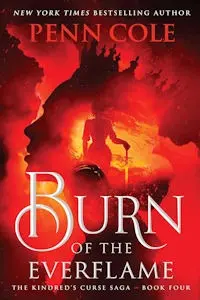
At the vanguard of this shift is Penn Cole, whose highly anticipated novel Burn of the Everflame (published by Atria Books) secured a triple-crown debut. The fourth installment of the Kindred’s Curse Saga claimed the #1 spot on three premier print lists, cementing Cole’s transition from self-published phenomenon to traditional publishing powerhouse.
Read Also
Concurrently, literary heavyweight R.F. Kuang continues to command the charts with her associational novel Taipei Story, while Alice Hoffman’s The Witches of Cambridge and Aiden Thomas’s Cemetery Boys: Espíritu showcase the diverse thematic appeal of modern speculative fiction.
Yet, perhaps the most striking story of the season is the unprecedented footprint of Matt Dinniman’s Dungeon Crawler Carl franchise. With multiple titles charting simultaneously across hardcover, paperback, and graphic novel formats, Dinniman’s performance illustrates how progression fantasy has evolved from a niche digital subgenre into a major commercial pillar of physical bookselling.
Detailed Chronology: Debuts and Disruptors
The tracking week ending September 21, 2026, was marked by high-profile arrivals and shifting dynamics among established bestsellers. Below, we break down the key movements that defined the charts.
Speculative Fiction Debuts: Week of Sept 21, 2026
┌─────────────────────────────────────────────────────────────┐
│ Penn Cole - Burn of the Everflame                           │
│ █ 1st (NYT Hardcover Fiction)                               │
│ █ 1st (USA Today Overall)                                   │
│ █ 1st (Publishers Weekly)                                   │
├─────────────────────────────────────────────────────────────┤
│ R.F. Kuang - Taipei Story                                   │
│ █ 3rd (NYT) | █ 9th (LAT) | █ 7th (USAT) | █ 5th (PW)        │
├─────────────────────────────────────────────────────────────┤
│ Alice Hoffman - The Witches of Cambridge                    │
│ █ 7th (NYT) | █ 16th (USAT) | █ 8th (PW)                    │
├─────────────────────────────────────────────────────────────┤
│ Aiden Thomas - Cemetery Boys: Espíritu                      │
│ █ 2nd (NYT) | █ 84th (USAT) | █ 18th (PW)                   │
└─────────────────────────────────────────────────────────────┘
The Reign of the Everflame: Penn Cole’s Atria Debut
Penn Cole’s Burn of the Everflame represents a major success story for Atria Books. The Kindred’s Curse Saga originally built its massive, highly dedicated readership through self-publishing channels and online book communities (particularly TikTok’s "BookTok" ecosystem). Recognizing the series’ explosive trajectory, Atria acquired the physical publishing rights, culminating in this week’s massive release.
By debuting at #1 on the New York Times Hardcover Fiction list, the USA Today overall list, and the Publishers Weekly chart, Cole has achieved a rare trifecta. This performance underscores a broader industry reality: readerships cultivated in the digital indie space are highly loyal and more than willing to migrate to physical retail when backed by major traditional distribution.
Kuang, Hoffman, and Thomas: Literary Might and YA Legacies
While Cole dominated the top spots, other debuts demonstrated significant market strength:
- R.F. Kuang’s Taipei Story (Harper Voyager): Positioned as an associational novel rather than a strict work of genre fantasy, Taipei Story nevertheless captured Kuang’s massive speculative fiction fanbase. Debuting at #3 on the New York Times list, #9 on the Los Angeles Times list, #7 on USA Today, and #5 on Publishers Weekly, Kuang proves once again that her name alone is a powerful brand across both literary and genre fiction.
- Alice Hoffman’s The Witches of Cambridge (Scribner): Hoffman returns to her signature blend of practical magic and emotional realism. The novel debuted at #7 on the New York Times list, #8 on Publishers Weekly, and #16 on the highly competitive USA Today list, indicating sustained consumer appetite for cozy, atmospheric witchcraft narratives as the autumn reading season begins.
- Aiden Thomas’s Cemetery Boys: Espíritu (Feiwel & Friends): This highly anticipated sequel to the groundbreaking YA fantasy Cemetery Boys made a strong showing, entering the New York Times list at #2, Publishers Weekly at #18, and USA Today at #84. Thomas’s success highlights the enduring demand for diverse, queer-inclusive mythologies in the young adult sector.
Sophomore Slumps and Veteran Mid-List Movements
Beyond the debuts, several high-profile titles from the previous week experienced typical second-week declines, though they remain strong overall:
- Elizabeth Gillig’s The Knave and the Moon (Orbit): After a stellar debut, Gillig’s gothic fantasy slid to #5 on the New York Times list (down 4 spots), #8 on USA Today (down 7 spots), and #4 on Publishers Weekly (down 3 spots). Despite the drop, these numbers represent excellent retention for a sophomore week.
- Brandon Sanderson and James Patterson’s Blightfall (Tor Books): This high-concept collaborative powerhouse fell to #7 on the New York Times list in its second week, showing a five-spot drop, and slipped off the Publishers Weekly top tier. Collaborative works often see front-loaded sales driven by overlapping fanbases, making their long-term retail tail a key metric to watch in the coming weeks.
- Alix E. Harrow’s Yesteryear (Crown): Now in its 23rd week on the charts, Harrow’s historical speculative novel continues to show remarkable international durability. While it fell to #10 on the New York Times list (-6) and #6 on the Los Angeles Times list (-4), it gained ground in the UK market, rising to #21 on Amazon UK (+3), proving its cross-continental appeal.
The Dinniman Hegemony: A LitRPG Case Study
To analyze the autumn 2026 charts without focusing on Matt Dinniman would be to miss the most significant structural trend in modern speculative fiction publishing. Dinniman’s Dungeon Crawler Carl series—originally self-published as a web-serial and subsequently picked up in print by Ace Books (an imprint of Penguin Random House)—displays an unprecedented level of market saturation.

During the week of September 21, 2026, Dinniman had no fewer than eight different titles or formats active on the surveyed charts:
Matt Dinniman's Multi-Format Chart Presence
┌─────────────────────────────────────────────────────────────┐
│ Hardcover Editions                                          │
│ ├─ A Parade of Horribles (Week 22) ────────────────── PW #16 │
│ ├─ Carl's Doomsday Scenario (Week 37) ───────────── USAT #36 │
│ ├─ Dungeon Crawler Carl (Week 58) ───────────────── Amz #81 │
│ ├─ The Butcher's Masquerade (Week 33) ──────────── USAT #65 │
│ ├─ The Dungeon Anarchist's Cookbook (Week 33) ───── NYT #13 │
│ ├─ The Eye of the Bedlam Bride (Week 31) ────────── USAT #72 │
│ ├─ The Gate of the Feral Gods (Week 35) ──────────── NYT #15 │
│ └─ This Inevitable Ruin (Week 28) ─────────────────── PW #15 │
├─────────────────────────────────────────────────────────────┤
│ Paperback & Graphic Novel Editions                          │
│ ├─ Dungeon Crawler Carl [tpb] ─────────────────────── NYT #2 │
│ ├─ Carl's Doomsday Scenario [tpb] ─────────────────── NYT #8 │
│ └─ Dungeon Crawler Carl, Vol. 1 (Graphic Novel) ── USAT #113 │
└─────────────────────────────────────────────────────────────┘
This multi-pronged chart presence demonstrates several key market realities:
- The "Grateful Dead" Effect of Progression Fantasy: Progression fantasy and LitRPG readers do not merely buy the latest release; they consume entire backlists. The simultaneous charting of volumes 1 through 6 in hardcover indicates a constant influx of new readers buying the physical editions in bulk.
- Format Agnosticism: Dinniman’s readers are purchasing premium hardcovers for their shelves, trade paperbacks for reading on the go, and graphic novels to experience the story in a visual medium. The trade paperback of Dungeon Crawler Carl held the #2 spot on the New York Times paperback list in its 37th week, while the hardcover edition of the same title remained on the Amazon US chart at #81 in its 58th week.
- Global Appeal: The series’ performance on Amazon Canada (e.g., The Dungeon Anarchist’s Cookbook at #23, up 7 spots; The Gate of the Feral Gods at #35, up 27 spots) shows that this digital-first fandom has global reach, unhindered by traditional regional marketing cycles.
Supporting Context & Metrics: Decoding the Data
Understanding these charts requires a closer look at the methodology and structural differences of the surveyed lists.
Methodology and Formatting Discrepancies
Bestseller lists are not created equal, and their reporting parameters can obscure or amplify certain trends:
- The USA Today Unified List: Unlike the New York Times or Publishers Weekly, which separate books by format (hardcover vs. paperback) and genre (fiction vs. nonfiction), USA Today compiles a single, format-agnostic top 150 list. This explains why books like Ray Bradbury’s classic Fahrenheit 451 can appear at #55, alongside Penn Cole’s Burn of the Everflame at #1. It provides the truest reflection of raw unit sales across all formats.
- The New York Times Print Lag: The New York Times list published on September 27 reflects sales data compiled from the week ending September 20. This one-week advance posting can create minor chronological discrepancies when compared directly to real-time Amazon charts or weekly Publishers Weekly data.
- The Exclusion of Young Adult (YA) Titles: Some legacy lists exclude YA or graphic novel titles from their primary fiction rankings, relegating them to specialized charts. This explains why a massive seller like Aiden Thomas’s Cemetery Boys: Espíritu may rank incredibly high on USA Today (#84 overall) and the New York Times YA chart, but not appear on standard adult fiction lists.
The Longevity of Speculative Backlists
A defining characteristic of the speculative fiction market is the long tail of its backlist titles. Speculative fiction readers are uniquely driven by community recommendations, leading to decades of steady sales:
- Ray Bradbury’s Fahrenheit 451: In its 506th week on the charts, the dystopian classic climbed to #55 on the USA Today list, driven by school curriculums and enduring cultural relevance.
- Sarah J. Maas’s A Court of Thorns and Roses: The trade paperback edition of Maas’s modern fantasy classic marked its 284th week on the chart, holding #13 on the New York Times paperback list. The box set of the same series also charted at #76 on Amazon Canada in its 158th week.
- Madeline Miller’s Circe: In its 106th week, Miller’s mythological reimagining saw a significant resurgence, jumping to #5 on the Los Angeles Times paperback list and reappearing on the Amazon US (#76) and Amazon Canada (#95) charts.
Market Interpretations: The Traditional vs. Indie Convergence
The data from late September 2026 paints a clear picture of a changing publishing landscape. The line between independent publishing and traditional publishing has largely dissolved, replaced by a hybrid ecosystem where success in one sector fuels the other.
The Modern Publishing Pipeline (2026)
┌─────────────────────────────────────────────────────────┐
│                       PHASE I                           │
│  Author launches on Web-Novel / Indie Platforms         │
│  (e.g., Royal Road, Kindle Unlimited, Patreon)          │
└──────────────────────────┬──────────────────────────────┘
                           │ (Builds rabid, loyal core)
                           ▼
┌─────────────────────────────────────────────────────────┐
│                       PHASE II                          │
│  Traditional Publishers Acquire Print Rights            │
│  (e.g., Atria signs Penn Cole, Ace signs Matt Dinniman) │
└──────────────────────────┬──────────────────────────────┘
                           │ (Expands distribution to retail)
                           ▼
┌─────────────────────────────────────────────────────────┐
│                      PHASE III                          │
│  Multi-Format Domination on Major Bestseller Lists     │
│  (Hardcovers, Paperbacks, Audiobooks, Graphic Novels)   │
└─────────────────────────────────────────────────────────┘
Traditionally, publishers viewed self-published books as competition or lower-quality products. Today, major imprints use platforms like Kindle Unlimited, Royal Road, and Patreon as testing grounds. By the time a publisher signs an author like Penn Cole or Matt Dinniman, the financial risk is minimized; the audience is already built, the marketing channels are established, and the demand for physical keepsake editions is guaranteed.
Furthermore, the longevity of authors like Rebecca Yarros (Onyx Storm at #60 on Amazon UK in its 126th week; Threshing Day holding the #1 spot on Amazon US in its 21st week) demonstrates that "Romantasy" is not a passing fad. It has become a core driver of physical bookstore foot traffic, matching or exceeding the sales velocity of traditional thriller and mystery giants.
Future Outlook: Navigating the Q4 Publishing Horizon
As the industry heads into the final quarter of 2026, the trends observed in September will likely intensify. The upcoming holiday season will be a battleground between high-concept literary collaborations, premium collector’s editions, and the continued rollout of blockbuster fantasy series.
Several key factors will shape the market in the coming months:
- The Premiumization of Physical Books: The chart success of special editions, such as Pierce Brown’s Red Rising (Deluxe Slipcase Edition) charting at #52 on USA Today in its 47th week, indicates that collectors are willing to pay premium prices for high-quality physical books. Publishers will likely increase production of sprayed edges, foil-stamped hardcovers, and slipcased editions for the holiday gift-giving season.
- The Hunger Games Effect: Suzanne Collins’s Sunrise on the Reaping trade paperback jumped to #1 on the Publishers Weekly paperback chart and saw a massive re-entry on Amazon US (#55) and Amazon UK (#39, up 39 spots) in its 6th week. With a film adaptation on the horizon, Collins’s prequel is poised to dominate the YA and crossover markets through the end of the year.
- The Convergence of Genres: The success of R.F. Kuang’s Taipei Story suggests that readers are increasingly open to genre-bending works from their favorite speculative authors. Publishers will likely continue to encourage their top fantasy and sci-fi talent to write crossover literary fiction.
Ultimately, the speculative fiction market in autumn 2026 is healthier, more diverse, and more dynamic than ever. Driven by passionate online communities, a thriving hybrid publishing model, and a reader base that voraciously consumes backlists, the genre continues to redefine what it means to be a bestseller in the modern era.


Comments
Facebook App ID not configured. Please add it in the Customizer.