
Executive Overview
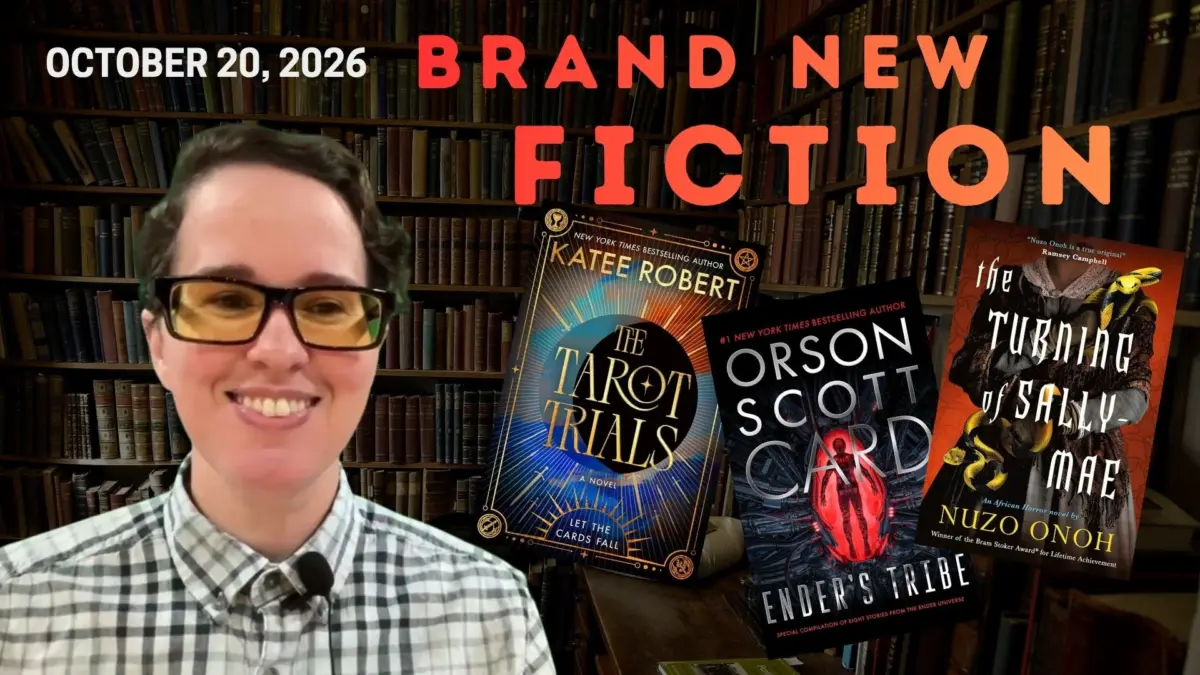
On October 20, 2026, Locus Magazine—long regarded as the essential trade publication and historical record for the speculative fiction industry—published its latest weekly release digest, highlighting a curated suite of new titles across Science Fiction, Fantasy, Horror, and Young Adult (YA) literature. Accompanied by a dedicated video production broadcast across its digital network, the release marks another operational milestone in the publication’s transition toward integrated, multi-platform literary journalism.
The mid-October release cycle underscores a critical moment for the speculative fiction ecosystem. As traditional publishing pathways face unprecedented disruption from direct-to-consumer digital channels, shifting algorithmic distribution, and fluctuating consumer spending, institutions like Locus serve a dual purpose. They act both as primary curators for consumer reading lists (the "To Be Read" or TBR backlog) and as vital economic indicators for independent, small-press, and major-imprint publishers alike.
Simultaneously, the announcement renews attention on the financial realities underpinning non-profit arts and literary coverage. Alongside the unveiling of its weekly prospective reading catalog, Locus issued a direct appeal to its global readership, emphasizing its dependence on public donations and subscriber support to sustain its extensive review pipeline, news reporting, and historical archiving. This dual-focused dispatch—combining consumer discovery with institutional fundraising—reflects broader structural shifts within cultural journalism, where independent coverage must continually justify its value proposition in an increasingly automated and fragmented media environment.
Read Also
Detailed Chronology
The rollout of Locus Magazine’s October 20, 2026 media release followed a meticulously structured multi-phase deployment, representative of the publication’s modernized digital dissemination strategy.
+-----------------------------------------------------------------------------------+
|                        OCTOBER 20, 2026 ROLLOUT TIMELINE                          |
+-----------------------------------------------------------------------------------+
| 08:00 UTC | Data Ingestion & Metadata Synchronization                             |
|           | Editorial team finalizes cross-genre catalog indexing.                |
+-----------------------------------------------------------------------------------+
| 12:00 UTC | Digital Video Asset Production & Embedding                             |
|           | Production unit renders video asset (ID: q4uDX5dmGFM) to web portal.  |
+-----------------------------------------------------------------------------------+
| 14:00 UTC | Multi-Channel Public Broadcast                                        |
|           | Simultaneous release across LocusMag.com, YouTube, and syndicates.   |
+-----------------------------------------------------------------------------------+
| 16:00 UTC | Reader Engagement & Support Activation                                |
|           | Launch of non-profit fundraising outreach and subscription drive.     |
+-----------------------------------------------------------------------------------+
Phase 1: Data Ingestion and Metadata Curation (Pre-Release)
Prior to the public dispatch on October 20, Locus’s editorial team completed its weekly cycle of bibliographic indexing. This phase requires analyzing hundreds of prospective release notices, publisher advance review copies (ARCs), and distributor metadata feeds across four core categories: Science Fiction, Fantasy, Horror, and Young Adult fiction. Works from legacy imprints (such as Tor Books, Orbit, and Del Rey) are cross-referenced with emerging indie and micro-press releases to construct an unbiased, comprehensive catalog of the week’s notable titles.
Phase 2: Visual and Audio Production Deployments
With the textual metadata structured, the media production unit finalized the accompanying audio-visual package (hosted via primary video streaming infrastructures under identifier q4uDX5dmGFM). The production integrates visual cover displays, thematic summaries, and contextual genre classifications designed for rapid consumer digestion. This multimedia format addresses the evolving habits of contemporary readers who increasingly consume book recommendations via video-first platforms.
Phase 3: Public Transmission and Portal Integration
At the mid-day publication window on October 20, 2026, the compiled digest and embedded video feature were formally deployed across the Locus web ecosystem. The update was systematically distributed across syndication feeds, newsletter networks, and secondary social media channels, driving audience traffic back to the primary web portal (locusmag.com).
Phase 4: Reader Activation and Sustained Development Appeals
Concurrently with the content delivery, Locus activated its ongoing reader support protocol. Operating under a hybrid model that heavily relies on philanthropic giving, the organization embedded direct funding mechanisms into the release structure. This step highlighted the direct correlation between consumer media consumption and the financial solvency required to maintain independent journalistic oversight in speculative publishing.
Supporting Context & Metrics
To fully understand the significance of Locus’s October 20, 2026 release dispatch, the announcement must be contextualized within contemporary publishing economics, audience metrics, and genre-specific market trends.
Market Dynamics in Speculative Fiction (Q4 2026)
The fourth quarter of 2026 reflects dynamic shifts in reader interest and purchasing behaviors across speculative subgenres:
- Science Fiction: Focus has increasingly pivoted toward near-future climate fiction ("cli-fi"), orbital infrastructure thrillers, and deep-space procedural narratives. Sales data indicates steady growth in hard science fiction that addresses artificial intelligence and post-human ethics.
- Fantasy: The genre continues to experience strong commercial momentum driven by subgenres such as cozy fantasy, epic romantic fantasy ("romantasy"), and mythic retellings rooted in non-Western folklore.
- Horror: Experiencing an unprecedented resurgence, horror print and digital sales have surged over the 2024–2026 period. Psychological suspense, eco-horror, and novelized supernatural folk-horror lead consumer demand, expanding far beyond seasonal Halloween spikes.
- Young Adult (YA): While YA print volumes have normalized after historical highs, digital audiobook engagement and crossover adult readership remain vital revenue drivers, particularly for speculative coming-of-age narratives.
| Speculative Subgenre | Estimated Q4 2026 Market Share | Primary Consumer Growth Vector | Dominant Narrative Tropes |
|---|---|---|---|
| Science Fiction | 24% | Digital Audio & E-Books | Climate Tech, AI Ethics, Orbital Exploration |
| Fantasy | 41% | Hardcover & Special Editions | Romantic Fantasy, Mythic Retellings, Cozy Fantasy |
| Horror | 18% | Trade Paperback & Direct-to-Consumer | Eco-Horror, Folk Supernatural, Psychological Thrillers |
| Young Adult (YA) | 17% | Multi-Platform Digital Crossover | Dystopian Resilience, Magic Systems, Identity |
The Economics of Independent Literary Journalism
The decision by Locus to prominently feature a donation drive alongside its editorial recommendations highlights a ongoing challenge facing specialized arts journalism.
┌─────────────────────────────────────────────────────────────────┐
│              INDEPENDENT LITERARY MEDIA REVENUE MODEL            │
├─────────────────────────────────────────────────────────────────┤
│ [ Subscriptions ] ──► ( Core Revenue ) ◄── [ Direct Grants ]   │
│                             │                                   │
│                             ▼                                   │
│                 ┌──────────────────────┐                        │
│                 │  Locus Operations    │                        │
│                 └──────────────────────┘                        │
│                             ▲                                   │
│                             │                                   │
│ [ Advertising ]  ───► ( Gap Offset ) ◄─── [ Reader Donations ] │
└─────────────────────────────────────────────────────────────────┘
Historically, trade publications depended almost entirely on display advertising from major publishing houses and print subscriptions. However, advertising allocations have increasingly shifted toward direct-to-consumer social media marketing and influencer campaigns. Consequently, non-profit entities like Locus must rely on a diversified funding matrix:

- Direct Philanthropy and Micro-Donations: One-time and recurring contributions from individual readers to bridge operational shortfalls.
- Institutional Grants: Cultural grants aimed at preserving historical literary journalism.
- Member Subscriptions: Premium access tiers providing early access to digital archives, indexes, and full-length review databases.
Without these reader-supported revenue streams, coverage of independent presses, translated works, and debut authors—who lack the marketing budgets of major conglomerates—would be severely reduced.
Official Statements
The dual focus of the October 20 dispatch—celebrating literary innovation while seeking financial support—is emphasized by statements from Locus Magazine leadership and industry advocates regarding their operational mandate.
"Our mission has remained unchanged for decades: to provide an uncompromised, exhaustive record of everything happening within Science Fiction, Fantasy, and Horror," stated representative commentary from Locus editorial leadership. "Every week, our team sifts through vast volumes of submissions to highlight works that push the boundaries of speculative storytelling. However, maintaining this level of rigorous, professional coverage requires substantial resources."
The editorial team stressed that independent reviews and news coverage serve as a crucial public good within the publishing ecosystem:
"We publish hundreds of deeply researched reviews, interviews, and industry news reports every year. Unlike algorithmic engines designed to push sponsored products, our coverage is guided solely by literary merit and genre significance. But we cannot maintain this independence without the direct support of the community we serve. Every single donation directly funds the writers, critics, and archivists who document this genre’s history."
Industry commentators have similarly weighed in on the vital role played by Locus in maintaining healthy discovery pipelines for mid-list and experimental authors.
"In an era where algorithmic recommendations dominate online retail, institutions like Locus are crucial for literary discovery," noted a senior publishing analyst. "They ensure that landmark releases aren’t lost in the noise. When readers support Locus, they aren’t just funding a website; they are investing in the health and diversity of the entire speculative fiction ecosystem."
Future Outlook
As Locus Magazine pushes forward through the final quarter of 2026 and prepares for the 2027 publishing landscape, several key strategic initiatives and sector trends are expected to shape the organization’s trajectory.
Technological and Format Evolution
The integration of video dispatches, such as the October 20 video showcase, signals an ongoing evolution in how Locus delivers critical coverage. Moving forward, the publication is expected to expand its dynamic media suite to include:
- Enhanced Bibliographic Search Infrastructure: Upgrading public databases to allow researchers and readers to seamlessly cross-reference video highlights with historical review archives dating back to the magazine’s founding in 1968.
- Interactive TBR Management Tools: Developing direct platform features that allow users to save curated weekly highlights straight to custom digital reading lists and local independent bookstore purchasing networks.
- Expanded Audio-Visual Programming: Launching deep-dive video essays, author panels, and Q4 award projections to engage younger, multi-platform genre audiences.
Sustainability and Sector Resilience
The long-term health of speculative fiction coverage will depend on the sustainability of non-profit funding models. Locus’s emphasis on community-supported journalism offers a model for other specialized cultural publications. If reader support remains steady through initiatives like the current fundraising drive, the magazine aims to expand its coverage of emerging international speculative fiction markets, small-press translations, and indie digital releases.
Ultimately, the October 20, 2026 release cycle demonstrates that while the tools of literary delivery continue to change—moving from ink and paper to digital feeds and video broadcasts—the essential need for authoritative, independent curation remains unchanged. Through its combined approach of multimedia coverage and community-backed journalism, Locus continues to protect its role as the premiere archive and compass for the world of speculative fiction.



Comments
Facebook App ID not configured. Please add it in the Customizer.