
Executive Overview
When the Continental Congress formally ordered the transition from the "United Colonies" to the "United States" on September 9, 1776, the decision was treated as an operational adjustment rather than a poetic christening. Two and a half centuries later, the name United States of America feels immutable, a monolithic brand embedded in the global lexicon. Yet, its conception was fraught with ideological friction, and its permanence was far from guaranteed.
For generations following the Revolutionary War, statesmen, authors, and agitators interrogated the moniker. Critics noted that "America" inappropriately monopolized an entire hemisphere containing South America and Canada, while others argued that "United States" failed to capture a unified national identity. Proposals to rebrand the republic ranged from honoring Christopher Columbus with "Columbia" and adopting mountain-inspired titles like "Allegania" to a sweeping late-19th-century congressional bid to establish the "United States of the Earth."
Examining the etymological and political history of the nation’s name reveals a profound truth about the American experiment: from the capitalization of a single letter to the fierce preservation of state sovereignty, the nation’s identity has always been a work in progress.
Read Also
Detailed Chronology: From Colonies to Confederation
The Necessity of Unity (1754–1775)
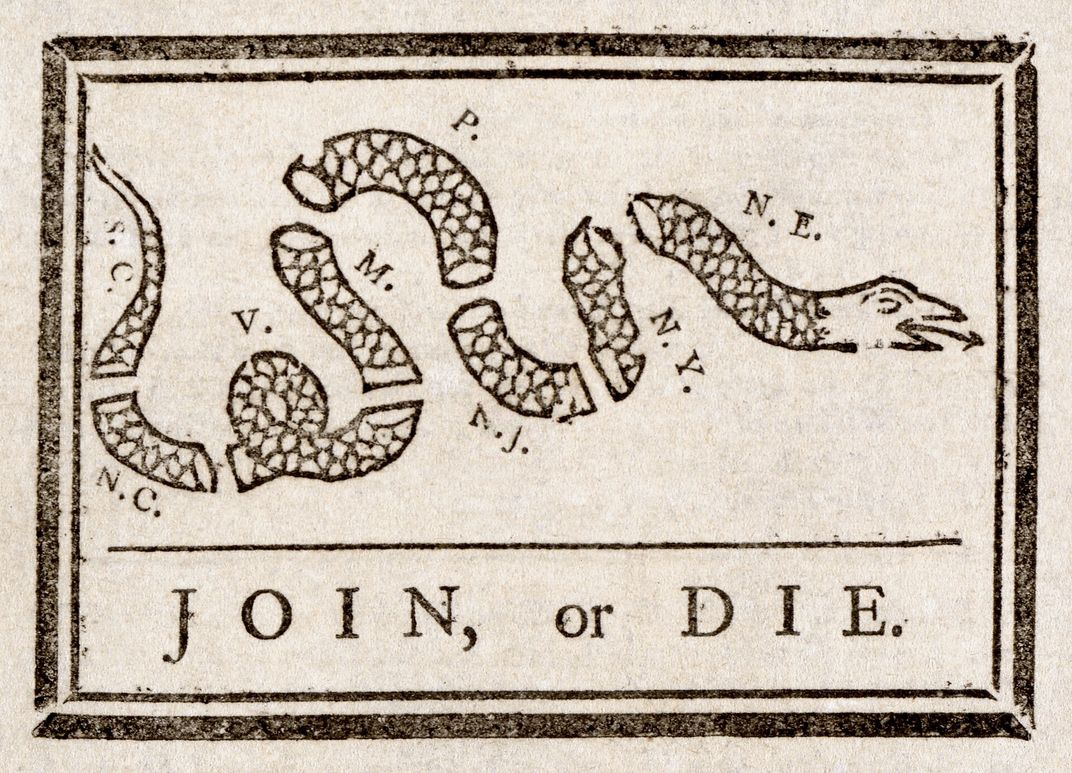
The foundational premise of the American rebellion relied on collective action. Long before the ink dried on the Declaration of Independence, colonial leaders recognized that individual uprisings would be swiftly crushed by the British Crown. Benjamin Franklin championed this philosophy as early as 1754 with his famous "Join, or Die" woodcut, which depicted a segmented snake representing the divided colonies.

As revolutionary sentiment escalated, pamphleteer Thomas Paine injected vital rhetorical momentum into the movement. In his January 1776 blockbuster Common Sense, Paine urged the colonies to form a congress and draft a "charter of the United Colonies." While variants like the "United Colonies of North America" circulated in early political discourse, these terms were widely viewed as placeholder descriptors while the thirteen entities felt their way toward a permanent rupture.
The Shift to "States" (July–September 1776)
The conceptual pivot from colonies to states accelerated in the summer of 1776. Virginia delegate Richard Henry Lee introduced a resolution in June declaring the colonies to be "free and independent states." This language heavily influenced Thomas Jefferson as he drafted the Declaration of Independence.
When the formal manuscript was signed in August 1776, it bore the heading: "The unanimous Declaration of the thirteen united States of America." Notably, the word "united" appeared in lowercase.
[1774–1775] "United Colonies" (Provisional description)
     │
     ▼
[July 1776] "thirteen united States of America" (Lowercase 'u' emphasizes state sovereignty)
     │
     ▼
[Sept. 9, 1776] Official adoption of "United States" by Continental Congress
     │
     ▼
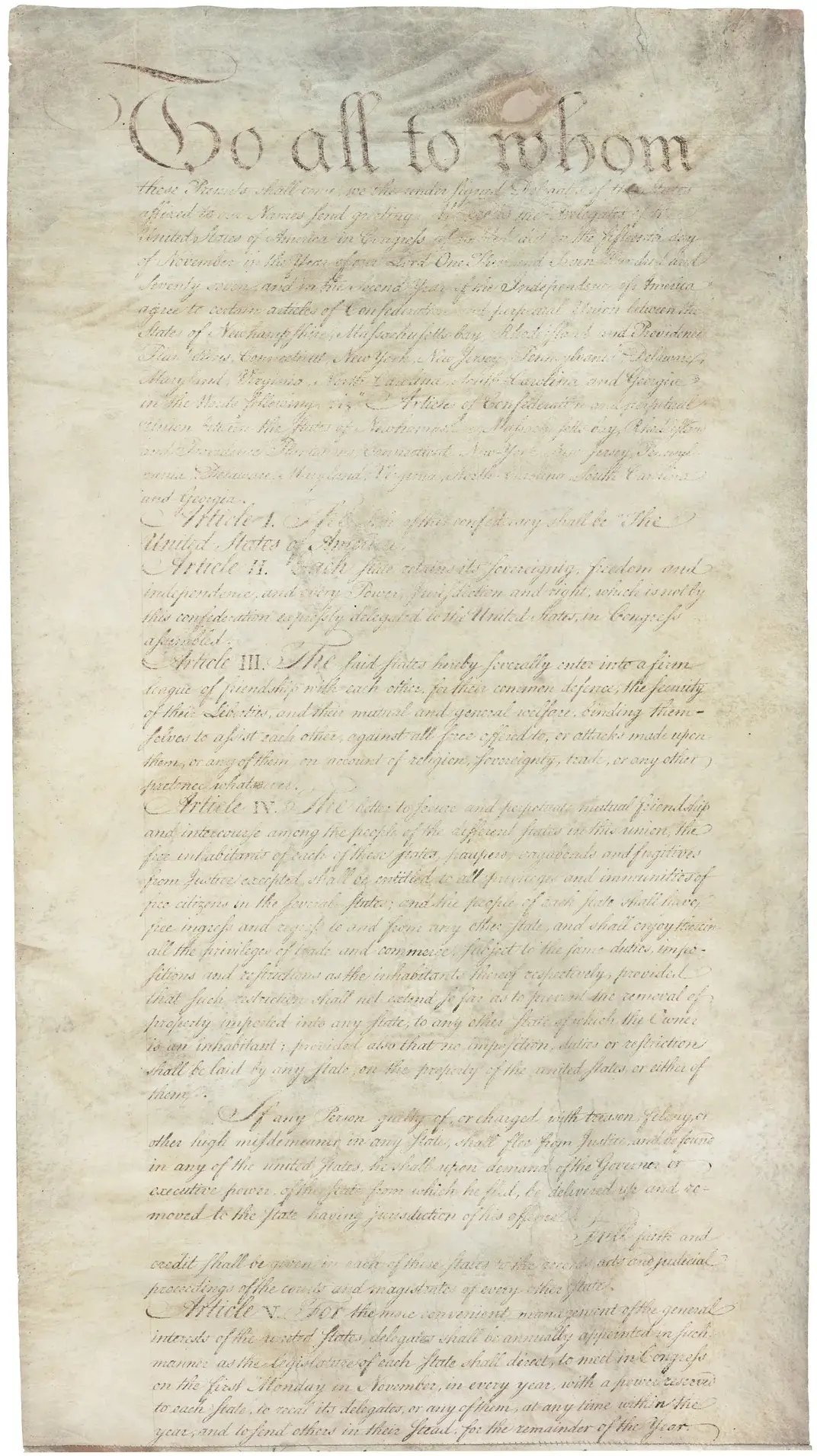
[1781] Articles of Confederation legally codify the name
     │
     ▼
[1789] U.S. Constitution ratified; capital "U" establishes a centralized national identity
According to Pulitzer Prize-winning historian Edward J. Larson, the lowercase "u" was entirely deliberate. "They didn’t think they were creating a nation," Larson notes. "They thought they were creating a confederation of independent states, with the states transferring certain powers to a central government."
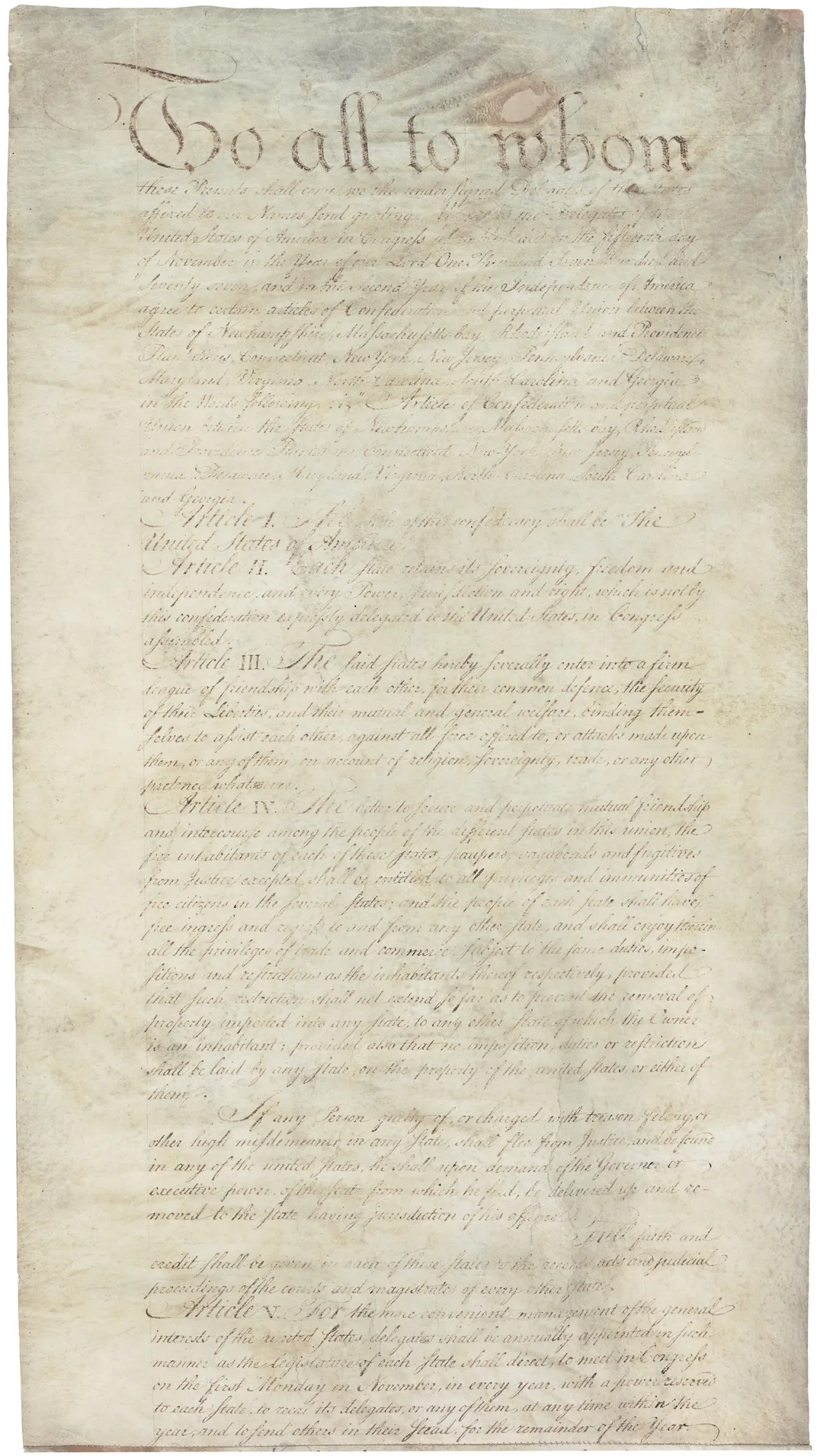
This decentralization was formalized on September 9, 1776, when the Second Continental Congress ordered that official documents substitute "United Colonies" with "United States." By 1781, the country’s first constitution, the Articles of Confederation, legally cemented this nomenclature while explicitly protecting individual state sovereignty under Article II.
Constitutional Centralization (1789)
The decentralized model proved unsustainable. Plagued by debt, unable to levy taxes independently, and lacking a standing military, the confederation stumbled toward fiscal and political insolvency. Historian Michael Auslin notes that by the mid-1780s, the republic’s future was deeply imperiled.

The ratification of the U.S. Constitution in 1789 revolutionized the American framework. While preserving the name, the new charter shifted power decisively toward the federal government. In the document’s famous opening preamble—"We the People of the United States"—the "U" in "United" was capitalized permanently, signaling the birth of a unified, sovereign nation-state.
Supporting Context & Metrics: The Battle Over "America"
Once the governance structure stabilized, attention turned to the second half of the "America."
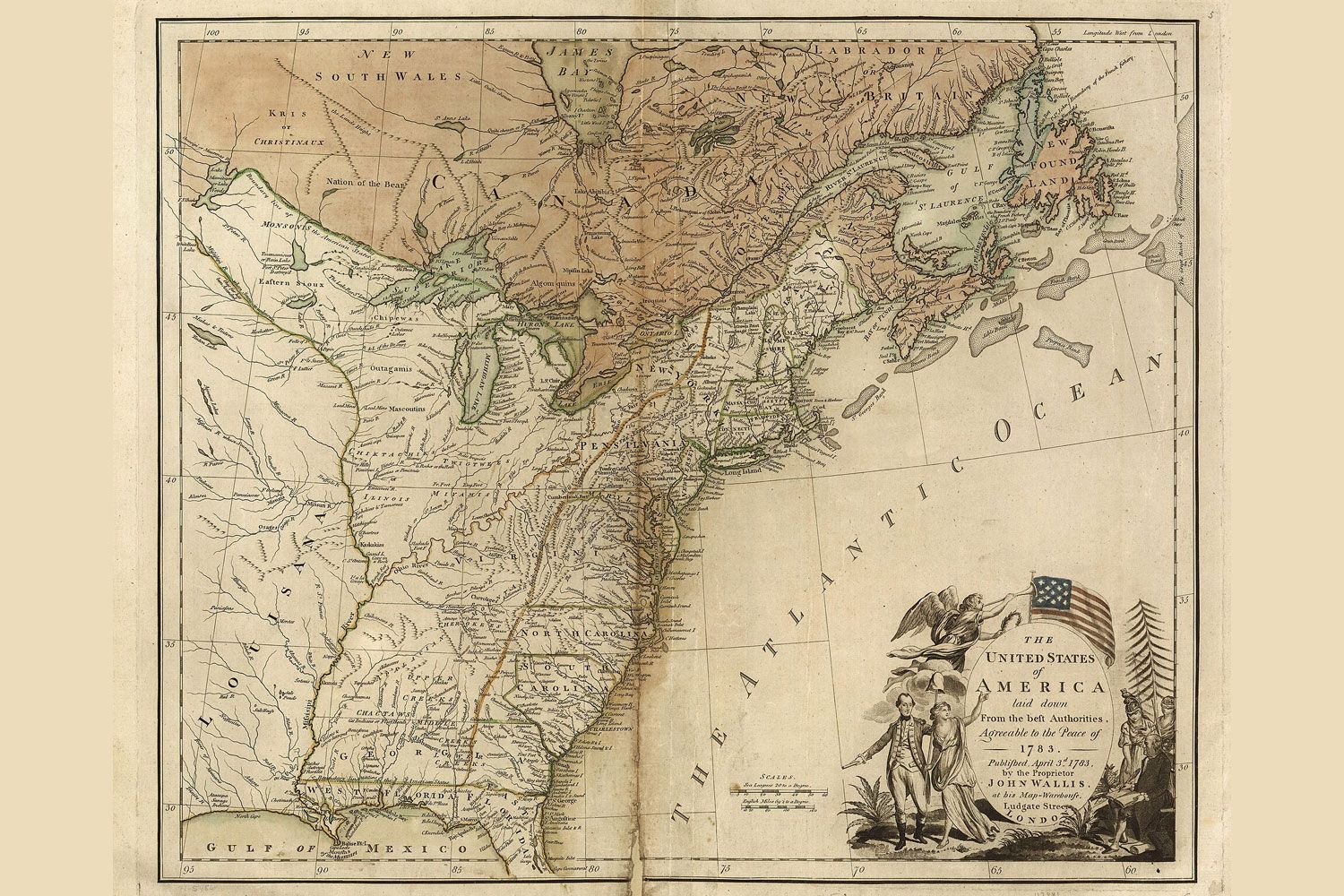
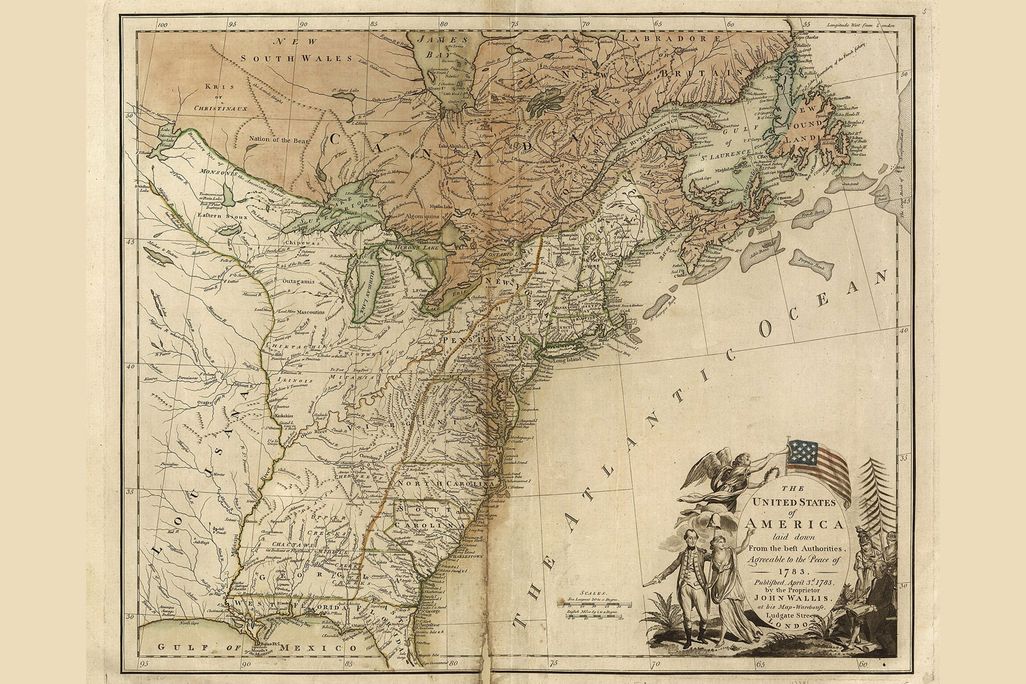
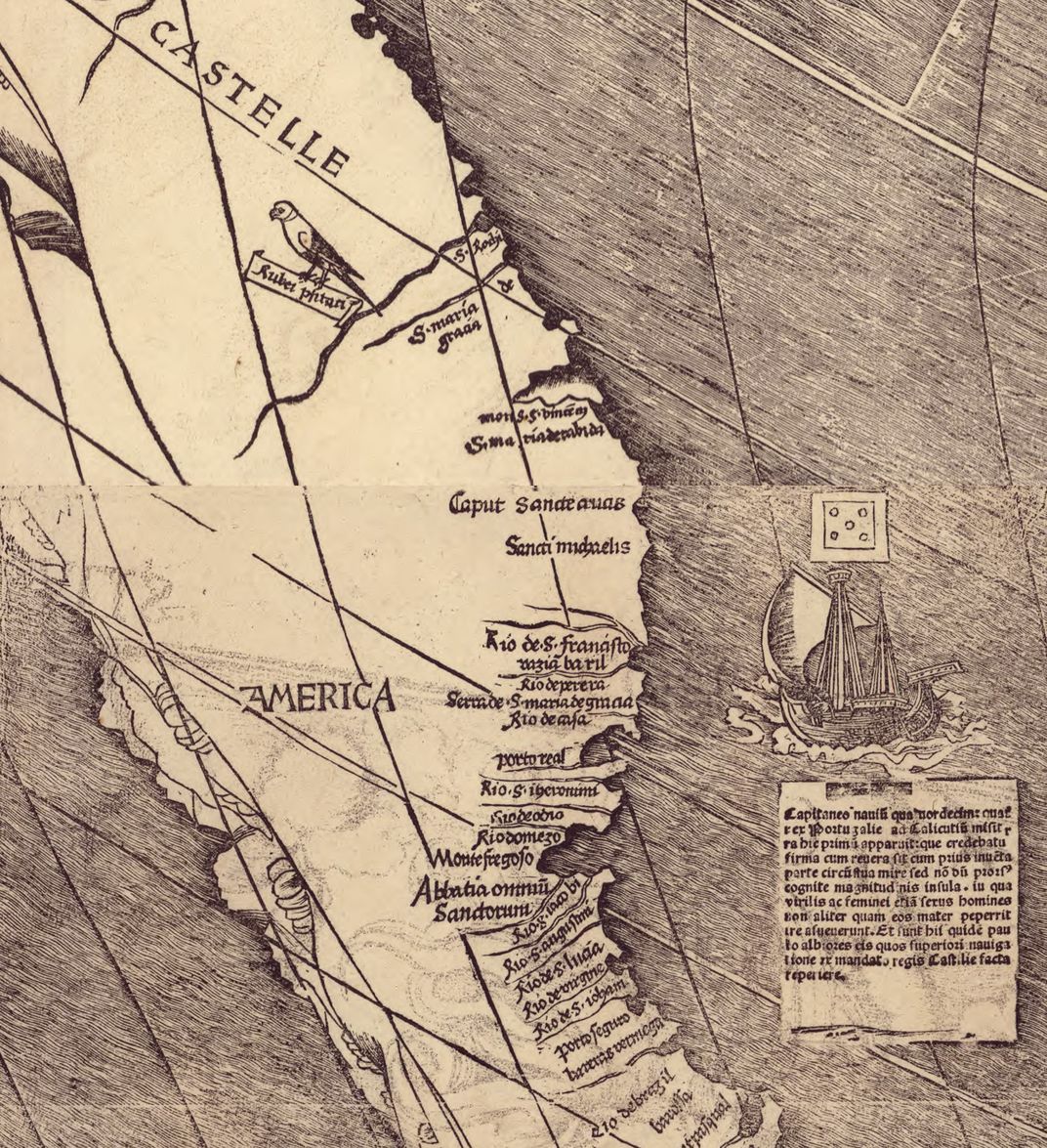
German mapmaker Martin Waldseemüller had applied the name "America" to the Western Hemisphere in 1507 to honor Italian explorer Amerigo Vespucci, who correctly deduced that the landmasses were distinct from Asia. Great Britain subsequently referred to its transatlantic territories as the American Colonies, making the term a natural inheritance for the newly independent republic.
However, discomfort with the name grew rapidly in the 19th century:
- Geographical Inaccuracy: Critics pointed out that "America" described two entire continents, not just a strip of the North Atlantic coastline.
- The Columbus Legacy: In 1792, marking the tercentenary of Christopher Columbus’s 1492 voyage, reformers advocated renaming the nation "Columbia" as a corrective to history.
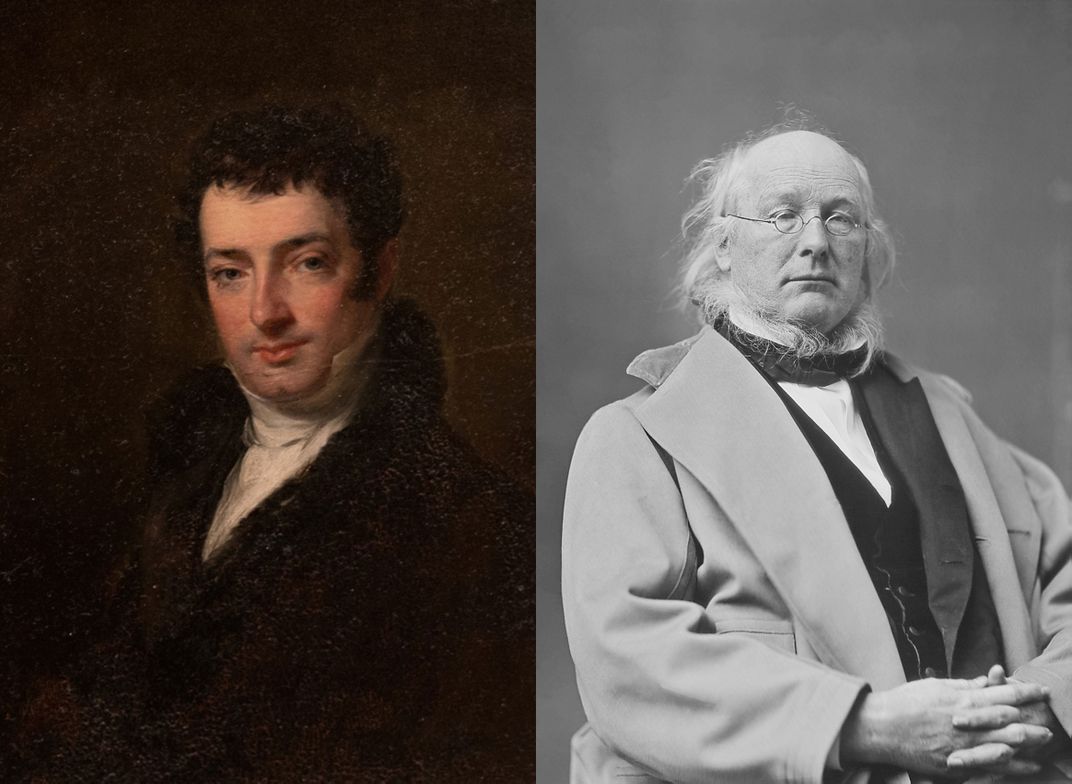
- The Appalachian Alternatives: In 1839, author Washington Irving proposed renaming the country "The United States of Appalachia" or "The United States of Allegania," honoring a native mountain range while keeping the "USA" initials. Edgar Allan Poe and the New-York Historical Society later endorsed variations of "Allegania."
Official Statements and Legislative Challenges
Resistance to the status quo manifested in formal political maneuvers throughout the 19th century:
- John Quincy Adams (1845): Responding to the New-York Historical Society’s push for "Allegania," former President John Quincy Adams fiercely rebuked the proposal. He dismissed the Allegheny mountain chain as a "mere clod of earth" and expressed a preference for "Columbia," arguing that naming the hemisphere after Vespucci was "a perpetual memorial of human injustice."
- Horace Greeley (1849): Famed newspaper editor and congressman Horace Greeley introduced a congressional resolution to rename the country in honor of Columbus, framing it as a "tardy atonement" for historical oversight.
- George Washington Anderson (1866): A Missouri congressman proposed dropping "United States" altogether, arguing that the nation should simply be called "America" to reflect its burgeoning hemispheric dominance.
- Lucas Miller (1893): Wisconsin Representative Lucas Miller introduced perhaps the most eccentric proposal in congressional history: changing the nation’s name to the "United States of the Earth" (or World). Miller argued that the republic should continuously absorb new states until every global nation was integrated.
The proposal was met with fierce ridicule. The New Orleans Times-Democrat branded Miller "the greatest crank at Washington," while the House of Representatives’ modern historical assessments suggest the bill may have been high-stakes satire aimed at critiquing contemporary American imperialism.
Future Outlook
No mainstream political figures have advocated altering the nation’s name since the turn of the 20th century. As the United States observes its 250th anniversary, the linguistic debates of the Founding Era and the 1800s read as fascinating artifacts of a young country struggling to define its place in the world.
The journey from a fragile coalition of disparate colonies to a capitalized, consolidated global power demonstrates that American identity has always been fluid, negotiated, and fiercely contested. Two and a half centuries later, the United States of America has firmly withstood the test of time, proving that even a name born out of compromise can become a permanent fixture of human history.





Comments
Facebook App ID not configured. Please add it in the Customizer.