For generations of film and television lovers, New York City’s physical landscape—its labyrinthine subway stations, towering suspension bridges, crowded avenues, sprawling green parks, and corner cafes—has served as more than just a backdrop. It is a foundational piece of cinematic memory. A walk through Manhattan or its surrounding boroughs can produce a profound sense of déjà vu, even for those who have never called the city home. Pedestrians routinely recognize the exact street corner where a harried editorial assistant rushed to her office, the park bench where two star-crossed lovers reconciled after years apart, or the waterfront pier where a legendary movie star stared defiantly against the glowing evening skyline.
From the emotional resonance of Bollywood tearjerkers to the glossy high-fashion universes of Hollywood comedies, and from gritty superhero action spectacles to quiet, contemplative indie dramas, New York City functions as a chameleon. It bends to the narrative demands of filmmakers, shifting fluidly from a romantic playground to a battleground, from a young immigrant’s daunting crucible to a socialite’s glittering status symbol.
This deep-rooted relationship has birthed a unique sub-genre of travel and cultural exploration: film tourism. As travelers increasingly seek out locations immortalized by their favorite media, New York stands as the ultimate open-air studio. This investigation explores how the city’s concrete canyons and historic landmarks were weaponized by directors, how geographic realities were subtly bent by cinematic illusion, and how the city continues to live a dual existence—both as an ordinary metropolis for its residents and as a three-dimensional dreamscape for global audiences.
Detailed Chronology: A Cinematic Evolution Across Decades
The relationship between New York City and the silver screen evolved from early location-scouting experiments into a sophisticated, multi-national myth-making apparatus. While early 20th-century cinema utilized the city for gritty realism, the turn of the millennium marked an era where New York became a stylized canvas for global storytelling, intersecting Hollywood blockbusters, television phenomena, and international cinematic traditions like Bollywood.
2000–2003: The Superhero and Bollywood Blueprints
As the new millennium dawned, New York’s physical infrastructure was permanently etched into action and romantic cinema.
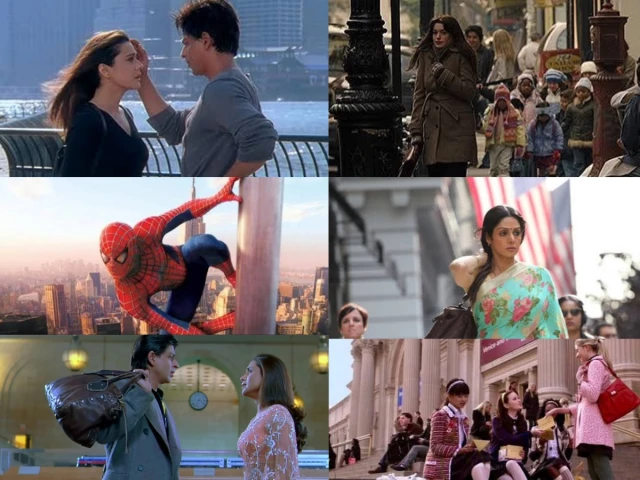
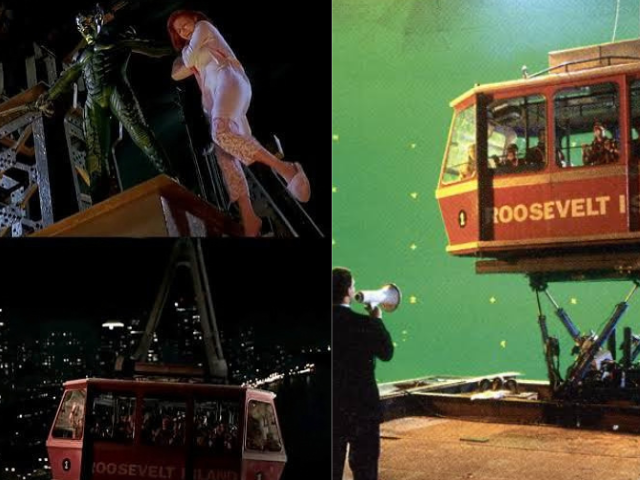
2002 (Spider-Man): Director Sam Raimi utilized the Roosevelt Island Tramway and the Queensboro Bridge not merely as transit infrastructure, but as high-stakes staging grounds for the emotional and physical clashes between Peter Parker, Mary Jane, and the Green Goblin. This elevated utilitarian municipal engineering into pop-culture myth.
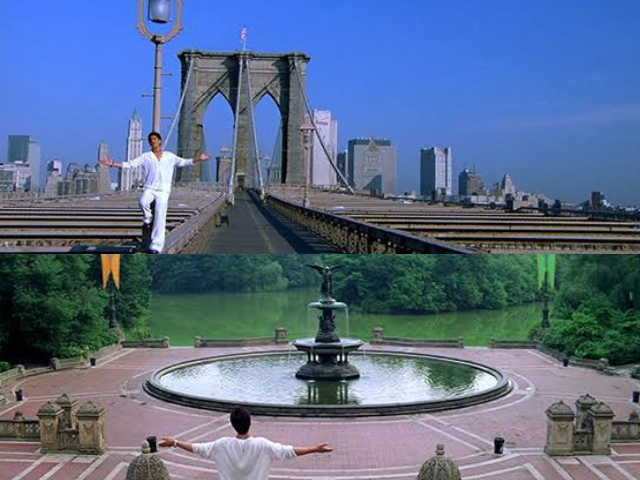
2003 (Kal Ho Naa Ho): Nikkhil Advani’s sweeping Bollywood romance revolutionized how the Hindi film industry engaged with the West. By anchoring its emotional core around Bethesda Terrace in Central Park, the Brooklyn Bridge, and Tribeca eateries, the film embedded New York deeply into the emotional vocabulary of millions of South Asian viewers, proving that the city’s romance transcended Hollywood.
2004–2006: The Golden Age of Cosmopolitan Glamour
Mid-decade productions cemented New York as a capital of ambition, high fashion, and emotional complexity.
2004 (13 Going on 30): This romantic comedy utilized the city’s architectural diversity—from Madison Avenue offices to Fifth Avenue apartments—to illustrate the dizzying, wish-fulfillment trajectory of corporate and personal reinvention.
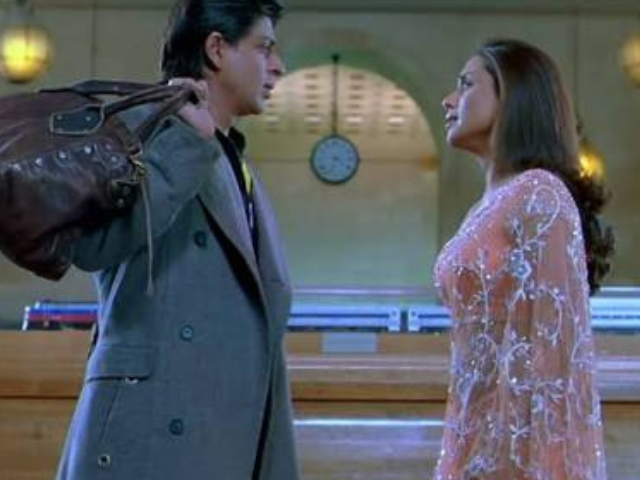
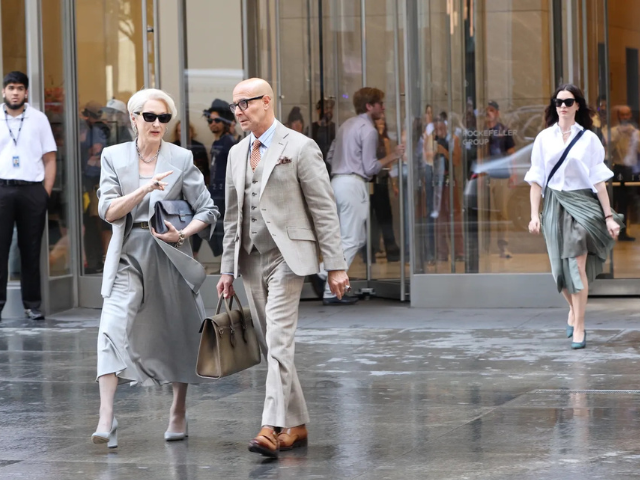
2006 (The Devil Wears Prada & Kabhi Alvida Naa Kehna): The cultural footprint expanded exponentially. David Frankel’s The Devil Wears Prada transformed the corporate facades of Midtown Manhattan and the American Museum of Natural History into the cutthroat corridors of high-fashion journalism. Simultaneously, Karan Johar’s Kabhi Alvida Naa Kehna played with cinematic geography, blending authentic New York locations with sets across New Jersey, Connecticut, and Pennsylvania to construct a hyper-idealized, melancholic vision of urban romance.
2007–Present: Prestige Television and Intimate Realism
In the latter half of the 2000s and into the 2020s, the cinematic framing of New York shifted from sprawling spectacles to hyper-targeted subcultures and minimalist, character-driven storytelling.
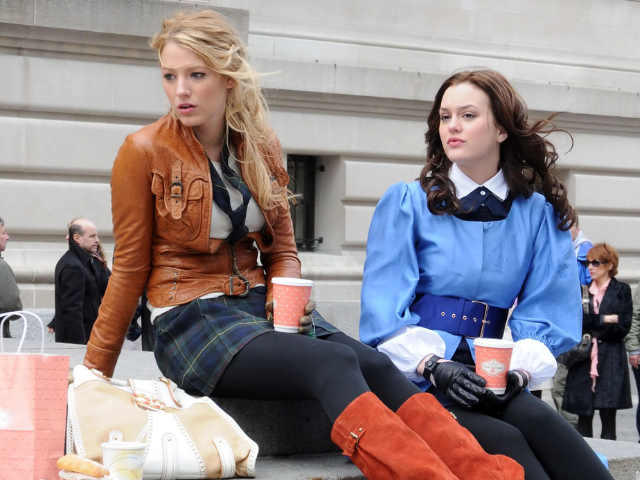
The Gossip Girl Era (2007–2012): The steps of The Metropolitan Museum of Art on Fifth Avenue were permanently claimed by teen-drama royalty, transforming a classical cultural institution into an open-air throne room for Manhattan’s elite.
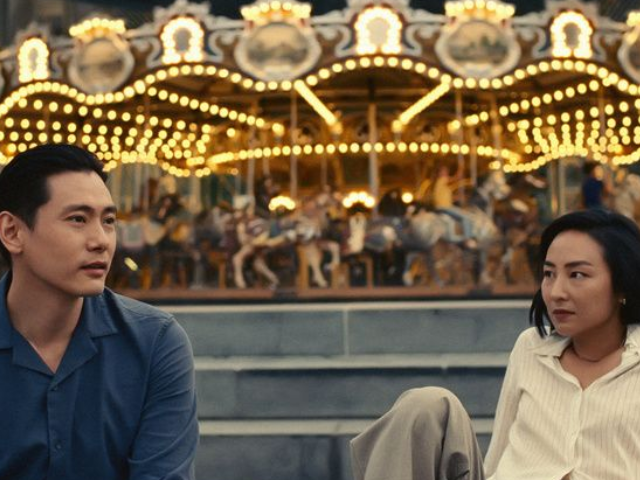
Modern Minimalist Cinema (Past Lives, 2023): Celine Song’s critically acclaimed indie romance rejected the traditional visual shorthand of skyscrapers and yellow cabs, choosing instead the quiet, reflective geometry of Jane’s Carousel in Brooklyn Bridge Park. This marked a maturation in how filmmakers frame the city—utilizing its calmer, waterfront spaces to mirror internal human processing and the passage of time.
Supporting Context & Metrics: The Mechanics of Urban Film Tourism
The intersection of cinema and geography is not merely a cultural phenomenon; it is an economic powerhouse. According to data from media analysts and tourism boards, media-induced tourism contributes billions of dollars annually to New York City’s economy, driving foot traffic to specific neighborhoods long after a production has wrapped.
Geographic Illusion vs. On-Screen Reality
One of the most fascinating aspects of New York-based filmmaking is the prevalence of "geographic sleight of hand." Directors routinely manipulate city spaces to maintain narrative flow, relying on the audience’s suspension of disbelief:
The Grand Central Illusion: While Grand Central Terminal remains a staple of New York cinematic romance, productions frequently substitute it with regional transit hubs like New Haven’s Union Station or Philadelphia’s 30th Street Station due to logistical constraints and filming permissions.
The Culinary Trail: Locations that achieve legendary status often undergo real-world transformations. For instance, the pizza restaurant featured in Kal Ho Naa Ho (formerly Jenny’s Restaurant in Tribeca) and the iconic Joe’s Pizza locations (pivoting from Bleecker Street to Carmine Street as featured in Spider-Man 2) have become de facto pilgrimage sites. Fans do not simply visit for the food; they visit to participate in a shared, tangible narrative.
Comparative Impact of Media Sectors on NYC Tourism
High influx of international South Asian cinephiles; localized walking tours.
Superheroes (Spider-Man)
Roosevelt Island Tramway, Queensboro Bridge
High-octane, architectural grandeur, peril
Increased ridership and sightseeing interest in municipal transit systems.
Fashion & High Society (The Devil Wears Prada, Gossip Girl)
Met Steps, Madison Avenue, Midtown High-Rises
Glamorous, exclusive, aspirational
Massive retail and hospitality boost in the Upper East Side and Midtown.
Indie / Quiet Realism (Past Lives)
Brooklyn Bridge Park, Jane’s Carousel
Contemplative, nostalgic, understated
Drives niche tourism toward waterfront parks and lesser-known historical landmarks.
Official Statements and Industry Insights
The deliberate curation of New York City as a character in its own right has long been acknowledged by the directors, writers, and institutions that shape the industry.
Celine Song, director of the Academy Award-nominated Past Lives, spoke extensively about why she chose specific, non-monumental locations like Jane’s Carousel to anchor her narrative about time, migration, and memory. In promotional press rounds, Song noted:
"When you place characters against a backdrop like the glass-enclosed carousel overlooking the East River, you aren’t just showing them in New York; you are externalizing their emotional architecture. The city holds space for who they used to be, who they are now, and the versions of themselves they left behind across the ocean."
Similarly, institutional partners such as the American Museum of Natural History have embraced their cinematic immortality. Following the massive global success of the Night at the Museum franchise, the museum curated specific visitor guides connecting cinematic fantasy with real-world scientific exhibits. An institutional spokesperson remarked on the phenomenon:
"For millions of people worldwide, our halls do not just represent the history of the natural world—they represent a space of magic, imagination, and wonder brought to life by film. We welcome visitors who come searching for the cinematic wonder they felt on screen, only to discover that the reality of the institution offers an entirely different, yet equally captivating, kind of discovery."
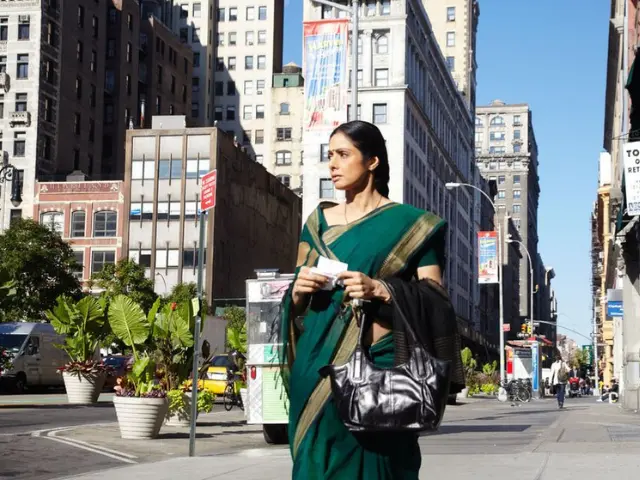
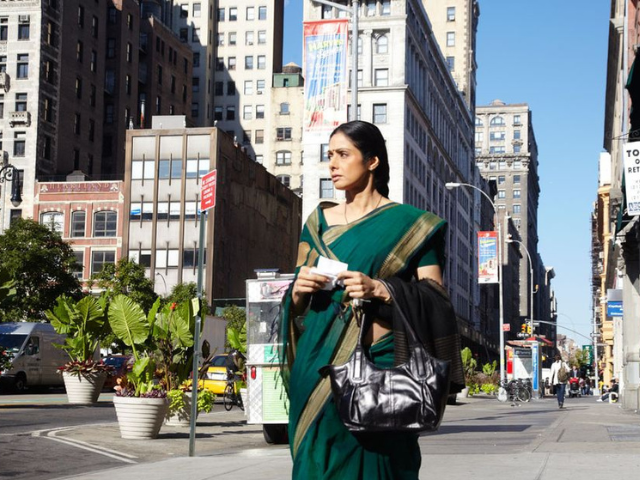
Urban planners and NYC Tourism representatives frequently emphasize that cinematic representations act as soft power diplomacy, painting the city as a dynamic organism capable of absorbing endless human narratives. Whether it is Sridevi’s character Shashi navigating the overwhelming streets of Manhattan in English Vinglish to reclaim her self-worth, or Ben Stiller’s night watchman guarding historical artifacts, the official consensus remains unified: New York City’s ultimate asset is its narrative flexibility.
Future Outlook: The Next Chapter of Cinematic Geography
As the entertainment landscape shifts toward virtual production, LED volumes, and soundstage-heavy franchises, the necessity of location-based shooting in New York City faces new economic and technological pressures. However, urban film experts argue that the raw, irreplaceable texture of New York cannot be entirely replicated by digital algorithms or soundstage wizardry.
The Rise of Hyper-Local Tourism: As streaming platforms decentralize content consumption, audiences are developing deeper attachments to hyper-specific neighborhood aesthetics. Future visitors are increasingly looking beyond Times Square and the Empire State Building, seeking out the indie-film alleys of Greenpoint, the brownstones of Bed-Stuy, or the quieter boardwalks of the outer boroughs.
Technological Integration: The integration of augmented reality (AR) walking tours is projected to transform traditional film tourism. Future cinephiles walking past Bethesda Terrace or the Met Steps may soon use mobile applications to view historical film overlays directly through their device screens, merging the physical reality of the city with its digital cinematic ghosts.
Sustainable Production and Preservation: City officials are increasingly balancing the demands of large-scale cinematic productions with the quality of life of local residents. Future regulatory frameworks will likely emphasize sustainable, low-impact location shooting, ensuring that the neighborhoods that give films their authentic textures are preserved rather than gentrified or disrupted out of existence.
Ultimately, the magic of New York City in film lies in its perpetual duality. To the people who live and work there every day, it is a bustling, complicated, and often gritty metropolis. But to the billions of people watching from darkened theaters and living room screens across the globe, it remains an infinite promise—a place where anyone can reinvent themselves, fall in love, fight a villain, or simply stand quietly by a waterfront carousel while the skyline glows behind them. The screen may eventually fade to black, but for those who walk its streets, the cinematic frame never truly closes.




Comments
Facebook App ID not configured. Please add it in the Customizer.