

Executive Overview
The intersection of generational communication styles, digital etiquette, and modern social media consumption has long been a flashpoint of cultural friction. In an era where smartphones serve as the primary conduits for human connection, the unwritten rules of engagement across different demographics are frequently tested.
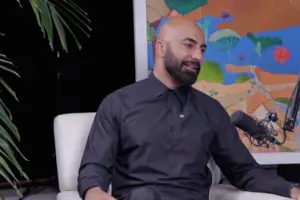
Recently, this ongoing societal dialogue received a high-profile catalyst when legendary former Pakistan cricket captain and international fast-bowling icon Wasim Akram took to social media to address a specific demographic: users aged 50 and above. In a lighthearted yet pointed video shared across digital platforms, Akram offered targeted advice on mobile phone usage, WhatsApp etiquette, and social media habits. His core message urged older generations to exercise greater mindfulness regarding the volume of messages sent, the length of forwarded media, and the intrinsic value of respecting others’ time and attention spans.
Akram’s commentary quickly transcended sports culture, igniting a robust, international debate across digital platforms. The discourse brought to the forefront a deeply relatable modern dilemma: how to balance the fundamental human desire for connection and relationship maintenance with the psychological fatigue induced by notification overload, unsolicited content, and digital noise. While a substantial segment of internet users applauded Akram for articulating frustrations common in fast-paced professional and social environments, others advocated for a more compassionate approach, emphasizing that digital forwarding and daily greetings are often vital lifelines for isolated or aging individuals attempting to bridge generational divides.
Read Also
This report provides a comprehensive examination of Wasim Akram’s viral commentary, contextualizing it within the broader framework of modern digital etiquette, generational communication divides, and the psychological impact of hyper-connectivity. Through a detailed analysis of the events, supporting data on modern communication habits, and expert perspectives on digital wellbeing, this article explores how society can navigate the delicate balance between staying connected and respecting digital boundaries.
Detailed Chronology: From Instagram Reel to Global Conversation
The discourse began with a carefully packaged, humorous video published by Wasim Akram on his official Instagram account. Known globally for his fierce competitive spirit on the cricket pitch and his sharp wit as a television commentator, Akram adopted a playful yet candid tone to address a subject that frequently simmers beneath the surface of modern social interactions.
The Launch of the Discourse
On a weekday that quickly saw his content ripple across digital ecosystems, Akram posted a reel specifically captioned with a playful content warning:
"Viewer discretion: THIS VIDEO IS AVAILABLE FOR PEOPLE OVER 50 ON HOW AND WHEN TO USE A MOBILE PHONE/ WHATSAPP. AND YOU ARE WELCOME…"
The video immediately established a framework acknowledging generational differences. Akram remarked that while he could readily comprehend the smartphone habits of Generation Z and Generation Alpha—demographics colloquially known as "digital natives" who have grown up entirely immersed in screens—he felt compelled to offer constructive, thoughtful guidance to his peers in the over-50 demographic. His objective was not to alienate older users, but to help them refine their communication strategies when interacting with friends, family members, and younger professionals whose daily routines operate at a different tempo.
Core Pillars of Akram’s Digital Advice
As the video progressed, Akram outlined specific behavioral adjustments for optimal digital citizenship. His critique focused on four primary areas of friction in daily messaging culture:
- The Cessation of Random Daily Content: Akram advised against the habitual daily forwarding of unverified articles, unrequested memes, and generic digital ephemera. He noted that even when senders harbor entirely benevolent intentions, the sheer volume of unsolicited content can induce cognitive fatigue in recipients.
- Rethinking Mandatory Daily Greetings: Addressing the ubiquitous "Good Morning" image macros and greeting broadcasts, Akram suggested that individuals should feel no sense of social obligation to dispatch routine salutations to extensive contact lists every single morning.
- Curating Content for Shorter Attention Spans: Highlighting the reality of modern media consumption habits, Akram pointed out that long-form videos—such as clips spanning 10, 20, or 30 minutes—are rarely viewed to completion in fast-paced environments. He recommended curating and sharing concise, punchy clips, ideally under two minutes in duration, to match contemporary attention spans.
- Resisting the Pressure of Constant Availability: Akram addressed the anxiety surrounding instant responses. He argued that users should not feel chained to their devices, noting that delaying a reply by five minutes—or even several hours—is entirely normal and healthy. Constant notification-checking, he warned, generates unnecessary psychological pressure and distracts from physical-world experiences.
The Viral Ripple Effect
Within hours of posting, the video generated thousands of impressions, comments, and shares across Instagram, X (formerly Twitter), Facebook, and WhatsApp status updates. The content struck a universal chord, transforming from a celebrity’s casual observation into a widespread cultural talking point. Media outlets across South Asia and international cricket forums picked up the story, dissecting Akram’s advice and inviting public commentary. The speed with which the video circulated underscored a universal exhaustion with digital clutter, proving that generational frictions in communication are a truly global phenomenon.
Supporting Context & Metrics: The Anatomy of Modern Digital Fatigue
To fully understand why Wasim Akram’s lighthearted critique resonated so deeply, one must examine the broader quantitative and qualitative landscape of modern digital communication. The proliferation of smartphones and instant messaging applications has fundamentally reshaped human socialization, introducing both unprecedented conveniences and profound psychological challenges.
The Rise of Hyper-Connectivity and Notification Fatigue
According to global digital insights reports, the average smartphone user checks their device dozens to hundreds of times per day. Messaging applications, chief among them WhatsApp, process billions of messages daily. While these platforms were designed to bridge geographical distances and foster rapid communication, they have inadvertently created an environment of relentless connectivity.
Psychologists and digital wellness researchers have identified several phenomena associated with modern messaging habits:
- The "Always-On" Pressure: The expectation of immediate availability has blurred the boundaries between professional availability and personal downtime, contributing to chronic stress and burnout.
- Notification Overload: Frequent interruptions from non-essential messages disrupt deep work, concentration, and relaxation. Studies indicate that recovering focus after a digital interruption can take upwards of fifteen minutes, meaning that a barrage of casual morning greetings and forwarded videos can severely fragment an individual’s daily productivity.
- Content Saturation: The ease of forwarding media has transformed chat groups into firehoses of information. Users are routinely inundated with sensationalized news clips, redundant inspirational quotes, and lengthy video files that demand significant time investments.
The Generational Divide in Digital Literacy and Intent
The friction highlighted by Akram is deeply rooted in differing generational perceptions of technology:
- The Immigrant vs. Native Dynamic: For many members of the over-50 demographic, the digital revolution occurred midway through their lives. Smartphones and instant messaging platforms represent miraculous tools for maintaining communal ties, overcoming loneliness, and bridging physical distances from children and grandchildren who may live across towns or continents. Consequently, sending a daily greeting or sharing a meaningful video is often viewed as an act of affection, care, and social stewardship.
- The Digital Native Perspective: Conversely, younger generations—who navigate hyper-connected educational and professional environments from early childhood—frequently view messaging apps as utilitarian tools designed for speed and efficiency. To them, conversational clutter, redundant greetings, and uncurated media links represent administrative overhead that requires active management and emotional labor.
The Psychological Double-Edged Sword
This divergence creates a delicate communicative paradox. On one hand, enforcing strict digital boundaries can inadvertently cause older relatives to feel rejected, isolated, or technologically inadequate. On the other hand, failing to establish boundaries can lead to resentment and emotional withdrawal among recipients who feel overwhelmed by digital noise. Akram’s commentary successfully spotlighted this tension, inviting society to examine how digital tools impact relational harmony.
Public Reactions and Social Media Discourse
As expected from a viral topic touching upon generational habits, public response to Wasim Akram’s video was deeply polarized, reflecting the complex emotional undercurrents tied to digital communication.
The Endorsement Camp: Relief and Validation
A significant portion of social media users—spanning various age groups—vocalized overwhelming agreement with Akram’s observations. Many expressed relief that a prominent public figure had articulated frustrations they had experienced in personal family chats and professional circles.
Commenters pointed out that family WhatsApp groups, originally created for coordinating logistics or sharing major life updates, often devolve into endless streams of unverified health tips, repetitive religious or cultural graphics, and unedited video files.
One prominent online commentator summarized this sentiment: "Wasim bhai has said out loud what millions of people think silently every single day. Being reachable 24/7 and wading through ten ‘Good Morning’ pictures before breakfast is exhausting. Respecting someone’s time means not treating their notification bar as a dumping ground for random internet downloads."
The Compassionate Counter-Perspective: Loneliness and Connection
Conversely, a vocal contingent of users argued that Akram’s critique, while humorous, lacked sufficient empathy for the psychological realities faced by older demographics. This perspective emphasized that digital communication tools often serve as vital lifelines against social isolation and geriatric loneliness.
For retired individuals or empty-nesters whose social circles may have naturally contracted, sending daily greetings and forwarding interesting videos is frequently an active strategy to signal continued care, maintain social visibility, and prompt reciprocal engagement from busy younger relatives.
A widely shared critique from a social media user highlighted this nuance: "At some level, I agree with the practicality of what Wasim Akram is saying, but we must never make someone feel like a burden simply because they are trying to stay connected. For many parents and grandparents, those morning messages are their way of saying ‘I am thinking of you today.’ If we shut that down too harshly, we risk deepening the emotional chasm between generations."
Bridging the Divide
The clash of opinions ultimately illuminated a shared underlying truth: while the mechanics of the behavior (excessive messaging, long video files) warrant refinement, the motive behind the behavior (desire for love, recognition, and connection) is fundamentally wholesome. The discourse evolved from a simple critique of phone etiquette into a broader conversation about empathy, digital patience, and mutual adaptation across generations.
Expert Perspectives: Navigating Digital Etiquette in the 21st Century
To gain a deeper understanding of how society can reconcile these generational communication frictions, cultural analysts, communication experts, and digital wellness coaches have weighed in on the core principles of modern digital etiquette.
Re-establishing Healthy Boundaries
Communication experts emphasize that modern technology should serve human relationships rather than enslave them. Establishing healthy digital boundaries does not require severing ties or adopting cold detachment; rather, it requires intentionality:
- Setting Notification Preferences: Users are encouraged to utilize built-in smartphone features such as "Do Not Disturb" modes, scheduled notification digests, and muted chat groups. This allows individuals to engage with messages on their own terms and at their own convenience without experiencing the anxiety of constant interruption.
- Mindful Curation: Senders—regardless of age—are encouraged to practice "content curation" before hitting the share button. Asking oneself "Will the recipient genuinely find value in this?" or "Is this clip concise and relevant?" can dramatically reduce digital clutter.
- Quality Over Quantity: Cultivating deeper, more meaningful interactions—such as occasional phone calls, voice notes, or focused face-to-face conversations—often yields greater relational satisfaction than bombarding contacts with daily automated image macros.
Fostering Intergenerational Empathy
Experts also stress the importance of patient, compassionate education within families. Rather than reacting with annoyance or sarcasm when an older relative sends redundant or lengthy content, younger family members are encouraged to gently guide them toward more efficient communication habits.
For instance, establishing dedicated family traditions—such as a weekly Sunday phone call rather than daily micro-messages—can satisfy the older generation’s need for meaningful contact while sparing both parties from the daily fatigue of notification management. Similarly, explaining why certain types of videos are difficult to watch during busy work hours helps older users understand the modern professional landscape without feeling personally rejected.
Future Outlook: The Evolution of Digital Culture
As artificial intelligence, ambient computing, and immersive communication technologies continue to evolve at a breakneck pace, the landscape of human interaction will only grow more complex. The friction points highlighted by Wasim Akram’s commentary are merely the tip of the iceberg in an ongoing cultural adjustment to hyper-connectivity.
Toward a More Mindful Digital Society
Looking ahead, several trends are likely to shape the future of digital etiquette and communication:
- Mainstreaming Digital Wellness Education: Schools, community centers, and corporate wellness programs are increasingly incorporating digital hygiene into their curricula, teaching individuals of all ages how to manage screen time, evaluate information sources, and respect boundaries in digital spaces.
- Technological Adaptation: Software developers and platform architects are continually refining messaging applications to give users greater control over their notification environments, such as community management tools, summarized message digests, and AI-powered content filtering.
- The Enduring Value of Human Connection: Despite technological advancements, the fundamental human need for authentic connection remains unchanged. Whether through a handwritten letter, a quick phone call, or a carefully curated digital message, the ultimate metric of success is not the volume of data transmitted, but the strength and warmth of the relationship sustained.
Conclusion
Wasim Akram’s lighthearted foray into digital etiquette struck a resonant chord because it illuminated a universal modern tension: the struggle to harmonize technological abundance with emotional well-being. By urging older generations to be mindful of time, attention spans, and message volume—while simultaneously prompting society to reflect on the importance of empathy and connection—Akram’s commentary has provided a valuable service.
In an age where smartphones dominate our waking hours, the ultimate goal remains clear: technology must be harnessed to strengthen relationships, bridge generational divides, and enrich our lives, ensuring that meaningful human connections always outweigh the relentless influx of digital noise.




Comments
Facebook App ID not configured. Please add it in the Customizer.