
Executive Overview
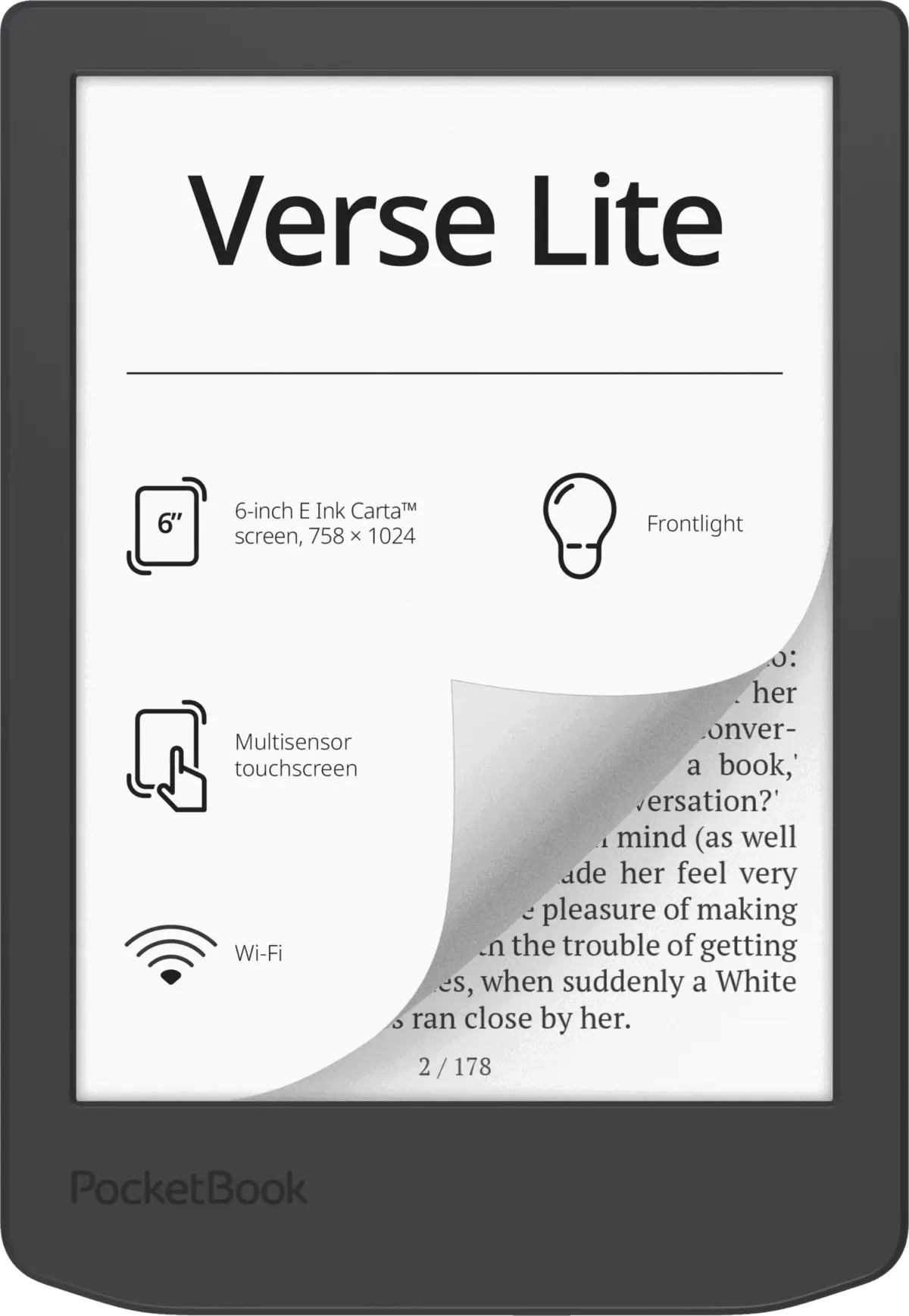
The landscape of digital public library lending has taken another significant step forward as PocketBook rolls out its latest major software update, Firmware 6.11, to the PocketBook Verse and PocketBook Verse Lite e-readers. At the heart of this update is the long-awaited, deeply integrated native application for OverDrive Libby, transforming how budget-conscious and library-reliant readers access digital content on compact hardware.
For years, accessing public library catalogs on e-readers outside of the Amazon Kindle ecosystem or Kobo devices often required cumbersome workarounds involving desktop computers, Adobe Digital Editions, and manual file transfers via USB. With the deployment of Firmware 6.11, PocketBook is bridging this gap. Users can now search local library networks, browse extensive digital shelves of e-books and digital magazines, place holds, manage loans, and read directly on their 6-inch E Ink displays—all entirely on-device, without ever touching a PC.
While the absence of Bluetooth hardware on the Verse and Verse Lite means that audiobook streaming remains off the table for these specific base models, the inclusion of native Libby support for text and periodicals represents a massive quality-of-life upgrade. Alongside the Libby integration, PocketBook has completely redesigned its Task Manager, introducing an overlay card-based system that modernizes the user experience, improves multitasking efficiency, and speeds up device navigation.
Read Also
This comprehensive report examines the technical implications of the Firmware 6.11 rollout, details the user-facing enhancements to the Libby application and Task Manager, contextualizes the shift within the broader e-reader industry, and explores what this means for the future of standalone reading devices.
Detailed Chronology: The Evolution of PocketBook’s Software Ecosystem
To understand the significance of the Firmware 6.11 release, one must trace the trajectory of PocketBook’s software development philosophy. Historically, European and international e-reader manufacturers like PocketBook have prided themselves on open-ecosystem support—offering compatibility with a vast array of document formats (EPUB, PDF, DJVU, FB2, MOBI, and more) without forcing users into a proprietary bookstore walled garden.
However, integration with external third-party library ecosystems like OverDrive historically relied on browser-based access or older OPDS catalog configurations that often lagged behind the polished, app-like experiences found on competing platforms.
The Path to Firmware 6.11
- Early 2023–Late 2023: PocketBook launches the Verse and Verse Lite models as accessible, mid-tier and entry-level replacements for older legacy 6-inch devices. Featuring 6-inch E Ink Carta displays and physical page-turn buttons alongside touchscreens, they capture a dedicated segment of readers who prefer physical tactile controls over pure slate designs.
- Mid-2024: PocketBook begins internal testing and preliminary rollouts of unified app interfaces designed to streamline user interactions across its Linux-based operating system. User feedback consistently points to a desire for a more seamless, on-device method to connect with public libraries.
- Late 2026 (Current Deployment): PocketBook releases Firmware 6.11. This update shifts the paradigm by introducing a dedicated, native PocketBook x Libby application baked directly into the device’s core software layer, alongside a comprehensive overhaul of the system-wide Task Manager.
This release represents a maturing of PocketBook’s software strategy: rather than relying on external web applications or browser kludges, the company is baking high-demand subscription and library services directly into the device firmware, ensuring deep optimization for E Ink refresh rates and low power consumption.
Technical Analysis & Feature Breakdown
Firmware 6.11 is not a minor patch; it introduces sweeping functional changes that alter how users interact with their hardware on a daily basis. Below is an exhaustive breakdown of the primary additions and interface refinements included in the update.
1. The "PocketBook x Libby" Native Application
The headline feature of Firmware 6.11 is the introduction of the native Libby app. Designed specifically to interface with OverDrive’s massive digital infrastructure, the app brings several core capabilities directly to the Verse and Verse Lite:
- Library Discovery and Authentication: Users can locate their local public library branch quickly by searching via library name, postal code, or city, backed by a robust country filter. Once the correct branch is selected, readers sign in using their valid library card credentials directly within the interface.
- Browsing, Previews, and Borrowing: The app mirrors the core discovery mechanics of the mobile Libby app. Readers can browse curated lists, search specific titles, read editorial previews, and instantly check out available e-books and digital magazines.
- Offline Reading Integration: Once an e-book is borrowed through the native interface, it downloads directly to the device and opens seamlessly within PocketBook’s native reading application. This ensures full support for custom fonts, margins, underlining, note-taking, and dictionary lookups without internet connectivity.
- Loan and Hold Management: The app provides a dedicated shelf for active loans, an overview of pending holds, and the ability to manage returns early. If a user utilizes multiple library cards or branches, a dedicated menu allows for swift switching between accounts without requiring re-authentication.
- Hardware Limitations (Audiobooks): It is critical to note that the PocketBook Verse and Verse Lite are built as cost-effective, reading-first devices. Consequently, they do not feature Bluetooth modules. While the Libby app supports audiobook streaming on other devices, on the Verse series, the app is strictly confined to text-based e-books and digital magazines, as audio playback hardware is absent.
2. The Redesigned Task Manager
Multitasking and system control on E Ink devices have historically suffered from sluggish animations and cluttered menus. With Firmware 6.11, PocketBook has entirely overhauled the Task Manager to address these ergonomic hurdles.

- Card-Based Overlay Interface: Open applications no longer take over the entire screen or hide behind obscure menus. Instead, they appear as interactive cards layered over whatever content is currently active on the display.
- Quick-Access System Shortcuts: The redesigned Task Manager integrates instant toggles for essential device controls, including Flight Mode, Device Lock, Screen Capture (Screenshot), and Power Off. This reduces the number of taps required to execute routine system commands.
- Flexible View Modes: Users can seamlessly toggle between thumbnail views and icon-only views. Crucially, the system remembers the user’s preference, ensuring a consistent interface layout across reboots.
- Smart Sorting and Dismissal: Applications within the Task Manager are automatically sorted by recent usage, making it easy to jump back to a previously accessed dictionary, browser tab, or note-taking app. Individual apps can be closed with a swipe or tap, and dismissing the entire Task Manager requires only a simple tap outside the card interface or a quick swipe upward from the bottom of the screen.
Supporting Context & Metrics: The E-Reader Market and Library Integration
To fully appreciate the impact of PocketBook’s Firmware 6.11 update, one must examine the broader economics of digital reading and public library engagement.
The Rise of Digital Library Lending
Public library systems across North America, Europe, and parts of Asia have experienced exponential growth in digital circulation over the past decade. OverDrive, the parent company of Libby, reported successive years of record-breaking checkouts, with billions of digital books borrowed annually.
For e-reader manufacturers, library integration is no longer a secondary selling point—it is a primary purchase driver. Consumers are increasingly hesitant to invest in hardware ecosystems that lock them into purchasing content from a single corporate storefront. Devices that facilitate free, legal public library access via Libby or Adobe Digital Editions hold a powerful competitive advantage among students, avid readers, and budget-conscious consumers.
PocketBook’s Market Positioning
While Amazon’s Kindle dominates the North American market and Kobo holds a strong foothold in Canada, the UK, and parts of Europe, PocketBook remains a dominant force in Eastern Europe, Germany, and broader continental European markets. By introducing native Libby integration to its more affordable entry-level devices—the Verse and Verse Lite—PocketBook is directly targeting price-sensitive consumers who want a premium, friction-free library experience without paying flagship-tier prices.
Official Statements and Industry Reception
While manufacturers often let software updates speak for themselves, the industry response to Firmware 6.11 has been overwhelmingly positive among tech reviewers, library advocates, and e-reader enthusiasts alike.
Industry analysts note that PocketBook’s decision to backport modern software features like the redesigned Task Manager and native Libby integration to existing hardware demonstrates a strong commitment to device longevity. In an era of planned obsolescence, providing substantial software overhauls to mid-tier devices already in consumers’ hands helps build brand loyalty and consumer trust.
Early user feedback collected from tech forums and specialized e-reader communities (such as Good e-Reader) highlights the immediate convenience of cutting out the traditional PC-transfer workflow:
"Being able to search for a book on Libby, check it out, and start reading within seconds on a lightweight 6-inch device without having to plug into a laptop changes everything for library users who prefer PocketBook hardware."
Future Outlook: What Lies Ahead for PocketBook and E-Reader Software
The deployment of Firmware 6.11 on the Verse and Verse Lite signals several important trends for the future of e-reader design and software engineering:
- Software Parity Across Product Lines: As PocketBook continues to refine its Linux-based firmware, consumers can expect similar native integrations to roll out across other devices in the portfolio, including larger screen models, color E Ink devices (such as those utilizing Kaleido technology), and upcoming hardware revisions.
- The Battle for Frictionless Reading: As competition between Kobo, Amazon, PocketBook, and open-Android manufacturers (like Boox and Bigme) intensifies, the battleground has shifted from raw hardware specs to software convenience. Manufacturers that minimize the steps required to acquire and read content will capture the largest share of the growing digital reading demographic.
- Hardware Constraints vs. Software Ambitions: The omission of audiobooks on the Verse and Verse Lite due to a lack of Bluetooth serves as a reminder of the hardware limitations inherent in budget-friendly e-readers. However, it also highlights a smart engineering compromise: rather than withholding the Libby app entirely from non-audiobook-capable devices, PocketBook has intelligently adapted the software experience to serve text and magazine readers efficiently.
Conclusion
PocketBook’s Firmware 6.11 update for the Verse and Verse Lite represents a triumph of practical software engineering. By seamlessly integrating the PocketBook x Libby application and modernizing the system Task Manager, PocketBook has breathed new life into its entry-level 6-inch lineup. For public library patrons who value open-ecosystem flexibility, physical page-turn buttons, and a distraction-free reading environment, these devices have suddenly become significantly more compelling options in the modern e-reader marketplace.





Comments
Facebook App ID not configured. Please add it in the Customizer.