
Executive Overview
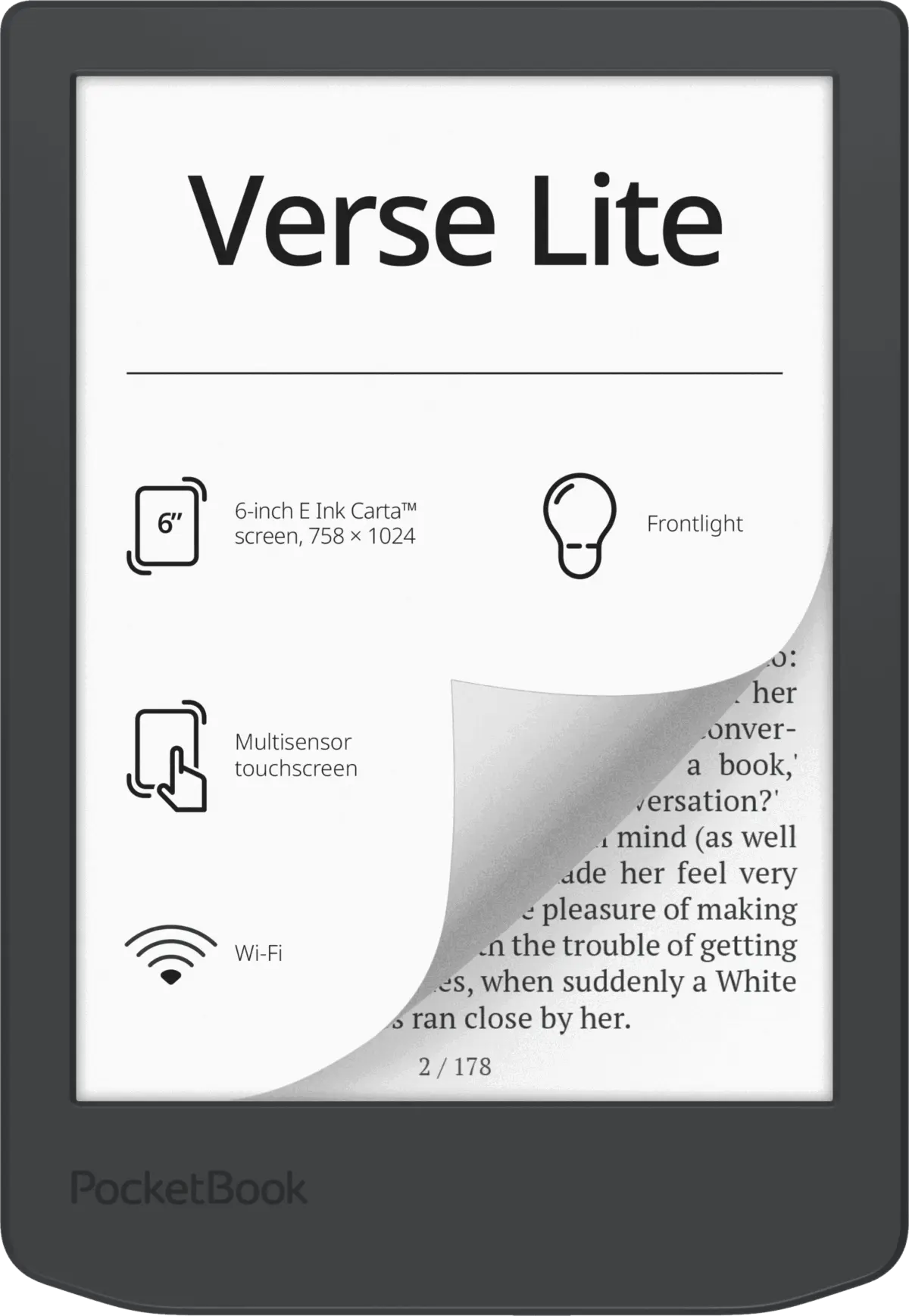
The modern e-reader landscape is defined as much by software ecosystems as it is by hardware specifications. In an era where digital library integration dictates consumer loyalty, PocketBook has taken a decisive step forward. With the rolling out of Firmware 6.11 and later, PocketBook has officially introduced native, built-in OverDrive Libby integration to two of its most popular mid-tier reading devices: the PocketBook Verse and the PocketBook Verse Lite.
For years, accessing public library resources on e-readers outside of the Kindle or Kobo ecosystems often involved cumbersome workarounds, third-party browsers, or tethering the hardware to a personal computer to sideload Adobe Digital Editions (ADE) files. This latest software update effectively eliminates those barriers. By embedding the Libby application directly into the core operating system of the Verse and Verse Lite, PocketBook allows users to browse catalogs, place holds, manage loans, and download e-books and digital magazines entirely on the device.
Alongside the headline-grabbing Libby integration, Firmware 6.11 introduces a comprehensively redesigned Task Manager, improving device responsiveness, multitasking capabilities, and overall user interface (UI) navigation. While hardware limitations—namely the absence of onboard Bluetooth in the Verse Lite—preclude the streaming or downloading of audiobooks, this update represents a massive value-add for text-based readers. It transforms an already reliable budget-friendly e-reader into a streamlined portal for public library access.
Read Also
Detailed Chronology: The Evolution of PocketBook’s Software Ecosystem
To fully understand the significance of the Firmware 6.11 update, one must examine the trajectory of PocketBook’s software development and its ongoing competition within the global e-reading market.
The Pre-Integration Era: Sideloading and Browser Workarounds
Prior to the rollout of native Libby application support, PocketBook users relied on traditional web-based browsing or Adobe-authenticated file transfers to access public library content. While PocketBook devices have long supported Adobe DRM (Digital Rights Management)—allowing users to download .acsm files from library websites via the device’s experimental web browser and convert them into readable EPUBs—the process was far from seamless.
The user experience (UX) of navigating complex library websites on an E Ink screen, which inherently suffers from refresh-rate latency, often frustrated consumers. Furthermore, managing loans, renewing items, and searching through extensive multi-library catalogs via a standard web interface proved cumbersome on a 6-inch display.
The Shift Toward Native App Integration
Recognizing that ease of use drives hardware adoption, PocketBook’s software engineering teams began prioritizing deeper third-party partnerships and optimized application frameworks. The goal was to bridge the gap between closed ecosystems (such as Amazon’s Kindle platform, which natively supports Libby only in select regions like the US via Send-to-Kindle, and Kobo, which integrates OverDrive directly into its firmware) and open Linux-based operating systems.
The development of Firmware 6.11 marked a critical turning point. By working closely with OverDrive’s API infrastructure, PocketBook adapted the Libby interface specifically for E Ink technology. This required fine-tuning greyscale rendering, optimizing touch-input responsiveness, and minimizing background battery drain—challenges unique to electrophoretic displays.
The October 2026 Rollout
Officially launched in October 2026, Firmware 6.11 began pushing as an over-the-air (OTA) update to eligible PocketBook Verse and Verse Lite units globally. Early adopters immediately reported a streamlined onboarding process, marking the end of the era where external computers were required to bridge the gap between public library collections and dedicated e-readers.
Deep Dive: Features and Functionality of Firmware 6.11
The latest firmware update is not merely a bug-fix patch; it introduces structural changes to how users interact with their PocketBook devices. Below is a comprehensive breakdown of the core additions.
1. The PocketBook x Libby Integration
The centerpiece of the 6.11 update is the native Libby app. Designed to mirror the core functionalities of its mobile and web counterparts while remaining optimized for E Ink, the integration functions as follows:
- Account Setup and Library Discovery: Users can search for their local library branch by name, postal/ZIP code, or city. A built-in country filter ensures accurate local directory listings. Once a library is selected, users sign in using their valid library card credentials.
- Catalog Browsing and Discovery: The app allows readers to preview titles, read synopses, and check availability directly on the device.
- Loan and Hold Management: Borrowing a book instantly triggers a download to the device. The app includes a dedicated "Shelf" interface for managing current loans, viewing active holds, checking due dates, and returning items early. Users who utilize multiple library systems can seamlessly switch between different cards and libraries via an accessible drop-down menu.
- Offline Reading Capabilities: Once an e-book or digital magazine is checked out and downloaded through the Libby app, it opens natively within PocketBook’s standard reading software. This ensures full access to typography adjustments, dictionary lookups, note-taking, and bookmarking features without requiring an active internet connection.
- Hardware Constraints Regarding Audiobooks: A crucial caveat for Verse Lite owners is the lack of physical hardware support for audiobooks. Because the Verse and Verse Lite models do not feature internal Bluetooth modules or audio jacks, the Libby app’s audiobook streaming capabilities are disabled on these specific devices. Audiobooks remain the domain of higher-end PocketBook models equipped with Bluetooth audio support.
2. The Redesigned Task Manager
Multitasking on E Ink devices has historically been clunky, often resulting in ghosting or sluggish transitions. Firmware 6.11 addresses this by overhauling the system’s Task Manager, introducing a modern card-based interface.

- Visual App Switcher: Open applications now appear as distinct visual cards layered over the current screen content, moving away from simple text lists or rudimentary icon grids.
- Customizable Views: Users can toggle between thumbnail previews and traditional icon views based on personal preference. Crucially, the system remembers this choice, ensuring persistent UI consistency.
- Quick Actions and Shortcuts: The redesigned Task Manager integrates quick-access toggles for essential device controls, including:
- Flight Mode (to quickly sever Wi-Fi and preserve battery)
- Device Lock
- Screenshot Capture
- Power Off
- Gesture Control and Dismissal: Managing background apps is now more intuitive. Applications are automatically sorted by recent usage, and individual apps can be closed with a single tap. Dismissing the Task Manager altogether requires only a simple swipe up from the bottom of the screen or a tap outside the active task cards.
Supporting Context, Hardware Specifications, and Market Metrics
To appreciate why the integration of Libby into the PocketBook Verse and Verse Lite matters, one must examine the hardware specifications of these devices and their positioning in the global e-reader market.
Hardware Overview: PocketBook Verse and Verse Lite
Both devices are built around a compact form factor designed for portability and traditional text consumption:
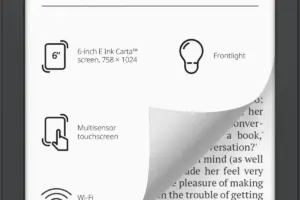
- Display: 6-inch E Ink Carta display, offering crisp text rendering and high contrast ratios suitable for prolonged reading sessions.
- Lighting: Built-in front light technology, allowing for comfortable reading in low-light environments or complete darkness without the eye strain associated with backlit LCD screens.
- Input: Capacitive multitouch screens that support modern gesture controls, including corner page-curl navigation—a signature PocketBook UI element.
- Positioning: Positioned as accessible, cost-effective alternatives to premium 7-inch or 8-inch color e-readers, appealing to purists who primarily read novels, short stories, and magazines.
The Competitive Landscape
The budget and mid-tier e-reader market is fiercely contested. Amazon dominates the entry-level space with the Kindle basic, while Rakuten Kobo commands significant loyalty through its deep, native integration with OverDrive across its entire product lineup—from the Kobo Clara series upward.
Historically, buyers seeking an open-ecosystem device (one that supports multiple file formats like EPUB, MOBI, PDF, CBR, and CBZ without forcing ecosystem lock-in) had to compromise on library access. PocketBook’s strategic decision to bring native Libby support to its more affordable hardware lines directly challenges Kobo’s dominance in the library-borrowing demographic. For budget-conscious consumers who refuse to be locked into the Amazon ecosystem, a PocketBook Verse running Firmware 6.11 presents an exceptionally attractive alternative.
Official Statements and Industry Reception
While manufacturers often let software updates speak for themselves, the tech and publishing communities have been vocal about the implications of Firmware 6.11.
Industry analysts note that library borrowing via digital channels has surged over the past half-decade, driven by rising book prices and an increased cultural emphasis on sustainable, shared digital resources. By streamlining the bridge between local municipalities and pocket-sized reading hardware, hardware manufacturers remove the friction that often deters casual readers from utilizing public library systems.
Michael Kozlowski, Editor-in-Chief at Good e-Reader, highlighted the practical significance of the update for everyday users:
"The integration of OverDrive Libby directly into the firmware of accessible devices like the Verse and Verse Lite changes the value proposition entirely. Users no longer need to jump through hoops or rely on desktop intermediaries just to read a library book on an affordable E Ink screen."
Early user reception across enthusiast forums—such as Reddit’s r/ePatre and various dedicated digital reading communities—has been overwhelmingly positive. The primary praise centers on the speed of the native app compared to the legacy browser workaround, alongside appreciation for the visual cleanliness of the redesigned Task Manager.
Future Outlook: What Lies Ahead for PocketBook and E-Reader Software
The rollout of Firmware 6.11 signals a broader industry trend: the democratization of advanced software features across all hardware tiers. No longer are seamless library integrations or fluid multitasking reserved exclusively for flagship, high-end e-readers costing upwards of $300.
As PocketBook continues to refine its Linux-based operating systems, industry watchers are speculating on future developments:
- Expansion to Older or Broader Lineups: While the Verse and Verse Lite are the immediate beneficiaries, users of other recent PocketBook models are eagerly anticipating similar firmware patches to incorporate native Libby support.
- Refinements to E Ink UI Performance: As E Ink screen refresh rates and processor efficiencies improve, software developers are pushing the boundaries of what non-Android e-readers can achieve. The card-based Task Manager introduced in 6.11 hints at a more modern, smartphone-adjacent UI philosophy adapted specifically for monochrome, low-refresh displays.
- The Ongoing Battle for Library Readers: With Kobo and PocketBook both offering robust, native library access, Amazon faces mounting pressure to expand native Libby integration beyond the limited geographic parameters currently imposed on Kindle devices.
Conclusion
PocketBook’s Firmware 6.11 update is a masterclass in extending the lifespan and utility of existing hardware. By bridging the gap between affordable e-readers and the world’s largest digital public library network, the company has reinforced its position as a formidable competitor in the global e-reading market. For owners of the PocketBook Verse and Verse Lite, the library is now quite literally at their fingertips—requiring nothing more than a tap, a Wi-Fi connection, and a library card.

Comments
Facebook App ID not configured. Please add it in the Customizer.