
Executive Overview
Literacy is the bedrock of modern education, cognitive development, and lifelong socioeconomic mobility. Yet, educators and parents worldwide face a silent, pervasive crisis: the rise of reading anxiety, academic avoidance, and outright reading refusal among children. Far too often, children who struggle with literacy are mischaracterized as lazy, defiant, or unmotivated. In reality, these children are frequently trapped in a cycle of frustration, demoralized by past failures, and weighed down by what child development specialists increasingly recognize as "reading trauma."
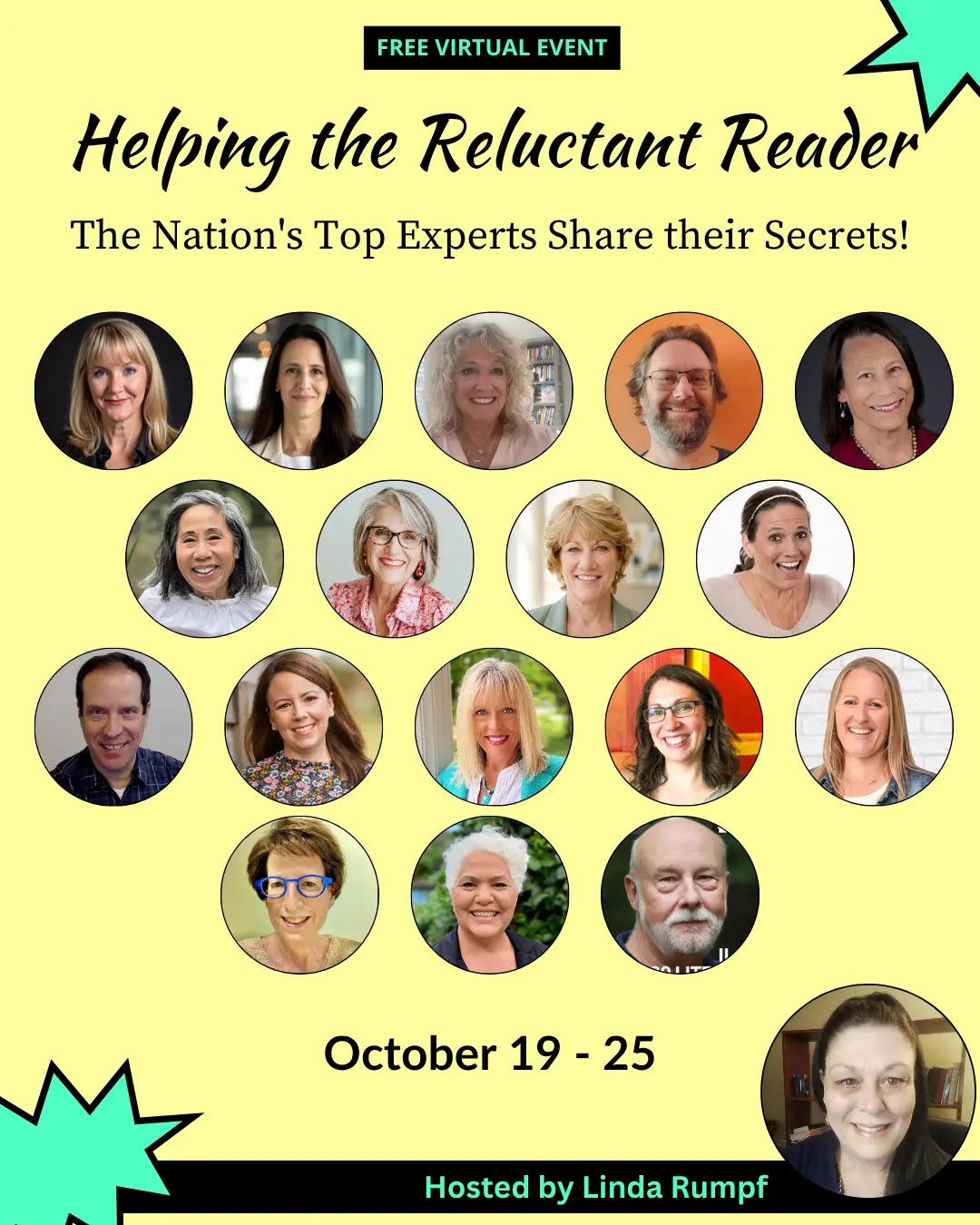
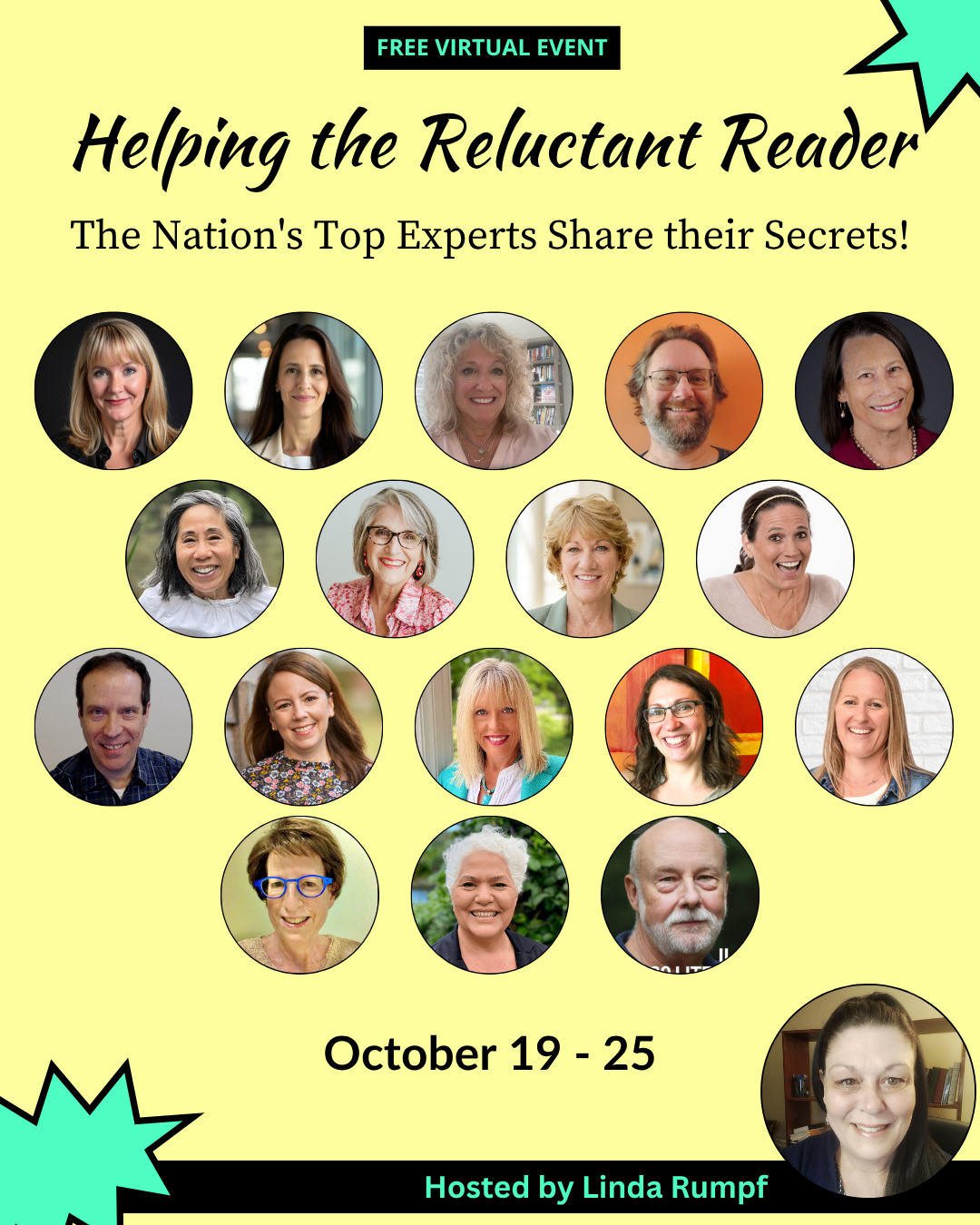
To address this pressing educational challenge, the annual Close the Reading Gap Summit has convened a powerhouse coalition of researchers, clinicians, bestselling authors, and veteran educators for its 2026 event. Dedicated entirely to the theme Helping the Reluctant Reader, this year’s free, multi-day virtual summit aims to fundamentally reshape how adults approach literacy instruction.
Among the distinguished lineup of speakers is renowned literacy advocate Mia Wenjen, who will take the virtual stage on October 19th to share actionable, research-backed methodologies designed to help parents and teachers "flip the script." Rather than relying on punitive measures or tired drills, the summit focuses on evidence-based intervention strategies, psychological reframing, morphological word play, and the strategic deployment of enticing literature. Furthermore, recognizing that literacy is a dual-engine vehicle, the event features specialized programming dedicated to transforming reluctant writers into confident creators.
Read Also
This report provides a comprehensive, journalistic investigation into the 2026 Close the Reading Gap Summit. By examining the underlying psychology of reading refusal, dissecting the seven-day speaker lineup, and evaluating expert-recommended interventions, this article serves as an authoritative guide for educators and parents striving to bridge the literacy divide.
Detailed Chronology: A Day-by-Day Breakdown of the 2026 Summit
The 2026 Close the Reading Gap Summit is structured as an intensive, multi-day masterclass. Each day of the summit targets a distinct pillar of literacy acquisition, cognitive psychology, and instructional design. Below is the detailed daily chronology of the event’s premier speaker lineup.
Day One: Working With Reluctant Readers
The summit opens with a heavy-hitting panel focused on the foundational mechanics and clinical realities of working with children who resist reading.
- Dr. Louisa Moats: A globally recognized authority on literacy and the Science of Reading, Dr. Moats brings decades of research on structured literacy, spelling, and language structure to the forefront. Her session anchors the summit in empirical science, emphasizing how explicit phonics and linguistic instruction can prevent the reading failures that lead to later anxiety.
- Nora Chahbazi: Founder of Transformation Literacy, Chahbazi brings unique insights into decoding difficulties and the restructuring of reading programs to align with cognitive architecture.
- Emily Gibbons: Known for her practical, classroom-tested approaches to structured literacy, Gibbons bridges the gap between complex cognitive science and daily pedagogical application.
- Dr. Marnie Ginsberg: A reading intervention expert, Dr. Ginsberg focuses on closing achievement gaps through targeted, small-group strategies that restore confidence in struggling learners.
Day Two: Turning Reluctant Writers into Brave Writers
Because literacy is reciprocal—reading and writing reinforce one another continuously—Day Two is dedicated entirely to written expression.
- Julie Bogart: Creator of the renowned Brave Learner philosophy and founder of Brave Writer, Bogart takes center stage to tackle writing resistance. Her session explores how to lower the affective filter in writing, transforming the dreaded blank page into an inviting canvas for self-expression, critical thinking, and storytelling.
Day Three: Understanding the Psychology of Reading Refusal
Day Three shifts the lens from mechanics to the emotional and psychological landscape of the child. Resistance is rarely about stubbornness; it is an emotional defense mechanism.
- Dr. Melanie Wilson: A psychologist and educator, Dr. Wilson unpacks the clinical psychology behind reading refusal, helping adults identify the trauma responses triggered by academic stress.
- Melanie Jeffrey & Sarah Collins: These specialists delve into practical scaffolding techniques, demonstrating how to break overwhelming reading tasks into manageable, "bite-sized" increments and how adults can successfully "flip the script" on negative reading associations.
Day Four: Teaching So They Can’t Fail
Designing foolproof instructional loops is the core focus of Day Four, ensuring that every interaction builds competence rather than compounding confusion.
- Kurt Engelmann & Sherrie Rain: This duo explores instructional design that minimizes cognitive overload. By tailoring pacing, feedback loops, and mastery-based benchmarks, they teach educators how to construct learning environments where failure is systematically replaced by incremental success.
Day Five: Fun with Words—Morphology and Poetry
Moving away from dry drills, Day Five infuses joy, rhythm, and structural word analysis into the reading equation.
- Dr. Pete Bowers: Creator of Structured Word Inquiry, Dr. Bowers demonstrates how teaching morphology (the study of word parts, roots, suffixes, and prefixes) unlocks vocabulary and makes spelling and reading a fascinating detective game rather than a memorization chore.
- Dr. Tim Rasinski: A legendary figure in reading fluency, Dr. Rasinski highlights the magic of poetry, phrasing, and expressive reading. His session proves that oral reading performance and poetic rhythm can dramatically accelerate fluency and emotional connection to text.
Day Six: Enticing Books—Your Secret Weapon
Finding the right book can act as a catalyst, instantly transforming a reluctant reader into an engaged bookworm. Day Six is all about curation.
- Mia Wenjen: A celebrated children’s author and veteran literacy advocate (Pragmatic Mom), Wenjen discusses the psychology of book selection. She shares how graphic novels, high-interest non-fiction, diverse narratives, and humor-driven plots can bypass a child’s defenses.
- Joanne Kaminski & Lori Josephson: These reading specialists expand on book-matching strategies, offering curated reading lists and techniques for hooking reluctant demographic groups.
Day Seven: More Amazing Strategies for Winning Them Over
The summit concludes with a high-impact session on advanced motivational frameworks and creative engagement tools.
- Emily Laidlaw & Kim Yarson: These experts synthesize the week’s learnings, providing final tactical frameworks, multisensory reading strategies, and emotional check-ins designed to ensure long-term, sustainable literacy habits.
Supporting Context & Metrics: The Anatomy of Reading Resistance
To fully appreciate the urgency of the 2026 Close the Reading Gap Summit, one must examine the broader educational ecosystem. According to recent national and international educational assessments, literacy rates have stagnated or declined across multiple demographics, exacerbated by pandemic-era disruptions and an over-reliance on ineffective, whole-language reading instruction models.
Defining "Reading Trauma"
In educational psychology, "reading trauma" is not a clinical psychiatric diagnosis, but rather a well-documented phenomenon describing cumulative academic distress. When a child is repeatedly asked to read aloud in front of peers before they have mastered decoding skills, their amygdala—the brain’s emotional and fear processing center—lights up.
Over time, the brain associates books and reading instruction with humiliation, anxiety, and perceived inadequacy. Consequently, the child develops avoidance behaviors. They may hide books, act out during reading block, claim they "hate reading," or experience somatic symptoms such as stomachaches when asked to open a textbook.
The Myth of the "Lazy" Reader
A core thesis of the 2026 summit is that children who resist reading are not lazy or defiant. Human beings are naturally wired for storytelling; children want to learn, succeed, and master their environments. When a child actively resists reading, they are engaging in self-preservation.
Research shows that cognitive fatigue in struggling readers is real. Decoding unfamiliar words while simultaneously trying to comprehend plot and syntax requires an immense amount of working memory. For a child with dyslexia, processing phonemes, or struggling with visual tracking, reading is the equivalent of running an academic marathon in heavy boots while others are jogging in sneakers. Recognizing this disparity shifts the adult mindset from discipline to intervention.
Official Statements and Insights from Summit Leadership
The organizing body behind the Close the Reading Gap Summit emphasizes that systemic change begins with empowering the frontline supporters: parents and educators.
"Children who resist reading are often frustrated and sick of doing it ‘wrong,’ or not making progress. You can turn this around! Helping a reluctant reader succeed often hinges on things that aren’t difficult, if you know what to do and have a few extra tools in your toolbox. Come to the summit and find out how to ‘flip the script!’" — Mia Wenjen, Summit Speaker & Literacy Advocate
Educational specialists at the summit stress that traditional parental efforts—such as nagging, offering monetary bribes for book completion, or forcing long hours of silent reading—often backfire. These tactics increase pressure and reinforce the narrative that reading is a painful chore rather than a portal to imagination and knowledge.
Instead, the summit champions a paradigm shift based on three core pillars:
- Low-Stakes Engagement: Removing performance pressure by utilizing graphic novels, audiobooks paired with text, and shared reading (where parent and child alternate pages).
- Explicit Skill Remediation: Ensuring that foundational gaps in phonemic awareness and decoding are repaired through structured, evidence-based instruction.
- Affective Validation: Acknowledging the child’s frustration openly, validating their past struggles, and actively dismantling the shame associated with reading difficulties.
Future Outlook: Transforming Literacy Instruction for the Next Generation
As we look toward the remainder of the decade, the conversation around literacy is experiencing a historic renaissance. The widespread adoption of the "Science of Reading" framework across school districts represents a massive victory for evidence-based pedagogy. However, changing instructional policies in classrooms is only half the battle; healing the emotional and psychological wounds of students who fell through the cracks of older, flawed instructional methods remains an urgent humanitarian and educational necessity.
Events like the Close the Reading Gap Summit serve as vital catalysts for this ongoing transformation. By democratizing access to top-tier experts—bringing researchers, psychologists, and bestselling authors directly to parents and teachers for free—the summit bridges the gap between academic research and living-room reality.
How to Participate
For parents watching their child push away books in frustration, and for teachers searching for breakthrough strategies to reach the back row of their classrooms, the solutions are closer than they think.
Registration for the upcoming summit is currently open. Attendees can secure their virtual seats and access the complete schedule by visiting the official registration portal via the designated Close the Reading Gap Summit Link.
By arming oneself with the right tools, modern insights, and empathetic strategies, any adult can help a reluctant child rewrite their story, turning academic anxiety into a lifelong passion for reading and writing.



Comments
Facebook App ID not configured. Please add it in the Customizer.