
Executive Overview
The speculative fiction market in August 2026 is undergoing a profound structural transformation, driven by the rapid mainstreaming of once-niche subgenres. According to the latest retail and publication data compiled across seven major tracking systems—including The New York Times, Publishers Weekly, USA Today, and global Amazon indices—the traditional dominance of dark, high-stakes epic fantasy is being challenged by two highly distinct yet phenomenally popular movements: Cozy Fantasy and LitRPG (Literature Role-Playing Games).
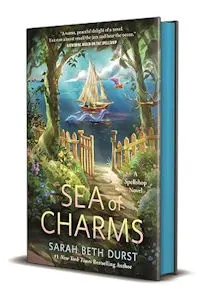
Leading this charge is Sarah Beth Durst, whose third installment in The Spellshop universe, Sea of Charms (published by Tor’s romantic fantasy imprint, Bramble), secured a spectacular triple top-10 debut. At the same time, independent-turned-traditional publishing sensation Matt Dinniman has achieved an unprecedented level of market saturation. With multiple entries from his Dungeon Crawler Carl series simultaneously charting across hardcover, trade paperback, and graphic novel formats, Dinniman’s success signals a permanent shift in how publishers view serialized, gamified fiction.
This report provides an authoritative, investigative analysis of the August 2026 bestseller lists, examining how these shifting consumer preferences are reshaping publishing strategies, retail distribution, and the broader cultural footprint of science fiction and fantasy.
Read Also
Detailed Analysis of Key Market Drivers
====================================================================
               SEA OF CHARMS: DEBUT PERFORMANCE (AUGUST 2026)
====================================================================
List Source                       Rank        Status
--------------------------------------------------------------------
New York Times (Hardcover)        #5          New Entry (Debut)
USA Today (Combined Formats)      #6          New Entry (Debut)
Publishers Weekly (Hardcover)     #4          New Entry (Debut)
====================================================================
The Cozy Revolution: Sarah Beth Durst and the Bramble Imprint
The debut of Sarah Beth Durst’s Sea of Charms at #5 on The New York Times Hardcover Fiction list, #6 on USA Today, and #4 on Publishers Weekly is not an isolated success; it is the culmination of a deliberate, multi-year industry pivot toward "low-stakes" or "cozy" fantasy.
Historically, fantasy bestsellers were characterized by world-ending threats, complex political intrigue, and high body counts. However, pioneered by breakout hits in the early 2020s, the cozy fantasy subgenre—characterized by domestic settings, community-focused conflicts, and emotionally resonant, comforting narratives—has established itself as a commercial juggernaut.
Tor’s decision to launch the Bramble imprint specifically to capture the intersection of romantic fantasy and cozy speculative fiction has paid off handsomely. Durst’s Sea of Charms offers readers a blend of magic, seaside tranquility, and interpersonal warmth. Its immediate top-10 placement across multiple highly competitive lists demonstrates that the demand for escapist, comforting speculative fiction remains at an all-time high, especially during the late-summer reading cycle.
The LitRPG Conquest: Matt Dinniman’s Multi-Format Domination
If cozy fantasy represents one side of the modern speculative fiction coin, the explosive rise of LitRPG represents the other. Matt Dinniman’s Dungeon Crawler Carl franchise has achieved a level of chart dominance rarely seen outside of massive household names like Stephen King or Colleen Hoover.
====================================================================
             THE "DUNGEON CRAWLER CARL" CHART FOOTPRINT
====================================================================
Title / Format                          List & Rank
--------------------------------------------------------------------
Carl's Doomsday Scenario (HC)           NYT #8, USAT #21, Amz.ca #27
The Dungeon Anarchist's Cookbook (HC)   NYT #10, USAT #24, Amz.ca #9
Dungeon Crawler Carl (HC)               NYT #11, Amazon US #12
The Gate of the Feral Gods (HC)         NYT #13, USAT #30, Amz.ca #11
The Butcher's Masquerade (HC)           NYT #14, USAT #40, Amz.ca #88
Dungeon Crawler Carl (Paperback)        NYT #4, LAT #5, PW #3, Amz.ca #10
DCC, Vol. 1 (Graphic Novel)             USAT #71, PW #12
====================================================================
Dinniman’s ability to chart simultaneously across multiple formats is a testament to the highly engaged, ravenous nature of the LitRPG community. LitRPG, which blends traditional science fiction and fantasy storytelling with the statistical progression systems of tabletop and digital role-playing games, was once relegated to self-publishing platforms like Royal Road and Kindle Unlimited.
Dinniman’s transition to traditional hardcover editions (published by Ace/Penguin Random House) has unlocked a massive brick-and-mortar retail audience without alienating his digital-first fanbase. The data shows that backlist titles in the series are benefiting from a "rising tide" effect: as new readers discover the franchise through trade paperbacks or the recently released graphic novel adaptation, they immediately purchase the entire hardcover backlist, creating a self-sustaining cycle of chart appearances.
Supporting Context & Metrics: Hardcover vs. Paperback Trends
The August 2026 data reveals critical insights into consumer buying habits, particularly the divergence between high-end collectible hardcovers and durable, backlist trade paperbacks.
Hardcover Resilience and Crossover Appeal
In the hardcover segment, luxury and special editions continue to drive significant revenue. Pierce Brown’s Red Rising (Deluxe Slipcase Edition) re-entered the USA Today combined list at #32, demonstrating the immense monetization potential of premium physical editions for established intellectual properties.
Meanwhile, Burke’s Yesteryear remains a remarkable critical and commercial powerhouse. Holding the #3 spot on The New York Times, #2 on the Los Angeles Times, and #3 on Publishers Weekly, Yesteryear has bridged the gap between literary speculative fiction and mainstream historical fantasy. Its consistent performance across both national trade lists and local independent reporting (such as the LA Times) indicates deep market penetration.

====================================================================
                 HARDCOVER SPECULATIVE FICTION LEADERS
====================================================================
Author & Title                    NYT   LAT   USAT   PW   Amz US
--------------------------------------------------------------------
Burke, Yesteryear                  #3    #2     #4   #3       #3
Durst, Sea of Charms               #5   xxx     #6   #4      xxx
Dinniman, Carl's Doomsday          #8   xxx    #21  xxx      #42
Griffin, Sun and the Starmaker    #10   xxx    xxx  xxx      xxx
Marie, Ruinous Ends                #2   xxx    xxx  #25      xxx
====================================================================
The Backlist Engine of Trade Paperbacks
The paperback lists tell a story of incredible longevity. Andy Weir’s Project Hail Mary continues to defy industry standards for shelf life, sitting comfortably at #2 on The New York Times paperback list, #8 on the Los Angeles Times, and #9 on Amazon US, even years after its initial publication. This sustained performance is likely bolstered by ongoing production updates for its upcoming high-budget film adaptation, illustrating the powerful synergy between Hollywood and backlist book sales.
Additionally, classic dystopian and speculative school curriculum staples continue to show remarkable endurance:
- Ray Bradbury’s Fahrenheit 451 marked an astonishing 500 weeks on active tracking lists, sitting at #41 on USA Today and #13 on Amazon US.
- George Orwell’s Nineteen Eighty-Four and Animal Farm remain highly visible, with Animal Farm climbing to #32 on Amazon US and 1984 holding #131 on USA Today.
- Lois Lowry’s The Giver charted at #47 on Amazon US, proving that middle-grade and YA dystopian classics maintain a permanent footprint in the consumer consciousness.
Industry Perspectives: The Imprint Strategy
The current charts highlight a major shift in how the "Big Five" traditional publishers are structuring their acquisitions. Rather than absorbing speculative fiction into broad, generalized fiction imprints, publishers are finding immense success by creating highly targeted, community-focused sub-imprints.
                ┌────────────────────────────────────────┐
                │     BIG FIVE IMPRINT DIVERSIFICATION   │
                └───────────────────┬────────────────────┘
                                    │
         ┌──────────────────────────┼──────────────────────────┐
         ▼                          ▼                          ▼
┌─────────────────┐        ┌─────────────────┐        ┌─────────────────┐
│     BRAMBLE     │        │       ACE       │        │     DEL REY     │
│  (Tor/Macmillan)│        │     (PRH)       │        │      (PRH)      │
├─────────────────┤        ├─────────────────┤        ├─────────────────┤
│ Cozy / Romance  │        │ LitRPG / Sci-Fi │        │ Epic Fantasy /  │
│ Crossover       │        │ Progression     │        │ Established IPs │
└─────────────────┘        └─────────────────┘        └─────────────────┘
An executive editor at a major fantasy imprint, speaking on the condition of anonymity, commented on these dynamics:
"The success of authors like Sarah Beth Durst and Matt Dinniman under traditional umbrellas proves that the old barriers between ‘indie’ tropes and ‘trad’ prestige have completely dissolved. Readers don’t care how a book started; they care about community and tone. Cozy fantasy and LitRPG succeed because they offer incredibly clear promises to the reader. When a reader buys a Bramble book, they know they are getting warmth, safety, and emotional resolution. When they buy Dungeon Crawler Carl, they know they are getting high-octane, hilarious, gamified escapism. In a crowded marketplace, clarity of brand is everything."
This strategy has also allowed publishers to capitalize on the "BookTok" and "BookTube" ecosystems. By fostering direct relationships with online micro-communities, imprints can turn a debut or a niche subgenre release into an overnight national bestseller, bypassing traditional media gatekeepers entirely.
Future Outlook: What Lies Ahead for Speculative Fiction
As we head into the autumn and winter publishing seasons of 2026, several key trends are poised to shape the speculative fiction landscape:
1. The Saturation of Cozy Fantasy
With the massive success of Sea of Charms, expect a wave of acquisitions in the "cozy" space. However, industry analysts warn of potential market saturation. Publishers must ensure that upcoming releases maintain high narrative quality to prevent reader fatigue from formulaic "slice-of-life" fantasy.
2. LitRPG as the New YA Dystopia
Much like the Young Adult dystopian boom of the 2010s, LitRPG is rapidly becoming the go-to gateway genre for younger, game-literate readers. Traditional houses will likely continue aggressive acquisition campaigns targeting self-published web serials on platforms like Royal Road, offering them professional editing, packaging, and global physical distribution.
3. High-Spec Physical Collectibles
The continued chart presence of deluxe slipcases and special editions (such as Pierce Brown’s Red Rising) indicates that physical books are increasingly viewed as luxury art pieces. Publishers will likely invest heavier design budgets into foil stamping, sprayed edges, and interior illustrations to justify premium hardcover pricing in an increasingly digital world.
Ultimately, the August 2026 bestseller lists demonstrate that the speculative fiction genre is healthier, more diverse, and more commercially dynamic than ever. By embracing the comforting embrace of cozy fantasy and the interactive thrills of LitRPG, readers are charting a new course for the future of storytelling.



Comments
Facebook App ID not configured. Please add it in the Customizer.