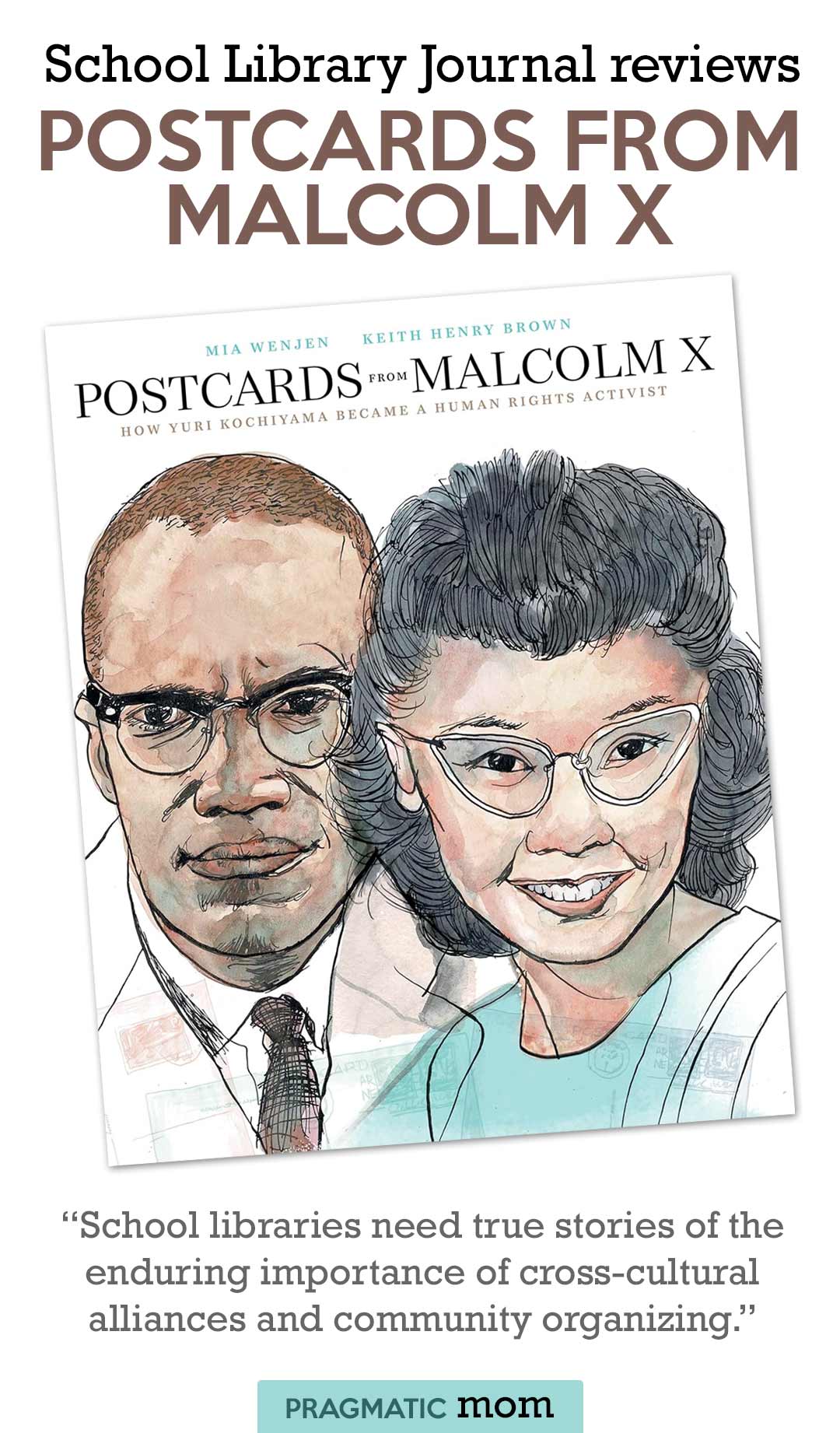
In the literary and educational landscape of middle-grade nonfiction, few recent releases have captured the urgent need for cross-cultural solidarity quite like Mia Wenjen’s upcoming picture book biography, Postcards from Malcolm X: How Yuri Kochiyama Became a Civil Rights Activist. Featuring stunning, layered mixed-media illustrations by Keith Henry Brown, the book traces the profound and transformative friendship between Japanese American activist Yuri Kochiyama and African American civil rights icon Malcolm X.
Slated for prominent acclaim ahead of its official release, the title earned a glowing review in the July issue of the School Library Journal (SLJ), penned by reviewer Jessica Fenster-Sparber. Praised for its accessible narrative style, sensitive handling of complex historical trauma—including Malcolm X’s assassination at the Audubon Ballroom, which Kochiyama personally witnessed—and its vital contribution to middle-grade nonfiction, the book has quickly become a focal point for educators, librarians, and historians.
This article provides an in-depth exploration of Postcards from Malcolm X, examining its historical significance, artistic merit, pedagogical value, and the broader context of multicultural alliance-building in children’s literature. Through an analysis of critical reviews, authorial intent, and the complementary back matter, this piece underscores why the book is deemed an essential addition to school and public libraries nationwide.
Detailed Chronology: From Internment to Intersectional Activism
To fully appreciate the narrative arc of Mia Wenjen’s work, one must examine the extraordinary chronological span of Yuri Kochiyama’s life, which serves as the backbone of the biography.
Early Life and World War II Incarceration
Born Mary Yuri Nakahara in 1921 in San Pedro, California, Kochiyama lived a relatively typical American middle-class life until the cataclysmic events of December 7, 1941. Following the bombing of Pearl Harbor, the United States government enacted Executive Order 9066, forcibly uprooting and incarcerating over 120,000 individuals of Japanese descent—the majority of whom were American citizens—into desolate inland concentration camps.
Kochiyama and her family were interned at the Jerome Relocation Center in Arkansas. This state-sanctioned violation of civil liberties became the crucible for her lifelong political awakening. Witnessing firsthand the systemic racism and institutional oppression directed at Japanese Americans exposed the fault lines of American democracy. However, it also planted the seeds for her later worldview, which recognized that the fight for justice could not be isolated to a single ethnic community.
Moving East and the Harlem Awakening
After the war, Kochiyama married Bill Kochiyama, a Nisei veteran of the famed 442nd Regimental Combat Team, and eventually settled in Harlem, New York, in the late 1940s. Living in a predominantly Black and Puerto Rican neighborhood profoundly shifted Kochiyama’s socio-political framework. She immersed herself in community organizing, education, and the burgeoning Civil Rights Movement.
It was during this period in Harlem that her path converged with that of Malcolm X. Drawn to his uncompromising stance against white supremacy, systemic poverty, and colonialism, Kochiyama joined the Organization of Afro-American Unity (OAAU). Their relationship blossomed through deep intellectual exchanges, political collaboration, and personal correspondence—the foundation of Wenjen’s narrative framework.
Witness to History: The Audubon Ballroom
One of the most delicate yet crucial narrative turning points in Wenjen’s book is the depiction of February 21, 1965, at the Audubon Ballroom in Washington Heights, New York. Kochiyama was seated near the front when Malcolm X was assassinated. Famously captured in historical photographs cradling the dying leader’s head, Kochiyama’s presence underscored her deep proximity to the epicenter of Black liberation struggles.
Wenjen handles this traumatic event with extraordinary care, tailored specifically for readers in grades 3 through 7 (ages 8 to 13). The School Library Journal review explicitly highlights this artistic and editorial choice, noting that the assassination is depicted "with sensitivity and without graphic imagery," making it palatable and educational for older elementary and middle school demographics.
Supporting Context & Metrics: The Artistry and Accessibility of the Book
Postcards from Malcolm X bridges the gap between dense historical text and the visual engagement required by modern young readers. Published by Red Comet Press, the physical and artistic dimensions of the book are central to its critical success.
Visual Architecture: Keith Henry Brown’s Illustrations
Illustrator Keith Henry Brown employs a sophisticated, layered technique combining ink, watercolor, gouache, and pastels. The color palette is deliberately constrained, relying on earthy tones of rich browns, warm tans, deep reds, and muted blues. This stylistic choice evokes the historical texture of the mid-20th century while drawing the reader’s eye toward emotional focal points.
According to literary critics, Brown’s visual interpretations do heavy lifting, helping young readers navigate abstract concepts such as systemic segregation, grassroots organizing, and international solidarity. The interplay between Wenjen’s concise, punchy text and Brown’s textured artwork ensures that independent readers remain engaged from cover to cover.
Pedagogical Utility and Back Matter
Writing for middle-grade audiences requires a delicate balance between historical accuracy and brevity. As Fenster-Sparber notes in the SLJ review, while certain complex historical nuances are necessarily streamlined for brevity, this trade-off is vastly outweighed by the book’s monumental contribution to multicultural picture book biographies.
To compensate for necessary textual omissions, Wenjen and the editorial team at Red Comet Press have curated robust back matter. This educational scaffolding includes:
A Detailed Historical Timeline: Contextualizing key milestones in both Kochiyama’s life and the broader Civil Rights Movement.
Biographical Profiles: Short, accessible paragraph-long biographies of both Yuri Kochiyama and Malcolm X.
Comprehensive Glossary: Defining complex political and historical terms for younger readers.
Author, Editor, and Artist Notes: Providing meta-narrative insights into the collaborative creation of the book, fostering media literacy and an understanding of how historical nonfiction is produced.
Official Statements & Critical Reception
The critical reception of Postcards from Malcolm X has been overwhelmingly positive, cementing its status as an indispensable resource for educators navigating modern social studies curricula.
In her July 1, 2026 review for the School Library Journal, Jessica Fenster-Sparber delivered a definitive verdict that has resonated throughout the children’s literature community:
"School libraries need true stories of the enduring importance of cross-cultural alliances and community organizing. Recommended for middle grade nonfiction collections."
This sentiment echoes a growing demand among educators for literature that transcends traditional, siloed historical narratives. For decades, the Civil Rights Movement was taught primarily as a binary narrative between Black Americans and white institutions. Books like Postcards from Malcolm X shatter this monolithic framework, illustrating how Asian American, Latino, Indigenous, and African American activists forged powerful coalitions to challenge imperialism, police brutality, and economic exploitation.
Furthermore, the literary community has praised the book’s timing. In an era where discussions surrounding intersectionality, ethnic studies, and inclusive history are frequently contested in public discourse, Wenjen’s work offers a clear, historically grounded beacon of empathy and cross-cultural unity.
Future Outlook: Impact on Curricula and Related Works
As Postcards from Malcolm X prepares to reach classrooms and library shelves, its long-term impact on middle-grade education promises to be profound. The book serves as an ideal anchor text for units covering:
The Global Civil Rights Movement: Connecting domestic struggles in the United States to international anti-colonial movements.
Asian American History: Highlighting activist figures outside of the standard WWII internment narrative, proving that Asian Americans have historically been active agents in civil rights coalitions.
Primary Source Literacy: Using the concept of "postcards" and correspondence to teach children how historians reconstruct the past through letters, diaries, and personal archives.
Expanding the Canon of Diverse Nonfiction
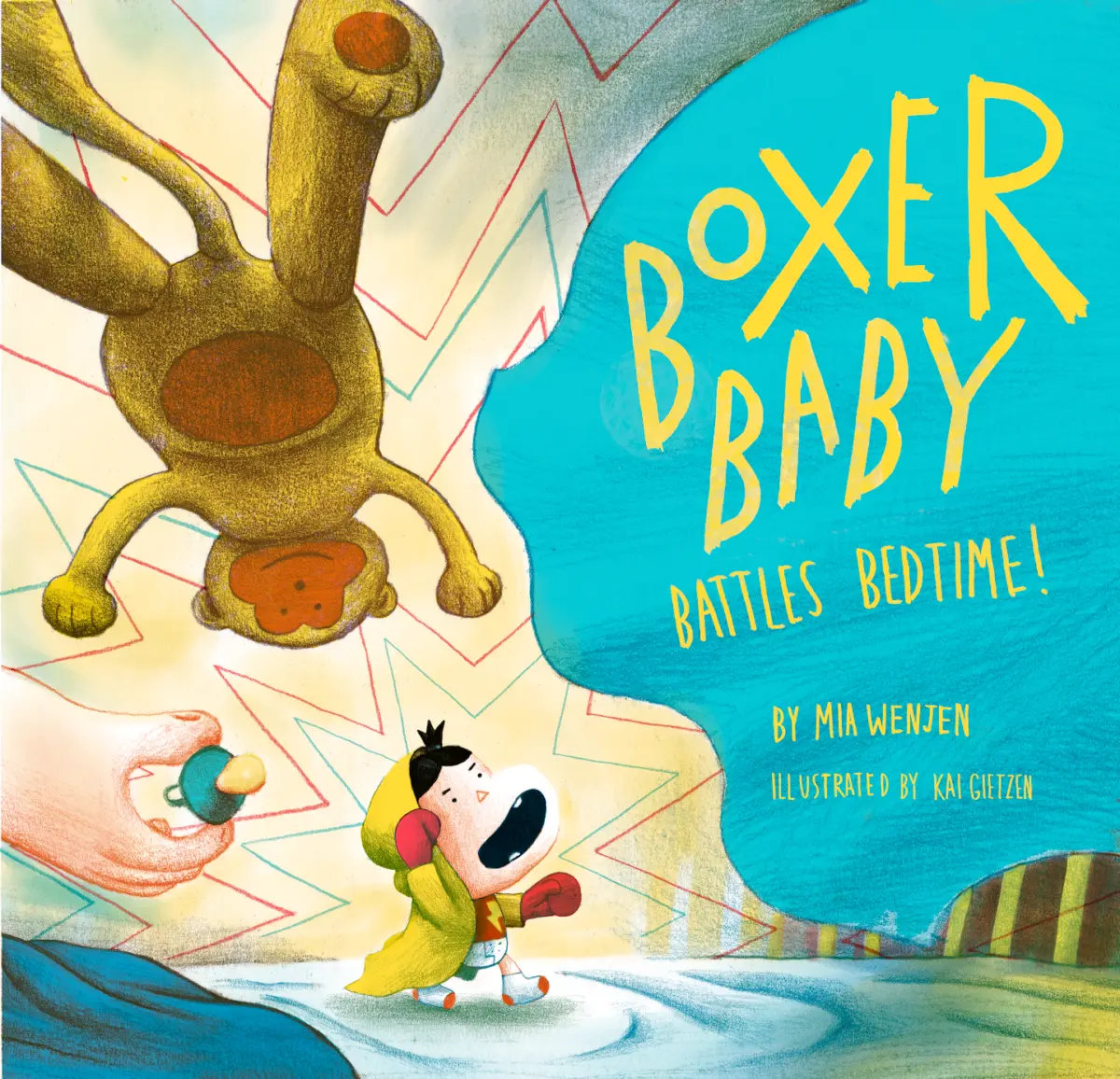
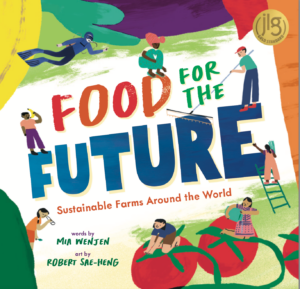
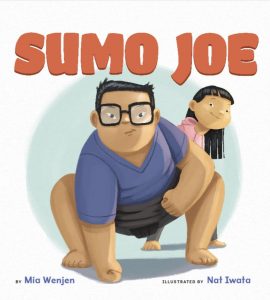
Mia Wenjen has established herself as a powerhouse in diverse children’s nonfiction. Postcards from Malcolm X joins an impressive bibliography of works that explore marginalized histories, social justice, and cultural heritage with nuance and joy. Her complementary titles—such as Barbed Wire Between Us (illustrated by Violeta Encarnación), which explores WWII internment parallels; Fortune Cookies for Everyone! (Smithsonian); The Traveling Taco; and We Sing from the Heart: How the Slants® Took Their Fight for Free Speech to the Supreme Court—form a cohesive ecosystem of literature dedicated to free speech, civil liberties, and cultural cross-pollination.
With the release of the official book trailer—featuring authentic archival audio and speeches by Yuri Kochiyama herself—educators have access to multi-modal teaching tools designed to bring history to life for digital-native students.
Conclusion
Postcards from Malcolm X: How Yuri Kochiyama Became a Civil Rights Activist is more than a biography; it is a masterclass in empathy, historical inquiry, and intersectional solidarity. By illuminating the extraordinary bond between two of the 20th century’s most dedicated revolutionaries, Mia Wenjen and Keith Henry Brown have gifted a new generation of readers a blueprint for community organizing and mutual respect. For school libraries, public collections, and home bookshelves alike, this slim yet monumental volume is an essential investment in a more inclusive and interconnected future.





Comments
Facebook App ID not configured. Please add it in the Customizer.