
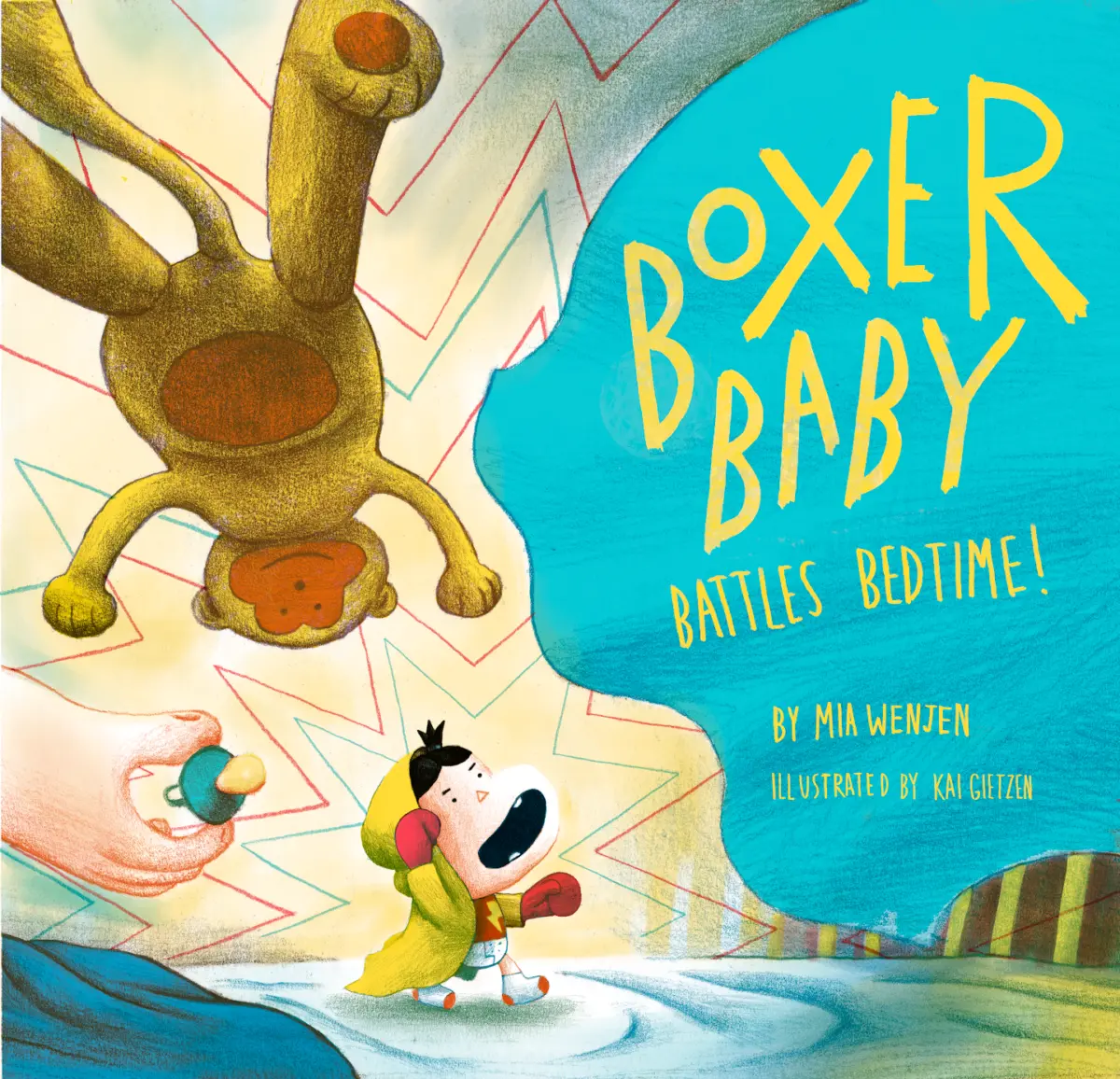
Annual library association conferences are rarely limited to convention center hallways, vendor booths, and panel discussions. They frequently serve as portals into the cultural, historical, and civic fabric of the host city. During a recent trip to Chicago for the American Library Association (ALA) conference, a meticulously planned itinerary organized by author Alison Goldberg transformed into an immersive exploration of American social history, civil rights surveillance, and urban transit realities.
What began as an ambitious attempt to squeeze in the Jane Addams Hull-House Museum Tour and the Jane Addams Peace Association Children’s Book Awards quickly evolved into a masterclass in Friday afternoon Chicago traffic navigation. Alongside fellow traveler Kathy Choi, the journey underscored the unpredictable friction points of modern municipal transit. Yet, these logistical hurdles provided an unexpected backdrop for profound historical reflections—ranging from the early roots of queer-inclusive spaces in the Midwest to the long-standing, pervasive surveillance operations conducted by federal intelligence agencies against progressive thought leaders and activists.
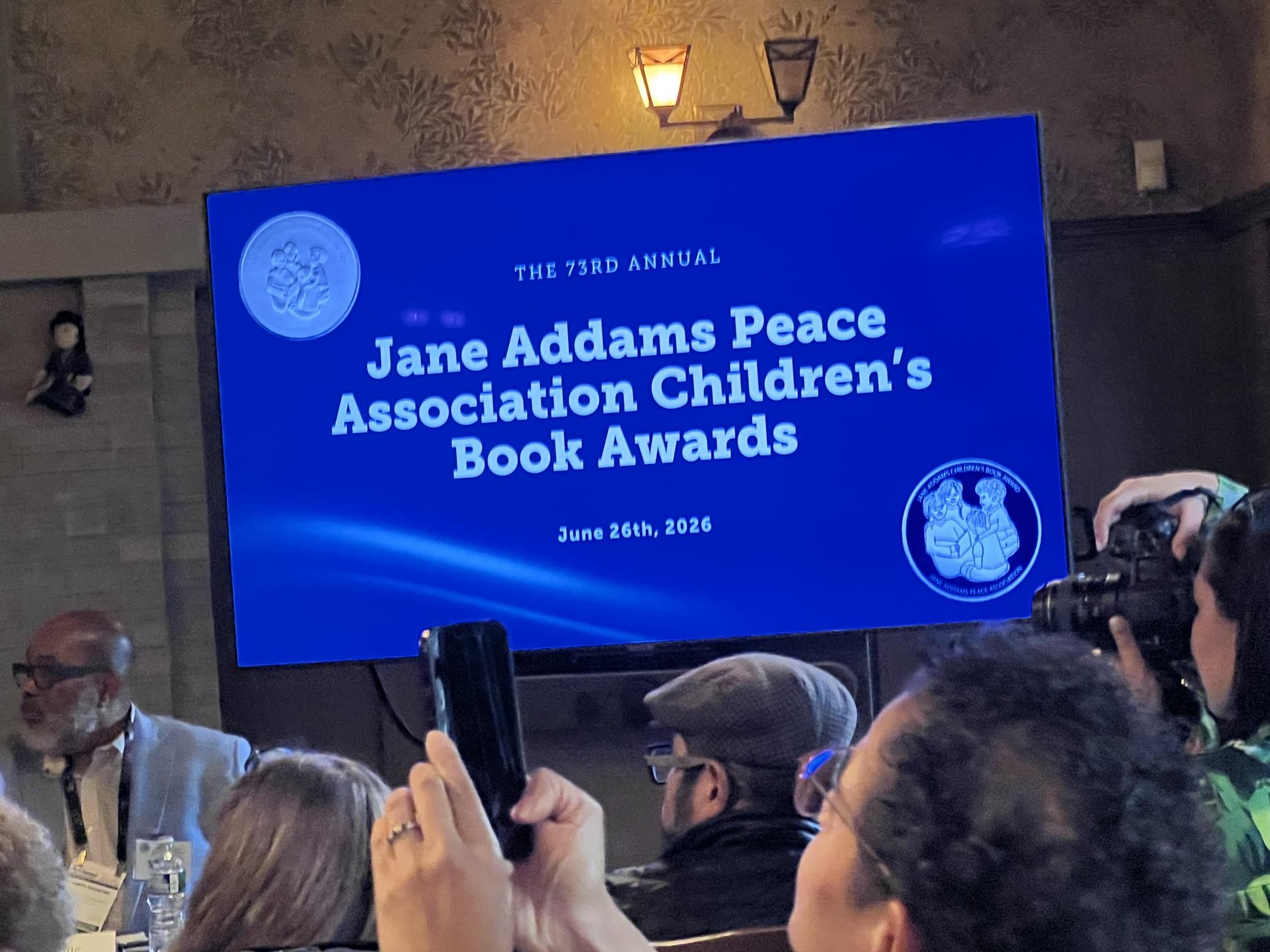
This report offers a comprehensive examination of the events surrounding the museum visit and awards ceremony. It explores the foundational history of Hull House as a historic sanctuary for marginalized voices, contrasts historical government overreach with modern insights from children’s literature, and details the celebratory atmosphere of the literary awards ceremony. Furthermore, this document provides structured insights into urban traffic dynamics, historical civil rights preservation, and the broader implications of community-driven activism in contemporary society.
Read Also
Detailed Chronology: From Boston to the Windy City
The expedition commenced at Boston Logan International Airport, where travelers Kathy Choi and our narrator boarded a direct flight bound for Chicago. With a scheduled landing time of 2:30 PM, the itinerary appeared deceptively spacious. The plan allowed for a two-hour window before a 4:30 PM museum tour, complete with a detour to check into the hotel and drop off luggage. In theory, the mathematics of the schedule were sound. In practice, they collided with the formidable reality of Chicago’s weekend vehicular congestion.
Upon touching down at O’Hare or Midway (with downtown transit times serving as the primary bottleneck), the travelers secured an Uber for the final leg of the journey. The initial assumption—forged from previous trips visiting a daughter at Northwestern University in Evanston, which typically required a straightforward hour of transit—was immediately challenged.
As the vehicle crawled through the metropolitan arteries, the driver offered a sobering local advisory: Chicago traffic is not merely a rush-hour phenomenon; it is a permanent fixture of weekdays starting precisely at 2:00 PM. Remarkably, this congestion pattern encompasses incoming highway traffic, defying the typical suburban-to-urban commuter flow. To circumvent the parking-lot conditions of the major expressways, the driver resorted to navigating an intricate maze of side streets. While this unconventional route provided an authentic, ground-level view of Chicago neighborhoods, it ate away at the pre-allocated schedule.

Despite the transit delays, the travelers arrived at the Jane Addams Hull-House Museum just in time to join a vibrant, well-attended tour. The delay, while anxiety-inducing, set an exploratory tone for an afternoon dedicated to uncovering the layers of social reform history embedded in America’s urban centers.
Supporting Context & Metrics: History, Surveillance, and Urban Logistics
The Hull House Legacy and Safe Spaces
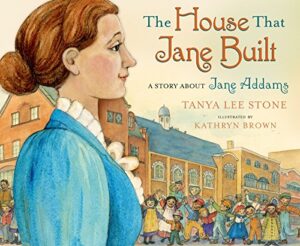
Founded in 1889 by Jane Addams and Ellen Gates Starr, Hull House was established as a settlement house on Chicago’s Near West Side designed to provide social and educational opportunities for working-class immigrants. Beyond its immediate neighborhood impact, the institution operated as a crucible for progressive reform, labor rights, and women’s suffrage.

Historical archives and museum exhibitions reveal a lesser-known dimension of Hull House: it served as an early, relatively safe sanctuary for queer individuals during an era of intense societal repression. In a Victorian and early 20th-century landscape dominated by rigid conformity, the settlement house fostered an environment of intellectual and personal freedom, attracting diverse thinkers, artists, and reformers who challenged the status quo.
Federal Surveillance: From Addams to Kochiyama
The progressive ecosystem cultivated at Hull House did not go unnoticed by the federal government. The Federal Bureau of Investigation (FBI) and its predecessor agencies maintained rigorous, long-term surveillance operations on Hull House participants and leadership. Intelligence officials were deeply alarmed by the convergence of diverse thought leaders—spanning pacifists, socialists, labor organizers, and racial justice advocates—viewing intellectual cross-pollination as a threat to national security.

This institutional paranoia was not unique to Chicago. Parallels can be drawn to the surveillance of other prominent civil rights figures, as documented in children’s and young adult literature such as Postcards from Malcolm X: How Yuri Kochiyama Became a Civil Rights Activist. Historical records indicate that federal surveillance networks extended deep into ordinary-seeming communities decades before major historical flashpoints like the bombing of Pearl Harbor. For instance, federal operatives rented a home directly across the street from the Kochiyama family in San Pedro, California, monitoring their daily lives simply because the family achieved middle-class status in a predominantly white neighborhood through the father’s wholesale fish business.
These historical intersections raise enduring questions regarding the scope, mandate, and civil liberties implications of domestic intelligence gathering—questions that continue to resonate within contemporary discussions of government transparency and civic freedom.

Urban Transit Metrics and Municipal Realities
Navigating Chicago during peak operational hours remains a critical variable for conference attendees. Data compiled from metropolitan transit authorities and ride-share analytics indicate that average vehicle speeds in central business districts drop by up to 45% between 2:00 PM and 6:30 PM on weekdays. Key metrics affecting travel efficiency include:
- Highway Ingress Bottlenecks: Unlike traditional commuter models where inbound traffic clears by midday, Chicago’s central expressways (such as the I-90/94 Kennedy and Dan Ryan arteries) experience continuous mid-day friction driven by commercial logistics, localized event scheduling, and regional convergence.
- Arterial Diversion Efficacy: While side-street navigation avoids highway standstills, traffic signal density in neighborhoods like the Near West Side introduces frequent stops, rendering travel times highly variable.
- Conference Season Surges: Major professional gatherings, such as the American Library Association (ALA) conference, introduce thousands of transient visitors into the municipal grid, compounding baseline local traffic by an estimated 15% to 20% in hospitality and museum districts.
Official Statements and Literary Perspectives
The culmination of the afternoon’s events centered on the Jane Addams Peace Association Children’s Book Awards ceremony. The gathering served as a powerful testament to the role of literature in shaping social consciousness, fostering empathy, and educating younger generations about peace, justice, and human rights.

Authors, illustrators, and organizational leaders took to the podium to share the personal motivations behind their works and the intricate "stories behind the stories." These addresses emphasized the necessity of truth-telling in children’s publishing—encouraging young readers to examine history critically, question institutional injustice, and understand the contributions of overlooked historical figures.
Key takeaways from the awards presentations included:
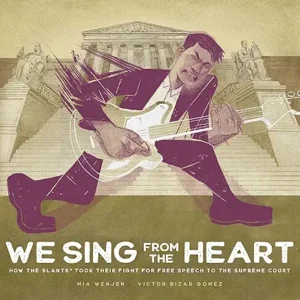
- The Power of Narrative Resistance: Speakers highlighted how picture books and biographical literature act as foundational tools for dismantling prejudice and inspiring community-level activism.
- Behind-the-Scenes Creation: Creators detailed the rigorous archival research required to authentically represent historical figures like Jane Addams, Malcolm X, and Yuri Kochiyama for young audiences.
- Community Validation: The high attendance and enthusiastic audience reception underscored a robust, nationwide demand for literature that addresses complex social themes with nuance and respect.
Future Outlook: Preservation, Education, and Civic Engagement
As cultural institutions face evolving financial, political, and operational pressures, the preservation of historical landmarks like the Jane Addams Hull-House Museum remains vital. These spaces do not merely archive the past; they provide active blueprints for contemporary social reform.
Looking forward, several key trajectories are shaping the intersection of children’s literature, civil rights education, and urban event planning:
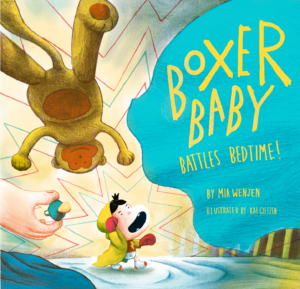
- Curricular Integration: Educators increasingly rely on meticulously researched historical picture books to introduce complex concepts of civil liberties, government surveillance, and social equity to early readers. Works highlighting historical changemakers bridge the gap between academic history and accessible storytelling.
- Urban Mobility Adaptation: As cities grow denser, conference organizers and municipal planners must collaborate to implement real-time transit alerts, dedicated shuttle networks, and optimized routing guides to mitigate the perennial challenges of peak-hour urban congestion.
- Continued Advocacy for Free Expression: Literary awards ceremonies and professional association conferences will continue to serve as vital platforms for defending intellectual freedom, supporting marginalized voices, and celebrating literature that challenges structural inequality.
Ultimately, what began as a frantic dash through the gridlocked streets of Chicago transformed into a profound reminder of why historical institutions and truth-seeking literature matter. By honoring the legacy of Jane Addams and recognizing the ongoing fight for civil rights, attendees left the ALA conference not only with new books and broadened horizons, but with a renewed commitment to questioning the status quo and preserving the spaces where true community is built.




Comments
Facebook App ID not configured. Please add it in the Customizer.