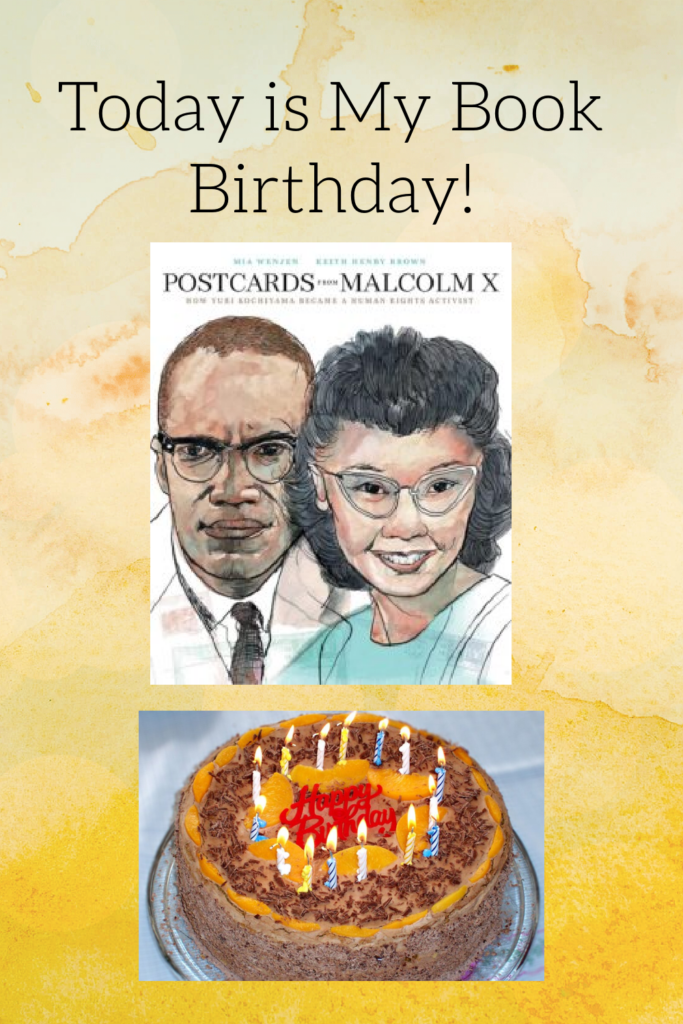
The landscape of modern children’s literature has experienced a profound shift toward historical narratives that challenge monolithic perspectives, spotlighting intersectional heroes whose lives bridge disparate communities. Postcards from Malcolm X: How Yuri Kochiyama Became a Human Rights Activist, written by Mia Wenjen and illustrated by Keith Henry Brown, published by Red Comet Press, stands as a premier example of this literary evolution. Aimed at readers ages seven and up, this picture book biography chronicles the extraordinary life of Yuri Kochiyama—a Japanese American woman whose chance meeting with Malcolm X at a courthouse in 1963 sparked a transformative friendship grounded in justice, solidarity, and hope.
Beyond recounting a historical alliance, Wenjen’s work serves as a vital pedagogical tool. It examines the realities of cross-racial coalition building, the psychological impact of structural oppression, and the persistence required to overcome initial suspicion between minority groups fighting intertwined struggles. In celebration of the book’s official launch—its "book birthday"—Wenjen offers an intimate look at the historical forces that shaped Kochiyama, the mechanics of her mentorship under Malcolm X, and the enduring lessons this unique relationship holds for contemporary social justice movements.
Detailed Chronology: From Small-Town California to the Heart of Harlem
To understand the magnitude of Yuri Kochiyama’s legacy, one must trace the winding trajectory of her life—a journey marked by privilege, profound institutional betrayal, and ultimate radicalization in the service of universal human rights.
Long before she became a towering figure in the civil rights movement, Yuri Kochiyama was a small-town girl in California. Growing up, she lived the quintessential, albeit naive, existence of an "All-American" youth. In her early years, she was shielded from—or perhaps willfully blind to—the systemic inequalities woven into the fabric of American society. She genuinely believed that racism did not exist, or at the very least, that it had no bearing on her daily life or future prospects. Equipped with strong writing abilities honed as a high school journalist and a natural magnetism defined by exceptional social-emotional intelligence, she possessed the foundational communication tools of an organizer long before she had a cause to champion.
The Shattering Realities of World War II
The illusion of safety and inclusion was violently shattered by the outbreak of World War II. Following the signing of Executive Order 9066, Kochiyama’s family, along with over 120,000 Japanese Americans, was forcibly uprooted from their home and incarcerated behind barbed wire in American concentration camps. This trauma was compounded by a devastating personal tragedy: her father died following a brutal interrogation by the FBI shortly after the attack on Pearl Harbor, broken down by the stress of unwarranted government suspicion.
These state-sanctioned abuses burst the bubble of her childhood innocence. Yet, rather than retreating into bitterness, Kochiyama channeled her experiences outward. During the war and its immediate aftermath, she worked with returning Japanese American soldiers, witnessing firsthand the sacrifices of marginalized people fighting for a country that denied them basic civil liberties. This period marked her formal awakening as an activist, turning her toward a life dedicated to dismantling oppression.
The Convergence in Harlem and the Mentorship of Malcolm X
Following her move to New York City, Kochiyama settled into Harlem, immersing herself in the local community and aligning herself with the Black-led freedom struggles of the era. However, while she possessed immense passion and a proven track record of grassroots organizing, she initially lacked a comprehensive framework for understanding the structural mechanics of white supremacy and systemic racism.
That framework was provided by Malcolm X. As Kochiyama would later detail in her autobiography, Malcolm X was the most influential teacher of her activist life. Possessing a rare genius for breaking down complex socio-political concepts into accessible, undeniable truths, Malcolm X demystified the levers of power that perpetuated racial inequality.
What began as a political alliance quickly blossomed into a profound friendship and mentorship. Recognizing her steadfast dedication, Malcolm X promised to write to Kochiyama during his next international journey. True to his word, he sent her a series of poignant postcards from abroad—artifacts that are prominently featured in Wenjen’s book, offering young readers a tangible connection to history.
Legacy and Education
Following Malcolm X’s tragic assassination in 1965, Kochiyama refused to let his vision fade. She dedicated decades of her life to preserving and propagating his teachings, developing comprehensive educational curricula about his philosophy, which she presented in schools across the country. In many ways, Kochiyama’s lifelong evolution into a fearless human rights activist functioned as an ongoing tribute to the work and legacy of her mentor.
Supporting Context & Metrics: Overcoming the Barriers of Cross-Racial Solidarity
Mia Wenjen’s decision to center Postcards from Malcolm X on the relationship between Kochiyama and Malcolm X was driven by a deliberate pedagogical and social objective: to provide a historical blueprint for intersectional, cross-racial solidarity that can guide contemporary movements.
Navigating Initial Skepticism and Earning Trust
Building coalitions across different ethnic and racial groups is rarely straightforward, even among minority populations facing overlapping forms of marginalization. Wenjen emphasizes that Kochiyama’s integration into Harlem’s civil rights ecosystem was not met with immediate open arms.
When Kochiyama first approached Malcolm X at a courthouse in 1963, he was understandably skeptical. As a prominent national figure and civil rights icon, he was frequently approached by well-wishers and curiosity-seekers. He openly questioned her motivations, testing her commitment to the cause.
Kochiyama’s ultimate acceptance into the inner circle of the movement was not a result of privilege or entitlement; it was earned through relentless physical presence and labor. She showed up day after day, performing vital administrative and grassroots work without ever demanding public credit or personal recognition. This humility and endurance broke down initial hostility, establishing a model of authentic allyship.
The Contemporary Relevance of Historical Grit
Reflecting on the challenges Kochiyama faced, Wenjen points out that this historical hesitation and suspicion may explain why robust cross-racial solidarity remains difficult to achieve today. True solidarity requires more than superficial alliances; it demands accountability, sustained physical presence, and the willingness to do unglamorous work in support of communities outside one’s own.
By introducing these complex dynamics to young readers ages seven and up, Postcards from Malcolm X aims to foster a new generation of activists equipped with both the inspiration to unite and the emotional resilience required to navigate the inevitable friction of coalition building.
Official Statements and Author Insights
In statements surrounding the release of Postcards from Malcolm X, author Mia Wenjen elaborated on the creative and educational imperatives that shaped the project:
"For this book, I wanted to show intersectional, cross-racial solidarity, as an example from the past that will hopefully inspire similar collaboration today and in the future. It was important to me to show Yuri Kochiyama’s activity journey. She started as a naive ‘All-American’ who didn’t think racism existed. It certainly didn’t affect her throughout her childhood and into high school. Her experiences during WWII burst that bubble, and her awakening as an activist began, but also utilized her skill set."
Wenjen also highlighted the unique communicative strengths that propelled Kochiyama into leadership roles:
"She was a journalist in high school and had excellent writing skills. She was a people-person with exceptional social-emotional skills and had a leadership style that made people want to join in her causes."
Discussing the core educational takeaway of the book regarding cross-racial bridge-building, Wenjen noted:
"I think this friendship is a realistic example of what it takes to cross racism barriers, even amongst minority groups fighting the same fight. Yuri had to prove herself to the Black Civil Rights activists by showing up, again and again, and doing the work (without asking for credit)… Perhaps this initial suspicion and hostility is why there isn’t more cross-racial solidarity today. Yuri’s commitment serves as a role model for us all on what it takes to actually be able to support all causes, across all different ethnic groups. I hope this book inspires our children on how powerful uniting together can be, but also how difficult it is to create those ties."
Future Outlook: Educational Impact and Community Engagement
As Postcards from Malcolm X makes its way into classrooms, libraries, and family bookshelves, its publication marks a significant milestone in multicultural children’s literature. Published by Red Comet Press and elevated by the evocative, historically grounded illustrations of Keith Henry Brown, the book bridges a critical gap in educational curricula concerning the interconnected nature of 20th-century American civil rights movements.
To celebrate the book’s launch, Mia Wenjen has initiated a community engagement campaign, offering signed copies of the title to educators, parents, and young readers who commit to sharing how they plan to utilize the text in their communities. Supported by extensive back matter, timelines, and primary-source integration, the book is poised to become a staple in discussions surrounding youth activism, social justice, and historical solidarity.
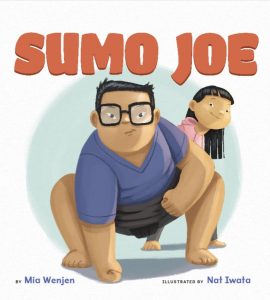
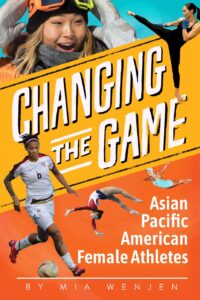
Through works like Postcards from Malcolm X, alongside her other acclaimed titles such as Barbed Wire Between Us, Fortune Cookies for Everyone!, and We Sing from the Heart, Wenjen continues to expand the canon of diverse children’s literature, ensuring that the architects of cross-cultural justice are remembered, studied, and emulated by future generations.





Comments
Facebook App ID not configured. Please add it in the Customizer.