In an era dominated by hyper-curated digital landscapes, algorithmic beauty standards, and pervasive social media pressures, children are encountering messages about their physical appearances at increasingly younger ages. The psychological toll of unrealistic body expectations—manifesting as negative self-talk, disordered eating patterns, anxiety, and internalized bias—has become a pressing concern for educators, psychologists, and parents alike.
Counteracting these damaging narratives requires proactive, compassionate interventions that begin in early childhood. Literature serves as one of the most powerful tools for reshaping these internal dialogues. By introducing diverse, inclusive, and empowering picture books and middle-grade novels, caregivers can help children reframe how they perceive their bodies, validating functional diversity, emotional resilience, and authentic self-worth.
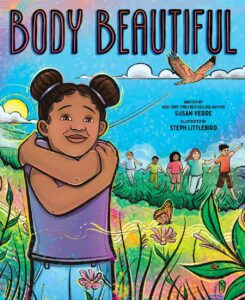
Inspired by Susan Verde’s latest work, Body Beautiful, this comprehensive literary review examines a curated selection of contemporary children’s and young adult books. These titles tackle critical themes including body positivity, disability justice, anti-racism, cultural identity, and self-acceptance. Designed for readers ranging from toddlers to middle-grade students, these works offer vital frameworks for fostering a healthy, expansive view of what it means to live inside a body.
Detailed Chronology of Body-Image Literature: Evolution of a Genre
The landscape of children’s publishing regarding body image has undergone a significant paradigm shift over the past two decades. Historically, mainstream children’s literature either ignored physical differences entirely or reinforced narrow, homogenous definitions of beauty and normalcy. When differences were addressed, they were frequently framed as flaws to be overcome rather than intrinsic aspects of human diversity.
Early Foundations: Breaking Initial Molds (Early 2000s)
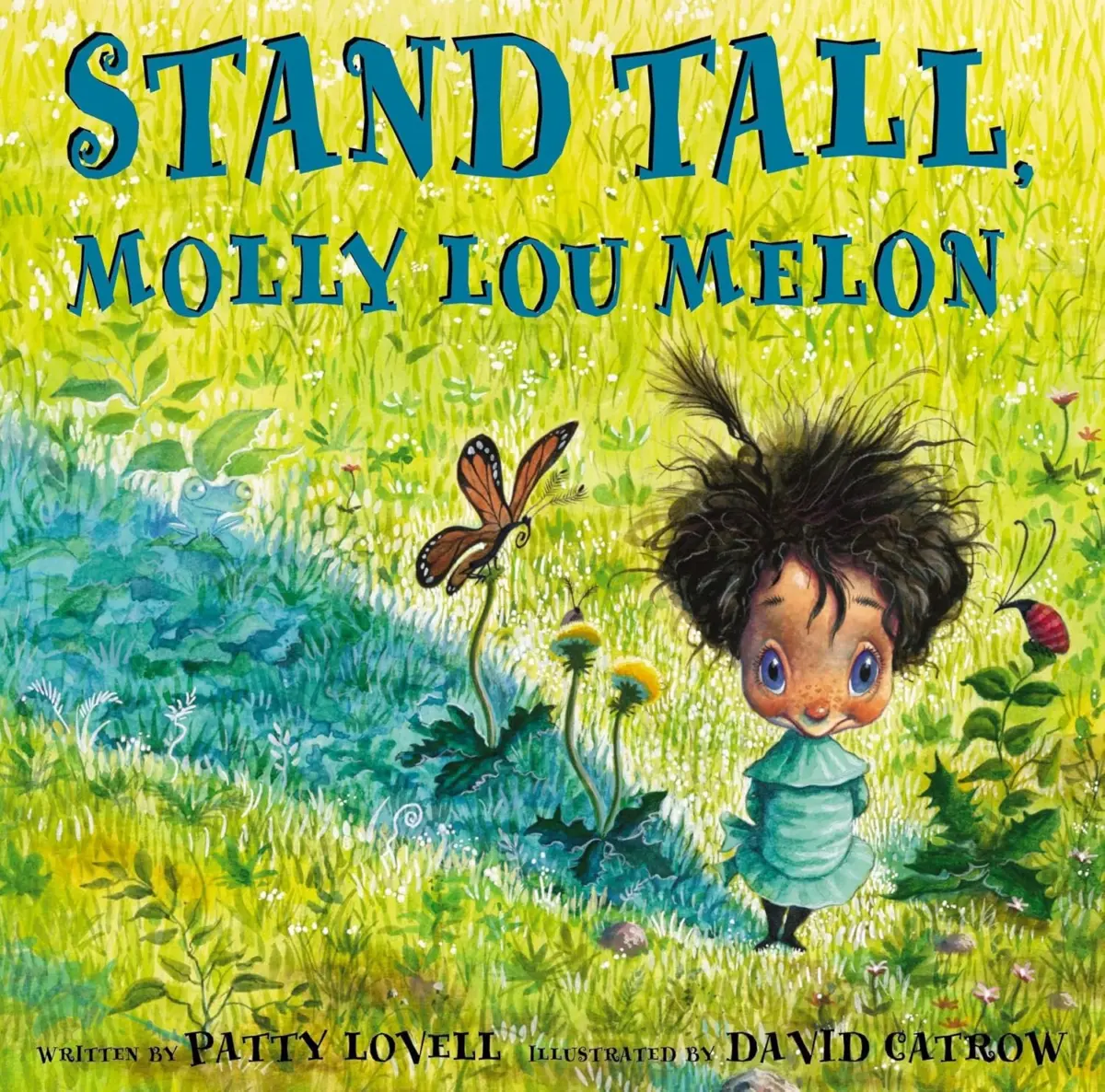
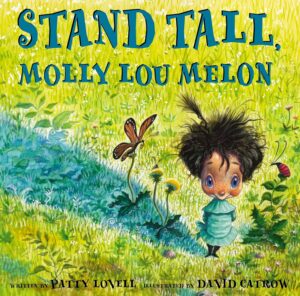
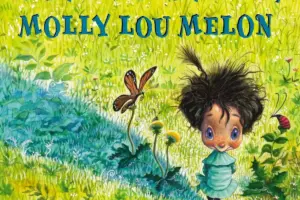
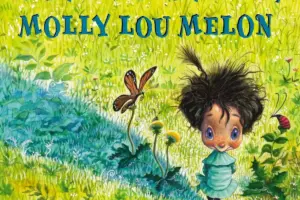
The movement toward inclusive body representation gained early traction with foundational picture books like Patty Lovell’s Stand Tall, Molly Lou Mellon (illustrated by David Catrow). Published in the early 2000s, these stories introduced young readers to protagonists who defied conventional aesthetics through unshakeable self-confidence. Molly Lou’s embrace of her short stature, buck teeth, and deep voice laid early groundwork for teaching children how to deflect bullying and maintain self-assurance.
The Intersectionality Wave: Culture, Identity, and Appearance (2010s)
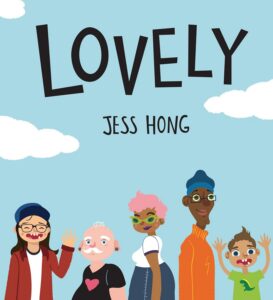
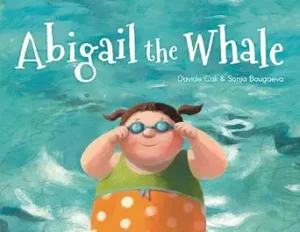
As the cultural conversation expanded to encompass intersectionality, authors began addressing how body image intersects with race, culture, and familial expectations. Books like Jess Hong’s Lovely (2019) embraced expansive definitions of beauty, while middle-grade and picture-book authors began confronting specific cultural microaggressions. Stories like Abigail the Whale (2016) introduced psychological reframing and growth mindsets, shifting the focus from physical appearance to physical capability and imaginative resilience.
Contemporary Expansion: Radical Inclusion and Systemic Justice (2020–Present)
The most recent wave of children’s literature moves beyond simple self-esteem messaging into systemic discussions of body justice, fat activism, disability justice, and anti-racism. Modern titles explicitly dismantle cultural biases—such as colorism, fatphobia, and ableism—while offering readers concrete language to articulate and process their experiences.
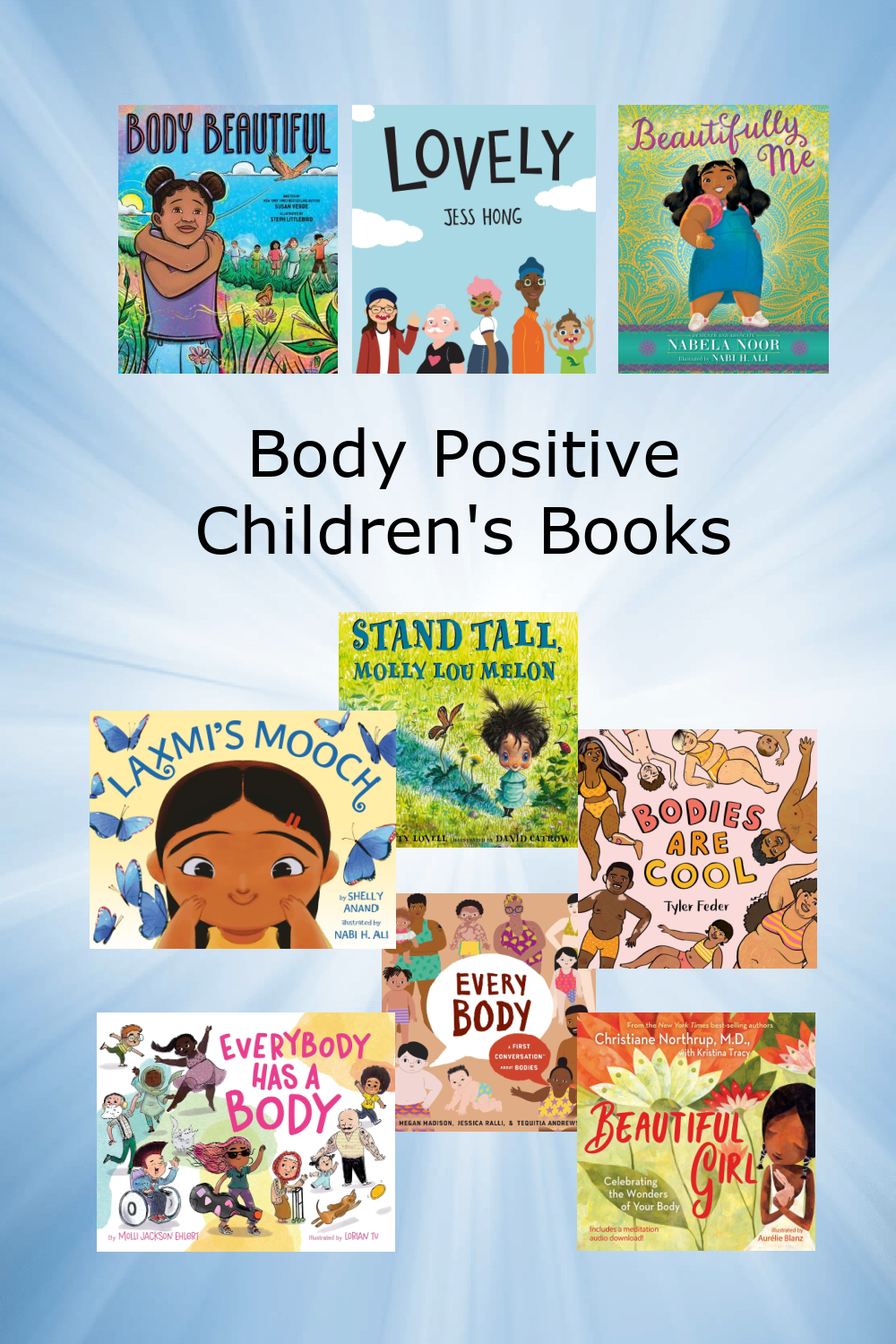
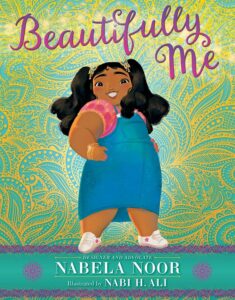
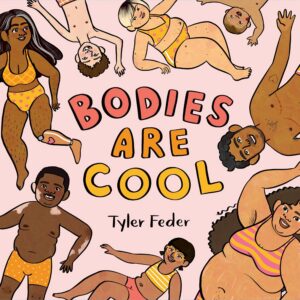
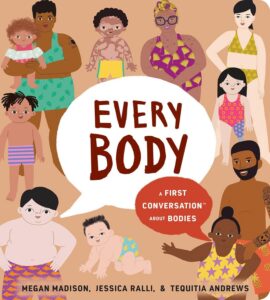
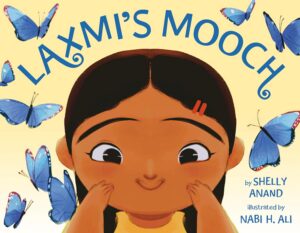
Contemporary works like Megan Madison and Jessica Ralli’s Every Body: A First Conversation about Bodies (2023) and Tyler Feder’s Bodies Are Cool (2021) normalize bodily diversity with unvarnished joy. Meanwhile, autobiographical and culturally nuanced works like Nabela Noor’s Beautifully Me (2021), Shelly Anand’s Laxmi’s Mooch (2021), and Joanna Ho’s Eyes that Kiss in the Corners (2021) ensure that children from marginalized communities see their physical realities reflected and celebrated.
Curated Literary Review: Empowering Reads by Age Group
For Toddlers and Preschoolers (Ages 2–3)
Beautifully Me by Nabela Noor, illustrated by Nabi H. Ali
Core Theme: Family body talk, emotional awareness, and self-acceptance.
Synopsis: It is Zubi’s first day of school, and her excitement sours when she overhears negative self-talk from her family members regarding their weights and physical appearances. At school, a classmate makes a critical remark about appearance, plunging Zubi into a sudden crisis about dieting. When her family realizes the impact of their words, they apologize, and Zubi reclaims her identity—whose name translates to "loving and understanding"—ready to make her second day of school radiant.
Key Takeaway: Children internalize the casual conversations adults have about their own bodies. This book serves as a vital mirror and warning for parents to model body-neutral or body-positive language at home.
Bodies Are Cool by Tyler Feder
Core Theme: Radical body positivity, inclusivity, and joyful read-alouds.
Synopsis: This vibrant, exuberant picture book deliberately includes every type of body imaginable—showcasing diverse skin tones, body sizes, hair types, physical disabilities, scars, and stretch marks. Written with an infectious rhythm, it invites young readers to chant along enthusiastically.
Key Takeaway: Normalization starts early. By viewing a vast spectrum of physical forms celebrated as "cool," toddlers build an intrinsic baseline of acceptance.
For Early Readers (Ages 4–6)
Stand Tall, Molly Lou Mellon by Patty Lovell, illustrated by David Catrow
Core Theme: Resilience against bullying and pride in individuality.
Synopsis: Armed with the wisdom of her grandmother, Molly Lou Mellon faces down a school bully with unyielding confidence. Her distinct physical traits—short stature, buck teeth, and a booming voice—become sources of strength rather than insecurity.
Key Takeaway: Confidence is an internalized toolkit passed down through supportive mentorship and self-love.
Every Body: A First Conversation about Bodies by Megan Madison and Jessica Ralli, illustrated by Tequitia Andrews
Core Theme: Foundational education on diversity, ableism, and body autonomy.
Synopsis: Taking a structured, educational approach, this book introduces preschoolers to complex sociological concepts such as body diversity, disability justice, fatphobia, and bodily affirmation through clear, accessible dialogue.
Key Takeaway: Young children are fully capable of understanding fairness, accessibility, and bodily respect when introduced with age-appropriate terminology.
Body Beautiful by Susan Verde, illustrated by Steph Littlebird
Core Theme: Functional appreciation and countering social media aesthetics.
Synopsis: Verde and Littlebird reframe the human body not as a static object meant to meet aesthetic quotas, but as a marvel of functional engineering, emotional expression, and innate wisdom.
Key Takeaway: Shifting the narrative from how a body looks to what a body does protects children from the psychological pitfalls of image-obsessed media.
Lovely by Jess Hong
Core Theme: Broad definitions of beauty and inclusive representation.
Synopsis: Utilizing sparse text and dynamic illustrations, this book redefines the word "lovely" to include figures that are unconventional, unique, and wonderfully diverse.
Key Takeaway: Beauty is not a narrow box, but a sprawling spectrum that encompasses all living forms.
Laxmi’s Mooch by Shelly Anand, illustrated by Nabi H. Ali
Core Theme: Body hair normalization and cultural empathy.
Synopsis: When classmates tease Laxmi for having upper-lip hair, she feels deeply embarrassed. Her parents step in with an empowering message: everybody has body hair, and there is no singular right way for a body to grow. Laxmi returns to school empowered to share this truth.
Key Takeaway: Natural biological variations, particularly those affecting girls and women, should be destigmatized through open familial conversations.
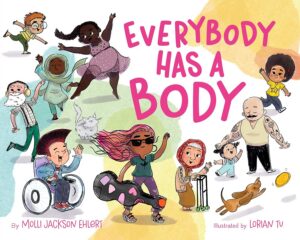
Every Body Has a Body by Molli Jackson Ehlert, illustrated by Lorian Tu
Core Theme: Universal body functionality and shared human experiences.
Synopsis: Focusing entirely on what bodies do—moving us through the world, breathing, feeling, and exploring—this book emphasizes that while our exteriors differ, our physical capabilities unite us.
Key Takeaway: Grounding self-worth in physical utility helps children appreciate their bodies beyond superficial metrics.
Abigail the Whale by Davide Cali, illustrated by Sonja Bougaeva
Core Theme: Cognitive reframing, growth mindset, and positive thinking.
Synopsis: Tagged cruelly as a "whale" by her swimming classmates due to her splashy dives, Abigail learns from her coach that feeling light starts with thinking light. By channeling animals like fish, kangaroos, and statues, she transforms her self-perception and masters the high dive.
Key Takeaway: The power of imagination and cognitive reframing can help children overcome external cruelty and self-doubt.
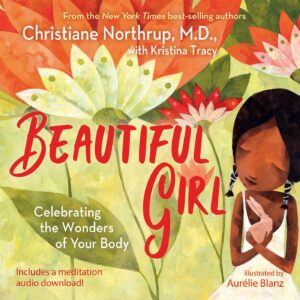
Beautiful Girl: Celebrating the Wonders of Your Body by Christiane Northrup, M.D. and Kristina Tracy, illustrated by Aurelie Blanz
Core Theme: Metaphorical guidance for changing bodies and biological appreciation.
Synopsis: Acting as a gentle introduction to bodily development, this book utilizes inspirational metaphors to help young girls view their growing, changing bodies with wonder rather than anxiety.
Key Takeaway: Early, positive framing of physical maturation prevents shame during puberty.
Eyes that Kiss in the Corners by Joanna Ho, illustrated by Dung Ho
Core Theme: Cultural pride, ancestral strength, and self-empowerment.
Synopsis: A young Taiwanese girl realizes her eyes are shaped differently from her peers, mirroring instead the powerful women in her family—eyes that glow like warm tea and hold stories of the past and future.
Key Takeaway: Cultural heritage and distinctive physical features are sources of profound power and beauty.
The Big Bath House by Kyo Maclear, illustrated by Gracey Zhang
Core Theme: Generational body positivity and cultural community.
Synopsis: Set in a steamy Japanese public bathhouse, this story celebrates women and girls of all ages and body types—sprouting, jiggly, saggy, and ancient—dipping into the water together in a joyous normalization of all physical forms.
Key Takeaway: True community embraces the human life cycle in all its physical manifestations.
The Ouchiest Words by Debbie Min, illustrated by Putri Ayu Sekarmentari
Core Theme: Coping strategies for anti-Asian bullying and positive self-talk.
Synopsis: When Nari faces racist bullying regarding her eyes, she learns resilience by watching a peer stand firm. Armed with positive self-talk, Nari prepares to defend herself and reclaim her confidence.
Key Takeaway: Equipping children with verbal tools and emotional resilience helps them navigate and dismantle racial microaggressions.
A Kids Book About Body Image by Rebecca Alexander
Core Theme: Plus-size body acceptance and navigating digital pressures.
Synopsis: Written by the founder of AllGo, this non-illustrated guide explores the author’s personal struggles as a plus-size woman navigating advertising and social media pressures, advocating for radical self-love and accessibility.
Key Takeaway: Honest dialogues between adults and children regarding media manipulation build critical resistance against unrealistic beauty standards.
For Middle-Grade Readers (Ages 7–11)
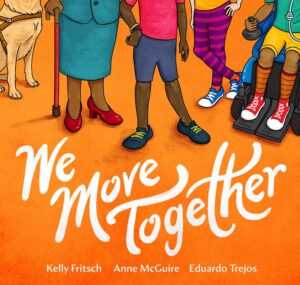
We Move Together by Kelly Fritsch and Anne McGuire, illustrated by Eduardo Trejos
Core Theme: Disability justice, accessibility, and collective community care.
Synopsis: Grounded in the principles of disability justice, this picture book demonstrates how communities can adapt their physical and social environments so that no body is left behind.
Key Takeaway: Accessibility is a collective responsibility, and physical differences require structural accommodations rather than personal fixes.
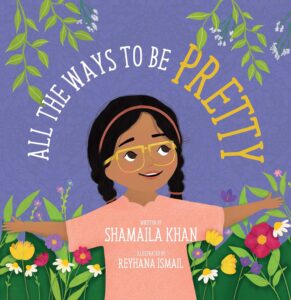
All the Ways to Be Pretty by Shamila Khan, illustrated by Reyhana Ismail
Core Theme: Redefining beauty through intellect, character, and spiritual resilience.
Synopsis: Specifically crafted for Muslim parents and daughters, this book broadens the definition of beauty to encompass bravery, wisdom, intelligence, kindness, and piousness.
Key Takeaway: Inner character outlasts physical attributes, serving as a sustainable foundation for self-esteem.
The Comeback: A Figure Skating Novel by E.L. Chen
Core Theme: Navigating cultural expectations, academic pressure, and appearance-based bias.
Synopsis: Maxine, a young skater, resorts to extreme measures to alter her appearance to avoid critical commentary. Through mentorship, accountability, and athletic growth, she learns to embrace her identity while navigating the competitive sports world.
Key Takeaway: Athletic spaces often place intense pressure on young girls regarding appearance; supportive communities and swift accountability for bullying are essential for healing.
Supporting Context & Metrics: The Psychological Landscape
The urgency behind these literary interventions is underscored by empirical data regarding child development and body dissatisfaction. According to psychological research compiled by organizations like the Common Sense Media and the National Eating Disorders Association (NEDA):
Age of Onset: Studies indicate that body dissatisfaction can begin manifesting in children as young as six years old, with nearly half of children aged 6 to 11 expressing concern about their weight or shape.
The Social Media Factor: Daily exposure to filtered images on digital platforms correlates directly with a spike in body surveillance and anxiety among pre-teens.
The Role of Shared Reading: Co-reading inclusive picture books with adults provides children with a safe conversational sandbox. It allows them to externalize fears, ask critical questions, and build empathetic frameworks toward peers with different physical abilities, sizes, or racial backgrounds.
Official Statements and Expert Perspectives
Experts in pediatric psychology and child literacy emphasize that literature acts as both a mirror and a window.
"When children see bodies that look like theirs treated with joy, dignity, and respect, their internal monologue shifts from self-critique to self-compassion," notes child psychologist Dr. Elena Rostova. "Conversely, when they read stories that actively deconstruct harmful biases—such as fatphobia or ableism—they develop the critical empathy needed to become allies rather than bystanders."
Publishers and authors contributing to this genre echo the necessity of proactive intervention. By replacing monolithic standards of beauty with diverse, functional, and culturally grounded representations, the children’s publishing sector is actively equipping the next generation with the emotional armor required to thrive.
Future Outlook and Call to Action
The proliferation of body-positive and inclusive literature marks a monumental step forward in children’s publishing. However, the work of cultivating self-love and systemic inclusion is ongoing. Educators, librarians, and parents must continue to curate bookshelves that reflect the true diversity of the human experience.
How You Can Participate:
Audit Your Bookshelves: Ensure that the books in your home or classroom feature characters of diverse body sizes, racial backgrounds, physical abilities, and cultural traditions.
Monitor Adult Language: Be mindful of how you speak about your own body in front of children. Shift praise and commentary away from physical aesthetics toward capability, kindness, and resilience.
Engage in Dialogue: Use the books reviewed above as launching pads for deep conversations about fairness, media literacy, and self-acceptance.
To support inclusive literature and explore these titles further, consider supporting independent bookstores or engaging with ongoing book giveaways and community reading initiatives.




Comments
Facebook App ID not configured. Please add it in the Customizer.