
Reported by: Alice Strangman
Photography: Paul Peterson and Bill Watters
Special Investigative Coverage
Executive Overview
From September 3 through September 7, 2026, downtown Atlanta, Georgia, served as the global focal point for speculative fiction, pop culture, and immersive fandom as Dragon Con 2026 took over the city’s central commercial corridor. Spanning five core host hotels—including the Hyatt Regency, Marriott Marquis, Hilton Atlanta, Westin Peachtree Plaza, and Courtland Grand—alongside the expansive multi-building complex of AmericasMart, the multi-venue convention reaffirmed its status as one of the premier fan-driven gatherings in North America.
Unlike strictly commercial trade events or corporate-driven media expos, Dragon Con 2026 maintained its foundational identity as a community-centric ecosystem. Featuring more than 30 distinct event programming tracks running concurrently across five days, the gathering offered an exhaustive suite of panel discussions, academic-level workshops, art displays, literary readings, and industry roundtables. While the convention
Read Also
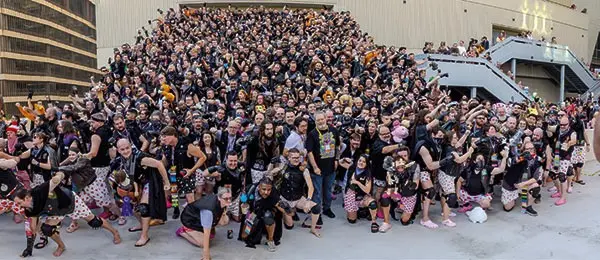
’s public footprint was visually defined by thousands of elaborate cosplayers—ranging from classic fantasy icons to specialized LitRPG character troupes—it simultaneously served as an essential networking node for speculative fiction (SFF) authors, visual artists, literary agents, and independent and traditional publishers.
At the center of the weekend’s formal proceedings was the annual Dragon Awards ceremony, held on Sunday afternoon. Designed to reflect direct fan preferences without the influence of institutional committees, the awards highlighted the changing landscape of science fiction and fantasy literature, gaming, and visual media. Throughout the five-day run, the event underscored a broader paradigm shift within the publishing and media industries: the merging of traditional publishing houses, self-published digital hits, and creator-led transmedia properties within a single fan-driven marketplace.
+-----------------------------------------------------------------------------------+
|                              DRAGON CON 2026 AT A GLANCE                          |
+----------------------+------------------------------------------------------------+
| Dates                | September 3–7, 2026                                        |
| Location             | Downtown Atlanta, GA (AmericasMart & Host Hotels)          |
| Programming Tracks   | 30+ Specialized Tracks (SFF, Art, Costuming, LitRPG, etc.) |
| Key Highlight        | Dragon Awards Ceremony (Sunday, Sept 6, 4:00 PM)           |
| Major Themes         | Afrofuturism, Cozy Urban Fantasy, LitRPG Transmedia        |
+----------------------+------------------------------------------------------------+
Detailed Chronology
Thursday, September 3: Infrastructure Activation and Initial Wave
The convention kicked off early Thursday morning as logistics teams, vendors, and early-arriving fans converged on downtown Atlanta. Badge pick-up queues stretched through designated halls at AmericasMart Building 2, signaling high attendance metrics from the outset.
Inside the primary hotel lobbies, traditional structural hubs—such as the iconic high-rise atrium of the Marriott Marquis—began transforming into staging grounds for fan interactions. Initial evening programming focused on orientation sessions, introductory gaming setups, and preliminary track meet-and-greets. Professional attendees, including editors and literary scouts, used the relative calm of opening day to execute early-stage business breakfasts and private strategy sessions before the major programming tracks launched in full force.
Friday, September 4: Literary Tracks Launch and Industry Discussions
Friday marked the opening of Dragon Con’s deep literary and professional tracks, operating across multiple dedicated floors of the Hyatt Regency and Hilton hotels. Panels spanned narrow subgenre developments and broader cultural shifts within speculative fiction.
A major highlight of the morning schedule was the panel "Afrofuturism: Building the Future Now," which drew a packed audience. Featuring celebrated illustrator and comic creator Afua Richardson alongside author and creator Marcus Williams, and moderated by creative technologist Dedren Snead, the session explored how speculative narrative design intersects with emerging technology, historical reclamation, and marginalized perspectives in visual art and literature.
                                  PANEL HIGHLIGHT
 ┌────────────────────────────────────────────────────────────────────────────────┐
 │ "Afrofuturism: Building the Future Now"                                        │
 ├────────────────────────────────────────────────────────────────────────────────┤
 │ Panelists: Afua Richardson, Marcus Williams                                    │
 │ Moderator: Dedren Snead                                                        │
 │ Core Themes: Tech integration, cultural narrative building, visual worldbuilding│
 └────────────────────────────────────────────────────────────────────────────────┘
Simultaneously, changing consumer reader preferences took center stage in the panel "Not Quite the End of the World: Cozy Urban Fantasy." Featuring an expansive panel composed of Jarod K. Anderson, Delilah S. Dawson, C.B. Lee, F.T. Lukens, and Tao Wong, under the moderation of Carol Malcolm, the panel unpacked the dramatic surge in low-stakes, character-driven urban fantasy. Panelists debated how comfort-focused narratives are reshaping traditional apocalyptic and high-conflict tropes in contemporary publishing catalogues.
Saturday, September 5: The Spectacle, Cosplay Convergence, and Crowded Corridors
Saturday represented the peak operational intensity for Dragon Con 2026. Downtown Atlanta’s Peachtree Street was temporarily closed for the annual Dragon Con Parade, an event that drew thousands of spectators to witness thousands of registered marchers, custom floats, and fan franchises.

Following the parade, foot traffic within AmericasMart and the central host hotels reached maximum density. In the exhibition halls, the vast array of vendor booths, author tables, and visual art displays created a dense landscape for attendees to navigate.
Cosplay community presence peaked on Saturday afternoon. A notable focal point occurred in the hotel atrium spaces, where Dungeon Crawler Carl author Matt Dinniman was swarmed by fans and cosplayers dressed as characters from his breakout LitRPG series. Dinniman spent hours engaging directly with fans, illustrating the rapid rise of self-published and serialized web fiction into top-tier mainstream fandoms.
                          SATURDAY CONCURRENT EVENTS
 ┌───────────────────────┐   ┌───────────────────────┐   ┌───────────────────────┐
 │   Peachtree Parade    │   │ Exhibition Floor Ops  │   │   Cosplay Gathering   │
 │  Thousands of public  │──>│ AmericasMart Buildings│──>│ Matt Dinniman & Fan   │
 │   spectators along    │   │  Massive vendor hall  │   │ Troupe (LitRPG/DCC)   │
 │     city streets      │   │   & Art Show access   │   │  Atrium photo calls   │
 └───────────────────────┘   └───────────────────────┘   └───────────────────────┘
Concurrently, legendary SFF visual artists Tony DiTerlizzi and William Stout held court in the Art Show and guest zones, conducting live demonstrations, signing classic art collections, and speaking with aspiring illustrators about the transition from traditional media to modern digital publishing landscapes.
Sunday, September 6: The Dragon Awards and Professional Networking
While fan activities continued unabated across the 30+ track rooms, Sunday afternoon held critical importance for the publishing industry. At 4:00 p.m., organizers hosted the annual Dragon Awards ceremony. Unlike traditional literary honors awarded by private academies or closed committees, the Dragon Awards rely entirely on open fan nominations and voting, making it a key metric for commercial fan engagement.
                     SUNDAY HIGHLIGHT: THE DRAGON AWARDS
 ┌────────────────────────────────────────────────────────────────────────────────┐
 │ Time: 4:00 PM EST                                                              │
 │ Format: Fan-Nominated, Publicly Voted Ballot                                   │
 │ Significance: Direct measurement of audience consumption, cross-genre trends,   │
 │               and market traction across indie and traditional platforms.      │
 └────────────────────────────────────────────────────────────────────────────────┘
Following the ceremony, Sunday evening transitioned into the annual Masquerade costume contest, alongside private networking dinners hosted by publishing executives. Senior editors such as Anne Sowards (Penguin Random House/Ace) and Toni Weisskopf (Baen Books), alongside independent press leaders like John G. Hartness (Falstaff Books), spent the evening meeting with authors, literary agents, and media scouts to evaluate property acquisitions for the upcoming publication cycles.
Monday, September 7: Wrap-Up, Industry Debrief, and Breakdown
The convention officially concluded on Monday afternoon as vendor floors wound down and programming tracks wrapped up their final panel sessions. Workshops held on Monday focused heavily on practical skills for emerging creators, including self-publishing administration, digital marketing, and IP protection. By late afternoon, tear-down operations across AmericasMart were fully underway, concluding another major cycle in the North American convention calendar.
Supporting Context & Metrics
The Evolution of Fandom-Driven Markets
The operational structure of Dragon Con 2026 highlights a broader rebalancing within the speculative fiction industry. Historically, mainstream publishing relied heavily on traditional trade shows and corporate publishing Expos to drive quarterly momentum. However, events like Dragon Con demonstrate that direct fan access drives long-term commercial longevity.
The presence of heavy-hitting literary icons—such as Kevin J. Anderson, Sherrilyn Kenyon, K.A. Linde, and Star Wars expanded universe pioneer Timothy Zahn—alongside modern digital-native creators highlights the convergence of legacy publishing models with independent direct-to-consumer pipelines.
+-----------------------------------------------------------------------------------+
|                        PUBLISHING LANDSCAPE AT DRAGON CON                         |
+-------------------------+---------------------------------------------------------+
| Legacy Trad Publishing  | Represented by Baen Books, Ace Books, and core authors   |
|                         | like Timothy Zahn & Kevin J. Anderson.                  |
+-------------------------+---------------------------------------------------------+
| Digital & LitRPG Boom   | Exemplified by Matt Dinniman and Tao Wong; direct-to-    |
|                         | reader monetization and physical adaptations.           |
+-------------------------+---------------------------------------------------------+
| Small Press & Indie     | Anchored by Falstaff Books (John G. Hartness) and niche  |
|                         | regional publishing imprints.                           |
+-------------------------+---------------------------------------------------------+
The Spatial Challenge of Industry Networking
One of the defining operational realities of Dragon Con for industry professionals remains its sheer physical footprint. Spanning thousands of square feet across multiple high-rise hotels and convention halls, navigating the event requires strategic planning.
Industry veterans noted that tracking down publishing contacts, editors, and collaborators among tens of thousands of attendees presented a persistent logistical challenge. Unlike enclosed convention centers where professional lounges are segregated from general attendees, Dragon Con mixes industry leaders and fans within the same public spaces.
Despite these navigational hurdles, professionals emphasized that the event offers an irreplaceable pulse-check on reader demand. The overwhelming presence of art exhibits, craft workshops, and specialized tracks provided an unfiltered look at emerging subgenres—such as Cozy Fantasy and LitRPG—months before these trends fully register in traditional retail sales metrics.

                   PHYSICAL & CONCURRENCY MATRIX
 ┌──────────────────────────────────────────────────────────────┐
 │                       AMERICASMART                           │
 │     • Art Show  • Exhibit Hall  • Vendor Floor  • Workshops  │
 └──────────────────────────────┬───────────────────────────────┘
                                │ (Pedestrian Skybridges)
 ┌──────────────────────────────┴───────────────────────────────┐
 │                       HOST HOTELS                            │
 │  • Hyatt Regency   • Marriott Marquis   • Hilton Atlanta     │
 │  • Westin Plaza    • Courtland Grand                         │
 │                                                              │
 │  [30+ Concurrent Tracks | Dragon Awards | Evening Receptions]│
 └──────────────────────────────────────────────────────────────┘
Official Statements & Industry Perspectives
Reflecting on the unique environment of the 2026 convention, industry analyst and event reporter Alice Strangman observed that the event’s strength lies in its balance of high-volume attendance and grass-roots fan engagement:
"The greatest challenge for industry professionals was finding each other amidst the massive crowds. Yet, with a vibrant Art Show, an incredible Masquerade, and an endless array of vendors, exhibits, and workshops, the convention was filled with palpable enthusiasm and an enduring sense of community."
From a publishing house perspective, executives highlighted the event’s ability to bridge the gap between creative teams and end consumers. Toni Weisskopf, Publisher of Baen Books, noted in regional discussions that fan-focused conventions provide an immediate feedback loop for book cover design, author signings, and backlist interest that standard retail channels cannot replicate.
Similarly, independent publishers pointed out that the rise of direct author-to-reader channels has altered how deals are negotiated during the convention. John G. Hartness, publisher at Falstaff Books, highlighted that conventions like Dragon Con allow small presses to compete on equal footing with major New York publishing houses by offering hyper-targeted content directly to dedicated reader bases.
Future Outlook
As Dragon Con wraps its 2026 edition, its trajectory offers critical clues regarding the future of fan culture and the speculative fiction industry through the end of the decade.
-
Subgenre Diversification and Mainstream Acceptance:
The overwhelming popularity of panels dedicated to Afrofuturism, Cozy Fantasy, and LitRPG confirms that reader bases are increasingly moving away from grimdark and high-angst narratives in favor of immersive worldbuilding, community-centric plots, and high-agency escapism. Publishing houses are expected to adjust their 2027–2028 acquisition strategies to reflect these subgenre shifts. -
Transmedia Integration for Digital-First Authors:
The sustained fan engagement around authors like Matt Dinniman underscores that web-serialized and self-published intellectual properties are prime candidates for traditional audiobooks, graphic novel adaptations, and television options. Studios and traditional imprints will likely expand their talent-scouting efforts within convention track spaces. -
Infrastructure Adaptations for Atlanta Host Sites:
With attendance metrics continuing on an upward path, convention management and the city of Atlanta face ongoing structural challenges. Future iterations of the convention will likely require enhanced digital crowd-management tools, expanded skybridge routing, and specialized professional spaces to help industry delegates schedule business meetings amidst the growing crowds.
Ultimately, Dragon Con 2026 reaffirmed its role not just as a regional celebration of popular culture, but as an essential engine for the global speculative fiction economy. By keeping fans at the center of its infrastructure, the convention provides a sustainable model for how pop-culture events can maintain authentic community roots while supporting a multi-million-dollar publishing and media industry.



Comments
Facebook App ID not configured. Please add it in the Customizer.