
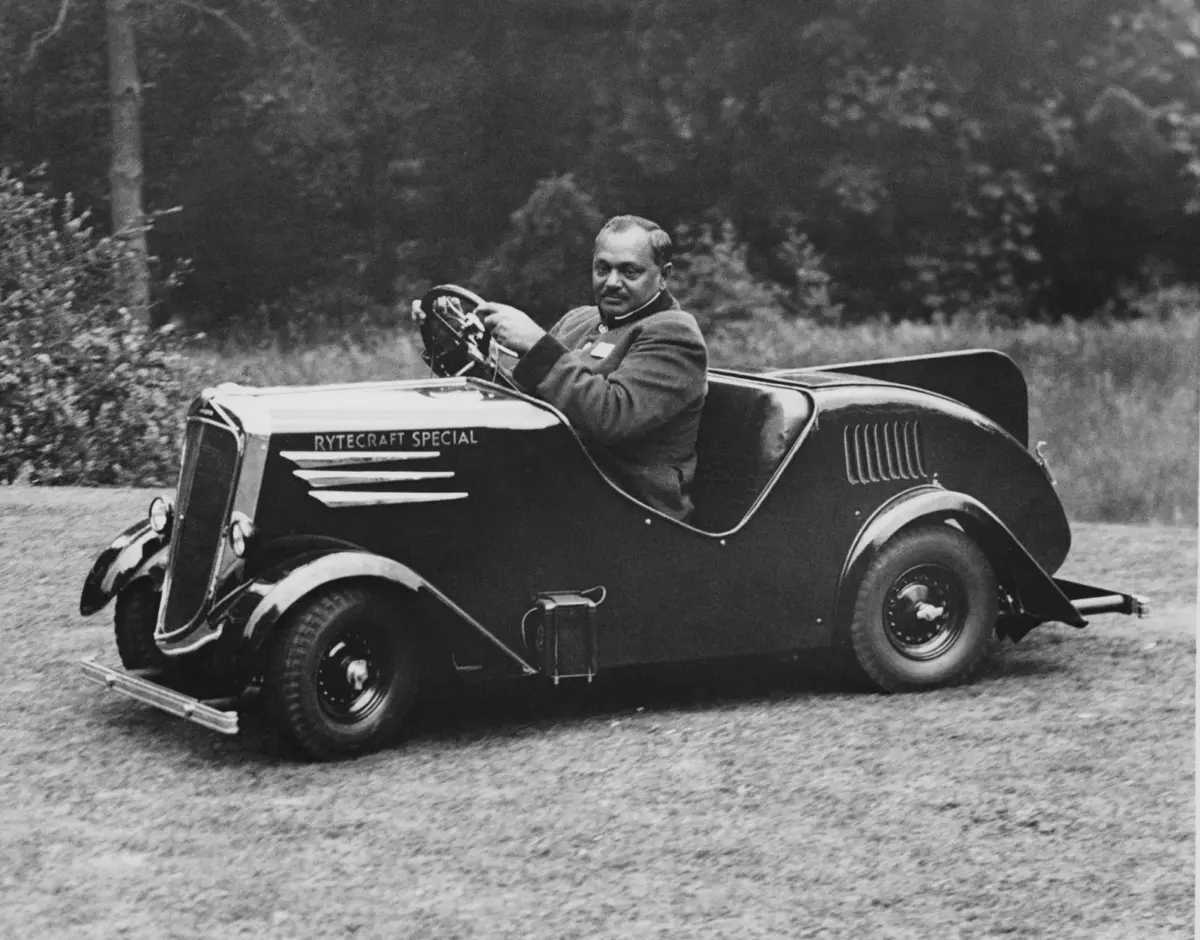
In the autumn of 1942, military trucks rolled through the gates of a coastal settlement in the princely state of Nawanagar, located in present-day Gujarat, India. Emerging from the back were hundreds of Polish children—some as young as two years old, thin, sick, shoeless, and clad in rags. These youths were survivors of Soviet labor camps in Siberia, having been swept up in the mass deportations of the Polish intelligentsia following the joint Nazi-Soviet invasion of Poland in 1939.
Waiting to meet them was Maharaja Digvijaysinhji Ranjitsinhji Jadeja, the ruler of Nawanagar. In an era when global powers routinely turned away refugees amid the escalating chaos of World War II, the maharaja offered unconditional sanctuary to nearly 1,000 young Polish refugees. Bypassing hesitant British and Indian colonial bureaucracies, he famously declared to the traumatized children: "Do not consider yourselves orphans. You are now Nawanagaris, and I am Bapu, the father of all the people of Nawanagar, so also yours."
Decades later, the legacy of the "Good Maharaja" persists across international borders. Honored posthumously by the Polish parliament and remembered through monuments in Warsaw and schools bearing his name, Digvijaysinhji’s extraordinary act of humanitarian defiance remains a profound testament to individual moral courage during the darkest days of the 20th century.
Read Also
/https://tf-cmsv2-smithsonianmag-media.s3.amazonaws.com/filer_public/58/32/5832ce16-54a9-4a80-8f03-98ca18988ffb/gettyimages-961804192.jpg)
Detailed Chronology: From Siberian Exile to Indian Sanctuary
The Partition of Poland and Soviet Deportations
The harrowing journey of these children began on September 1, 1939, when Nazi Germany invaded Poland from the west. Sixteen days later, the Soviet Union invaded from the east under the terms of the Molotov-Ribbentrop Pact, dividing East-Central Europe into totalitarian spheres of influence.
Beginning in February 1940, the Soviet regime initiated mass deportations of Polish civilians. An estimated 320,000 to 500,000 members of the Polish intelligentsia—including military officers, civil servants, landowners, teachers, and their families—were labeled "socially dangerous" and crammed into unheated cattle cars. Transported deep into the unforgiving landscapes of Siberia and Kazakhstan, thousands died en route from freezing temperatures, malnutrition, and disease. Those who survived faced grueling forced labor in remote camps.
Operation Barbarossa and the Exodus to Iran
The geopolitical landscape shifted dramatically in June 1941 when Adolf Hitler broke his nonaggression pact with Joseph Stalin and invaded the Soviet Union. This sudden betrayal forced Moscow into an uneasy alliance with the Western Allies.
/https://tf-cmsv2-smithsonianmag-media.s3.amazonaws.com/filer_public/58/32/5832ce16-54a9-4a80-8f03-98ca18988ffb/gettyimages-961804192.jpg)
Following the July 1941 Sikorski-Mayski Agreement, the Soviet Union granted an amnesty to Polish prisoners, permitting the formation of a Polish army on Soviet soil. Amid severe supply shortages within the USSR, an agreement was reached to evacuate tens of thousands of Polish refugees—primarily women and children—to Allied-occupied Iran.
While Tehran offered a temporary reprieve, the long-term destination for these vulnerable populations remained unresolved. The Polish government-in-exile, operating out of London, appealed to the United Kingdom for assistance. The British Foreign Office proposed relocating the refugees to British India, but local colonial authorities expressed grave reservations regarding the financial and logistical burden—particularly concerning the influx of sick children suffering from tuberculosis, typhus, and dysentery, coupled with India’s own devastating domestic food shortages, which would culminate in the Bengal famine of 1943.
The Maharaja’s Defiance and the Establishment of Balachadi
While British and Indian officials stalled, Maharaja Digvijaysinhji Ranjitsinhji Jadeja—who was serving as India’s representative in Britain’s Imperial War Cabinet—learned of the orphans’ plight. Operating independently of colonial authorization, he issued a personal invitation for the children to reside in Nawanagar as his honored guests.
/https://tf-cmsv2-smithsonianmag-media.s3.amazonaws.com/filer_public/ae/6d/ae6d6f67-eeb6-452b-976e-2726706eb5d6/service-pnp-fsa-8d29000-8d29600-8d29620v.jpg)
Nawanagar was one of more than 500 nominally sovereign princely states ruled by local monarchs rather than directly administered by the British Raj. While legally subjugated under the overarching authority of the British Crown, Nawanagar offered the maharaja operational autonomy over his state treasury and regional governance.
Digvijaysinhji built a dedicated children’s camp near his summer palace in the small village of Balachadi on the Kathiawar Peninsula. Designed to foster community as well as recovery, the settlement featured barracks, a school, a library, kitchens, a Catholic church, and dedicated athletic facilities.
Supporting Context & Metrics: Life at Balachadi and Postwar Preservation
Daily Life and Cultural Preservation
The Balachadi camp operated under the philosophy that the children’s Polish identity should be honored rather than erased. Polish teachers evacuated alongside the orphans established a functioning school within the maharaja’s personal guesthouse. When textbooks ran short, older students and teachers hand-copied educational materials.

To accommodate palates unaccustomed to spicy Indian cuisine, local cooks were trained to prepare milder meals. The children engaged in extensive scouting, religious ceremonies, and athletic programs, fielding soccer, basketball, volleyball, and field hockey teams that competed against local Indian and British military squads.
The maharaja regularly attended camp productions, sporting events, and holiday celebrations. He famously dressed as Santa Claus during Christmas to distribute gifts, and insisted that the Polish national anthem be sung and the Polish flag hoisted daily, maintaining morale for a homeland under occupation.
Postwar Geopolitics and Legal Adoption
As World War II drew to a close, the geopolitical reality shifted once more. Representatives of the Soviet-backed Lublin government demanded the repatriation of the orphans under international law, seeking their return to a communist-controlled Poland.
/https://tf-cmsv2-smithsonianmag-media.s3.amazonaws.com/filer_public/dc/03/dc033d6f-145f-45fb-b015-4b3e0de43a21/jam-shri-digvijaysinhji-ranjitsinhji-jadeja-maharaja-jam-saheb-of-nawanagar.jpg)
Faced with the terrifying prospect of forced return to the nation that had originally deported them to Siberia, some older boys threatened to jump overboard if placed on repatriation ships. To legally shield the children from forced removal, Maharaja Digvijaysinhji, camp commander and clergyman Franciszek Pluta, and British liaison officer Lieutenant Colonel Geoffrey Clarke executed a collective legal adoption through the Nawanagar court.
When the last convoy departed Balachadi in November 1946, the remaining children were temporarily relocated to Valivade, the primary Polish refugee camp in India. Supported by missionary networks, the refugees eventually resettled across the United Kingdom, the United States, Australia, Canada, or returned to Poland on their own terms.
Official Statements and Archival Reflections
The historical weight of the maharaja’s intervention is underscored by archival records and retrospective accounts from survivors and researchers:
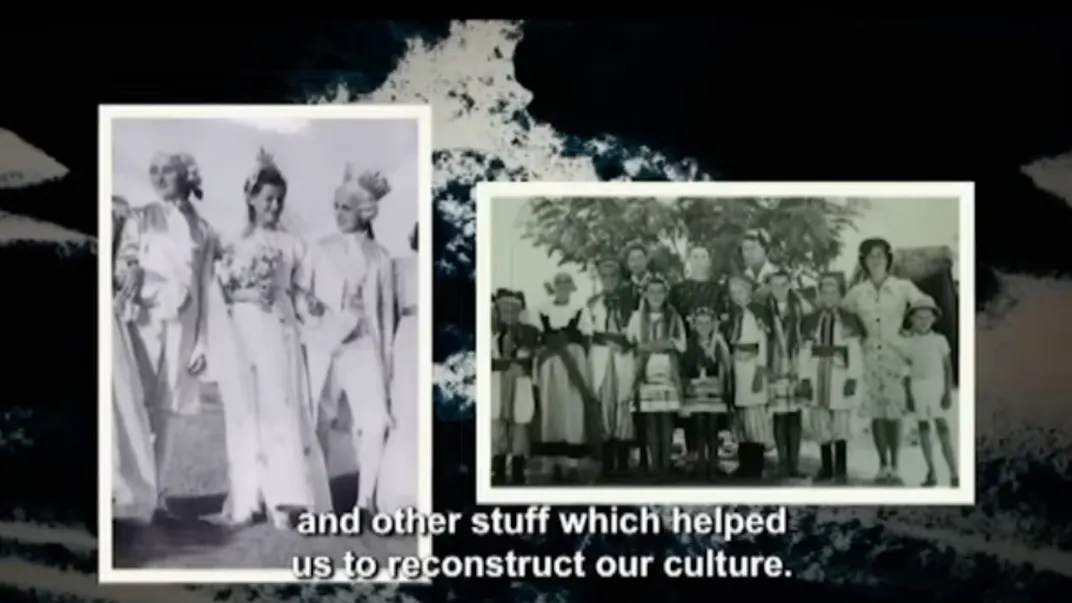
- Maharaja Digvijaysinhji Ranjitsinhji Jadeja: Articulating his moral imperative to colonial officials and refugees alike, the ruler stated: "If God has sent me these children, it is my duty to care for them," adding to the young arrivals: "Do not consider yourselves orphans. You are now Nawanagaris, and I am Bapu, the father of all the people of Nawanagar, so also yours."
- Leo Amery, British Secretary of State for India: Described the maharaja’s unilateral decision-making process as driven purely by "practical common sense" and humanitarian obligation.
- Anu Radha, Documentary Filmmaker (A Little Poland in India): Noted the defiance inherent in the maharaja’s actions against colonial constraints: "Obviously, the British were very upset that he didn’t ask for their permission. But he told them, ‘It’s my money. Where I spend it is my affair, and I don’t have to ask anybody.’" She further emphasized his respect for the children’s heritage: "He insisted that every day, the Polish flag should be hoisted in the camp, and all children sing the Polish national anthem, in spite of the fatherland not being free."
- Wiesław Stypuła, Camp Survivor: Recalled the normalization of their environment, noting how the maharaja actively participated in camp life, applauding their athletic victories with genuine enthusiasm: "And when we won the final match 2-1, he applauded for us, not his own team."
Future Outlook & Modern Legacy
For decades following Digvijaysinhji’s death in 1966, the historical narrative of the Polish refugees in Nawanagar remained largely confined to oral histories among survivors and academic texts such as Anuradha Bhattacharjee’s seminal book, The Second Homeland: Polish Refugees in India.
However, cultural diplomacy and documentary filmmaking have successfully brought this chapter of transnational solidarity to global prominence. In 2011, the Polish government posthumously awarded Digvijaysinhji the Commander’s Cross of the Order of Merit of the Republic of Poland. In 2016, the Polish Parliament unanimously adopted a special resolution honoring his legacy.
Today, physical memorials—including Good Maharaja Square in Warsaw and a network of schools named in his honor—cement his place in European and Asian history. High-level diplomatic visits, such as Indian Prime Minister Narendra Modi’s commemoration of the maharaja’s legacy in Poland, continue to underscore how an act of profound compassion in a remote corner of Gujarat forged an enduring historical bond between India and Poland that resonates into the 21st century.


Comments
Facebook App ID not configured. Please add it in the Customizer.