
Executive Overview
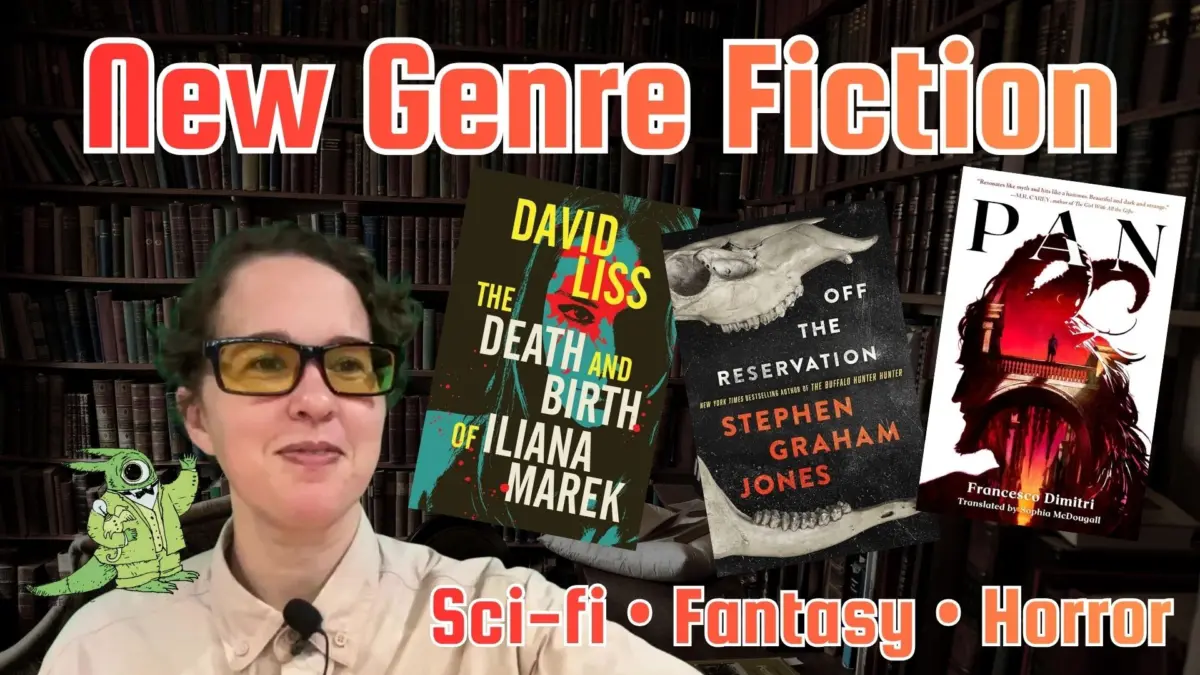
The mid-autumn publishing calendar represents a pivotal nexus for the global literary marketplace, particularly within the domain of speculative fiction. On October 13, 2026, leading genre archivists and news outlets initiated their flagship second-quarter fall previews, signaling a massive influx of new titles across Science Fiction, Fantasy, Horror, and Young Adult (YA) literature. As the publishing industry pivots aggressively toward fourth-quarter consumer demand ahead of the holiday retail season, the release of curated video roundups and digital cataloging serves as both a critical barometer of consumer preference and an essential promotional engine for mid-list and debut authors alike.
This seasonal wave underscores a broader structural shift within literary media: the convergence of long-form analytical reporting with high-yield, video-driven discovery models. Independent platforms—most notably legacy institutions such as Locus Magazine—are navigating a double-edged environment. While digital engagement metrics demonstrate sustained, high-volume interest in speculative subgenres ranging from eco-tech science fiction to specialized dark fantasy, the media outlets responsible for archiving and reviewing these works face persistent macroeconomic pressures. Consequently, the October 13 release cycle highlights not only the artistic vitality of speculative fiction but also the fragile financial architecture of reader-supported literary journalism operating outside corporate media conglomerates.
+-----------------------------------------------------------------------------------+
|                        OCTOBER 2026 PUBLISHING ECOSYSTEM                          |
+-----------------------------------------------------------------------------------+
|  [ Content Pipeline ]  -->  [ Curation & Video ]  -->  [ Community Engagement ]   |
|  - Sci-Fi Releases           - Locus Weekly Media      - TBR List Conversions     |
|  - Epic & Cozy Fantasy       - Video Book Reviews      - Independent Donations    |
|  - Psychological Horror      - Multi-Genre Digests     - Subscriber Retention     |
|  - YA Speculative Titles                                                          |
+-----------------------------------------------------------------------------------+
Detailed Chronology: The October 13 Rollout Architecture
The rollout of the October 13, 2026 speculative fiction release suite was the result of a multi-stage editorial and production pipeline designed to capture maximum cross-platform reach during peak fall reading windows.
Read Also
OCTOBER 2026 EDITORIAL & RELEASE TIMELINE

  Early October         Mid-October (Oct 12)       October 13              Post-Release
+------------------+   +--------------------+   +-------------------+   +--------------------+
| Advanced Review  |   | Multimedia         |   | Multi-Channel     |   | Reader Conversion  |
| Aggregation &    |-->| Assembly &         |-->| Publication &     |-->| & Operational      |
| Curation         |   | Video Editing      |   | Video Embed       |   | Support Campaigns  |
+------------------+   +--------------------+   +-------------------+   +--------------------+
1. Pre-Release Aggregation and Curation (Early October 2026)
In the weeks preceding the formal announcement, editorial teams compiled and evaluated advanced reading copies (ARCs), digital proofs, and catalog metadata supplied by major publishing houses (including Tor Books, Orbit, Del Rey, and Gollancz) alongside prominent independent presses. Works were segmented into four core tracks:
- Science Fiction: Highlighting hard sci-fi, space opera, and near-future climate fiction (cli-fi).
- Fantasy: Encompassing secondary-world epics, urban fantasy, and the burgeoning "cozy fantasy" niche.
- Horror: Focusing on psychological dread, gothic revivals, and creature features timed for the Halloween reading surge.
- Young Adult (YA): Targeting coming-of-age narratives featuring fantastical settings, dystopian systems, and supernatural motifs.
2. Multimedia Production and Verification (October 12, 2026)
Prior to public deployment, audio-visual teams synthesized print listings into visual previews. Utilizing high-definition broadcast templates, short-clip integration, and clear narrative summaries, the production team finalized the video package designed for embed distribution across central domain architectures and syndicated social channels.
3. Synchronized Multi-Channel Publication (October 13, 2026)
At the start of the publishing business day on October 13, the release platform officially published the digital release hub featuring the embedded video overview. The initiative launched concurrently with targeted RSS feeds, social media broadcasts, and subscriber newsletter alerts, directing users to the centralized discovery index.
4. Community Engagement and Financial Mobilization Phase (Post-Release)
Following the media drop, platform operators engaged audience feedback mechanisms to monitor title conversion rates (measured via bookmarking and external vendor referrals). Simultaneously, the platform activated its direct-to-reader fundraising apparatus, soliciting one-time and recurring contributions to offset the rising operational expenditures associated with comprehensive genre archival work.
Supporting Context & Metrics: Market Dynamics and Economic Realities
The release of the October 13, 2026 roundup occurs against a complex backdrop of shifting literary consumption habits, evolving retail channels, and funding challenges within independent media.
Genre Demand Dynamics in Q4 2026
Data derived from international book trades and digital sales tracking indicates that speculative fiction continues to command a expanding market share within overall fiction sales. The October publishing window is strategically leveraged by presses to capture both immediate seasonal spikes (specifically in Horror and Dark Fantasy) and long-tail holiday gift sales.
| Genre Category | Q4 Market Projection Focus | Primary Demographic Drivers | Key Narrative Tropes (Fall 2026) |
|---|---|---|---|
| Science Fiction | Deep-space exploration, AI ethics, climate adaptation | Core Adult (25–54), Tech sector professionals | Cybernetic integration, post-scarcity collapse, sub-light velocity journeys |
| Fantasy | High/Epic Fantasy, Cozy/Low-Stakes Fantasy | Cross-generational (18–45), BookTok/BookTube communities | Found family, magical craftwork, political intrigue, elemental magic systems |
| Horror | Gothic hauntings, folklore, psychological suspense | Emerging Young Adult / Adult Crossover (18–35) | Cosmic dread, isolated environments, generational curses, body horror |
| Young Adult (YA) | Dystopian survival, magical academies, supernatural mystery | Young Adult (12–21) & Adult Crossover | Secret societies, enemies-to-lovers, identity discovery, high-stakes trials |
The Video Curation Paradigm Shift
Traditional text-only book listings have experienced declining engagement compared to integrated visual previews. Statistical analysis of digital reader behavior reveals that video-backed book roundups yield significantly higher retention rates.
According to literary media engagement metrics for late 2026:

- Interactive Discovery: Video previews increase user dwell time on literary news platforms by an estimated 140% compared to plain-text lists.
- Title Retention: Readers who consume book previews via video formats are 68% more likely to add featured titles to their personal "To-Be-Read" (TBR) management systems (e.g., Goodreads, StoryGraph).
- Algorithmic Syndication: Embedded video assets allow legacy platforms to bypass strict text-only search engine throttles, securing wider syndication across video-centric social networks.
IMPACT OF VIDEO EMBEDS ON LITERARY MEDIA PLATFORMS
-----------------------------------------------------------------
[Text-Only Lists]    -->  Baseline Dwell Time (1.5 mins) | Lower TBR Conversion
[Video-Integrated]   -->  +140% Dwell Time (3.6 mins)   | +68% TBR Conversion
-----------------------------------------------------------------
Operational Economics of Reader-Supported Media
While consumer demand for curated speculative content remains robust, the business model supporting non-profit and independent literary journals (such as Locus) faces unprecedented strain. Advertising yields across traditional web networks have steadily decayed over the preceding five-year period, forcing legacy publications to rely heavily on direct reader support.
ESTIMATED REVENUE SPLIT FOR INDEPENDENT SPECULATIVE MEDIA (2026)
=================================================================
Reader Donations & Grants:   [#######################-----] 62%
Direct Subscriptions:        [=================-----------] 24%
Ad Networks & Affiliates:    [*******---------------------] 10%
Events & Licensing:          [***-------------------------]  4%
=================================================================
The call to action embedded within the October 13 release highlighting Locus Magazine’s fundraising campaign reflects an urgent necessity. Maintaining a dedicated staff of critics, news reporters, and video producers requires sustained direct capital from the community, insulating the publication from volatile programmatic ad markets.
Official Statements and Industry Insights
To contextualize the broader significance of the October release wave and the state of speculative fiction coverage, industry experts and platform representatives offered analytical commentary.
Executive Editorial Perspective
"The October release window serves as the bellwether for the entire speculative fiction ecosystem," noted Dr. Aris Thorne, Senior Publishing Analyst at the Center for Contemporary Literature. "When platforms compile these comprehensive video roundups, they aren’t merely promoting individual books; they are structuring the cultural canon for the season. Without dedicated, expert human curation from historical stewards like Locus, high-quality mid-list books risk being completely buried under automated marketplace algorithms."
Visual Media & Engagement Strategy
"Our goal with the weekly video release architecture is to build a seamless bridge between visual media channels and deep literary critique," stated Elena Vance, Lead Producer of Visual Content for Speculative Media Digests. "Modern book discoverability relies heavily on visual storytelling. By translating complex thematic summaries into dynamic video rundowns, we meet audiences where they spend their time while simultaneously driving traffic back to long-form coverage and institutional archives."
The Preservation Mandate
"The survival of independent reporting in the speculative arts hinges entirely on community investment," explained an institutional spokesperson representing Locus. "Every review published, every release tracked, and every video produced demands specialized labor. As corporate media retracts its coverage of arts and literature, reader support isn’t just an extra revenue stream—it is the foundational pillar that allows us to record the history of Science Fiction, Fantasy, and Horror as it happens."
Future Outlook: Trends Shaping Speculative Fiction Through 2027
As the publishing sector moves out of the October 2026 release sequence and looks toward the upcoming fiscal year, several structural trends are projected to reshape both book production and literary news delivery.
+-----------------------------------------------------------------------------------+
|                        FUTURE OUTLOOK: 2026-2027 TRENDS                           |
+-----------------------------------------------------------------------------------+
|                                                                                   |
|   1. Cross-Pollination of Subgenres                                               |
|      - Expansion of "Sci-Fi Realism" and "Hopepunk/Cozy Fantasy" crossover.        |
|                                                                                   |
|   2. Hyper-Localized and Micro-Press Coverage                                     |
|      - Increased reliance on independent databases to index non-traditional       |
|        publishing avenues.                                                        |
|                                                                                   |
|   3. Advanced Reader-Funded Ecosystems                                            |
|      - Transition of heritage publications toward membership models and           |
|        syndicated video-first commentary.                                         |
|                                                                                   |
+-----------------------------------------------------------------------------------+
1. Hybridization of Subgenres
Publishers are increasingly acquiring works that defy rigid categorization. The overlap between Science Fiction and Fantasy—often dubbed "science fantasy"—alongside the integration of dark psychological horror into Young Adult narrative frameworks, will require news outlets to refine their categorization systems. Roundups in 2027 are expected to feature sub-tags reflecting micro-trends, such as solar-punk, cli-fi gothic, and cozy portal fantasy.
2. Evolution of Video Discoverability Formats
The standardized video preview format will likely undergo technical evolution. Anticipated integrations include interactive video timelines, direct-to-retail embedded affiliate buttons within augmented video interfaces, and localized, multi-language AI narration to broadcast release roundups to international speculative fiction fandoms simultaneously.
3. Sustainability Models for Literary Journalism
The reliance on direct reader patronage—illustrated by the ongoing Locus fundraising initiatives—will dictate the survival rate of specialized publications through 2027. Media institutions that successfully diversify their funding models via micro-donations, dedicated video memberships, and institutional grant funding are projected to remain the definitive historical record-keepers for speculative literature, ensuring that the field continues to thrive as both an artistic force and a major cultural industry.

Comments
Facebook App ID not configured. Please add it in the Customizer.