
Executive Overview
Eighty-one years have passed since the atomic bombings of Hiroshima and Nagasaki forever altered the trajectory of human history. In the scorching heat of August 1945, two instantaneous flashes of blinding light unleashed an unprecedented level of technological destruction, claiming the lives of hundreds of thousands of civilians and leaving a generational scar on Japan and the global consciousness.
Today, the world stands at a critical historical crossroads. As global geopolitical tensions rise and the threat of nuclear catastrophe re-enters contemporary discourse, humanity faces an uncomfortable reality: the living witnesses to these atomic atrocities—the hibakusha—are rapidly fading from the earth. With advancing age comes the inevitable loss of the only individuals who carry the first-hand sensory horror of nuclear warfare in their bones and memories.
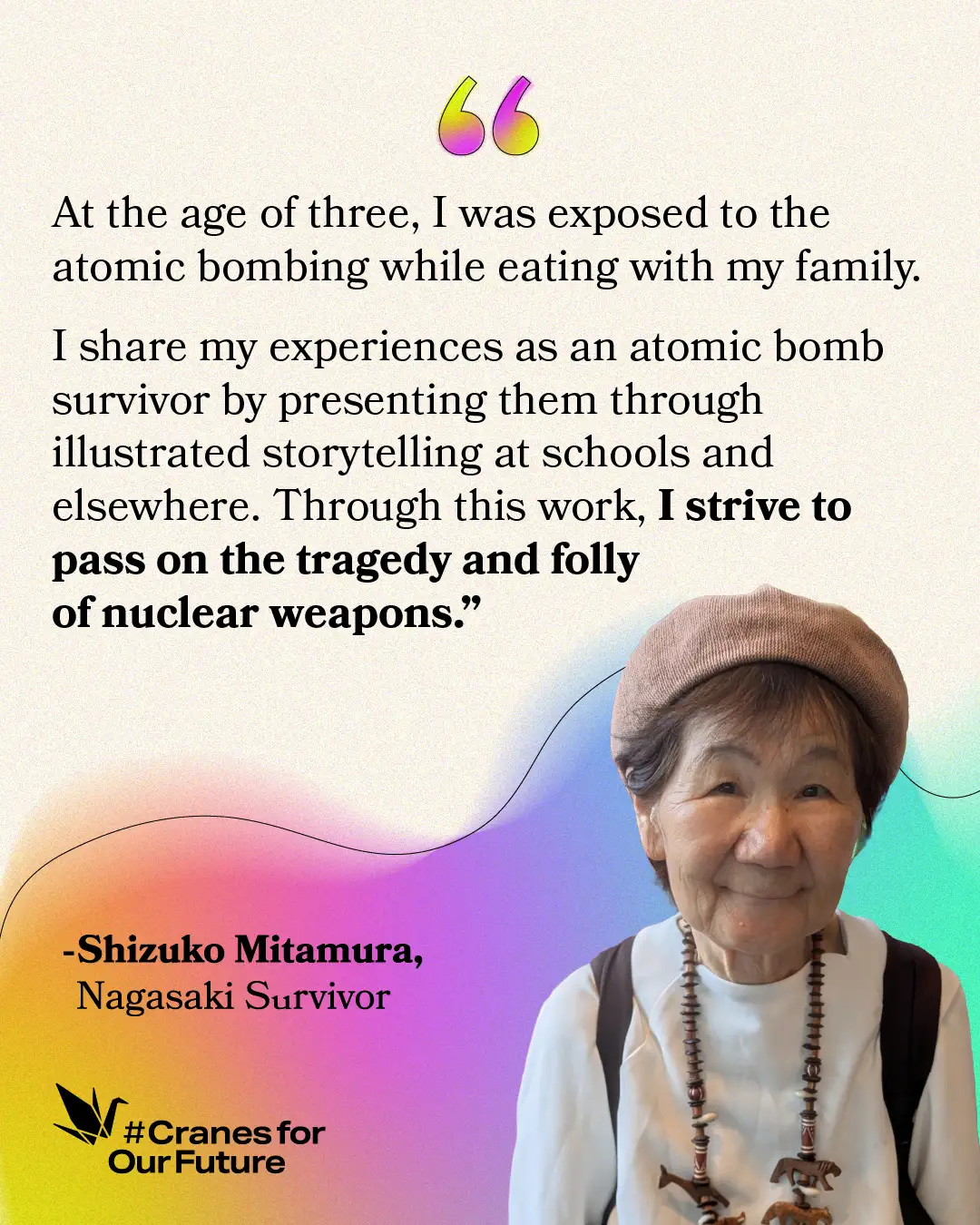
In response to this urgent historical imperative, advocates, historians, and cultural figures are stepping forward to bridge the generational divide. Among them is author and activist Mia Wenjen, whose maternal family roots trace back to Hiroshima. Partnering with organizations like the Nuclear Threat Initiative (@nti_wmd), Wenjen and other advocates are working tirelessly to uplift the voices of survivors. Their mission is twofold: to ensure that the human toll of nuclear weapons is never forgotten, and to rally global commitment behind the profound hope that Nagasaki remains the final city ever targeted by an atomic bomb.
Read Also
This comprehensive report examines the historical timeline of the bombings, the contemporary urgency of nuclear risk awareness, the personal and cultural connections that drive memory preservation, and the educational resources designed to pass this vital legacy on to future generations.

Detailed Chronology: The Summer That Changed the World
To understand the enduring imperative for remembrance, one must trace the harrowing events of August 1945—a week that compressed decades of geopolitical shift and unimaginable human suffering into a matter of days.
The Prelude to August
By the summer of 1945, World War II in Europe had drawn to a close, but the Pacific War raged on. Allied forces were preparing for Operation Downfall, an anticipated mainland invasion of Japan projected to incur catastrophic casualties on both sides. Concurrently, the top-secret Manhattan Project—a massive scientific and military undertaking led by the United States with contributions from the United Kingdom and Canada—successfully tested the world’s first nuclear device, the "Trinity" test, in the desert of Alamogordo, New Mexico, on July 16, 1945.

August 6, 1945: Hiroshima
At 8:15 a.m. local time, the American B-29 bomber Enola Gay, piloted by Colonel Paul Tibbets, released "Little Boy," a uranium-235 fission bomb, over the city of Hiroshima. Detonating approximately 1,900 feet above the city center, the bomb unleashed a blast equivalent to roughly 15 kilotons of TNT.
- The Immediate Impact: A searing fireball reached temperatures of millions of degrees Celsius. A thermal pulse incinerated everything within a one-mile radius, while a supersonic shockwave leveled buildings across the city. Tens of thousands of people died instantly.
- The Aftermath: Black rain, heavy with radioactive fallout and soot, fell on the burning city. Those who survived the initial blast faced horrific thermal burns, severe trauma, and acute radiation sickness (ARS). By the end of 1945, estimates place the death toll in Hiroshima at approximately 140,000 people.
August 9, 1945: Nagasaki
Just three days later, before the devastation of Hiroshima could be fully comprehended or processed by the Japanese high command, a second mission was launched. The B-29 bomber Bockscar, piloted by Major Charles Sweeney, targeted the secondary city of Kokura. Obscured by smoke and cloud cover, the aircraft diverted to its primary alternative: Nagasaki.

At 11:02 a.m., "Fat Man," a plutonium-239 implosion-type bomb yielding approximately 21 kilotons of TNT, detonated over Nagasaki’s industrial valley. Though the city’s rugged terrain absorbed some of the blast energy, the human toll was devastating. An estimated 70,000 to 80,000 people were killed by the end of the year, with countless others suffering lifelong disabilities, chronic illnesses, and the social stigma associated with radiation exposure.
August 15, 1945: Surrender and Capitulation
Overwhelmed by the unprecedented destructive capacity unleashed upon its civilian centers and facing the Soviet Union’s entry into the Pacific conflict, Japan announced its intention to surrender on August 15, 1945. The formal surrender documents were signed aboard the USS Missouri on September 2, 1945, bringing a formal end to World War II.

Supporting Context & Metrics: The Human and Global Toll
The legacy of Hiroshima and Nagasaki cannot be measured solely by the events of early August 1945. The true scale of the tragedy spans generations, defined by physical scars, genetic anxiety, and an enduring geopolitical tension.
The Hibakusha: Survivors of the Atomic Age
The survivors of the bombings are known in Japanese as hibakusha (被爆者), translating literally to "explosion-affected people." For decades, these individuals have borne witness not only to the immediate horrors of the blasts—such as lost family members, destroyed homes, and agonizing physical injuries—but also to the psychological trauma and discrimination that followed.

Many hibakusha experienced delayed health consequences, including increased rates of leukemia, thyroid cancer, solid tumors, and congenital abnormalities among children born after the war. Despite this, generations of hibakusha have dedicated their remaining years to global anti-nuclear activism, traveling the world to share their testimonies under the banner of Nihon Hidankyo (the Japan Confederation of A- and H-Bomb Sufferers Organizations), which was recognized globally for its tireless peace advocacy.
The Rising Threat of Nuclear Catastrophe
In the 21st century, the architecture of international arms control—built painstakingly during and after the Cold War—has eroded significantly. The abrogation of key treaties, the modernization of nuclear arsenals by major global powers, and escalating geopolitical flashpoints in Europe, Asia, and the Middle East have pushed the Bulletin of the Atomic Scientists’ Doomsday Clock closer to midnight than at any point in its history.
In this volatile climate, cultural memory acts as a vital counterweight. When societies forget the visceral realities of nuclear warfare, the threshold for its hypothetical use lowers. Remembering Hiroshima and Nagasaki is not merely an act of historical commemoration; it is an active defense mechanism for human survival.
Personal Connections and Cultural Preservation
Preserving history requires more than textbooks and archives; it requires personal narrative and intergenerational connection. For many within the Japanese diaspora and families with direct ties to Japan, the memory of Hiroshima and Nagasaki is woven into their personal heritage.
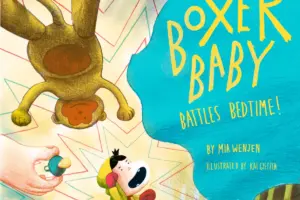
Mia Wenjen, whose maternal family originates from Hiroshima, exemplifies this deep-seated commitment. Through her writing, advocacy, and collaboration with organizations such as the Nuclear Threat Initiative (@nti_wmd), Wenjen uses her platform to amplify survivor stories. By contextualizing these historical events through literature, children’s books, and cultural touchstones—such as the tradition of folding origami cranes—she ensures that young readers can grasp complex, heavy historical truths with empathy and understanding.
Literature as a Bridge for Young Readers
Education is the primary defense against historical amnesia. Educators and parents have access to a rich ecosystem of literature designed to introduce children and teens to the history of World War II, Japanese American experiences, and the pursuit of peace. Key reading lists and educational frameworks include:

- Children’s Books on Hiroshima and Nagasaki: Age-appropriate literature that explores the resilience of survivors, symbolized by cultural icons like Sadako Sasaki and the thousand origami cranes.
- Multicultural and Japanese American Histories: Books such as Mia Wenjen’s Barbed Wire Between Us (illustrated by Violeta Encarnación) and Postcards from Malcolm X: How Yuri Kochiyama Became a Civil Rights Activist, which explore themes of civil rights, historical injustice, and cross-cultural solidarity.
- Curriculum Guides: Free, downloadable teacher guides and multimedia resources that enable educators to lead sensitive discussions on peace, war, and social responsibility in the classroom.
Official Statements and Advocacy Efforts
As the population of living witnesses dwindles, institutional and grassroots advocacy has stepped in to carry the torch.
The Nuclear Threat Initiative (NTI), a premier non-partisan organization working to prevent catastrophic attacks with weapons of mass destruction, has increasingly emphasized digital archiving and narrative-driven outreach. By collaborating with public figures and writers like Mia Wenjen, NTI aims to make the testimonies of the hibakusha accessible to digital-native generations who may never meet a survivor in person.

In joint statements, peace advocates emphasize three core pillars for the modern anti-nuclear movement:
- Unfiltered Testimony Preservation: Digitizing and broadcasting video archives, audio recordings, and written memoirs of the remaining hibakusha while their voices can still be captured first-hand.
- Recommitment to Arms Control: Urging global leaders to re-engage in bilateral and multilateral nuclear disarmament negotiations to reduce strategic stockpiles and minimize launch readiness risks.
- Grassroots Peace Education: Equipping schools, libraries, and community centers with multidisciplinary resources—spanning history, literature, art, and science—to foster a culture of non-violence and global citizenship among youth.
Future Outlook: Ensuring Nagasaki is the Last
Eighty-one years after the skies over Hiroshima and Nagasaki burned, humanity stands at a critical juncture. The departure of the last living hibakusha marks the close of an era where living memory could speak directly to political leaders and the public.

However, the end of living witnesses does not mean the end of the witness itself. Through the dedicated efforts of descendants, historians, educators, and organizations committed to global security, the stories of August 1945 are being translated into a permanent global heritage.
The challenge for the future is clear: to transform grief into resolve. By keeping the stories of Hiroshima and Nagasaki alive in our classrooms, our literature, and our political discourse, we honor the victims of the past and protect the inhabitants of the future. The ultimate goal remains unchanged, urgent, and absolute: to ensure that Nagasaki stands forever as the final chapter in the tragic history of nuclear warfare.

Comments
Facebook App ID not configured. Please add it in the Customizer.