
Executive Overview
As the lazy, unstructured days of summer draw to a close, parents and educators alike face a critical annual challenge: the "summer slide." This well-documented phenomenon describes the significant loss of academic skills and knowledge that children frequently experience during the extended summer break. Without intentional cognitive engagement, students can regress by as much as two months in reading achievement and foundational mathematics, forcing teachers to spend the first several weeks of the new academic year reviewing rather than moving forward.
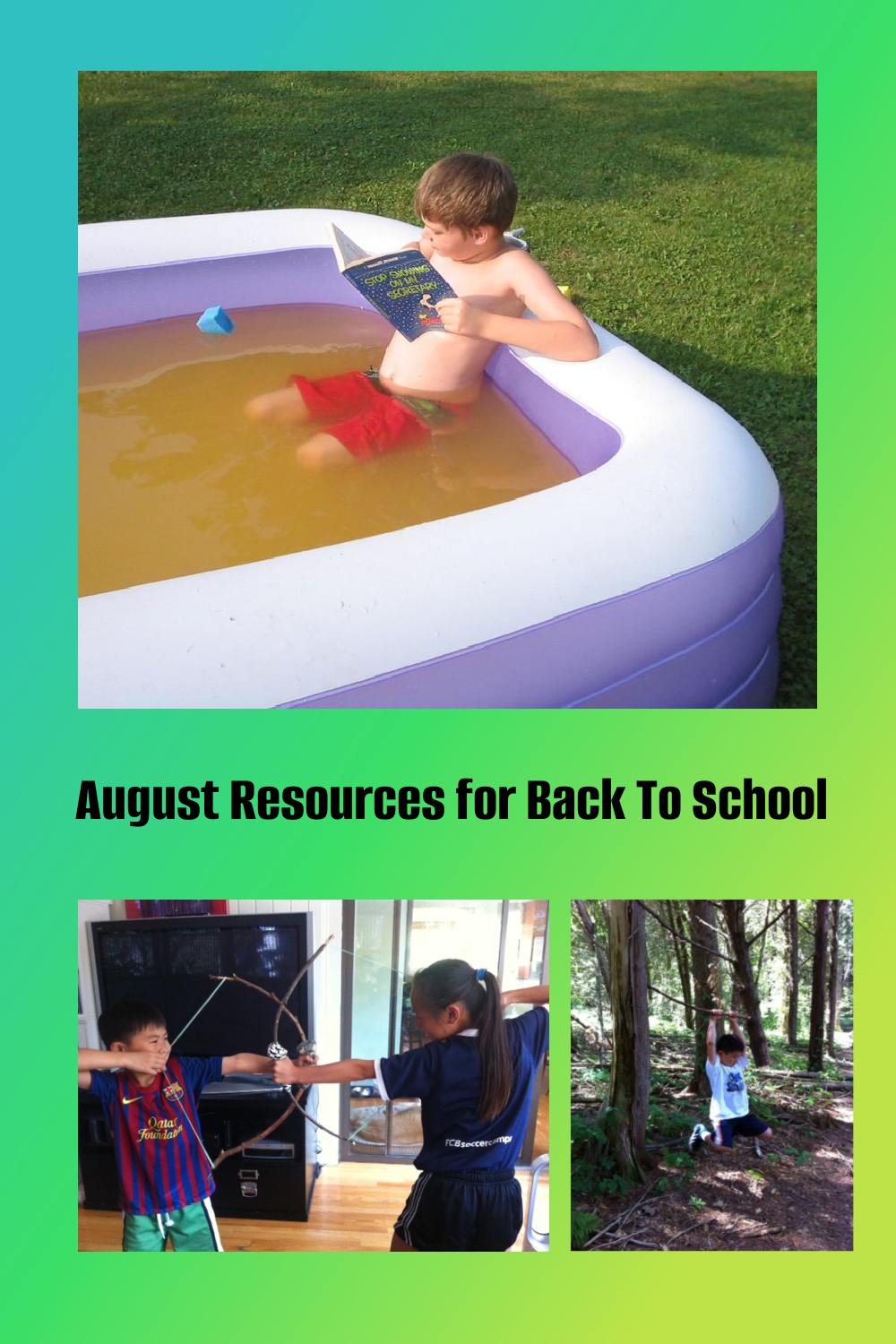
However, mitigating the summer slide does not require recreating a grueling, eight-hour school day during vacation months. Instead, strategic, low-stress interventions—ranging from intuitive math word problem workbooks and immersive reading routines to hands-on STEM experiments and outdoor "hydroengineering"—can transform the summer months into an enriching bridge toward back-to-school readiness.
This comprehensive report examines the core pillars of effective summer learning, drawing from longitudinal parenting insights, educator best practices, kindergarten readiness strategies, and fine motor skill development. Furthermore, it provides an expansive, curated directory of educational resources, math games, STEM maker projects, and diverse reading lists designed to empower parents, caregivers, and educators as they prepare students of all ages for the upcoming school year.
Read Also

Detailed Chronology of Summer Learning & Transition Strategies
Successfully bridging the gap between summer vacation and the first day of school is a phased process that requires continuous adaptation across a child’s developmental stages. Looking back at the cumulative impact of intentional summer programming reveals a clear framework of milestones that yield long-term academic dividends.

Phase 1: Foundational Math Supplementation and the Power of Incentives
Mathematics is a cumulative discipline where foundational gaps compound over time. To foster a deeper, more intuitive sense of mathematical reasoning, targeted summer supplementation is essential.

- Word Problems as Cognitive Anchors: Rather than rote calculation drills, emphasizing math word problems encourages children to visualize mathematical scenarios, translating real-world contexts into numerical equations.
- Structured Incentives: Maintaining motivation over a multi-week summer workbook requires a balance of short-term milestones and a compelling long-term reward upon completion.
- Real-World Resilience: The true value of consistent summer math practice often manifests in unexpected ways. For instance, consistent engagement with summer math curricula has proven instrumental for students facing unexpected academic interruptions, such as recovering from a prolonged concussion that caused them to miss the majority of a grade-level school year. A strong intuitive grasp of concepts built during the summer can serve as an academic safety net, enabling students to successfully master comprehensive final assessments.
Phase 2: Cultivating Lifelong Reading Habits
Reading is the cornerstone of all academic disciplines. Making time for reading during the summer—whether through bedtime read-alouds, library excursions, bookstore visits, or attending local author events—refines comprehension, expands vocabulary, and nurtures a lifelong love of literature. Leveraging curated book lists from local libraries and state educational departments helps target appropriate reading levels, while peer book clubs inject a social element that keeps children eager to turn the pages.

Phase 3: Unleashing Curiosity Through Hands-On STEM and Outdoor Exploration
Science, Technology, Engineering, and Mathematics (STEM) thrive on tactile exploration. Engaging children in kitchen chemistry, weather experiments, and maker projects transforms abstract scientific laws into memorable physical experiences.

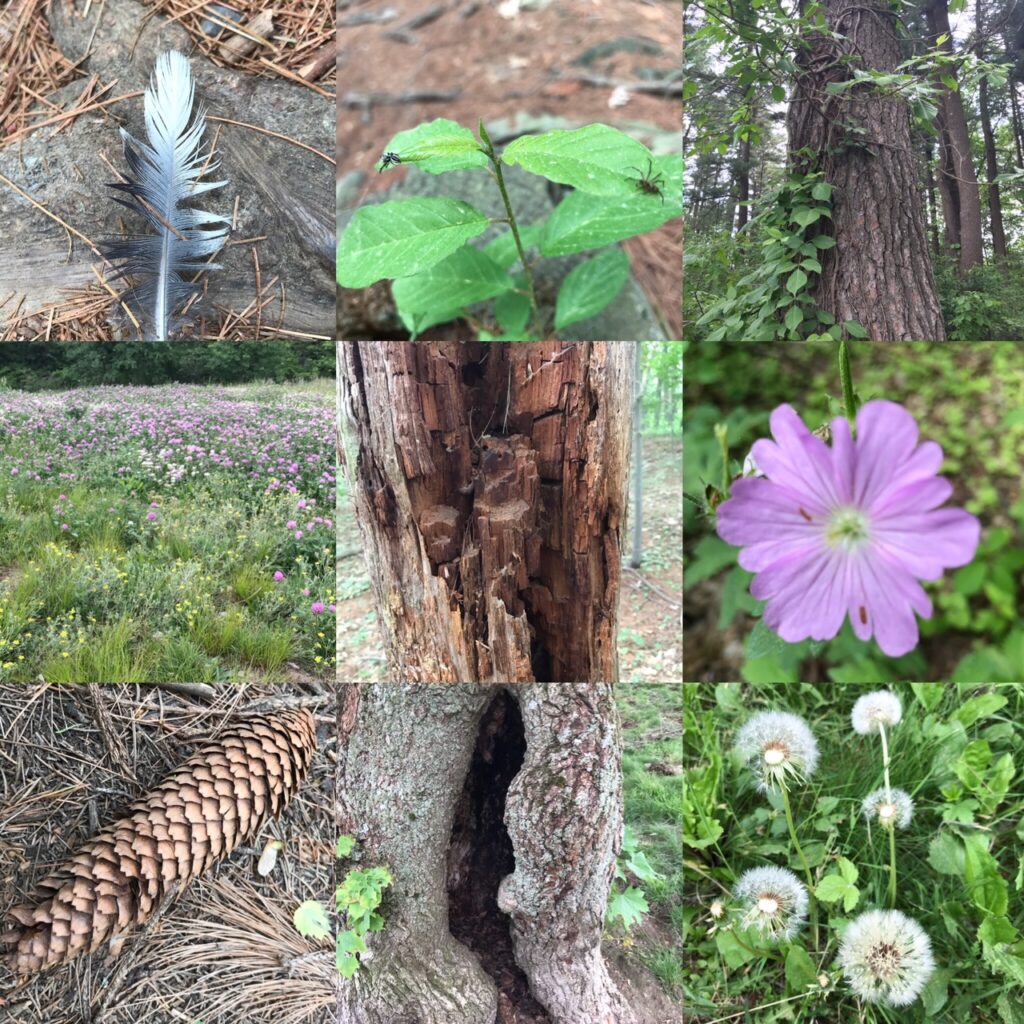
- Outdoor Engineering: Capitalizing on local geography—such as exploring streams in the Boston area—presents unique opportunities for "hydroengineering," stick-toy creation, and nature scavenger hunts.
- Holistic Application: Integrating STEM across all age groups ensures that younger and older siblings alike develop spatial reasoning, critical thinking, and a natural affinity for scientific inquiry.
Supporting Context & Metrics: Kindergarten Readiness and Fine Motor Foundations
Preparing children for their initial entry into structured schooling—whether preschool or kindergarten—requires a deliberate focus on developmental readiness, moving beyond simple academic flashcards to encompass physical and emotional preparedness.

The Critical Role of Fine Motor Manipulatives
Before young children are handed a pencil to practice writing, their hands and fingers must develop the requisite strength and dexterity. Rushing children into pencil-on-paper tasks before their hand muscles are fully mature frequently leads to the adoption of an inappropriate pencil grasp—a habit that is increasingly common and difficult to correct later.
- Building Dexterity First: Pre-kindergartners benefit immensely from activities that utilize fine motor manipulatives.
- Tactile Play: Incorporating tactile mediums like homemade playdough, sensory bins, and building blocks builds intrinsic hand strength.
Alleviating Back-to-School Anxiety Through Literature
The emotional transition into kindergarten can induce stress for both children and parents. Utilizing targeted picture books can normalize these feelings, providing a safe narrative space for children to process their anxieties regarding separation, new routines, and social dynamics. Curated lists featuring diverse, multicultural starting-school read-alouds offer inclusive representations that resonate with every child entering the classroom.
Official Guidelines and Curated Resource Directory
To assist educators and parents in implementing these strategies, the following comprehensive directory outlines top-tier resources, book lists, and educational activities categorized by academic discipline.
Starting Kindergarten & Preschool: Picture Books & Readiness
- Starting School Collections: Explore curated selections such as 22 Diverse Starting School Picture Books, 24 Starting School Picture Books, and 26 Perfect Read Alouds for Kindergarten.
- Readiness Printables: Utilize free downloadable tools like the Kindergarten Readiness FREE Printable Book: My Book About Me to create a keepsake while reviewing foundational academic concepts.
- Fine Motor Recipes: Create custom sensory tools using resources like the Make Your Own Playdough Recipe.
Fun Summer Math Supplementation & DIY Games
- Workbooks and Guides: Access the Best Summer Math Supplementation Workbooks and More alongside Summer Math Ideas for Elementary and Middle School.
- Math Through Literature: Engage young readers with 36 Great Math Picture Books and 29 Picture Books That Teach Math Concepts.
- Interactive Math Games: Master foundational arithmetic using 70+ Free Educational Games, 25 Math Skills Games for Kids, Adding to Ten Math Games, and subtraction facts games.
- Multiplication and Division Mastery: Utilize Skip Counting Songs, Mastering Multiplication Math Facts, and DIY games like Busted and child-invented math games for grades 2–5.
STEM Projects, Videos, and Maker Activities
- Hands-On Challenges: Construct projects utilizing the STEM Bridge Skewer Challenge, DIY Bee House STEM Project, and Newton’s 3 Laws of Motion for Kids Using Soccer.
- Curated Educational Videos: Engage young minds with Really Fun Videos of STEM Experiments for Kids, Amazing Time Lapse Nature Videos, and son-curated science video collections.
- DIY Maker Projects: Explore physical science concepts through DIY Lush Bath Bombs and the Science Behind the Fizz, Brush Bots: DIY Toothbrush Robots, and DIY STEM Paper Circuits: Light Up Cards.
Extensive Book Lists by Category
- Summer & Grade-Level Reading: Access over 78 Summer Reading Book Lists, 20 Great Books Set During the Summer, and grade-specific read-aloud lists.
- Reader Level Adjustments: Find targeted titles via Book Lists for Reluctant Readers and Book Lists for Advanced Young Readers.
- Genre-Specific Selections: Explore curated directories spanning Picture Books, Graphic Novels, Biographies, Historical Fiction, Fantasy Adventure, Poetry, and Mythology.
- Multicultural and Inclusive Lists: Discover diverse reading experiences through Multicultural Books for Children: 60+ Book Lists, covering African American, Hispanic American, Arab American, Jewish, Native American, and Asian American experiences.
Future Outlook: Sustaining Momentum into the Academic Year
As educational paradigms continue to evolve, the distinction between formal classroom learning and informal home-based enrichment is becoming increasingly porous. The successful proactive parent or educator recognizes that mitigating the summer slide is not a solitary seasonal chore, but rather the foundation of a year-round culture of inquiry.

Looking toward the future, integrating maker education, outdoor experiential learning, and inclusive literature into a child’s routine fosters psychological resilience and cognitive adaptability. When children view reading as an adventure, math as an intuitive puzzle, and science as an open-ended experiment, the transition back to school ceases to be an abrupt shock. Instead, it becomes the next natural chapter in an ongoing journey of lifelong learning and academic excellence.




Comments
Facebook App ID not configured. Please add it in the Customizer.