
Executive Overview
The British Museum, one of the world’s most preeminent cultural institutions, finds itself at the center of a mounting public relations crisis following a turbulent September. Marked by the blockbuster opening of a sold-out exhibition featuring the historic Bayeux Tapestry, the month was intended to be a celebratory triumph. Instead, it has morphed into a public relations and operational nightmare, plagued by surging crowds, logistical failures, allegations of elitism, and formal legal action.
The friction reached a boiling point on a Wednesday afternoon when the museum abruptly turned away hundreds of ticket-holding members of the public halfway through the day. The sudden closure was executed to clear the galleries and prepare the institution for a high-profile, invitation-only gala dinner hosted in partnership with its long-term corporate sponsor, Samsung. The exclusive event celebrated the opening of a concurrent exhibition dedicated to Korean art and history.
Attended by high-ranking political figures—including Chancellor John Healey and Liberal Democrat leader Sir Ed Davey—alongside royal representation from Princess Anne, the gala underscored a widening chasm between the museum’s obligations to everyday taxpayers and its cultivation of elite donors, corporate sponsors, and political allies.
Read Also
This latest controversy compounds an already damaging month for the museum’s leadership. Just weeks prior, the institution faced fierce criticism for offering private, after-hours VIP viewings of the Bayeux Tapestry to billionaire tech entrepreneur Peter Thiel. Simultaneously, the museum was hit with a federal-level lawsuit filed by a visually impaired visitor alleging blatant accessibility failures regarding the lack of inclusive audio guides for the tapestry exhibition.
As cultural economists and museum governance experts scrutinize the balance between commercial partnerships and public accessibility, the British Museum is scrambling to repair its public image, issue refunds, and address systemic operational shortcomings.
Detailed Chronology: A Week of Operational Missteps and Elite Entertaining
To fully understand the current public backlash, one must examine the cascading sequence of events that unfolded at the British Museum during the final week of September and early October.
The Wednesday Afternoon Shutdown
On Wednesday, October 1st, operations inside the British Museum’s iconic Great Court proceeded normally during the morning hours. Visitors holding pre-booked, timed-entry passes streamed through the security checkpoints to view the museum’s blockbuster autumn offerings. However, without prior public warning or digital notification, museum staff abruptly halted admissions by midday.
Security guards stationed at the main entrances began turning away bewildered tourists, families, and local Londoners who had planned their schedules around allotted entry slots. Visitors were told that the museum was closing its doors to general admission early to accommodate a private, invitation-only corporate event.
The abrupt disruption caused widespread confusion and frustration. Many individuals had traveled significant distances—some internationally—specifically to view the temporary exhibitions. The sudden displacement of ticketholders threw individual itineraries into disarray, sparking immediate complaints at the information desks and igniting a wave of online discontent across social media platforms.
Inside the Elite Gala
While frustrated ticket-holders were shown the doors, the museum’s interior underwent a rapid transformation. The galleries and concourses were readied for a lavish gala dinner organized in collaboration with Samsung, the museum’s long-standing corporate benefactor. The evening’s festivities were designed to herald the grand opening of a major new exhibition exploring Korean cultural heritage.
The guest list read like a roster of the British establishment. Princess Anne graced the pre-dinner reception, interacting with museum trustees, diplomats, and corporate executives. Later in the evening, the dinner itself welcomed heavyweight political figures, including Chancellor of the Exchequer John Healey and Liberal Democrat leader Sir Ed Davey.
The juxtaposition of everyday culture-seekers being locked out of a publicly funded national institution so that politicians, royalty, and tech magnates could dine privately among historical artifacts struck a severe blow to the museum’s public standing. Critics immediately drew parallels to historical critiques of cultural institutions prioritizing private wealth and political influence over public educational access.
Supporting Context & Metrics: The Bayeux Tapestry Phenomenon and Prior Controversies
The operational failure on Wednesday did not occur in a vacuum. It was the volatile culmination of an autumn season dominated by unprecedented public demand, governance scrutiny, and ongoing debates over access equity.
The Bayeux Tapestry Blockbuster
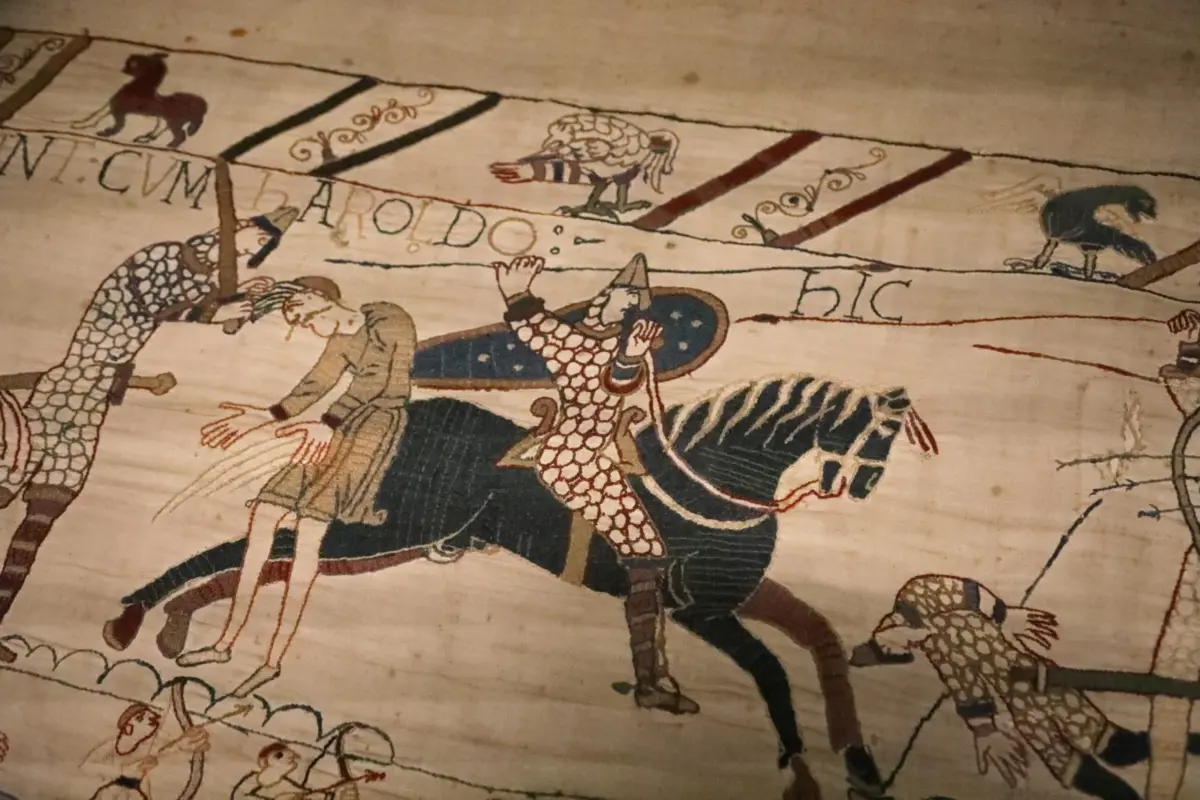
The root of the museum’s current logistical strain lies in the sensational popularity of the Bayeux Tapestry exhibition. Chronicling the events leading up to the Norman conquest of England and culminating in the Battle of Hastings in 1066, the 11th-century embroidery is one of the world’s most celebrated historical artifacts.
Securing the exhibition required years of diplomatic negotiation and unprecedented conservation planning. Consequently, when tickets finally went on sale earlier this year, they sold out almost instantaneously. Demand outstripped capacity by a factor of hundreds. The museum’s daily visitor metrics surged to maximum capacity, placing unprecedented strain on ticketing infrastructure, gallery flow, security personnel, and visitor services.
The Peter Thiel Private Viewing Scandal
This intense public demand has amplified public sensitivity regarding perceived double standards at the museum. In late August, investigative reporting by The Guardian revealed that the British Museum had rolled out the red carpet for billionaire tech entrepreneur and venture capitalist Peter Thiel.
On August 18, Thiel was granted an exclusive, private after-hours viewing of the Bayeux Tapestry, personally hosted by Charlotte Appleyard, the museum’s director of development. The revelation sparked outrage among heritage advocates, civil liberties groups, and regular museum-goers who had spent months battling online ticketing queues or facing sold-out screens.
Critics argued that granting private, unpublicized access to ultra-wealthy donors undermines the democratic ethos of national museums, which are ostensibly held in trust for the public good. The Thiel viewing created a public relations vulnerability that left the museum uniquely exposed when the subsequent Wednesday gala closures occurred just weeks later.
The Accessibility Lawsuit
Compounding the gallery closures and VIP favoritism scandals, the British Museum faces significant legal jeopardy on the front of institutional accessibility. Earlier in the week, a visually impaired visitor officially filed a lawsuit against the museum, alleging that the Bayeux Tapestry exhibition violates equality laws due to a critical lack of inclusive audio guides and audio-described pathways.
For blind and partially sighted visitors, experiencing a detailed, narrative-driven artifact like the Bayeux Tapestry relies heavily on robust sensory interpretation and descriptive audio technology. The complete absence of standard audio-descriptive options at launch drew condemnation from disability rights organizations. Legal analysts suggest that the lawsuit could set a vital legal precedent for how major international museums handle accessibility compliance during high-demand blockbuster runs.
Official Statements and Institutional Damage Control
Faced with mounting investigative reporting, public condemnation, and potential legal fallout, the leadership of the British Museum initiated a coordinated damage control campaign.
The Museum’s Apology and Refund Policy
In response to the public outcry over Wednesday’s early closure, a spokesperson for the British Museum issued a formal statement acknowledging the operational failures and offering remediation to affected visitors:
"Unfortunately, delays earlier in the day meant that some visitors were unable to enter at their allotted time. We have apologized to those affected and are giving a refund as well as rescheduling their ticket for free. This was an isolated situation, and we appreciate visitors’ patience and understanding."
Addressing the broader context of the exhibition’s intense demand, the spokesperson added:
"The Bayeux Tapestry exhibition has had unprecedented demand, and the museum’s priority is to enable as many people to see it as possible, while maintaining our commitment to the best possible visitor experience."
Addressing the Accessibility Allegations
Regarding the federal lawsuit filed by the blind visitor regarding audio guides, museum representatives moved quickly to signal remediation rather than protracted legal combat. A museum spokesperson confirmed that technical teams are actively exploring the integration of "a separate audio-described tour as part of the exhibition’s app-based audio guide."
Museum governance experts note that while these statements help de-escalate immediate tensions, restoring institutional trust will require concrete operational transparency rather than standard public relations messaging.
Future Outlook: Rebuilding Trust in a Post-Pandemic Museum Landscape
The turbulent events at the British Museum serve as a cautionary tale for major cultural institutions worldwide as they navigate the post-pandemic economic landscape. Museums increasingly rely on corporate sponsorships, high-net-worth philanthropy, and blockbuster ticket sales to offset declining public sector subsidies and maintain aging physical infrastructure.
However, the British Museum’s recent missteps highlight the severe risks of leaning too heavily into commercial and elite partnerships at the direct expense of public access. When public institutions lock out tax-paying citizens—who ultimately fund the preservation of these national treasures—to wine and dine government ministers, royalty, and tech billionaires, the social contract binding the museum to the public is strained.
Key Takeaways for Institutional Governance:
- Prioritizing Public Access Over Corporate Events: National museums must establish strict operational firewalls ensuring that private corporate galas or donor events never disrupt pre-booked public ticketing slots.
- Equitable Access for All Visitors: High-profile blockbusters must integrate universal design and comprehensive accessibility features—including robust audio descriptions and tactile exhibits—from day one, rather than as an afterthought following litigation.
- Transparency in Philanthropy: Cultural institutions must navigate donor relations with greater transparency to avoid the perception that wealth or political influence can buy exclusive access to humanity’s shared heritage.
As the British Museum moves forward into the remainder of the autumn season, its leadership faces the urgent task of implementing these governance reforms. Whether the institution can successfully turn the page on September’s controversies will depend entirely on its willingness to put the everyday visitor back at the heart of its mission.




Comments
Facebook App ID not configured. Please add it in the Customizer.