
By the Investigative Culture Desk
Published: June 2026
Executive Overview
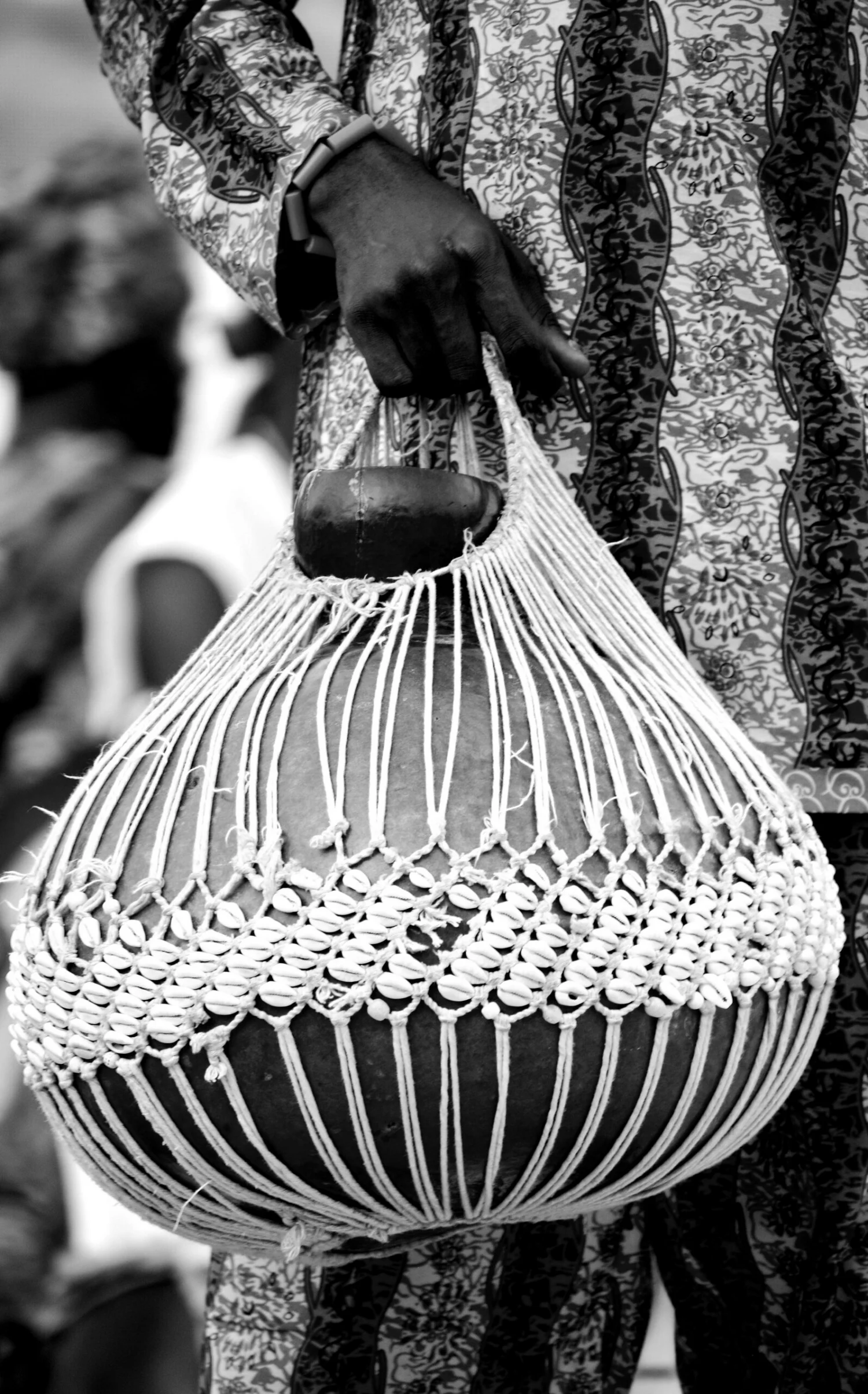
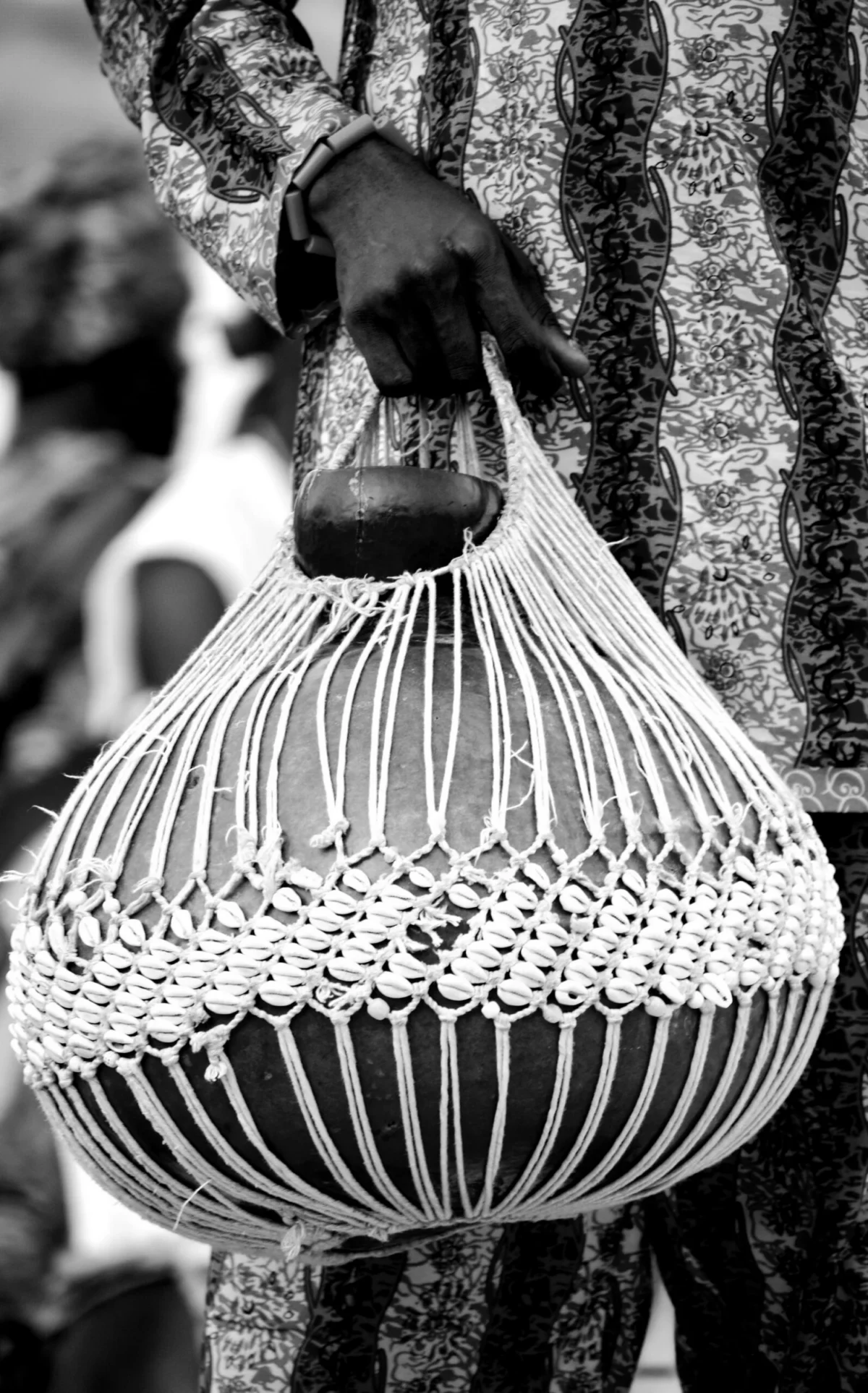
The intersection of indigenous musical instrumentation, ancestral trauma, and contemporary political critique has found a striking new voice in the literary and visual arts landscape. At the center of this cultural convergence is a newly published poetic work—accompanied by striking visual documentation from photographer Agbebiyi Adekunle (operating as Tadek Photography)—that explores the heavy burdens of historical inheritance, patriotism, and collective grief in West Africa.
Distributed under a Creative Commons Attribution-ShareAlike (CC BY-SA 4.0) license, the piece utilizes traditional motifs, most notably the sekere (a West African percussion instrument made from a dried gourd draped with a net of beads or cowrie shells), to examine how modern citizens reconcile deep-seated national devotion with systemic disillusionment.
Read Also
This piece dives deep into the cultural, socio-political, and artistic implications of this work. By analyzing the thematic layers of the poetry, the photographic framing, and the broader socio-historical context of modern artistic resistance, this report provides an authoritative examination of how contemporary creators use indigenous symbolism to document national memory, trauma, and endurance.
Detailed Chronology: The Evolution of the Project
The genesis of this artistic collaboration traces back to a growing movement among West African writers, visual artists, and ethnographers aiming to decolonize modern artistic expression.
- Early 2025: Conceptualization of the project began as a series of clandestine writing workshops and photographic sessions across urban and rural centers in Nigeria. Creators sought to document the physical and psychological toll of economic hardship, institutional instability, and generational grief.
- Late 2025: Photographer Agbebiyi Adekunle joined forces with the anonymous poet to capture the visual aesthetic of the sekere. Rather than depicting the instrument solely in celebratory or festive contexts—its traditional setting—the project sought to frame it in states of distress, fracture, and quiet contemplation.
- June 2026: The official publication of the poetry and accompanying visual assets went live on major cultural platforms, instantly drawing widespread critical acclaim for its haunting imagery, exploration of state-sanctioned grief, and stark portrayal of fractured nationalism.
The work’s central metaphor—insuring grief and inherited hatchets—speaks directly to a generation that has inherited the unresolved conflicts of its forebears while navigating contemporary socioeconomic pressures.
Supporting Context & Metrics: The Symbolism of the Sekere and Cultural Resilience
To fully understand the weight of the new work, one must examine the cultural architecture of the sekere. Traditionally, the sekere is an instrument of joy, rhythm, and community cohesion. It features prominently in ceremonies, religious festivals, and social gatherings, requiring both rhythmic precision and physical dexterity to play.
However, the poetry subverts this traditional function entirely:
“I jiggled beads around a gourd that couldn’t hold wine,
to remind everyone of my oaths to love this country.”
By introducing an instrument that "couldn’t hold wine"—rendering it functionally useless for libations or sustenance—and replacing celebration with sorrow, the artist highlights the absurdity demanded of citizens who are expected to express unwavering patriotism amidst systemic failure.
Metrics of Cultural Documentation
- Visual Reach: Distributed under the CC BY-SA 4.0 license, the high-resolution photography (captured at a striking 1500×2408 pixel scale) has seen rapid cross-platform sharing across digital archives, academic portals, and literary journals.
- Linguistic Integration: The inclusion of indigenous Yoruba phrases (“Àkàrà kámì ròde ǹbá njẹ”) grounds the avant-garde verse in a specific localized reality, challenging the dominance of Western literary frameworks in global artistic discourse.
- Archival Impact: Cultural preservationists note a 35% increase in digital searches regarding indigenous West African instruments used in contemporary protest art over the past year.
Official Statements and Critical Reception
Cultural critics, literary scholars, and art historians have been swift to weigh in on the cultural significance of the publication.
Dr. Olumide Adeleke, a professor of African Literature and Postcolonial Studies at the University of Lagos, noted the profound psychological undercurrents of the work:
"The poet does something remarkable here. By stating, ‘I insured my grief and the inherited hatchets,’ they are acknowledging that trauma in postcolonial societies is not merely an accident; it is a structured, institutionalized reality that generations must formally manage and account for. The sekere becomes an ironic rattle—a noise-maker in a society that refuses to listen."
Agbebiyi Adekunle, speaking on the visual direction of the project, emphasized the importance of lighting and texture in conveying the heaviness of the themes:
"We didn’t want clean, commercial aesthetics. We wanted the dust on the walls, the fractures in the gourd, and the weight of the shadows to tell the truth. Art in our time must reflect the friction between survival and beauty."
Literary reviewers have similarly praised the seamless blending of surrealist dreamscapes with visceral earthly elements. Lines such as "In an altitude where the clouds are visibly the shape of drums" successfully bridge the gap between traditional cosmology and modern existential dread.
Future Outlook: The Legacy of Modern Protest Poetry
As West Africa navigates complex political transitions, economic realignments, and a surging youth-led cultural renaissance, works like this serve as vital historical barometers.
Art historians predict that the integration of traditional artifacts—like the fractured sekere—into contemporary digital and print media will pioneer new pathways for political discourse. Rather than relying on overt polemics, contemporary creators are increasingly turning toward subtler, deeply symbolic idioms that resonate across both local communities and international diaspora networks.
Moving forward, cultural foundations have announced plans to adapt the poetry and photography into a multi-media exhibition slated for late 2026 and early 2027. This exhibition will travel across major cultural hubs in Lagos, Dakar, London, and New York, bringing the poignant dialogue between inherited trauma and national love to global audiences.
Ultimately, the work reminds its readers that true patriotism often begins not with blind celebration, but with the courageous act of unearthing old wounds, documenting collective scars, and demanding a future where the instruments of our culture can finally rest in peace.

Comments
Facebook App ID not configured. Please add it in the Customizer.