In her debut novel The New People, author Andrea Uptmor presents a narrative built upon a premise that is simultaneously simple and fraught with psychological tension. Set against the backdrop of the 2008 global financial crisis in a Midwestern university town, the novel follows newlyweds Emma and Rachel, a queer millennial couple who purchase a recently foreclosed home. Unbeknownst to them, the evicted former owners—an older straight couple named Charlotte and Dirk—have not vacated the premises. Instead, they remain hidden in the attic, engaged in an illicit form of cohabitation known colloquially as "phrogging."
As Charlotte covertly sabotages the home in a desperate bid to force "the new people" to abandon the property, the physical structure of the residence becomes a high-stakes arena. Uptmor uses this contested domestic space to execute a rigorous interrogation of the infrastructure underlying modern adulthood, homeownership, marriage, and parenthood—particularly for marginalized populations historically excluded from these social safety nets.
By juxtaposing the precarious legal status of same-sex marriage in 2008 with the systemic collapse of the subprime mortgage market, The New People establishes a parallel between institutional failure and private anxiety. The novel explores how macro-level economic and political systems shape intimate interpersonal relationships, offering a nuanced examination of survival, creative failure, and the search for security in an unreliable world.
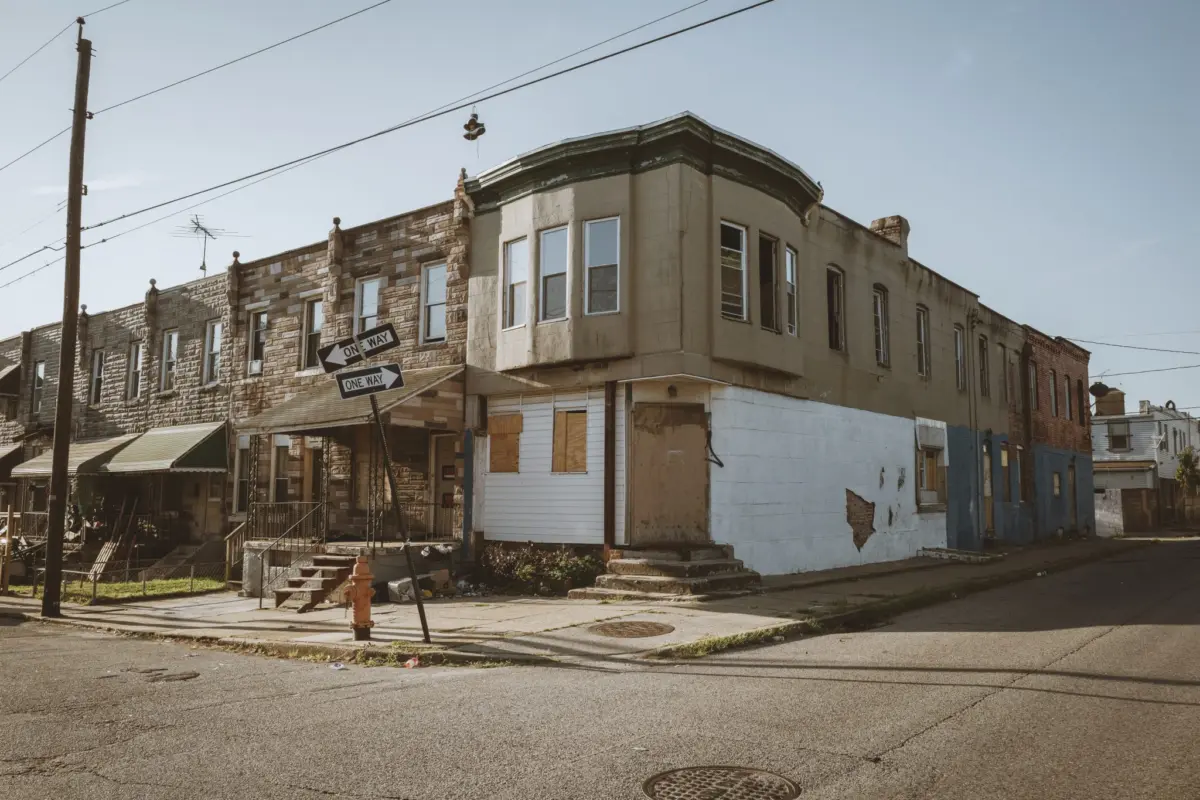
The conceptual origin of The New People traces back to 2013 in South Minneapolis, where Uptmor and her wife purchased their first home amidst the tail end of the housing market collapse. Shortly after moving in, Uptmor witnessed the foreclosure and eviction of her next-door neighbor, followed by an immediate takeover by local squatters.
The resulting standoff involved law enforcement interventions, drawn weapons, and structural damage, exposing a stark contrast in human perception: where one party viewed housing through the legal apparatus of a mortgage, another viewed it strictly through physical occupation. This tension materialized into a concrete narrative premise when Uptmor encountered the phenomenon of "phrogging"—the clandestine act of living in someone else’s residence without their knowledge—framing it as a literal, living haunting.
Setting the Anchor: The 2008 Socio-Economic Landscape
Uptmor deliberately selected the year 2008 as the historical anchor for her narrative. This period represented a pivotal convergence of economic collapse and socio-political volatility:
Economic Strain: Nearly 2.5 million American households faced foreclosure, unemployment surged, and personal retirement funds collapsed.
Civil Rights Instability: While California temporarily legalized same-sex marriage in 2008, the subsequent passage of Proposition 8 abruptly revoked those rights, underscoring the legal vulnerability of queer relationships nationwide.
By embedding the story in 2008 Indiana, Uptmor constructed an environment defined by pervasive uncertainty. For Emma and Rachel, navigating a predominantly conservative Midwestern campus town meant assessing whether daily social friction stemmed from microaggressions, overt homophobia, or personal anxiety.
CHRONOLOGY OF INSPIRATION AND HISTORICAL CONTEXT

 2008: Great Recession Peak        2008: Prop 8 Passes             2013: Minneapolis Incident       Novel Release
 [2.5M Foreclosures Nationwide] -> [Queer Rights Volatility]    -> [Uptmor witnesses squatting] -> [*The New People*]
Development of Dual Narratives
During the drafting process, the narrative architecture evolved from a straightforward political foil into an interconnected psychological study. Uptmor originally conceived Charlotte and Emma as dynamic opposites—the conservative, dispossessed woman in the attic versus the young queer woman downstairs.
However, as the revisions progressed, the dynamic shifted:
First Draft Constraints: Charlotte was initially passive, internalized within the static space of the attic, while Emma drove the external narrative through her work and community interactions.
Structural Revisions: Uptmor elevated Charlotte into an active secondary protagonist whose covert choices actively drive the plot forward.
Character Synchronization: Both Emma and Charlotte emerged as deeply conflicted figures—each attempting to manage profound personal loss and institutional abandonment.
Supporting Context & Metrics
To understand the structural environment that informs The New People, it is necessary to examine the socio-economic conditions of 2008 alongside the literary frameworks that shaped the novel’s construction.
Quantitative Context of the 2008 Financial Crisis
The macroeconomic backdrop of the novel is defined by widespread structural destabilization across the housing and labor markets:
Metric / Indicator
Historical Data (2008 Era)
Narrative Relevance in The New People
National Foreclosure Filings
Exceeded 2.3 million properties in 2008 (a 81% increase from 2007).
Directly explains the eviction of Charlotte and Dirk and their recourse to phrogging.
Subprime Mortgage Market Impact
Over $1 trillion in subprime loans defaulted or faced delinquency.
Explains the rapid, low-quality house flipping evident in Emma and Rachel’s residence.
Same-Sex Legal Protections
Legal in only 2 states (MA, CT) by late 2008; Prop 8 banned CA marriages.
Heightens Emma and Rachel’s sense of legal and relational precariousness.
U.S. Unemployment Rate
Escalated from 5.0% in Jan 2008 to 7.3% by Dec 2008 (peaking at 10% in 2009).
Drives the financial desperation of the characters upstairs and downstairs.
Structural Metaphors and Systemic Failure
In The New People, the physical breakdown of the house acts as a direct manifestation of the predatory lending practices of the era. The hastily flipped property purchased by Emma and Rachel features hidden structural flaws, compromised foundations, and shoddy renovations—shortcuts taken by corporate flippers seeking profit during a market crash.
When Charlotte begins covertly sabotaging the plumbing and electrical systems, her actions merge with the house’s inherent defects. The residence becomes an active representation of systemic neglect: an unsustainable construct sold to buyers under the illusion of permanent security.
Literary Influences and Aesthetic Genealogy
Uptmor’s approach to blending physical spaces with internal psychology draws on several key literary traditions:
Tessa Hadley: Influence seen in the psychological layering applied to physical settings, blurring mental landscapes with concrete domestic details.
Megha Majumdar: Model for illustrating how macro-level social and political institutions exert weight on micro-level human interactions.
Virginia Woolf: Evoked via character allusions (such as recurring references to Mrs. Dalloway), highlighting the quiet domestic tensions underlying daily routines.
Official Statements and Author Insights
In discussions surrounding the release of The New People, Andrea Uptmor and literary commentators examined the novel’s underlying themes, character motivations, and structural choices.
On the Spatial and Social Tension of Indiana
Reflecting on the choice of setting, Uptmor noted how regional ambiguity heightens the internal landscape of the characters:
"I wanted to recreate that environment for Emma and the other characters where there’s this air of uncertainty, where you’re not always sure if people are being intentionally aggressive or bigoted or homophobic, or whether it’s being perceived through Emma’s conditioning.
Indiana, like Iowa, can be one of those on-the-fence places where you just never know, when someone’s cleaning your teeth at the dentist’s office, or giving you an Uber ride, whether they’re a safe person or not."
On Revisiting the Economic Ruin of 2008
Addressing the nostalgic perception of the late 2000s compared to its lived reality, Uptmor emphasized the pervasive instability of the period:
"We look back on 2008 with this sense of nostalgia and hope now, but when you were living it in the moment, people were losing their jobs, their money, their marriages, their rights to marry. It felt like the domestic infrastructure of people’s lives was disappearing.
If I wanted to write a story where a post-retirement couple was willing to endure the discomfort and humiliation of phrogging in their own attic, 2008 is probably the most likely time that this could have actually happened. The house becomes this microcosm of what’s happening in the country."
"The house becomes this microcosm of what's happening in the country."
— Andrea Uptmor
On Dual Protagonists and the Nature of Sabotage
When analyzing why Charlotte evolved from a static background figure into an active narrator, Uptmor observed:
"In revision, Charlotte grew more into a person who is driving the story on a certain level, and she’s actually making things happen… If we’re going to pull one spouse from each pair, [Emma and Charlotte] are the two most tortured. And if I’m going to read a book or write a character, I’m really interested in the tortured ones, the ones who are suffering and who are contemplating what to do about it."
On Creative Failure and Artistic Persistence
Addressing Emma’s secondary conflict—a struggling literary novelist married to a successful science fiction author—Uptmor discussed the inherent anxieties of artistic production:
"Emma’s a writer, but she’s also dealing with something that a lot of creatives deal with, which is failure, this idea that when you’re creating a piece of art or a novel, most of the time, nobody has asked for it…
Everybody’s got some kind of invisible hope that’s dangling in front of them that keeps them going, that makes them want to get out of bed in the morning, and for a lot of creatives, the work is that."
On Systemic Critiques vs. Reader Interpretation
Responding to readings of the house as a central metaphor for compromised societal institutions, Uptmor clarified the writer’s objective:
"The novel is a perfect art form for shining a light on how these big systems that govern our lives—the economy and political weather and the legal systems—how that plays out on a day-to-day level between two people who are talking…
The writer’s job is to build the house, and then move out, just get the hell out, and the reader comes in and the reader changes the lighting and moves in furniture, and that’s the most beautiful part of this whole process."
Future Outlook
The publication of The New People marks a notable addition to contemporary domestic fiction, particularly within the growing canon of novels addressing the 2008 financial crisis through a subverted genre lens. By combining elements of psychological thrillers, real estate satire, and queer domestic drama, the book offers a distinct commentary on the durability of American institutions.
Contemporary Relevance and Economic Echoes
Although set in 2008, the themes explored in The New People remain directly relevant to contemporary socio-economic challenges:
Housing Insecurity: As modern housing markets face renewed affordability crises, rising interest rates, and corporate consolidation of residential real estate, the novel’s focus on precarious shelter resonates with current buyers and renters.
Legal and Social Protections: In an era where civil rights and legal protections for marginalized communities face renewed political debate, the novel’s depiction of pre-Obergefell uncertainty serves as a historicized warning regarding the fragility of legal progress.
HISTORICAL PARALLELS: 2008 vs. PRESENT DAY

2008: Subprime Crisis / Prop 8  ------->  PRESENT: Housing Affordability / Legal Volatility
[Foreclosures & Structural Instability]  [Rising Costs & Renewed Civil Rights Debates]
Critical and Cultural Impact
As literary fiction continues to wrestle with systemic inequality, The New People provides a structural template for how authors can ground complex macroeconomic forces within tight, character-driven narratives. By demonstrating how national crises filter down into private living spaces, Uptmor’s work highlights the ongoing role of the novel as a vehicle for cultural critique.
Ultimately, The New People positions homeownership not as a guaranteed marker of adulthood or security, but as an ongoing negotiation between historical circumstances, institutional structures, and personal vulnerability. Through its examination of contested physical and emotional spaces, the novel invites readers to consider what it truly means to inhabit a space—and what remains when the structural foundations give way.





Comments
Facebook App ID not configured. Please add it in the Customizer.