
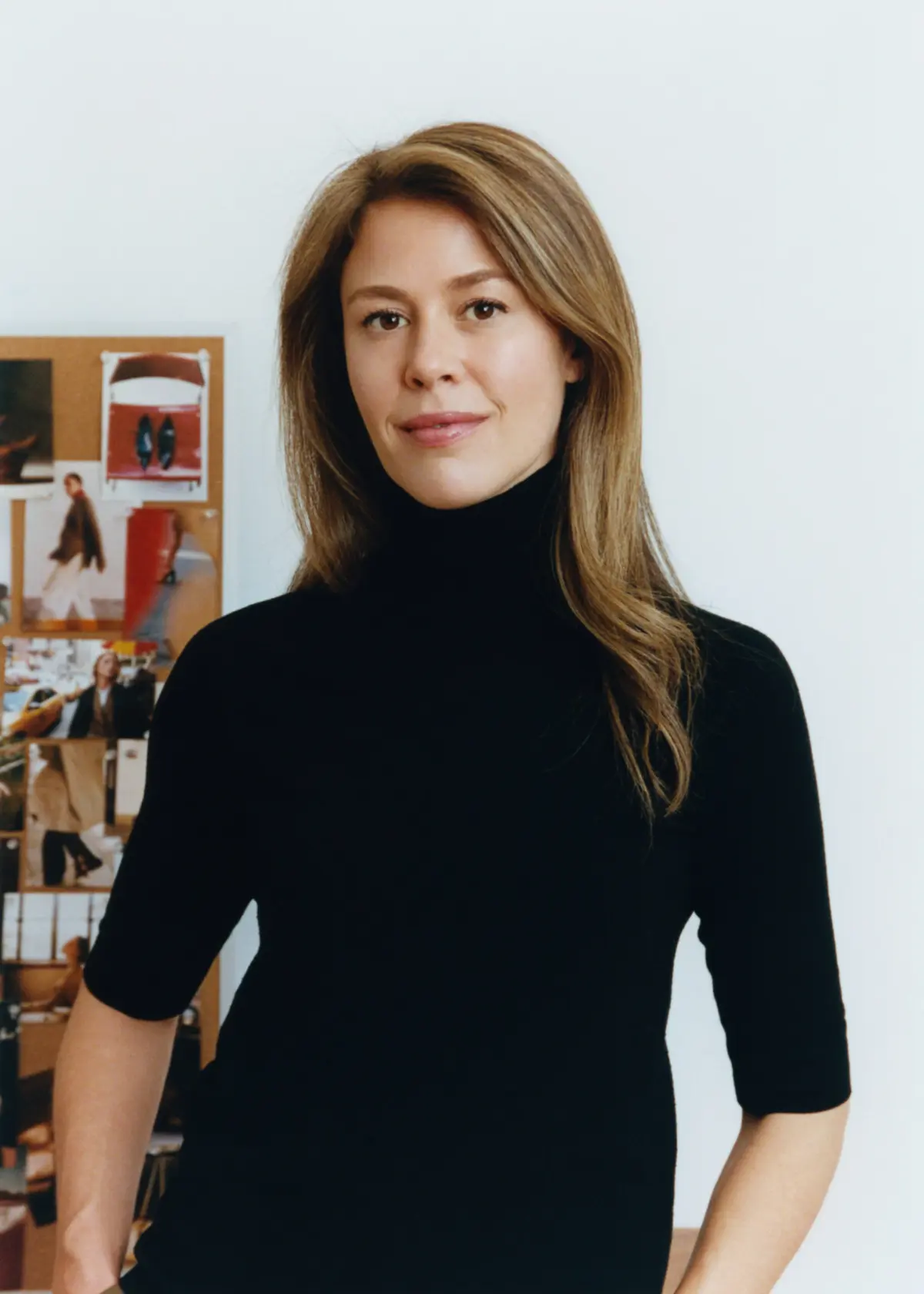
In the contemporary cultural landscape, literature has increasingly found itself occupying the intersection of high fashion, commerce, and community building. From global luxury houses like Dior and Coach to prominent apparel brands such as J. Crew and independent labels like Maryam Nassir Zadeh, the fashion industry has recently embraced books as the ultimate lifestyle accessory. Models stride down runways clutching novels, and creative directors curate reading lists alongside seasonal lookbooks. However, long before literary chic became a ubiquitous marketing strategy on digital platforms and in brick-and-mortar storefronts, the direct-to-consumer footwear brand Margaux was quietly anticipating this cultural convergence.
Founded in 2015 by Harvard alumnae Alexa Buckley and Sarah Pierson, Margaux entered the footwear market with a clear mission: to engineer comfortable, exceptionally high-quality shoes with a minimal environmental footprint. Yet, five years after establishing the brand, Buckley and Pierson expanded their brand ethos far beyond footwear by launching Footnotes, a quarterly book club that connects readers with some of the most celebrated contemporary authors of our time.
What began as an intimate gathering born from an internal love of literature has since blossomed into a thriving literary community. Footnotes has hosted acclaimed writers such as Kiley Reid, Jenny Slate, and Belle Burden for exclusive, in-person discussions and virtual events. Strikingly, despite being funded and operated by a retail brand, Footnotes strictly prohibits the selling or showcasing of shoes at its events. For Buckley and Pierson, the initiative is a dedicated exercise in brand storytelling and community cultivation rather than a direct sales funnel.
Read Also
As the initiative approaches its sixth year, its unexpected popularity has prompted its founders to contemplate an international expansion. This comprehensive report explores the genesis, operational evolution, and cultural significance of Footnotes, examining how a footwear brand successfully integrated literary culture into its core identity well before the rest of the fashion industry caught on.
Detailed Chronology
2015: The Inception of Margaux
The journey of Footnotes begins with the foundational ethos of Margaux itself. In 2015, recent Harvard graduates Alexa Buckley and Sarah Pierson identified a pervasive gap in the footwear market. They recognized that modern consumers were forced to choose between style and comfort, often paying exorbitant prices for shoes that caused physical discomfort, or settling for poorly crafted alternatives.
Driven by a commitment to quality craftsmanship, classic silhouettes, and sustainable production practices, Buckley and Pierson launched Margaux. The brand quickly gained traction among urban professionals and style enthusiasts alike, anchored by its custom sizing options and understated luxury. Behind the scenes, however, the brand’s headquarters was defined by something else entirely: an unrelenting passion for books. The Margaux office was routinely stacked with novels, essays, and literary journals, reflecting the personal intellectual pursuits of its founders.
January 2020: The Launch of Footnotes
As Margaux entered its fifth year of operation, its founders decided to channel their shared passion for reading into a public-facing initiative. In January 2020—just months before the onset of a global pandemic that would fundamentally alter communal gatherings—Buckley and Pierson officially launched Footnotes.
For its inaugural event, Margaux partnered with author Kiley Reid to celebrate her debut novel, Such a Fun Age. Held in an intimate setting, the event brought together literature enthusiasts for an evening that focused entirely on narrative, character development, and cultural discourse. According to Buckley, the energy in the room was palpable and immediately distinct from traditional retail promotional events. The founders launched the club without any master plan for it to become a long-term franchise; rather, it was a pure expression of their personal interests.
2020–2022: Navigating the Pandemic and Digital Pivots
Almost immediately after its launch, the burgeoning book club faced an unprecedented challenge: the COVID-19 pandemic. Traditional in-person gatherings ground to a halt worldwide. However, rather than suspending the initiative, Buckley and Pierson adapted.
Footnotes transitioned to virtual platforms, hosting Zoom-based book discussions that sustained the community through months of isolation. This digital pivot not only maintained engagement with the existing core audience but also expanded the club’s geographic reach, allowing readers from outside the New York metropolitan area to participate. During this period, the founders refined the structural rhythm of the club, cementing its quarterly cadence to ensure participants had ample time to read and digest selections.
Post-Pandemic Revival to the Present
As global restrictions lifted, Footnotes returned to in-person programming in New York City, eliciting an overwhelming response from the public. The post-pandemic era saw the club secure major literary figures, including comedian and author Jenny Slate for her book Lifeform, and essayist Belle Burden for her widely discussed New York Times Modern Love essay and subsequent book Strangers.
Throughout this period, the brand maintained its strict boundary between commerce and culture. No shoes were displayed, no merchandise was sold, and the focus remained squarely on the authors and their work. By late 2024 and heading into 2025, the demand for RSVP slots had consistently outpaced venue capacities, forcing organizers to frequently close registration lists within hours of announcement.
Supporting Context & Metrics
To fully understand the cultural weight of Footnotes, one must examine the operational mechanics and engagement metrics that sustain it. While Margaux is fundamentally a retail enterprise, the metrics defining Footnotes are measured in community retention, author engagement, and brand resonance rather than immediate sales conversions.
Operational Cadence and Selection Process
- Frequency: Footnotes operates on a quarterly schedule, hosting approximately three to four events per year. This cadence is intentionally calculated; it provides participants with sufficient time to read complex or lengthy works while keeping the cultural conversation feeling fresh and relevant.
- The Curatorial Philosophy: Book selections are driven by a combination of gut instinct, organic discovery, and long-term tracking of anticipated literary releases. The curation team deliberately avoids books that mimic recent discussions, ensuring narrative diversity across the annual lineup. For instance, discovering Belle Burden’s essay in the New York Times prompted an immediate decision to build an event around her work, demonstrating the agility of the brand’s cultural radar.
- Accessibility and Scale: Announcements for upcoming events are distributed across Margaux’s digital channels, including email newsletters and social media platforms. To reward prompt engagement, the first 10 respondents to RSVP receive a complimentary copy of the featured book. Despite capping attendance to preserve the intimacy of the gatherings, the response volume has consistently strained venue capacities.
The Anti-Retail Philosophy
The most striking metric of Footnotes is its financial detachment from Margaux’s core product. In an era where brand activations are meticulously optimized for immediate transactional return—often featuring shoppable QR codes, pop-up shops, and product displays—Footnotes maintains a strict firewall.
- Zero Product Integration: Shoes are never sold, displayed, or promoted at a Footnotes event.
- The Value Proposition: By removing the retail incentive, Margaux fosters a high level of trust and authenticity with its audience. Attendees view the events not as marketing pitches, but as genuine cultural offerings. This long-term brand-building strategy generates intangible equity, positioning Margaux as a sophisticated lifestyle authority rather than merely a footwear purveyor.
Official Statements & Founder Insights
In recent interviews, co-founder Alexa Buckley reflected on the evolution of Footnotes, the mechanics of its success, and the profound impact participating authors have had on the series.
On the Unexpected Evolution of the Club
"We didn’t do this with the idea of it becoming a franchise that would six years later be such an important part of our community-building, but it has," Buckley explained to industry observers. What began as an office-based book collection transformed into a structured community pillar. “Our office is full of books, and we thought that it was a really interesting and exciting way to bring together community for a reason that had nothing to do with shoes.”
On Brand Expression and Purpose
Buckley views Footnotes not as a marketing campaign, but as a genuine vehicle for self-expression.
"We think a lot about the ways in which things that we do as a brand—whether it’s collaboration or storytelling, our new Substack or community events—are vehicles for us to express ourselves. Footnotes is a really great example of that. It’s something that we’re passionate about. It allows us to do something that is core to who we are and why we exist, which is to celebrate women who inspire us."
On Author Engagement and Memorable Moments
The willingness of high-profile authors to fully immerse themselves in the Footnotes experience has been a critical driver of the club’s success. Buckley noted that authors routinely exceed expectations, answering every audience question with thoughtfulness and staying late to sign copies—such as Belle Burden, who remained for two hours following her recent event.
Recalling a particularly poignant highlight from the series, Buckley singled out her event with Jenny Slate for the book Lifeform:
"I would pick Jenny Slate’s book. She came and did ‘Lifeform.’ I had recently had a baby, and so I felt deeply connected to the book. I cried after I asked my question. There were many hormones, but she was so phenomenal in the room. She spoke so beautifully and so honestly. That level of vulnerability from someone like Jenny was so appreciated not only by me but everyone in the room."
Future Outlook
As the fashion industry at large continues to experiment with literary collaborations—from designer-curated reading lists to runway models carrying vintage hardcovers—Margaux finds itself uniquely positioned as a pioneer of authentic brand-literary integration. While competitors have recently adopted books as a seasonal aesthetic trend, Margaux has spent over half a decade cultivating a dedicated, organic literary ecosystem.
Looking ahead, the trajectory of Footnotes points toward significant geographic expansion. Buoyed by consistent domestic growth, robust digital engagement, and an ever-expanding roster of eager authors, Buckley confirmed that the brand is actively exploring international markets.
"We’re seriously considering going international next year," Buckley revealed regarding the long-term roadmap for the club.
Whether taking Footnotes to European capitals or other global literary hubs, Margaux intends to maintain the core tenets that fueled its initial success: absolute authenticity, an unwavering commitment to celebrating inspiring authors, and a strict separation between cultural community and commercial retail. In doing so, Margaux demonstrates that the most effective way for a modern brand to connect with its audience is not always through its products, but through shared intellectual curiosity.





Comments
Facebook App ID not configured. Please add it in the Customizer.