In contemporary culture, the pendulum of artistic prestige has swung decisively toward moral ambiguity. The "morally gray" protagonist has become the gold standard of literary and cinematic credibility, while traditional heroes and genre stories featuring guaranteed resolutions are frequently dismissed as unsophisticated. However, this critical elevation of cynicism obscures a fundamental psychological and physiological truth: human beings require unvarnished, heroic narratives to anchor their resilience in moments of crisis.
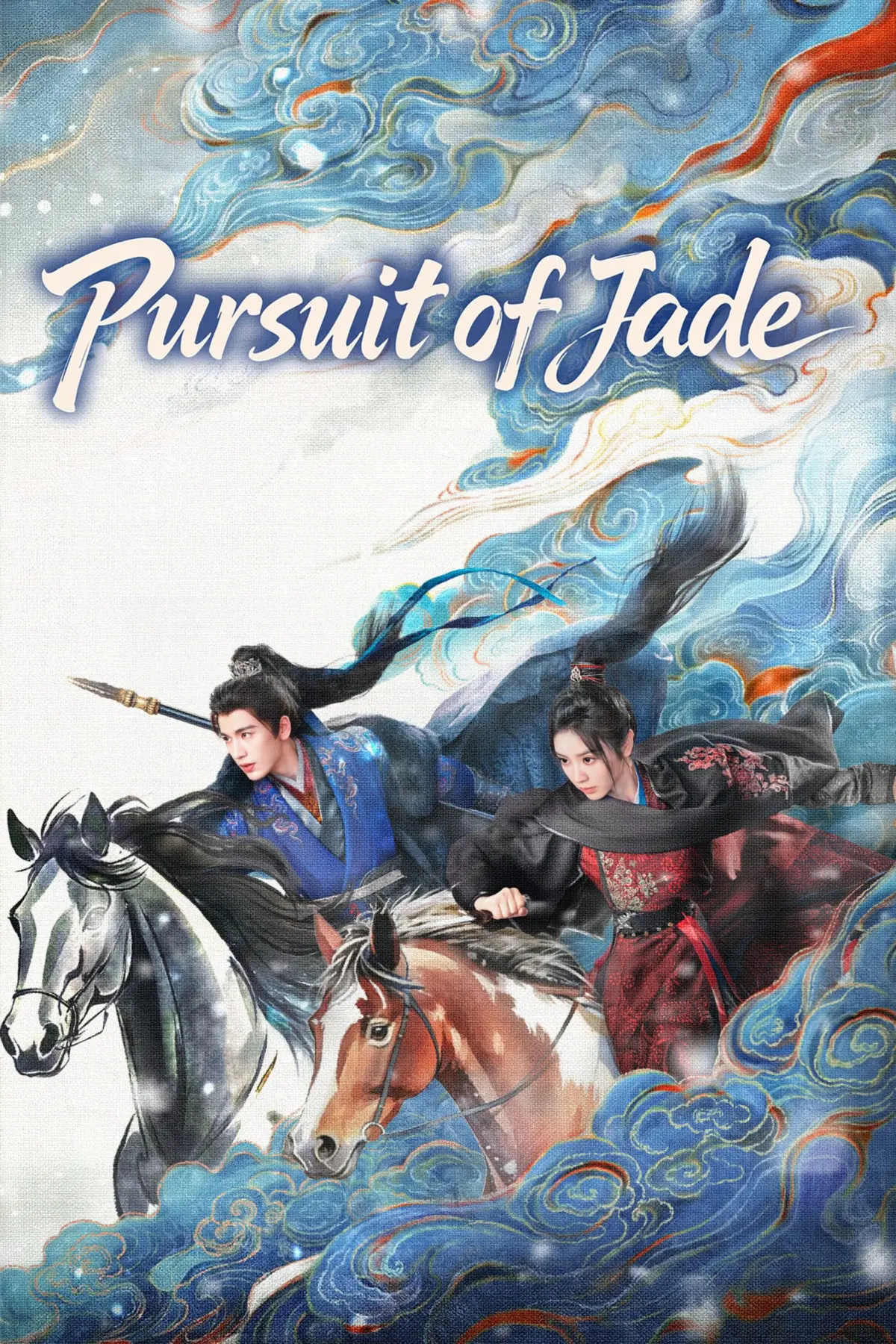
This tension between the modern appetite for deconstruction and the primal human necessity for archetypal heroism forms the crux of a broader cultural inquiry. Recently, this theoretical debate was brought into sharp, personal focus through an intersection of popular media—specifically the breakout Chinese historical drama Pursuit of Jade—and a terrifying real-world emergency: a midnight wildfire threat amid an unprecedented drought in rural Nebraska.
This report examines the structural differences between protagonists and heroes, the neurological mechanics of mythic storytelling, and the critical importance of crafting narratives that take readers through darkness into the dawn of renewal.
Detailed Chronology: From Fiction to Real-World Fire
The intersection of narrative immersion and real-world peril unfolded over a rapid, high-stakes 72-hour period, illuminating how deeply fiction can imprint upon the nervous system during actual crises.
Phase 1: Immersion in the Heroic Archetype (Pursuit of Jade)
The intellectual and emotional foundation of this experience began with a deep dive into Pursuit of Jade, a 40-episode Chinese historical drama taking international streaming platforms by storm. Set in a fantasy-inflected medieval China, the narrative follows Fan Changyu, a young commoner operating her family’s butchery business to protect her sister after the murder of their parents. When she discovers Xie Zheng—a gravely wounded nobleman and general—dying in the snow, her innate goodness compels her to nurse him back to health.
As the sprawling plot develops, Zheng enters a marriage of convenience to protect Changyu’s estate from a predatory relative. War erupts, separating the pair, and Changyu embarks on an epic quest to become a warrior in her own right. Eventually reuniting with Zheng, she uncovers a vast imperial conspiracy surrounding her parents’ assassination. Featuring lush cinematography, an evocative score, and a slow-burn romance, the series delivered an intoxicating "story high," steeping the viewer’s subconscious in images of steadfast courage, sacrifice, and moral integrity.
Phase 2: The Midnight Alarm
Hardly hours after finishing the series, the psychological residue of this immersion was violently tested. At 12:30 AM, a phone call from family shattered the quiet: a wildfire was burning in the hills just two miles away.
Residing on the edge of a high-risk timbered zone in Nebraska—a state experiencing its most severe drought conditions in modern memory, compounded by a lack of winter snowpack—the threat was immediate. With regional conditions echoing historical drought markers and nearly a million acres having already burned across the state earlier in the year due to historic disasters like the Morrill and South Fork fires, the red-flag warning conditions meant the wind was blowing directly toward the residential canyon.
Phase 3: Execution of the "Go Plan"
Mobilizing instantly under adrenaline, the evacuation protocol was executed with unexpected calm. Although the fire ultimately proved anticlimactic—a sudden, anomalous drop in wind speed at dusk allowed local firefighters and neighbors to achieve containment just prior to midnight—the psychological impact of the event lingered.
In the moments of uncertainty, when the scale of the danger was unknown, the visceral imagery, soundtrack, and thematic resolve of Pursuit of Jade did not fade. Instead, they acted as an internal stabilizing force. The narrative functioned not merely as past entertainment, but as a preemptive reservoir of courage.
Supporting Context & Metrics: The Crisis of Context
To understand why heroic narratives exert such a powerful grip during moments of existential threat, one must examine the broader environmental and psychological landscapes in which contemporary audiences operate.
The Environmental Reality: Drought and the Threat of Flame
The Nebraska wildfire scare is part of a larger ecological crisis gripping the American Midwest and Great Plains. Mid-year climate metrics indicate structural rainfall deficits that threaten to mirror the historic desolation of the Dust Bowl if upcoming weather patterns fail to deliver significant moisture.
Statewide Burn Totals: Nearly 1 million acres have been consumed by wildfires across Nebraska.
Precipitation Deficits: Long-range forecasts project the necessity of anomalous rainfall volumes—exceeding 14 inches per month in certain sectors—just to normalize baseline soil moisture levels.
Vulnerability Indices: Rural and timbered foothill communities face heightened "Red Flag" days, transforming routine seasonal wind events into immediate structural threats.
The Literary Shift: Protagonists vs. Heroes
Concurrently, the publishing and entertainment industries have undergone a structural paradigm shift regarding character design.
[Protagonist] ---> Structural Driver of Plot (No Inherent Moral Mandate)
[Antihero]    ---> Morally Gray / Subversive (Explores Shadows & Tragedy)
[Hero]        ---> Archetypal Transmutation (Sheds Falsehood, Emerges Reborn)
While a protagonist is merely the mechanical engine driving a plot forward—possessing no inherent moral requirements—the hero operates on an archetypal, symbolic level. Modern storytelling heavily favors the "morally complex" antihero, a vital literary development for exploring the shadows of human nature and catharting collective trauma through tragedy.
However, cultural critics note that this elevation of ambiguity often denigrates genuinely heroic narratives as simplistic or unrefined. This dismissal ignores the psychological utility of the hero’s journey: a symbolic framework designed to guide the human psyche through trials, disillusionment, and eventual rebirth.
Official Insights & Psychological Frameworks
Examining the mechanics of mythic storytelling reveals that stories are not merely passive diversions; they are subliminal technologies that communicate directly with the unconscious mind.
The Jungian Perspective on Symbols
Drawing on the psychological framework of Carl Jung, true symbols cannot be consciously manufactured by rational design. A genuine symbol—such as the archetypal hero standing against overwhelming darkness—stems from spontaneous, natural products of the unconscious mind. It gestures toward realities not yet fully comprehended by logical thought.
"A symbol always stands for something more than its obvious and immediate meaning… [It is] linked to the conscious thought behind it, not a symbol that hints at something not yet known." — Carl Jung
When a narrative successfully touches this symbolic layer, it bypasses cognitive filters. It acts like a tuning fork, causing the human nervous system to resonate with deep-seated capacities for courage, steadfastness, and grace.
Six Pillars of Heroic Storytelling
For authors and creators seeking to harness this mythic resonance without falling into trite caricature, several principles emerge from narrative theory:
Channel Heroism Internally First: Creators must tap into these archetypal forces within their own creative processes—through daydreaming, meditation, and deep drafting—before attempting to project them onto characters.
Write Archetypes, Not Just Actions: Performing heroic deeds does not automatically make a character a hero. True resonance stems from the sincere, unironic embodiment of an archetypal posture.
Embrace Diversity in Archetypal Forms: The Hero is only one transformative archetype among many—including the Maiden, King, Queen, Crone, and Mage, as well as steadfast figures like the Mentor and Lover.
Prioritize the Enduring Emotional Legacy: The ultimate measure of a story is not its plot mechanics, but the emotional state it leaves with the reader. Tragic endings, such as the sacrifice seen in Children of Men, can still inspire profound hope.
Navigate the Life-Death-Rebirth Cycle: Heroism requires a confrontation with darkness or death. The depth of the pit directly proportionalizes the starkness and power of the resulting emergence.
Allow Goodness to Be Genuinely Good: Sophistication does not require the elimination of moral clarity. Stripping away excessive irony to showcase genuine goodness tested by harsh reality creates a uniquely powerful impact.
Future Outlook: The Enduring Utility of Myth
As society navigates an era defined by rapid technological change, ecological stress, and cultural polarization, the hunger for meaningful narrative structures is unlikely to abate. While the appetite for dark, deconstructive storytelling will remain a vital tool for processing societal anxiety, the counter-movement toward unabashedly heroic and mythic fiction is experiencing a vital renaissance.
The convergence of harrowing real-world events and deeply immersive storytelling underscores a profound truth: stories are humanity’s primary technology for transmuting fear into resilience. They do not merely entertain; they prepare the soul for the sudden, unpredictable trials of existence, ensuring that when the midnight alarm sounds, individuals do not face the dark entirely unarmed.







Comments
Facebook App ID not configured. Please add it in the Customizer.