
Executive Overview
For centuries, the archetype of the novelist has been defined by isolation—a solitary figure retreating to a quiet room, shutting out the clamor of the outside world, and laboring in obscurity over a blank page. But in the contemporary literary marketplace, that romanticized solitude has become an industry-wide liability. Today, the modern publishing ecosystem demands that authors wear a dual hat: they must be deeply introspective literary artists and high-performing social media influencers.
This structural shift has fundamentally altered how books are birthed, marketed, and consumed. Long before a manuscript is edited, copyedited, or assigned a striking cover, publishing houses increasingly look to an author’s pre-existing digital footprint to gauge market viability. Consequently, the burden of audience-building and book marketing has decisively shifted from corporate publicity departments onto the shoulders of the writers themselves.
For authors transitioning from visually driven spaces—such as content creation, food styling, or art—into traditional fiction, this reality presents a jarring paradox. While digital platforms thrive on real-time engagement, aesthetic consistency, and behind-the-scenes transparency, the act of writing long-form fiction is inherently unphotogenic, intensely solitary, and psychologically precarious.
Read Also
This feature explores the high-stakes intersection of digital influence and literary craft. Drawing on the firsthand journey of author Jessica Siskin—who transitioned from a viral Instagram food artist building edible Rice Krispie Treat sculptures to a debut novelist spending eight years crafting Looks Perfect—we examine the hidden costs of writing in secret. Furthermore, this investigation analyzes how aspiring and established writers alike must adapt to the modern publishing mandate: learning to document the unglamorous, often invisible labor of storytelling before the world even knows a book exists.
Detailed Chronology: From Viral Rice Krispies to an Eight-Year Literary Pilgrimage
To understand the modern author’s dilemma, one must look at how digital platforms dictate career trajectories in the arts. Long before she penned her debut novel, Jessica Siskin was known across the internet as "Mister Krisp," an ephemeral food artist who built elaborate, brightly colored sculptures out of Rice Krispies Treats and sold them to clients throughout New York City.
Phase 1: The Built-In Audience and Treat Yourself!
Siskin’s entry into the traditional publishing world followed a pathway that has become increasingly common over the last decade. An acquisitions editor took notice of the vibrant, highly visual brand she had meticulously constructed on Instagram. Recognizing an audience primed for conversion, the publisher offered her a cookbook deal.
Leading up to the 2017 release of Treat Yourself!, Siskin found the book promotion process organic and seamless. Her creative output—food art—was built for the visual economy of social media. Sharing the behind-the-scenes process of sculpting, baking, and photographing her edible creations felt like a natural extension of her daily routine. Her followers watched the progression of the cookbook in real time, fostering a sense of co-ownership and deep investment in the final product. When Treat Yourself! finally hit shelves, fans were eager to celebrate a book they felt they had helped bring to life.
Phase 2: The Great Retreat and the Birth of Looks Perfect
Yet, just as her culinary brand reached its apex, Siskin’s creative ambitions shifted. Right before her cookbook’s release, she began conceptualizing a short story centered on the complex, often surreal psychology of modern social media influencers. That short story gradually ballooned into an expansive narrative, eventually morphing into her debut novel, Looks Perfect.
What followed was an eight-year monastic literary pilgrimage. Unlike her food art business, which required constant public-facing documentation, the creation of Looks Perfect happened behind a wall of silence. For nearly a decade, Siskin collected virtually zero photographic or video evidence of herself writing. She told almost no one outside her immediate circle what she was working on.
This secrecy was not born of coyness, but of profound vulnerability. Writing a novel is an exercise in psychological endurance. On some days, the work flowed with intoxicating inspiration; on others, the weight of self-doubt brought her to the brink of abandonment. Because the story mattered so deeply to her, Siskin made the radical decision to quietly shutter her successful food art business, dedicating herself entirely to the manuscript. Finishing and selling the novel was no longer just a career goal—it was her sole professional trajectory.
The pressure was suffocating. While fielding casual inquiries from close friends and family members about the book’s progress was daunting enough, the mere thought of opening up that fragile creative space to acquaintances, industry peers, and anonymous strangers on the internet was, in her words, "the stuff of nightmares."
Phase 3: The Silence of the Algorithm and the Content Drought
After eight years defined by emotional exhaustion, copious quantities of coffee, and relentless revision, Siskin typed those three final words: The End. Following a round of polished edits, her literary agent sent the manuscript out on submission. Within a few months, she secured a traditional book deal.
The elation of achieving a lifelong dream was swiftly tempered by a harsh commercial reality: during the eight years she spent buried inside her manuscript, her Instagram account had gone entirely dormant. The algorithm, unforgiving of long silences, had effectively forgotten her. She realized she would have to rebuild her digital presence and cultivate a new, bookish audience completely from scratch.
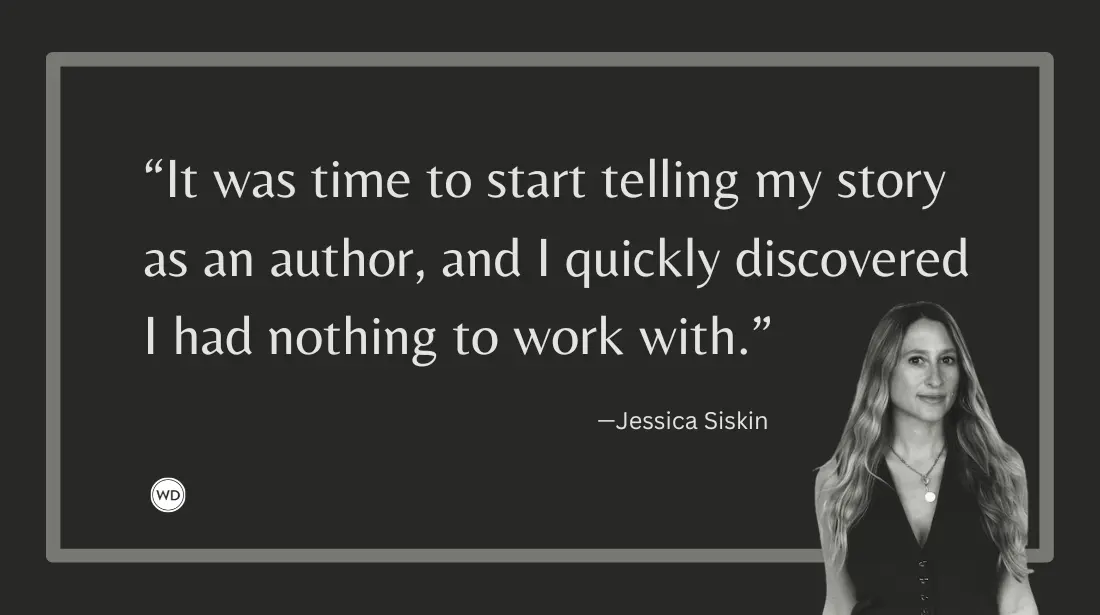
When she sat down to chronicle her authorial journey, she confronted a stark crisis: she had nothing to work with. There were no dramatic B-roll clips of her staring pensively at a glowing monitor, no timelapses of flashing cursors, and no candid snapshots of writer’s block. She had been a professional content creator for years; she should have known better.
Yet, the nature of the mediums could not have been more different. Promoting a cookbook involved vibrant two-week studio shoots on colorful sets and lively coffeehouse writing dates with peers. In contrast, the daily reality of writing a novel was long, agonizingly slow, and decidedly unphotogenic. Searching through her phone’s camera roll for forgotten images of laptops and notebooks, Siskin faced a sobering truth: her failure to document her writing years stemmed from a deeper, subconscious lack of faith in her own eventual success.
Supporting Context & Metrics: The Shifting Publishing Landscape
Siskin’s journey is emblematic of a massive macroeconomic and cultural transformation within the global publishing industry. To grasp why authors are increasingly pressured to become influencers, one must analyze the structural economics of modern media.
The Death of Traditional Gatekeeping and the Rise of "Built-In Platforms"
Historically, traditional publishing houses maintained robust publicity and marketing departments tasked with generating buzz, booking media tours, and placing reviews in major literary periodicals. While these departments still exist, their operational budgets have steadily contracted across the industry.
Today, literary agents and acquisitions editors routinely evaluate a manuscript not solely on its literary merit, but on the author’s platform potential. Publishers increasingly view a robust social media following as a critical risk-mitigation tool. An author with 50,000 active, engaged followers on TikTok or Instagram represents a direct, cost-effective sales channel that bypasses expensive traditional advertising campaigns.
According to data tracking trends in book marketing:
- The "BookTok" Phenomenon: Communities centered around literature on TikTok—collectively known as BookTok—have demonstrated the unprecedented power to catapult backlist titles to the New York Times bestseller list years after their initial publication. Publishers now monitor these digital ecosystems as real-time focus groups.
- The Debut Author Disadvantage: Debut authors without an established digital presence face an uphill battle. Without an algorithmic footprint, securing shelf space in brick-and-mortar bookstores—where publishers must pay for prime placement—becomes significantly more challenging.
- The Emotional Toll: A 2023 survey of emerging and mid-list authors conducted by various literary advocacy groups found that over 74% of respondents experienced significant anxiety regarding social media maintenance, with many reporting that marketing duties frequently encroached upon their creative writing time.
The Paradox of the "Unphotogenic" Art Form
Visual arts, culinary ventures, fashion, and fitness translate intuitively to platforms like Instagram and Pinterest. The final product is tangible, colorful, and immediate.
Literary fiction, however, resists easy visual translation. A writer staring blankly at a blinking cursor for six hours does not traditionally generate high engagement on short-form video platforms. The internal landscape of a character’s mind cannot be easily captured in a 15-second Reel without resorting to performative artifice. Consequently, authors who prioritize deep, uninterrupted concentration often find themselves penalised in a digital attention economy that rewards constant, highly visible output.
Official Perspectives: Shifting Paradigms in Authorial Branding
Navigating this digital mandate requires a fundamental shift in how writers perceive their own work. In her post-publication reflections, Siskin crystallized a vital lesson for contemporary creators: authentic content creation is not about manufacturing a fake persona; it is about honoring your perspective and trusting that an audience will connect with your unique view of the world.
However, her experience taught her an essential corollary: in order to tell a future story, you must think ahead.
When speaking to emerging writers currently knee-deep in manuscripts, Siskin offers counter-intuitive advice. She urges them to document the moments that feel mundane, tedious, or downright uninspiring:
- Sitting at a cluttered desk at 2:00 AM surrounded by crumpled draft pages.
- Hopping on a high-stakes Zoom call with a literary agent.
- The crushing disappointment of a rejection letter from a publisher.
- The dizzying elation of receiving structural edit notes.
- The quiet, anticlimactic moment of typing those two definitive words: The End.
By capturing these seemingly insignificant snapshots in real time, authors build a visual asset library. When their book finally sells months or years down the line, they are not caught empty-handed. Instead, they possess a rich tapestry of behind-the-scenes material that can be deployed across Reels, TikToks, and carousel posts. This strategy allows readers to bypass the final product and invest directly in the grueling, human process of its creation—fostering an emotional bond with a book long before they open the first chapter.
Future Outlook: The Intersection of Digital Storytelling and Literary Craft
As the publishing landscape continues to evolve at a breakneck pace, the artificial division between the "solitary writer" and the "public-facing influencer" is steadily dissolving. Future generations of authors will likely view digital documentation not as an annoying corporate chore, but as an integral, participatory layer of the artistic process itself.
For her part, Siskin is already putting these hard-earned lessons into practice. As she stands in the early, fragile stages of drafting her second novel, she approaches the keyboard differently. When she films a quick timelapse of her hands hovering over the keys or snaps a casual photo of a blank Word document featuring a newly minted chapter heading, she no longer views it as a distraction from her art.
Instead, she recognizes these small, deliberate acts as financial and emotional investments in her own future success. She is planting the seeds of a narrative journey that she knows—with hard work, patience, and a renewed belief in her own storytelling capacity—she will eventually have the privilege to share with the world.
At their core, social media and literature share a singular, unifying purpose: they are both powerful mediums that allow human beings to connect through, and invest in, compelling stories. To thrive in the modern literary marketplace, today’s authors must not only master the written word; they must also equip themselves to document the invisible, courageous journey of bringing those words to life.

Comments
Facebook App ID not configured. Please add it in the Customizer.