
Executive Overview
For many authors, confronting the gaps in their narrative execution triggers a familiar sense of dread. The mere mention of identifying one’s "writing weaknesses" can turn a tranquil afternoon into an existential crisis. However, seasoned educators and bestselling authors argue that this discomfort is entirely misplaced. Far from being a marker of failure, the ability to pinpoint specific flaws in a manuscript is definitive proof of a writer’s evolving aesthetic awareness.
Narrative fiction is an art form of staggering complexity. Because no story can ever achieve absolute perfection, no author can claim to be a flawless creator. Instead of striving for an unachievable ideal, writers must reframe their technical shortcomings not as terminal mistakes, but as signals of professional growth. By understanding the psychological gap between creative taste and execution—and by employing systematic diagnostic methods—writers can transform recurrent flaws into signature strengths.
Detailed Chronology: The Evolution of Craft Awareness
The journey from a novice storyteller to a technically proficient author is rarely linear. It follows a distinct psychological and practical progression that every creator must navigate.
Read Also
Phase 1: The Illusion of Infallibility
At the inception of a writer’s journey, enthusiasm often masks technical deficiencies. Unburdened by deep knowledge of story structure, pacing, or character arcs, early-stage creators frequently experience unearned confidence. Their initial drafts feel inspired because their critical faculties have not yet caught up to their ambitions.

Phase 2: The Onset of the "Taste Gap"
As authors read widely, study the mechanics of narrative, and produce subsequent manuscripts, their critical faculties sharpen. This phenomenon mirrors what popular radio producer Ira Glass famously described regarding creative work: creators enter the field because they possess "killer taste." Unfortunately, a severe gap emerges. For years, the work they produce fails to match the quality of the art they consume. This realization breeds frustration, leading many writers to mistake their refined taste for a lack of talent.
Phase 3: Moving from Vague Dread to Specific Diagnostics
Intermediate writers often transition from blind confidence to a generalized, paralyzing sense that "something is wrong" with their prose. This is the critical juncture where many give up. However, writers who push past this fog begin to apply systematic analysis to their work. They separate the destructive, generalized chatter of their inner critic from the actionable insights provided by their innate story sense.
Phase 4: Systematic Remediation and Mastery
In the final phase of craft maturation, authors stop viewing weaknesses as personal indictments. Instead, they catalog recurring issues—such as sluggish pacing, flat character motivations, or weak dialogue—and build targeted regimens to correct them. By studying craft theory, analyzing reader feedback, and experimenting with narrative structures, writers systematically convert these friction points into reliable strengths.
Supporting Context & Metrics: The Anatomy of a Writing Weakness
To effectively remediate a flaw, an author must first understand what constitutes a true writing weakness as opposed to a temporary drafting error or a stylistic choice.

Defining Habitual Weaknesses
A writing weakness is not merely a localized typo or a minor plotting hiccup confined to a single chapter. Rather, it is a recurring craft problem that manifests across multiple stories and drafts. These habitual faults usually stem from two sources:
- Gaps in Craft Knowledge: Unfamiliarity with the foundational rules of plotting, pacing, or thematic integration.
- Avoidance Behaviors: The natural human tendency to bypass difficult or unappealing aspects of storytelling (such as crafting complex openings or writing intricate emotional climaxes).
The Stylistic Exception
Not every deviation from conventional writing rules constitutes a weakness. Literary history is filled with iconic authors who subverted standard grammar, chronology, or formatting to achieve deliberate artistic effects:
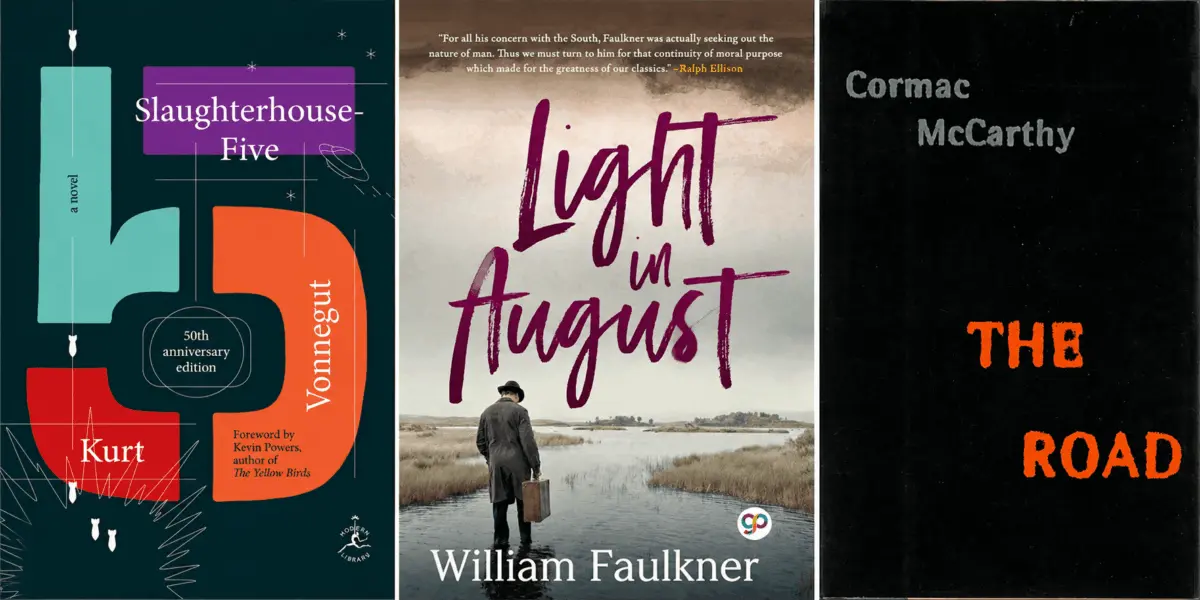
- Kurt Vonnegut utilized fragmented, non-linear timelines in Slaughterhouse-Five.
- William Faulkner pioneered complex stream-of-consciousness techniques to explore deep psychological states.
- Cormac McCarthy famously discarded traditional dialogue punctuation to create stark, immersive pacing.
These techniques are not weaknesses because they are executed with conscious intent. The ultimate litmus test for any unconventional choice is simple: Does it effectively communicate the author’s intent and allow the reader to engage with the story? If a stylistic choice alienates readers due to poor execution, it is a weakness. If it serves the narrative purpose, it is a stylistic strength.
5 Methods for Identifying Writing Weaknesses
Mastering the diagnostic process requires a blend of intuition and external analysis. Authors can uncover their blind spots using five proven strategies:

- Listen to Your Gut Feelings: Differentiate between the cruel, generalized noise of your inner critic ("This is trash") and specific diagnostic nudges from your story sense ("The tension dips in the middle of this scene").
- Examine Your Avoidance Patterns: Pay attention to the elements of a manuscript you dread writing—whether it is exposition, dialogue, or world-building. What you avoid writing usually exposes an underdeveloped skill.
- Audit Multiple Manuscripts: Look for problems that recur across different books. If three separate novels feature passive protagonists, you have identified a systemic writing weakness rather than a one-off error.
- Leverage Critique Partners and Beta Readers: Utilize structured questionnaires asking beta readers specific questions about character motivation, pacing, and emotional resonance. Look for overlapping patterns in their feedback.
- Analyze Reader Reviews Objectively: For published authors, aggregate reader reviews offer unfiltered data. While individual opinions vary, a recurring thread of criticism across multiple independent reviews warrants serious consideration.
Official Statements and Expert Perspectives
Prominent literary voices have long championed the value of confronting professional vulnerabilities head-on.
Reflecting on her own illustrious career, award-winning young adult author Laurie Halse Anderson offered a candid assessment of her technical challenges in an interview with The Writer magazine:
"I know my weaknesses. Plot is still a challenge, but dialog comes easily. Character development is cake, but I sweat blood about describing setting and folding descriptions into action to move the story along. I’m a terrible speller and a bit inventive with grammar, so I have to spend extra time on those, too."
Similarly, newspaper editor and author Verlyn Klinkenborg, in his acclaimed guide Several Short Sentences About Writing, encourages writers to embrace their lack of omniscience:

"Whenever you get a glimpse of your ignorance, don’t fear it or be embarrassed by it. Acknowledge it. What you don’t know and why you don’t know it is information too."
These perspectives underscore a fundamental truth of the profession: acknowledging ignorance is not a sign of defeat, but the primary mechanism of acquisition.
Future Outlook: Leveling Up Your Storytelling Skills
The landscape of modern publishing is evolving rapidly. As readers increasingly crave authenticity, originality, and emotional depth, the mechanical perfection of prose will no longer be enough to guarantee a book’s success. Authors must cultivate a distinct narrative voice anchored in a deep, foundational understanding of story architecture.
By moving past the fear of inadequacy, writers can approach craft education with curiosity rather than anxiety. Recognizing a writing weakness signals that your artistic taste has outpaced your current technical execution—a condition that every great artist experiences throughout their career.

Armed with diagnostic tools, open to objective feedback, and willing to systematically study their weak areas, modern storytellers can take full control of their creative evolution. Every weakness conquered opens the door to a higher tier of mastery, proving that the journey of writing is not about arriving at perfection, but about the endless, exhilarating pursuit of better storytelling.


Comments
Facebook App ID not configured. Please add it in the Customizer.