
Executive Overview
Amazon is quietly preparing for a major refresh of its flagship tablet lineup. Recent regulatory filings uncovered on the Federal Communications Commission (FCC) database indicate that a brand-new digital media device—widely believed to be the second-generation Amazon Fire Max 11—has successfully secured federal clearance for distribution and sale in the United States.
For months, consumers and tech enthusiasts have noticed dwindling stock levels and the eventual phasing out of the first-generation Fire Max 11, signaling that an updated hardware cycle was imminent. FCC certification serves as the definitive legal bridge between factory prototypes and commercial retail availability. With this regulatory milestone achieved, the path is entirely clear for Amazon to formally announce its next-generation productivity and entertainment slate.
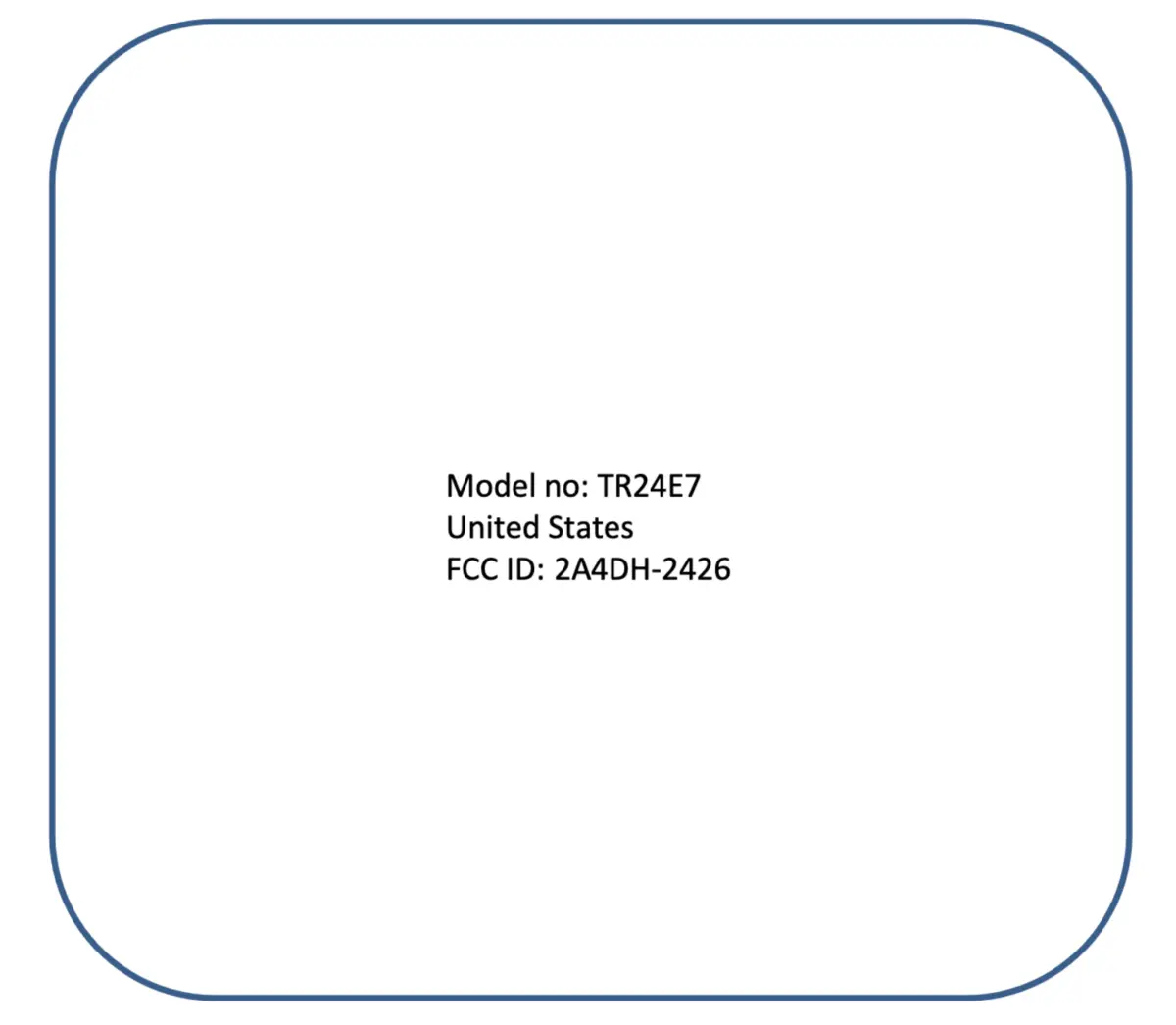
Preliminary specifications gleaned from public FCC documentation reveal a device that addresses one of the primary criticisms of its predecessor: performance bottlenecks. While the original Fire Max 11 staked its claim as a capable, budget-friendly media consumption device, its 4GB of RAM often left power users desiring smoother multitasking and faster app-switching capabilities. The upcoming model, designated under FCC ID 2A4DH-2426 (with the internal model number TR24E7), represents a massive generational leap. Driven by a powerful MediaTek octa-core system-on-chip and double the memory allocation, the second-generation Fire Max 11 appears engineered to capture a larger share of the mid-range tablet market.
Read Also
This comprehensive report breaks down the technical disclosures, evaluates the strategic implications for Amazon’s hardware ecosystem, and projects what this device means for budget-conscious consumers seeking premium features without the heavy price tag.
Detailed Chronology: From Inventory Shortages to FCC Approval
The journey toward the unannounced second-generation Fire Max 11’s debut follows a classic consumer electronics script, characterized by quiet supply chain adjustments, regulatory footprints, and industry speculation.
Phase 1: The Disappearance of the First-Gen Fire Max 11
The first-generation Fire Max 11 was initially launched as Amazon’s most ambitious tablet to date. Sporting a sleek aluminum body, an 11-inch 2K display, and optional productivity accessories like a detachable keyboard case and a stylus, it positioned Amazon directly against mid-tier offerings from Samsung and Lenovo. However, throughout mid-to-late 2026, eagle-eyed retail watchers noted that Amazon’s official storefront and major third-party outlets experienced sustained inventory deficits. Discounts became deeper and less frequent, and popular bundles disappeared entirely. In the consumer hardware space, such sustained stock depletion of a flagship product almost universally points toward one inevitable conclusion: the hardware lifecycle is winding down to make room for a successor.
Phase 2: The Regulatory Paper Trail
As is customary for any wireless or digital media device slated for the American market, manufacturers must submit their hardware to the FCC to verify compliance with electromagnetic radiation limits, radio frequency interference regulations, and safety standards.
In late August 2026, public records published by the FCC revealed a new filing under the identifier 2A4DH-2426, associated with the device model TR24E7. While corporate confidentiality requests frequently mask sensitive product designs, user manuals, and external photos during early testing phases, label diagrams and fundamental hardware architecture parameters inevitably enter the public domain. These filings immediately triggered speculation across tech communities, given the timing of the first-generation model’s phase-out and the specific performance signatures embedded in the documentation.
Phase 3: Imminent Commercial Launch
With FCC clearance officially locked in, the device is now legally cleared to cross borders, clear customs, and stock American fulfillment centers. Historically, Amazon maintains a short turnaround window—often ranging from a few weeks to a couple of months—between securing FCC approval and issuing a formal press release or surprise web storefront update. Industry insiders expect Amazon to position the new tablet as a cornerstone of its autumn hardware lineup, potentially timing releases to capture the critical back-to-school and early holiday shopping seasons.
Supporting Context & Metrics: Under the Hood of Model TR24E7
While complete promotional spec sheets have yet to be published by Amazon’s marketing division, technical details extracted from regulatory filings and benchmark indicators paint a vivid picture of the hardware changes powering the upcoming tablet.
The Processing Engine: MediaTek MT8189
At the heart of the model TR24E7 lies the MediaTek MT8189. This is an advanced 8-core ARM system-on-chip (SoC) specifically designed to power the next wave of performance-minded Chromebooks and mid-range Android-class tablets.
The inclusion of an octa-core architecture means Amazon is moving away from the more constrained processing setups found in older budget generations. The MT8189 is engineered to balance power efficiency with multi-threaded performance, ensuring that background tasks—such as cloud syncing, email fetching, and Audible downloads—do not choke foreground applications like web browsers or streaming video apps.

A Monumental Leap in Memory: 8GB of RAM
Perhaps the most headline-grabbing specification revealed in the filings is the integration of 8GB of RAM.
To fully understand why this is a watershed moment for the Fire tablet ecosystem, one must look at historical context:
- First-Gen Fire Max 11: Equipped with 4GB of RAM.
- Standard Fire HD 10 Models: Historically hovered between 3GB and 4GB of RAM.
- The New Standard (Model TR24E7): Doubling the memory to 8GB.
While 8GB of RAM is increasingly standard in mainstream smartphones and laptops, it remains a luxury feature in the budget tablet tier. In 2026, modern operating systems, resource-heavy web pages, and media-rich applications demand significantly more memory headroom. With 8GB of RAM, users will experience dramatically reduced app reload times, smoother split-screen multitasking, and the ability to keep multiple resource-intensive tabs open simultaneously without the system stuttering or forcing closures.
Storage Configurations and Expandability
The baseline configuration discovered in the initial documentation points to 64GB of internal storage. By modern digital standards—where high-resolution media, offline Netflix downloads, and bloated application caches quickly consume space—64GB can feel restrictive.
However, Amazon has wisely retained one of the most beloved features of its hardware lineup: microSD card expandability. The FCC documentation and structural diagrams confirm the presence of an expandable storage slot. This allows users to supplement the onboard 64GB with high-capacity cards (supporting up to 1TB or more, depending on formatting limits), ensuring that media enthusiasts can carry vast libraries of movies, audiobooks, and graphic novels without worrying about internal storage caps.
Official Statements and Industry Industry Impact
As is standard practice for the company prior to an official product launch, Amazon representatives have declined to comment directly on unannounced hardware or speculate on the commercial release timeline of the device carrying FCC ID 2A4DH-2426.
However, industry analysts and market researchers have been quick to weigh in on what this device signifies for the broader consumer electronics landscape. Major technology publications and hardware analysts note that Amazon’s strategy with the Fire ecosystem has always relied on a razor-thin hardware margin subsidized by content consumption—specifically, locking users into Prime subscriptions, Kindle books, Prime Video, and Audible.
By upgrading the internal specifications of its flagship tablet to include 8GB of RAM and a capable MediaTek octa-core processor, Amazon is subtly shifting its value proposition. No longer content to be viewed solely as a cheap consumption tool for streaming video, the second-generation Fire Max 11 is positioning itself as a legitimate, highly affordable productivity device. When paired with a keyboard dock, an 8GB RAM configuration transforms the tablet into a viable remote-learning terminal, a dependable light-office workstation for word processing and spreadsheet management, and an exceptional digital notepad.
Furthermore, industry competitors in the sub-$300 tablet market—including various budget offerings from Lenovo and white-label Android manufacturers—will find themselves under immense pressure. Offering 8GB of RAM at Amazon’s traditionally aggressive price points forces competitors to re-evaluate their own hardware margins or risk losing market share to the retail giant.
Future Outlook: What to Expect Next
With the regulatory hurdles cleared and manufacturing cycles presumably spinning up to meet anticipated consumer demand, the technology sector now waits for Amazon to drop the official curtain on its latest slate.
Key details that remain unconfirmed until the official launch event include:
- Pricing Strategy: Will Amazon maintain the aggressive price point of the original Fire Max 11, or will the upgraded internals bump the base MSRP slightly upward?
- Display Enhancements: While the first-gen featured a crisp 2K display, market watchers are eager to see if Amazon has introduced higher refresh rates (such as 90Hz or 120Hz) to complement the smoother processing power of the MediaTek MT8189.
- Accessory Ecosystem: Will the first-generation keyboard cases and styluses remain cross-compatible, or will Amazon introduce redesigned productivity accessories tailored for the new chassis?
As autumn progresses, consumers should keep a close eye on Amazon’s official digital storefront and press room. The arrival of FCC ID 2A4DH-2426 guarantees that the wait for the next chapter in Amazon’s tablet evolution is nearly over. For buyers looking for an exceptional balance of price, performance, and versatility, the upcoming second-generation Fire Max 11 is shaping up to be one of the most compelling tech releases of the year.





Comments
Facebook App ID not configured. Please add it in the Customizer.