
Executive Overview
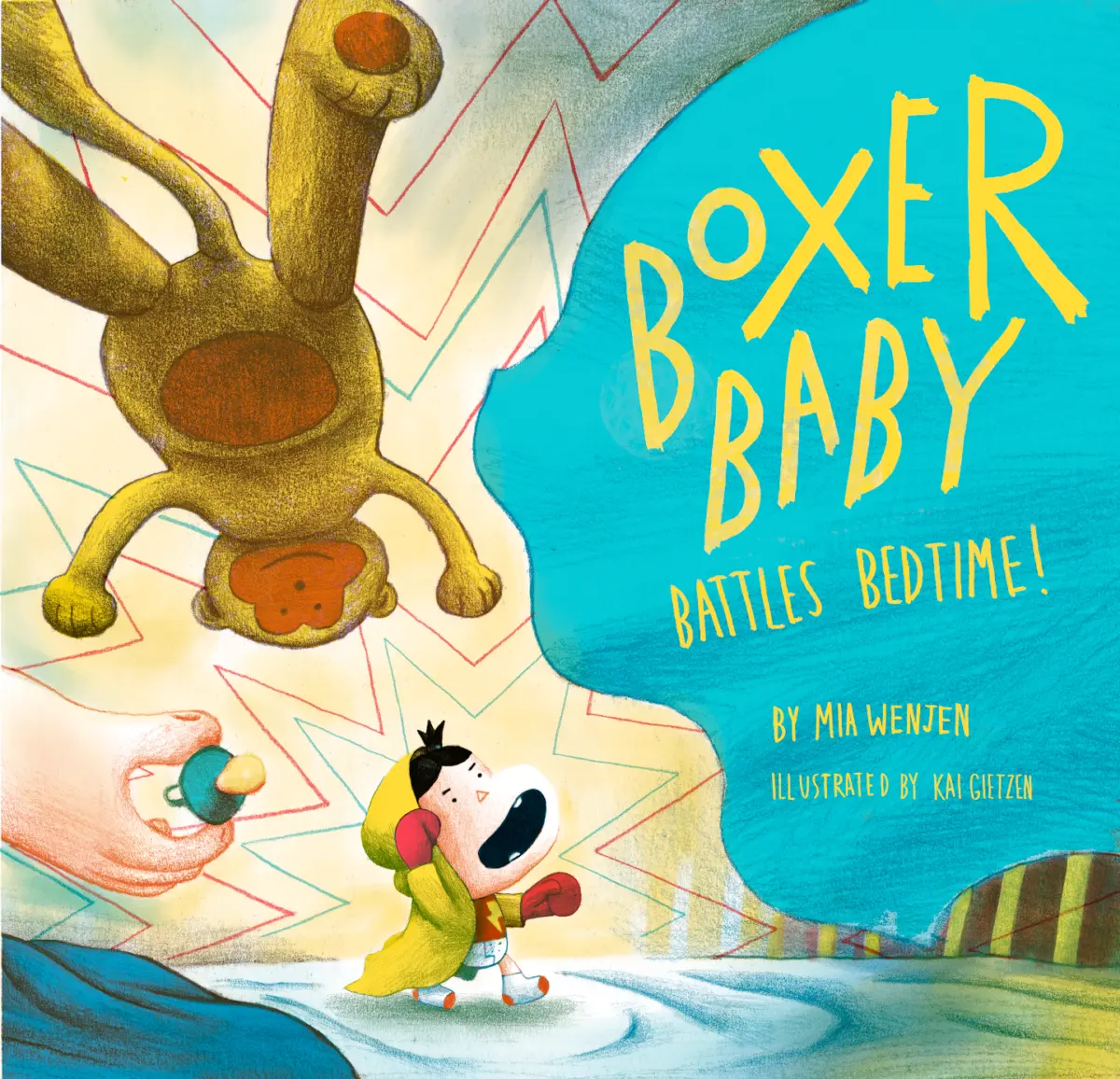
For attendees of the American Library Association (ALA) conference, scheduling is an exercise in precision. When literary advocate Alison Goldberg persuaded fellow attendees Kathy Choi and author Mia Wenjen to squeeze in a late-afternoon excursion to the historic Jane Addams Hull-House Museum alongside the Jane Addams Peace Association Children’s Book Awards, it sounded like an ambitious yet entirely manageable itinerary. However, what was intended to be a seamless cultural afternoon transformed into a revealing study of modern urban infrastructure challenges, deep historical inquiry, and the vibrant celebration of children’s literature.
This report chronicles the journey from a Boston-to-Chicago flight to the historic corridors of Hull-House, examining not only the logistical hurdles of navigating Chicago’s notorious Friday afternoon traffic gridlock, but also the profound historical revelations uncovered during the museum tour. Furthermore, this piece explores parallel histories of state surveillance—focusing on civil rights figures like Malcolm X and Yuri Kochiyama—and highlights the overarching triumph of the Jane Addams Peace Association Children’s Book Awards ceremony, which brought together creators, thinkers, and educators dedicated to social justice and transformative literature.
Detailed Chronology: From Boston Skies to Chicago Gridlock
The Departure and the Miscalculation
The journey began with high expectations and carefully laid plans. Kathy Choi and the author secured seats on the same morning flight from Boston to Chicago, touching down at O’Hare International Airport at 2:30 PM local time. With a scheduled museum tour starting at 4:30 PM, the travelers operated under the comfortable assumption that they had an ample two-hour window. This schedule even accommodated a brief stop at their hotel to drop off heavy luggage—a plan that quickly evaporated upon encountering the reality of metropolitan transit.
Read Also
The Anatomy of Chicago’s Friday Afternoon Gridlock
Upon boarding an Uber for the downtown commute, the travelers quickly learned a hard lesson about urban mobility. Far from being a standard rush-hour occurrence, Friday traffic in Chicago operates as a relentless, multi-hour snarl extending from Monday through Friday, kicking off as early as 2:00 PM.
According to the local rideshare driver, this congestion is not limited to outbound lanes or typical bottleneck corridors; rather, highway traffic into the city experiences severe slowdowns during these peak transition hours. Past visits to the Chicago area—frequently centered around trips to Northwestern University in Evanston, which typically required a straightforward one-hour transit window—failed to prepare the visitors for the density of downtown vehicular movement.
In a desperate bid to bypass the immobilized expressways, the driver diverted onto local side streets. While counterintuitive, this navigation through the arterial veins of the city ultimately delivered the travelers to their destination. They arrived only a "tad late," slipping into the museum just in time to join a remarkably well-attended and engaged crowd for the Hull House tour.

Historical Exploration: Inside the Jane Addams Hull-House Museum
A Revolutionary Safe Space in 1889
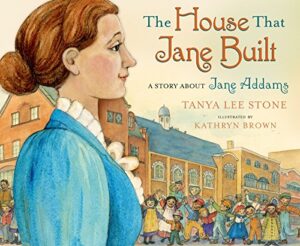
Stepping past the threshold of the Hull-House complex immediately grounds the visitor in the radical social history of Chicago. Founded in 1889 by Jane Addams and Ellen Gates Starr, Hull-House was far more than a settlement house designed to provide social and educational opportunities for working-class people and recent European immigrants.
During the guided tour, visitors learned that Hull-House functioned as an early, vital safe space for marginalized communities, including queer individuals, at a time when societal acceptance was virtually nonexistent. Addams and her contemporaries cultivated an environment of open dialogue, social reform, and intellectual freedom that challenged the rigid social norms of the Gilded Age and the Progressive Era.

The Gaze of State Surveillance: The F.B.I. and Hull-House
However, this concentration of progressive thought did not go unnoticed by the apparatus of the state. The Federal Bureau of Investigation (F.B.I.) maintained a vigilant, invasive watch over Hull-House participants. Federal authorities were deeply alarmed by the sheer diversity and radical nature of the thought leaders, activists, and immigrants who congregated within its walls, viewing intellectual dissent and coalition-building as a potential threat to institutional stability.
Supporting Context & Metrics: The Architecture of Surveillance
Parallels in Espionage: Yuri Kochiyama, Malcolm X, and the F.B.I.
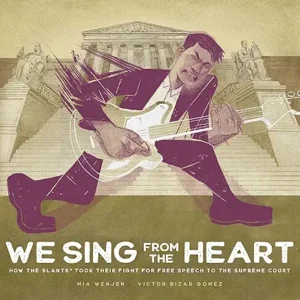
The realization of state surveillance at Hull-House sparks broader historical inquiries regarding how federal agencies monitor activists and communities of color. This phenomenon is vividly documented in historical literature, including the picture book Postcards from Malcolm X, which details the complex lives and relationships of civil rights icons Malcolm X and Yuri Kochiyama.

Historical records reveal the staggering extent to which the F.B.I. intruded upon ordinary lives under the guise of national security. Years before the tragic bombing of Pearl Harbor, federal agents rented a house directly across the street from Yuri Kochiyama’s family home in San Pedro, California, solely to spy on them.
The justification for this intrusive surveillance? Kochiyama’s father operated a wholesale fish company, an enterprise that afforded the family a modest middle-class lifestyle—placing them within a predominantly white neighborhood. This historical precedent underscores a troubling pattern: communities of color achieving economic stability or engaging in cross-cultural solidarity have historically been subjected to disproportionate state suspicion and surveillance.

Urban Transit Metrics and Commute Realities
To better understand the logistical challenges faced by conference attendees in major metropolitan areas like Chicago, transportation analysts often look at urban mobility indices.
| Metric Category | Typical Estimate | Actual Experience (Friday, 2:30 PM) |
|---|---|---|
| Airport to Downtown Transit | 45 – 60 Minutes | 90+ Minutes |
| Primary Bottleneck Factor | Interstate Congestion | Early Inbound Rush (Beginning 2:00 PM) |
| Mitigation Strategy | Express Highway Routes | Surface Street / Side Street Diversions |
| Tour Arrival Status | Prequalified On-Time | Arrived "Tad Late" but Fully Integrated |
Official Statements & Community Impact: The Children’s Book Awards
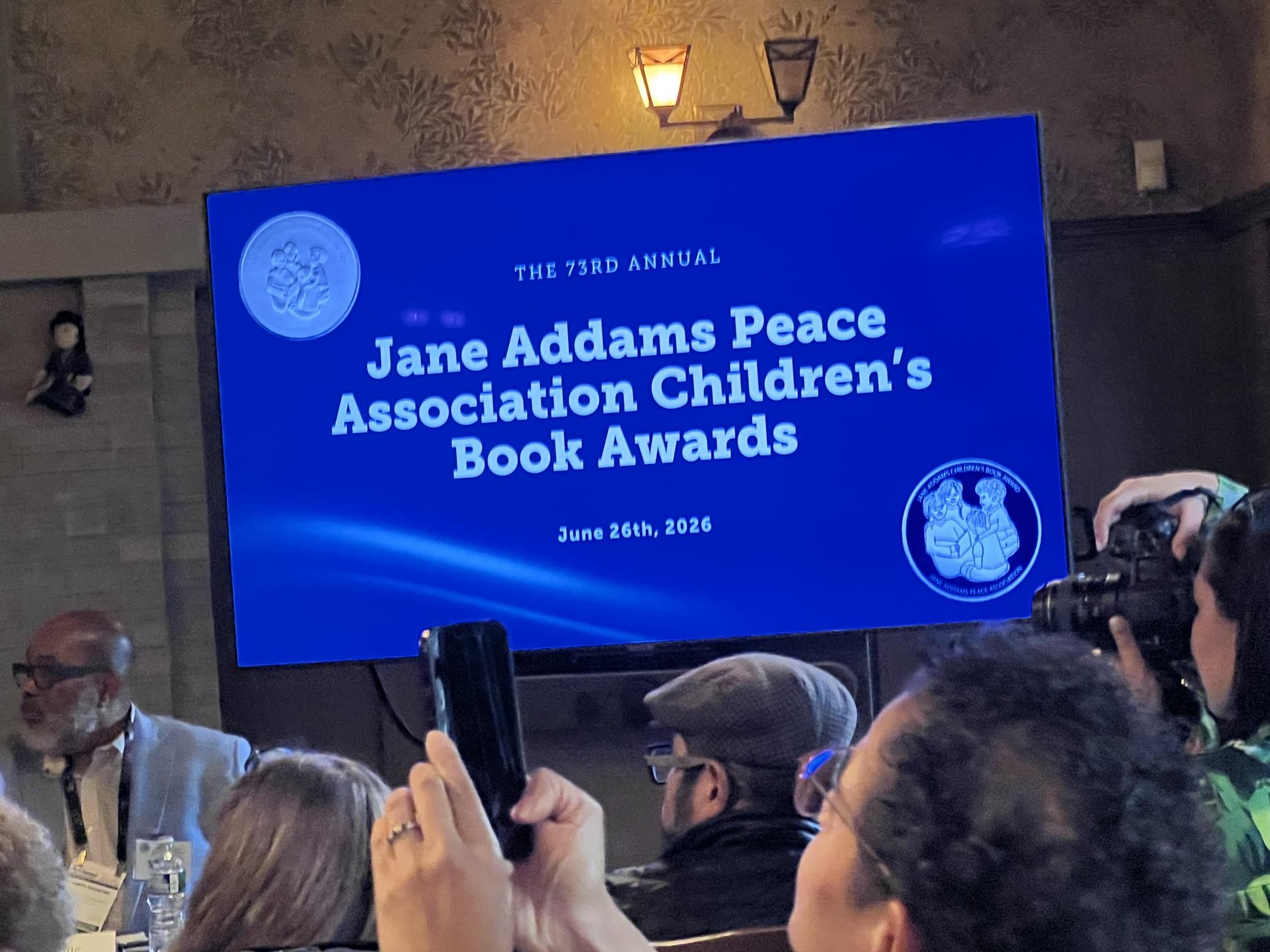
Despite the transit trials and the sobering historical reflections on government surveillance, the focal point of the evening—the Jane Addams Peace Association Children’s Book Awards ceremony—proved to be an uplifting and deeply rewarding experience.

Celebrating the Story Behind the Story
The awards ceremony brought together prominent authors, illustrators, educators, and literary advocates. Attendees praised the emotional resonance and educational value of the speeches delivered during the event. Rather than simply accepting accolades, speakers offered deep dives into their creative motivations, sharing the intimate "stories behind the stories" that inspired their award-winning works.
These narratives frequently mirror the spirit of Jane Addams herself: emphasizing peace, social justice, equity, and cross-cultural understanding. For writers and readers alike, the gathering served as a vital reminder of children’s literature’s power to shape empathetic, critically thinking future generations.
Future Outlook: Literature, Advocacy, and Ongoing Dialogue
As the ALA conference concluded and attendees returned to their respective corners of the country, the intersections of history, modern logistics, and literary advocacy left a lasting impression.
Key Takeaways for Future Conference Attendees
- Buffer Your Itineraries: Major metropolitan areas like Chicago require generous transit buffers, particularly during weekday peak hours when traffic patterns shift earlier than anticipated.
- Engage with Local History: Conferences offer unique opportunities to step outside convention centers and engage directly with historical institutions like Hull-House, grounding professional development in community heritage.
- The Enduring Power of Social Justice Literature: Events like the Jane Addams Children’s Book Awards reinforce the necessity of championing diverse, challenging, and historically conscious books for young readers, even as societal debates over censorship and surveillance persist.
By bridging the gap between historical scrutiny—such as examining the surveillance practices of the past—and the celebratory promotion of inclusive children’s literature, events like these ensure that the legacy of Jane Addams continues to inspire modern movements for justice, equity, and free expression.





Comments
Facebook App ID not configured. Please add it in the Customizer.