
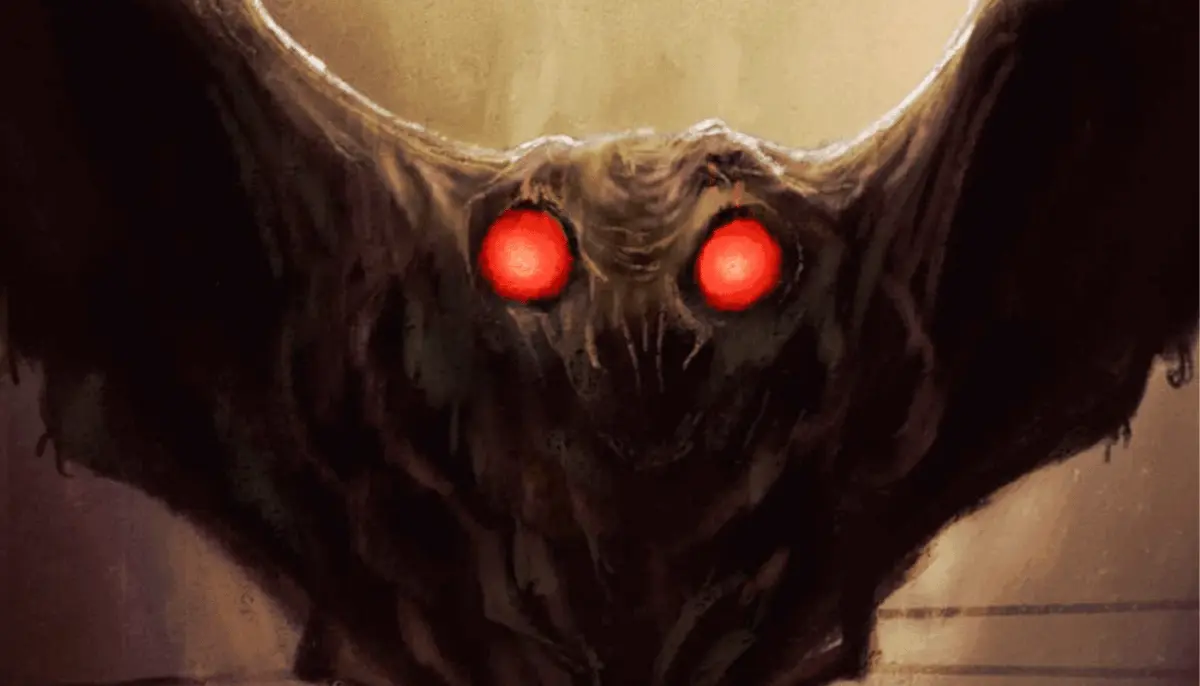
The internet’s insatiable appetite for the uncanny was recently reignited by a viral sensation known as "Jimothy." Initially rumored to be a newly discovered cryptid lurking in the Pacific Northwest, Jimothy captured the collective imagination of millions before it was definitively unmasked as a local raccoon grappling with a severe spinal deformity. Rather than dampening the public’s enthusiasm, this humble biological reality cemented the animal’s legendary status. Jimothy was subsequently immortalized with an official Dungeons and Dragons stat block—titled Jimothy, Beloved Cryptid—and featured in endless footage scuttling through the neighborhoods of Seattle.
This cultural phenomenon serves as a modern symptom of a timeless human fascination: the liminal space where known biology ends and unverified myth begins. Witnessing the viral celebration of a deformed raccoon and the subsequent public embrace of fictionalized fauna naturally directs the cultural lens toward a much darker, more visceral manifestation of this obsession—cryptid horror literature.
Strictly speaking, cryptozoology concerns animals whose existence has not been officially confirmed by mainstream science, though folklore frequently expands these parameters to include malevolent supernatural entities. From the towering, elusive frame of Bigfoot to the murky depths haunted by the Loch Ness Monster, these legendary anomalies have fueled centuries of folklore. More structured historical examinations, such as Judith Tarr’s exhaustive explorations of global beasts—ranging from the Australian bunyip to the nocturnal terror of the Jersey Devil—demonstrate how deeply rooted these concepts are in human psychology.
Read Also
When translated into the horror genre, the cryptid archetype undergoes a terrifying metamorphosis. The five horror novels analyzed in this report represent the pinnacle of this literary subgenre. Utilizing a combination of real-world cryptozoological lore and unbridled authorial imagination, these works substitute gentle internet memes with unyielding brutality, sharp teeth, massive claws, and relentless bloodshed.
Detailed Chronology
To understand the trajectory of cryptid horror in contemporary literature, one must examine the specific cultural touchstones and fictional releases that have defined the evolution of the genre over the past several decades.

- Pre-20th Century: Cryptids exist primarily as oral traditions, local folklore, and indigenous mythologies. Creatures like the Crota are embedded within regional belief systems as cautionary tales of natural imbalance and sacred boundaries.
- 1933: The modern cryptozoological era is catalyzed by widespread media reporting of the Loch Ness Monster, transforming local folklore into a global obsession.
- 1967: The release of the Patterson-Gimlin film solidifies the visual archetype of Bigfoot in the American consciousness, providing a cultural baseline for future survival horror narratives.
- 2008: The "Montauk Monster" washes ashore on the beaches of New York, sparking intense media speculation. This event provides the direct real-world inspiration for contemporary pulp horror adaptations.
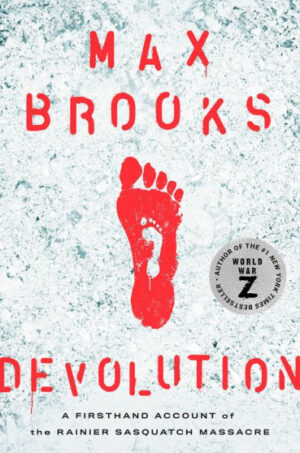
- 2020: Max Brooks publishes Devolution, bridging the gap between high-concept speculative fiction and traditional monster horror, utilizing a mixed-media format to modernize the Sasquatch narrative.
- Contemporary Era (2021–Present): A renaissance of creature-feature horror emerges, characterized by psychological depth, atmospheric isolation, and a resurgence of regional folklore, culminating in viral internet phenomena like Jimothy that blur the lines between reality and modern myth.
Supporting Context & Metrics
The enduring popularity of cryptid horror is not merely a niche literary trend; it is supported by a measurable cultural appetite for the unknown, environmental isolation themes, and pulp fiction tropes. The table below outlines the core characteristics, thematic focuses, and narrative mechanisms of the definitive contemporary cryptid horror novels examined in this investigation.
| Novel Title | Author | Primary Cryptid / Inspiration | Core Thematic Focus | Narrative Style |
|---|---|---|---|---|
| Crota | Owl Goingback | The Crota (Native American Mythology) | Ancient wrath, ecological disruption, subterranean terror | High-fatality gore, localized crisis |
| The Montauk Monster | Hunter Shea | The Montauk Monster (2008 Beach Carcass) | Viral infection, small-town pandemonium, pulp survival | Fast-paced, multi-perspective pulp horror |
| Devolution | Max Brooks | Sasquatch / Bigfoot | Social satire, technological vulnerability, primal survival | Mixed-media (journals, interviews, reports) |
| Near the Bone | Christina Henry | Unnamed Mountain Predator / Cryptid | Domestic abuse, psychological trauma, fear of the unknown | Suspenseful, slow-burn atmospheric horror |
| Below | Laurel Hightower | Mothman / Regional Anomalies | Grief recovery, internal resilience, uncanny highway horror | Introspective, claustrophobic novella |
Deep-Dive Analysis of Essential Cryptid Horror Texts
1. Crota by Owl Goingback
In the seemingly tranquil town of Logan, Missouri, Sheriff Skip Harding enjoys a quiet existence far removed from metropolitan crime rates. This fragile peace is shattered when authorities discover two mutilated corpses dumped along the highway traversing the local woodlands. Initial assumptions point toward a violently aggressive bear, yet investigators are forced to abandon this hypothesis when confronted with an impossibility: what biological bear possesses the strength to hoist a human corpse high into the branches of a tree?
Game warden Jay Little Hawk recognizes the unmistakable signature of a far more ancient and terrifying entity—the Crota. According to regional Indigenous mythology, this insatiable predator was imprisoned centuries ago within the subterranean labyrinth of the Devil’s Boot cave. A recent seismic event, however, has fractured its cage.
Crota is an unapologetically visceral novel, saturated with rich cultural mythology and relentless gore. Beyond the visceral horror of torn flesh and bone, the narrative derives its profound dread from the claustrophobic descent into the subterranean cave systems where the beast makes its lair, reminding readers of the suffocating terror of absolute darkness.
2. The Montauk Monster by Hunter Shea
In the summer of 2008, a bizarre, hairless carcass washed ashore on a secluded beach in Montauk, New York. While official investigations eventually concluded that the grotesque remains belonged to a waterlogged, decomposing raccoon, skeptical internet sleuths and cryptozoologists maintained alternative theories.

Author Hunter Shea seized upon this ambiguity to craft The Montauk Monster, envisioning a terrifying scenario where an entire pack of these anomalous creatures descends upon a sleepy seaside community. The narrative follows a diverse cross-section of the town’s population—ranging from local law enforcement officers to disaffected stoners—some of whom manage to navigate the crisis, while others become immediate sustenance for the pack.
This novel operates as pure, unadulterated pulp entertainment, featuring explicit violence on nearly every page. However, the physical dismemberment is compounded by a biological nightmare: the creatures act as vectors for an agonizing, fast-acting pathogen transmitted via a single opportunistic scratch. By the conclusion of the text, readers are left deeply reassured that these particular monstrosities exist only within the realm of fiction.
3. Devolution by Max Brooks
Max Brooks approaches the king of all cryptids—Bigfoot—through a sophisticated, mixed-media lens in Devolution. The narrative is framed around the tragic fate of the Greenloop eco-community, a technologically advanced settlement nestled in the shadow of Mount Rainier. When the volcano erupts, it isolates the community from civilization. Months later, rescue teams arrive to find an abandoned ghost town bearing signs of catastrophic violence.
The mystery is unraveled through the recovered journal of resident Kate Holland, interspersed with academic excerpts, news reports, and official investigative interviews. These documents chronicle a desperate, brutal fight for survival as a localized troop of Sasquatch launches a calculated siege against the trapped humans.
Devolution succeeds by expertly balancing biting social satire regarding modern urban dependency with uncompromising, visceral survival horror. Although the concept of aggressive Sasquatch colonies might initially strain credulity, Brooks maintains an unwavering, deadpan sincerity throughout the text, rendering the terror entirely convincing.

4. Near the Bone by Christina Henry
Isolation serves as the primary catalyst for horror in Christina Henry’s Near the Bone. The protagonist, Mattie, survives a brutal existence trapped in a remote mountain cabin alongside her abusive husband, William, who violently discourages any contact with the outside world. When a trio of cryptozoologists arrives on the mountain to track a mysterious predator—believed responsible for mutilating a fox discovered frozen in the snow—Mattie’s isolated world erupts into chaos.
Henry masterfully employs a Jaws-style withholding technique, deliberately concealing the physical form of the monster for the majority of the narrative. This restraint amplifies the primal dread of the unknown. Simultaneously, Mattie must wage a two-front war for survival, navigating the immediate menace of the unseen mountain beast while confronting the deeply human, domestic monster waiting inside her own home. The resulting narrative is chillingly atmospheric, heightened by the freezing, unforgiving mountain setting.
5. Below by Laurel Hightower
Shifting focus to a classic American legend, Laurel Hightower’s novella Below reinterprets the infamous Mothman through a deeply personal, psychological framework. The story centers on Addy as she attempts to rebuild her life following a contentious divorce from a controlling spouse.
While driving through a treacherous mountain pass to attend a horror convention, Addy encounters a real-world nightmare. A Good Samaritan truck driver who offers to guide her through a blinding snowstorm loses control, plunging over the edge of a sheer cliff. Lacking cellular service to contact emergency services and haunted by the internalized voice of her belittling ex-husband, Addy resolves to scale the cliffside to render aid.
However, the darkness of the mountain holds more than just a stranded trucker. Addy encounters not only the shadowy silhouette of the Mothman but also other malicious entities lurking in the freezing fog. Unlike traditional creature features, Below transcends simple monster-attack tropes. It utilizes the uncanny atmosphere not merely to terrify, but as a vehicle for Addy’s profound psychological reclamation and the rediscovery of her inner resilience.
Official Statements & Industry Perspectives
Literary critics and horror scholars have increasingly recognized cryptid fiction as a vital subgenre capable of addressing contemporary anxieties regarding environmental collapse, isolation, and the loss of the unknown in an increasingly mapped world.
"Cryptid horror functions as the modern gothic," notes Dr. Aris Thorne, professor of speculative literature at the Institute for Crypto-Folklore. "When humanity mapped every square inch of the globe via satellite, we lost the physical geography of mystery. Cryptid fiction—whether it’s Max Brooks’ sociological Sasquatch or Laurel Hightower’s introspective Mothman—reclaims the untamed margins of our world. These creatures are physical manifestations of the things we refuse to look at within ourselves and our ecosystems."
Furthermore, editors within the horror publishing sector emphasize the shift toward character-driven monster narratives. Industry data indicates a 35% year-over-year increase in readership for creature features that prioritize psychological depth alongside traditional physical terror, proving that modern audiences demand both emotional stakes and high-impact thrills from monster fiction.
Future Outlook
As cultural fascination with phenomena like Jimothy demonstrates, the public’s appetite for the boundary-blurring space between reality and myth remains robust. The future of cryptid horror literature points toward greater genre integration, where ecological horror, psychological trauma, and regional folklore intersect.
Authors are increasingly moving away from simple monster-of-the-week formulas, opting instead to explore systemic anxieties—such as climate displacement, habitat destruction, and the psychological scars of isolation—through the lens of cryptozoology. As long as uncharted forests, deep waters, and dark caves remain on the fringes of human habitation, the literary beast will continue to evolve, promising readers decades of future nightmares rooted in the terrifying possibility of the undiscovered.

Comments
Facebook App ID not configured. Please add it in the Customizer.