

Executive Overview
Harvard University’s art institutions—comprising the Fogg Art Museum, the Busch-Reisinger Museum, and the Arthur M. Sackler Museum—have undergone profound structural, architectural, and administrative transformations over the past decade. For decades, these three distinct entities operated in separate buildings across the Cambridge campus, housing world-class collections that ranged from European masterworks and contemporary installations to ancient Near Eastern and Asian antiquities. However, major campus modernization projects, coupled with intense public scrutiny regarding philanthropic accountability, have redefined how the public accesses these cultural assets.
Central to this transformation has been the consolidation of the Sackler Museum’s collections into the newly renovated, state-of-the-art Fogg Art Museum building on Quincy Street, designed by renowned architect Renzo Piano. While university officials and institutional historians have historically framed this consolidation primarily around logistical efficiency, infrastructural upgrades, and collection preservation, it occurs against a backdrop of intense ethical reckonings.

The Sackler name—once synonymous with elite academic and cultural patronage—became deeply toxic due to the family’s orchestration of the U.S. opioid crisis through Purdue Pharma. The fallout from this public health catastrophe prompted cultural institutions worldwide to reckon with dirty money, leading to the removal of donor names and a sweeping re-evaluation of institutional ethics.
Read Also

Beyond structural consolidation, one of the most tangible outcomes for local visitors and art enthusiasts in the greater Boston area is the Harvard Art Museums’ policy of completely free admission. This article investigates the intersection of architectural integration, the legacy of the Sackler philanthropic scandal, the subsequent democratization of campus cultural spaces, and the broader ecosystem of Harvard’s community and literary programming.

Detailed Chronology: The Transformation of Harvard’s Art Museums
To fully understand the current state of Harvard’s cultural landscape, one must trace the timeline of museum consolidation, capital campaigns, and architectural changes that reshaped the campus:

- 1895–1927: The Fogg Art Museum establishes itself as a foundational institution for the study and exhibition of Western art, moving into its iconic Quincy Street facility in 1927. It becomes a training ground for museum directors, conservators, and art historians worldwide.
- 1985: The Arthur M. Sackler Museum opens its doors in a striking post-modern building designed by James Stirling on Broadway. It houses Harvard’s extensive holdings of ancient, Asian, and Islamic art. While celebrated for its bold architecture, the building suffers from chronic maintenance challenges and environmental control issues.
- 2008–2013: Harvard initiates a massive, multi-year consolidation project designed to bring its three art museums under one unified roof. The historic Fogg building undergoes an extensive, multi-million-dollar renovation and expansion spearheaded by Renzo Piano Building Workshop. The goal is to merge the operations, curatorial spaces, and galleries of the Fogg, Busch-Reisinger, and Sackler museums into a single, cohesive facility.
- 2013–2014: The Arthur M. Sackler Museum building on Broadway is officially closed to museum-goer traffic as its collections and administrative offices are systematically transferred to the newly expanded Quincy Street complex. The Sackler building transitions to house other university departments and administrative offices.
- November 2014: The unified Harvard Art Museums reopen to the public in the Renzo Piano-designed facility. The integrated complex creates a centralized visitor experience, bringing together millions of works of art under a soaring, glass-roofed courtyard.
- Late 2010s–Present: As public awareness and legal battles surrounding the U.S. opioid crisis escalate, cultural institutions globally face intense pressure to distance themselves from the Sackler family name. Concurrently, the Harvard Art Museums institute broad-access policies, culminating in permanent free admission for all visitors—a move widely celebrated by art lovers and local residents alike.
Supporting Context & Metrics: The Opioid Crisis, Philanthropy, and Public Access
The restructuring of Harvard’s museums cannot be viewed in isolation from the broader socioeconomic and ethical shifts in museum governance. The legacy of the Sackler family represents a watershed moment for institutional philanthropy.

The Sackler Scandal and Institutional Reckoning
The Sackler family, through their privately held pharmaceutical company Purdue Pharma, manufactured, aggressively marketed, and downplayed the addictive risks of OxyContin. This orchestrated strategy played a central role in triggering the catastrophic U.S. opioid crisis. By generating billions of dollars in private wealth while fueling an epidemic responsible for hundreds of thousands of overdose deaths, the family sought social legitimacy through aggressive philanthropic giving to elite universities, medical research centers, and world-renowned art museums, including Harvard, the Metropolitan Museum of Art, the Louvre, and the Tate.

As public outrage mounted—fueled by investigative journalism, lawsuits, and activist demonstrations led by groups like PAIN (Prescription Addiction Intervention Now)—cultural institutions began dismantling the family’s naming rights. While Harvard’s decision to move collections out of the Sackler-named building was officially timed with the Fogg’s master renovation plan, the timing coincided with a broader institutional imperative to decouple academic prestige from tainted capital.

Democratizing Art: The Shift to Free Admission
Perhaps the most direct and consumer-friendly outcome of this era is the democratization of gallery spaces. Historically, major university museums charged modest admission fees, creating a barrier to entry for casual visitors, students from non-affiliate institutions, and working-class families in the Boston and Cambridge communities.

The implementation of free admission at the Harvard Art Museums transformed the facility from an insular, ivy-tower sanctuary into an accessible civic jewel. Visitors can now experience centuries of art—ranging from ancient Chinese jades and Islamic manuscripts to modern European paintings and contemporary American drawings—without financial constraint. This policy shift reflects a modern museum ethos that prioritizes public engagement, educational equity, and community integration over ticket revenue.

Official Statements and Institutional Perspectives
Navigating the intersection of donor legacy, architectural change, and public access requires balancing multiple institutional viewpoints.

- On Museum Consolidation: University administrators have consistently maintained that the consolidation of the Fogg, Busch-Reisinger, and Sackler museums was fundamentally driven by the need for modern conservation facilities, energy efficiency, and operational synergy. Bringing the collections together under Renzo Piano’s glass-roofed atrium allowed curators to create cross-departmental exhibitions that were previously impossible when collections were separated by several city blocks.
- On Philanthropic Accountability: While universities have been slower than some European museums to completely purge donor names tied to controversial industries, the cultural sector at large has adopted rigorous gift-acceptance policies. Institutional watchdogs and ethics boards now scrutinize the origin of philanthropic funds, ensuring that academic integrity and public trust are not compromised by tainted capital.
- On Community Access: Directors of the Harvard Art Museums have repeatedly emphasized the institution’s role as a public educational resource. By removing financial barriers through free admission, the museums invite the broader Greater Boston community to engage directly with world-class scholarship and visual culture.
Future Outlook: Art, Culture, and Community Engagement in Cambridge
As Harvard’s art institutions look toward the future, the focus remains firmly on accessibility, dynamic programming, and interdisciplinary scholarship. The integrated facility on Quincy Street continues to serve as a hub for groundbreaking exhibitions, student engagement, and community outreach.

Beyond the physical walls of the galleries, Harvard’s broader cultural footprint extends deeply into literature, public networking, financial aid advocacy, and historical preservation. From specialized campus library initiatives—such as the Schlesinger Library documenting social movements like #MeToo in children’s literature—to regional book fairs, literary presentations, and community arts programming, the university remains a vibrant nexus for intellectual discourse.

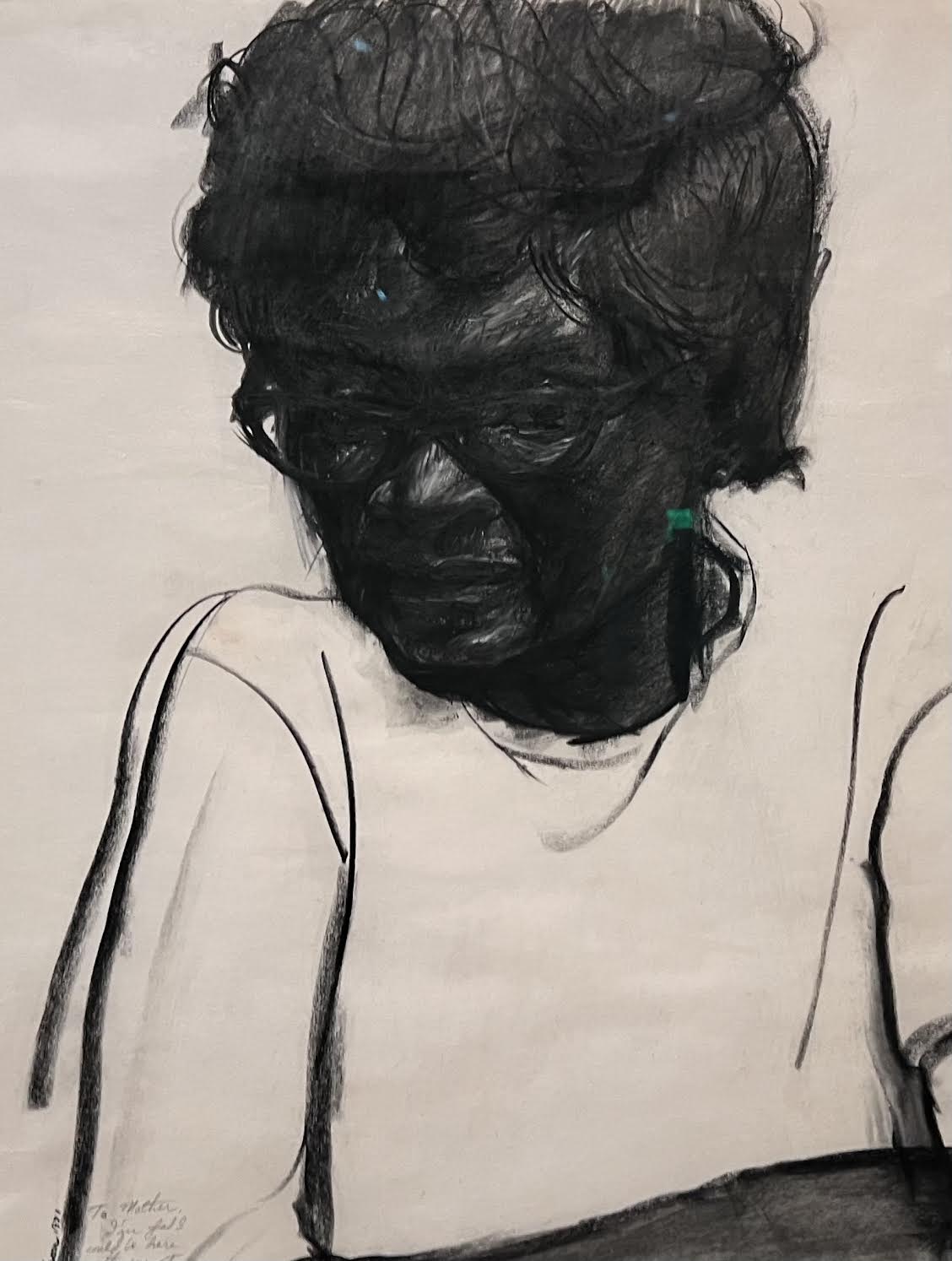
For visitors and local residents exploring the Boston area, taking advantage of the free admission policy at the Harvard Art Museums offers an enriching, barrier-free cultural experience. Whether examining rare masterwork drawings, exploring African and African American art galleries, or engaging with contemporary exhibitions, the museums stand as a testament to the evolving intersection of elite academic heritage and public-centered accessibility.





Comments
Facebook App ID not configured. Please add it in the Customizer.