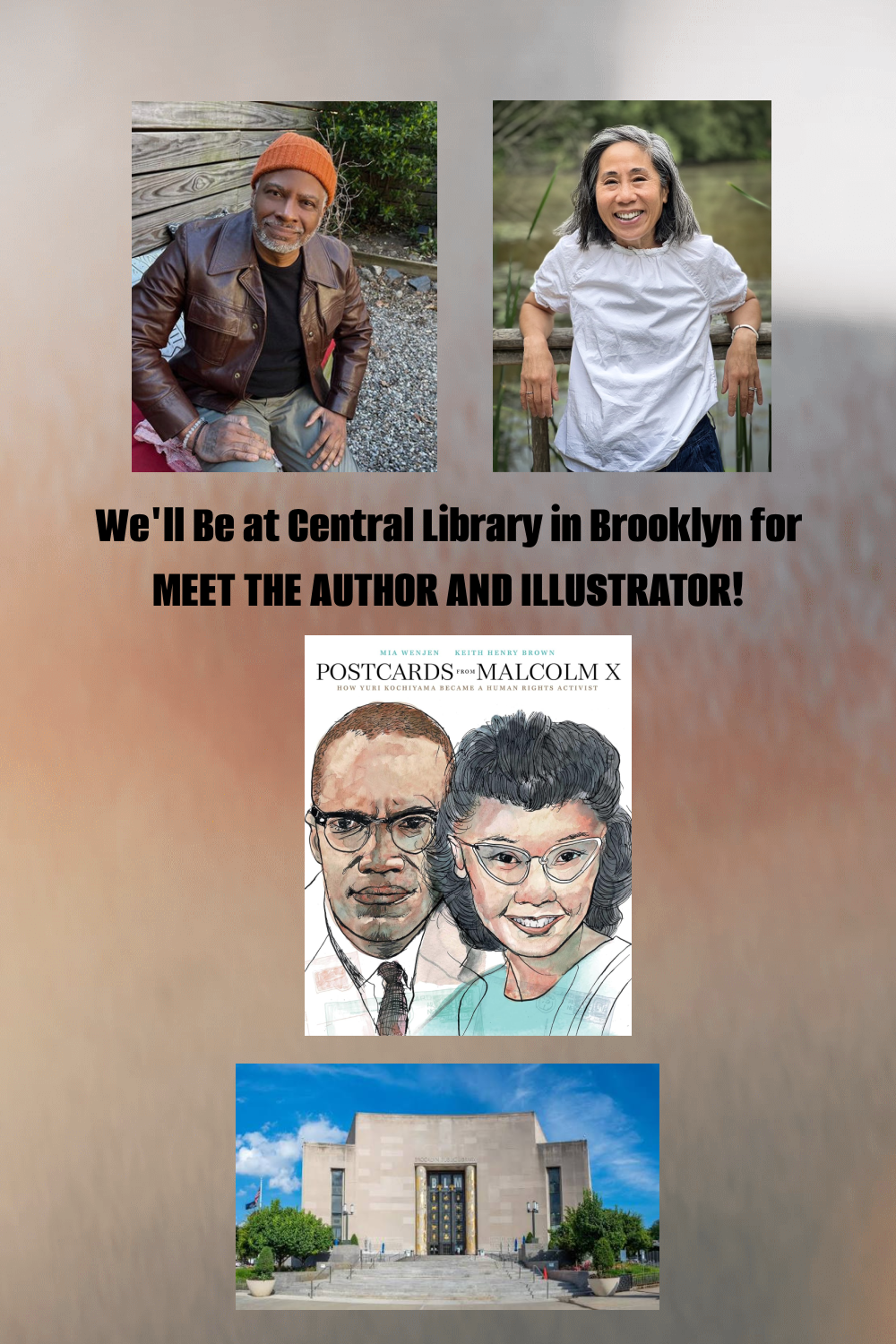
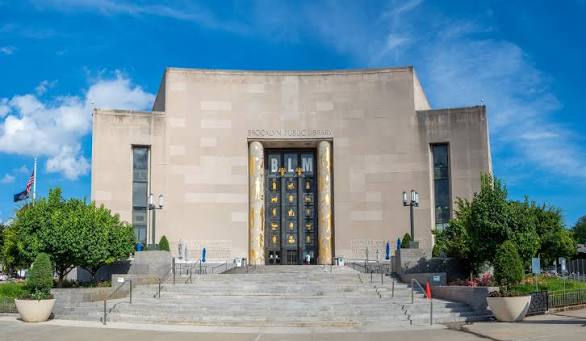
On a crisp November morning, the majestic Central Branch of the Brooklyn Public Library at Grand Army Plaza served as a vibrant epicenter for literature, history, and community engagement. The occasion was a special author and illustrator showcase celebrating the critically acclaimed children’s non-fiction picture book Postcards from Malcolm X: How Yuri Kochiyama Became a Civil Rights Activist.
Written by Mia Wenjen and illustrated by Keith Henry Brown, the book illuminates a profound and often overlooked chapter of American history: the deep, transformative friendship and political alliance between Japanese American activist Yuri Kochiyama and civil rights icon Malcolm X.
This event brought together literature enthusiasts, educators, young readers, and historians to explore how cross-cultural solidarity shaped the American Civil Rights Movement. Through intimate discussions, visual presentations, and audience interactions, Wenjen and Brown unpacked the meticulous research and artistic vision required to translate a complex, historical relationship into an accessible and inspiring narrative for younger generations. This report provides an in-depth examination of the event, the historical resonance of the book, critical reception, and Wenjen’s broader literary footprint in multicultural education.
Detailed Chronology: The Brooklyn Public Library Showcase
Morning Convening at Grand Army Plaza
The event officially commenced at 10:30 AM on Thursday, November 19, at the Central Branch of the Brooklyn Public Library, strategically situated at 10 Grand Army Plaza at the intersection of Flatbush Avenue and Eastern Parkway. Known for its iconic Beaux-Arts architecture and its role as a cultural cornerstone for the New York City borough, the library provided an ideal backdrop for discussing a story deeply rooted in New York’s history of social justice.
Attendees filled the designated presentation space well ahead of the start time, reflecting a high level of community anticipation. The morning program was designed to appeal to a broad demographic, bridging the gap between adult educators looking for culturally responsive pedagogical tools and young readers discovering the power of historical non-fiction.
The Presentation and Dialogue
Mia Wenjen and Keith Henry Brown took the stage to discuss the genesis of Postcards from Malcolm X. Wenjen detailed her personal journey in discovering Yuri Kochiyama’s legacy—specifically Kochiyama’s presence during pivotal moments of the civil rights era, including holding Malcolm X after he was assassinated at the Audubon Ballroom in Harlem in 1965.
The conversation pivoted to the thematic core of the book: how handwritten correspondence, shared struggles, and a mutual commitment to global human rights forged an unbreakable bond between two individuals from drastically different cultural backgrounds. Wenjen emphasized that the story aims to teach modern youth about intersectional activism long before the term became mainstream.
Following Wenjen’s remarks, illustrator Keith Henry Brown discussed his artistic process. Brown shared preliminary sketches, color palettes, and visual references that brought the historical figures to life. He explained how capturing the emotional gravity of the civil rights movement required a delicate balance of historical accuracy and expressive, inviting illustration styles suited for young readers. The presentation concluded with an interactive Q&A session, allowing attendees to engage directly with the creators about the responsibilities of documenting historical truth through children’s literature.
Supporting Context & Metrics: The Impact and Reception of Postcards from Malcolm X
Historical Significance and Intersectionality
Postcards from Malcolm X: How Yuri Kochiyama Became a Civil Rights Activist occupies a vital space in contemporary children’s literature. By exploring the alliance between Black and Asian American activists, the book provides a masterclass in intersectional solidarity. Yuri Kochiyama’s life—from her family’s unjust incarceration during World War II under Executive Order 9066 to her emergence as a radical civil rights, anti-war, and political prisoner rights activist in Harlem—mirrors the broader narrative of marginalized communities uniting against systemic oppression.
Critical Acclaim Across Literary Platforms
Since its publication, Postcards from Malcolm X has earned widespread praise from major literary journals, educational institutions, and review boards. Notable evaluations highlight its pedagogical value and narrative strength:
Publishers Weekly: Commended the book for its sensitive handling of complex historical themes, noting how Wenjen successfully distills a monumental historical friendship into a compelling narrative arc for middle-grade and upper-elementary readers.
Bulletin of the Center for Children’s Books: Praised Keith Henry Brown’s artwork and the book’s framing of history, highlighting its utility in classrooms studying the post-World War II civil rights landscape.
YA and Kids Books Central: Emphasized the book’s importance in expanding Asian American representation in historical non-fiction, ensuring that figures like Kochiyama are recognized as central pillars of American activist history.
Reviewers Connected to Kochiyama’s Legacy: Individuals who personally knew Yuri Kochiyama have lauded the text for its authenticity, praising Wenjen for accurately capturing Kochiyama’s fierce intellectual curiosity, compassion, and unwavering dedication to justice.
Mia Wenjen’s Expanding Literary Universe
Mia Wenjen’s commitment to diverse storytelling extends far beyond Postcards from Malcolm X. Her extensive bibliography addresses multicultural history, social justice, environmental sustainability, and youth development. Key titles in her catalog include:
1. Barbed Wire Between Us
Illustrated by Violeta Encarnación, this profound work further explores the themes of displacement, resilience, and cross-cultural understanding. Accompanied by a comprehensive free downloadable Teacher’s Guide and an official music video, the book serves as a vital classroom resource for teaching students about Japanese American incarceration and civil liberties.
2. Fortune Cookies for Everyone! (Smithsonian): The Surprising Story of the Tasty Treat We Love to Eat
Co-published with the Smithsonian and illustrated by Colleen Kong-Savage, this book blends culinary history with cultural education. It traces the surprising, multicultural roots of the ubiquitous fortune cookie, challenging common misconceptions and celebrating immigrant ingenuity.
3. The Traveling Taco: The Amazing and Surprising Journey of Many of Your Favorite Foods
Exploring the global history of comfort food, this text highlights how culinary traditions cross borders, evolve, and connect diverse cultures.
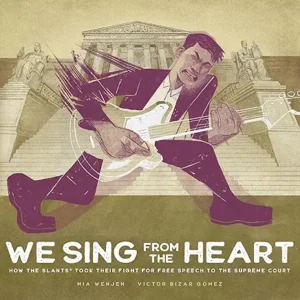
4. We Sing from the Heart: How the Slants® Took Their Fight for Free Speech to the Supreme Court
Focusing on the landmark legal battle of the Asian American dance-rock band The Slants, this book introduces young readers to First Amendment rights, trademark law, and the fight against institutional discrimination.
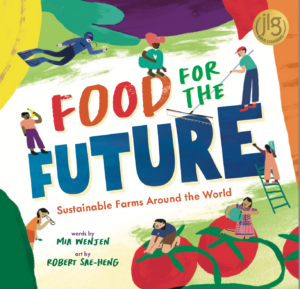
5. Food for the Future: Sustainable Farms Around the World
Illustrated by Robert Sae-Heng and recognized as a Junior Library Guild Selection, this book shifts focus to environmental activism, showcasing innovative, sustainable agricultural practices across the globe.
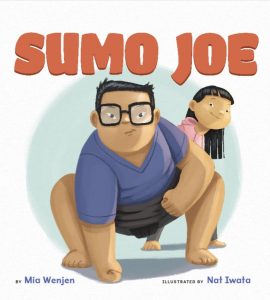
6. Sumo Joe
A Bank Street College Best Children’s Book of the Year, this fictional narrative blends martial arts, family dynamics, and gentle lessons on inclusivity and play.
7. Changing the Game: Asian Pacific American Female Athletes
Highlighting trailblazing women in sports, this collection provides essential biographical profiles of athletes who shattered racial and gender barriers.
Official Statements and Educational Insights
During the Brooklyn Public Library event, participants emphasized the urgent need for inclusive curricula in American schools. Educators in attendance noted that books like Postcards from Malcolm X are essential tools for fostering empathy, critical thinking, and historical awareness among students.
"When we teach children about the Civil Rights Movement, we often present a sanitized, linear narrative," noted an educator during the post-presentation panel. "Works by creators like Mia Wenjen and Keith Henry Brown remind us that the movement was a vast, interconnected web of diverse people fighting for shared liberation. Showing students that a Japanese American woman and a Black nationalist leader built a deep intellectual and political partnership changes how young people view community building today."
Furthermore, illustrator Keith Henry Brown reflected on the visual responsibility of depicting real historical figures: "Illustrating history is an act of listening. You have to listen to the archive, listen to the words of the author, and look closely at the expressions of the people who lived through these moments. Our goal was to make Malcolm X and Yuri Kochiyama feel approachable yet monumental—to show children that regular people can do extraordinary things for justice."
Future Outlook: The Role of Multicultural Literature in Modern Education
As educational landscapes face continuous debates over curriculum content, events like the Postcards from Malcolm X showcase underscore the resilience and necessity of inclusive storytelling. The collaboration between the Brooklyn Public Library, authors like Mia Wenjen, and illustrators like Keith Henry Brown demonstrates that public libraries remain vital sanctuaries for intellectual freedom, community dialogue, and historical literacy.
Looking ahead, Wenjen’s upcoming projects and active engagement through workshops, teacher guides, and school visits signal an ongoing commitment to shaping the next generation of informed citizens. By ensuring that children have access to multi-perspectival histories—ranging from the legal battles of free speech in We Sing from the Heart to the civil rights legacy of Yuri Kochiyama—literary advocates are building a more inclusive foundation for American civic education.
For readers, educators, and historians wishing to engage further with these works, signed copies, teacher guides, and digital resources remain accessible via official author platforms, independent bookstores like Bookshop.org, and major literary distributors. The conversation sparked at Grand Army Plaza will undoubtedly continue to resonate in classrooms and community centers nationwide.







Comments
Facebook App ID not configured. Please add it in the Customizer.