
Executive Overview
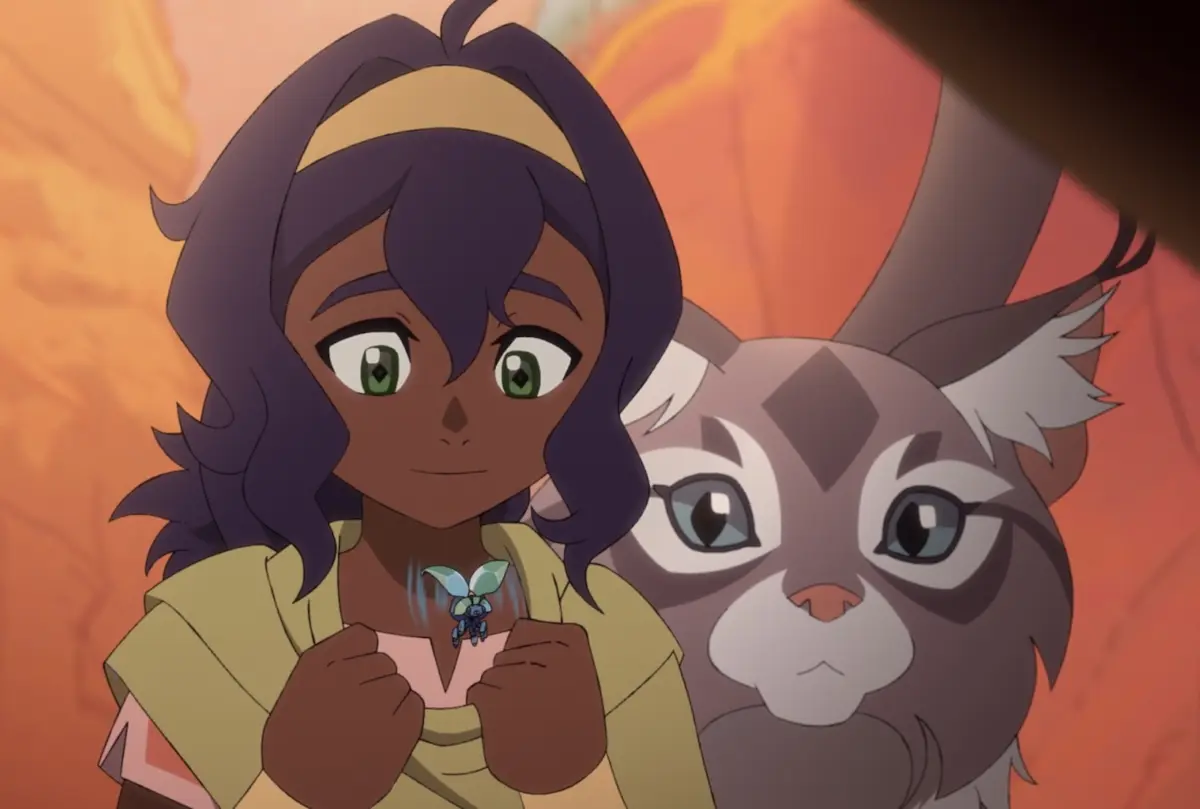
The sprawling, critically acclaimed multi-generational universe crafted by Michael Dante DiMartino and Bryan Konietzko is preparing to take its next monumental stride. Following the iconic runs of Avatar: The Last Airbender and The Legend of Korra, alongside the theatrical release of the animated feature Avatar Aang: The Last Airbender earlier this year, the creative architects of this beloved fantasy landscape are returning to episodic television with Avatar: Seven Havens.
Slated to premiere on Paramount+ on October 9, 2026, the new animated series has been greenlit for a robust 26-half-hour episode order, structurally split into two distinct parts. Rather than acting as a superficial narrative detour or a localized side story, Seven Havens is positioned as a foundational expansion of the franchise’s mythos. Set chronologically after the geopolitical and spiritual shifts of The Legend of Korra, the series promises to bridge generational divides, answer lingering questions about the evolution of the Avatar world, and re-center the franchise on classic, hand-drawn 2D animation principles inspired by the masterworks of Studio Ghibli.
This report provides an exhaustive journalistic examination of Avatar: Seven Havens, analyzing its narrative integration within the overarching franchise timeline, its thematic departure from the technological excess of the Korra era, its artistic lineage, and the commercial pressures facing Paramount+ as it prepares to launch one of its most anticipated flagship animated properties.
Read Also
Detailed Chronology: Charting the Evolution of the Avatar Universe
To fully understand the weight of Avatar: Seven Havens, one must trace the historical and narrative trajectory of the universe established by DiMartino and Konietzko across nearly two decades of media production.
[Aang's Era: 100 AG] ──> [Korra's Era: ~170 AG] ──> [The Tech Boom / Inter-Era Gap] ──> [Seven Havens: Present Day]1. The Classical Age: Avatar: The Last Airbender (2005–2008)
Set during a century-long global war initiated by the Fire Nation, the original series established the fundamental mechanics of bending, spiritual reincarnation, and cosmic balance. Aang’s journey was deeply rooted in ancient traditions, mysticism, and classical martial arts traditions, framed by a timeless fantasy aesthetic.
2. The Industrial Transition: Avatar: The Legend of Korra (2012–2014)
The Legend of Korra pushed the universe forward by approximately 70 years, transporting audiences to Republic City—a bustling, 1920s-inspired metropolis characterized by early automobiles, radio broadcasting, skyscraper architecture, and the advent of electrical manipulation. Korra’s era was defined by rapid modernization, sociopolitical upheaval, the emergence of equalist movements, and the permanent reopening of spirit portals, which fundamentally altered human-spirit relations.
3. The Inter-Era Gap and the Technological Plateau
While Korra ended on a note of progressive industrialization, Seven Havens bypasses immediate continuity to explore a later epoch. According to co-creator Michael Dante DiMartino, the universe experienced a sharp technological boom during Korra’s lifetime, but Seven Havens pulls back from relentless industrial acceleration. Instead, the upcoming series uses the foundations laid by Korra’s technological strides to explain the current geopolitical and physical layout of the world, pivoting away from sci-fi trappings back toward an organic, fantasy-driven landscape.
4. The Feature Film Interlude (2026)
Earlier this year, the franchise expanded into the theatrical space with Avatar Aang: The Last Airbender, reaffirming the enduring commercial viability of the original Gaang timeline while simultaneously preparing audiences for the broader multi-era storytelling model that DiMartino and Konietzko have championed.
Supporting Context & Metrics: Production Scale and Aesthetic Philosophy
The Production Blueprint
- Platform: Paramount+
- Release Date: October 9, 2026
- Episode Order: 26 half-hour episodes, structured into two distinct blocks/parts.
- Format: Traditional 2D hand-drawn animation.
The Miyazaki Influence: Rejecting Sci-Fi for Mythic Fantasy
One of the most revealing revelations regarding Seven Havens is its artistic and tonal alignment with the cinematic style of legendary Japanese animator Hayao Miyazaki. During the production of The Legend of Korra, the creative team leaned heavily into art deco, dieselpunk, and early industrial aesthetics. For Seven Havens, DiMartino and Konietzko have intentionally redirected their artistic compass toward the ethereal, deeply atmospheric fantasy worlds seen in films like Spirited Away and Princess Mononoke.
"We wanted Seven Havens to feel more fantasy-based and not too sci-fi or futuristic," DiMartino explained in a recent interview with Animation Magazine.
This aesthetic choice is not merely cosmetic; it dictates how bending, geography, and civilization interact. By moving away from the sprawling, machinery-heavy environments of Republic City’s late-industrial phase, the creators are returning the franchise to mystical isolation, forgotten ruins, and untamed natural ecosystems where the boundaries between the physical and spiritual realms blur once more.
Official Statements and Creative Vision
The conceptual core of Avatar: Seven Havens relies on mystery, identity, and generational legacy. In their discussions leading up to the series premiere, DiMartino and Konietzko have emphasized that the series is designed to satisfy long-time fans looking for deep lore integration rather than an isolated monster-of-the-week procedural.
Tying the Universe Together
When speaking with Animation Magazine, DiMartino underscored the deliberate ambition driving the project:
"When we started talking about different ideas, we definitely wanted to do a series that speaks to the whole universe in a way and that’s not just a side new adventure or something."
This statement directly addresses fan anxieties regarding spin-off dilution. By assuring viewers that Seven Havens speaks to the "whole universe," the creators signal that major historical threads established across The Last Airbender and The Legend of KorR will converge, perhaps shedding light on cosmic consequences that have remained unaddressed for decades.
The Central Mystery and the Burden of the Avatar
Central to the narrative architecture of Seven Havens is a tightly guarded mystery. While the plot details are strictly confidential, DiMartino noted that the series "will build off of Korra, the events of Korra, things that happen in between Korra and the time we come into Seven Havens."
Furthermore, the character dynamic of the new Avatar introduces a fresh psychological angle to the franchise. Unlike Aang, who was universally revered as the savior of the world (despite early skepticism), or Korra, who wrestled with her identity as a bender versus her spiritual duties, the protagonist of Seven Havens faces a unique sociological barrier:
"…these stories are more about an Avatar who has to take on this role while also having people misunderstand who she is."
This trope of the misunderstood or distrusted Avatar promises a more nuanced character arc, examining how a fractured world interprets the ultimate arbiter of balance when historical records have faded, twisted, or been intentionally obscured.
Future Outlook: The Stakes for Paramount+ and the Franchise
As the October 9, 2026 premiere date approaches, Avatar: Seven Havens carries immense strategic importance for Paramount Global and its streaming ecosystem. Animation has consistently proven to be one of the most reliable and passionate sub-communities within modern fandoms, and the Avatar IP remains a crown jewel of serialized storytelling.
Key Questions for the Franchise’s Future:
- The Nature of the "Havens": What are the titular seven havens? Are they geographical sanctuaries established during a global cataclysm, spiritual zones, or remnants of post-industrial city-states?
- The Fate of Previous Legacies: How will the series handle the lineage of past Avatars, and will spiritual manifestations of Aang or Korra play a consultative role in guiding the new protagonist through her trials?
- Streaming Viability: With a 26-episode commitment split into two parts, Paramount+ is investing heavily in long-form serialized retention, moving away from short eight-episode seasons that often plague modern streaming models.
Ultimately, Avatar: Seven Havens stands as a testament to the enduring resilience of DiMartino and Konietzko’s creation. By balancing a reverence for classical fantasy aesthetics with a mature, mystery-driven narrative framework, the series is well-positioned to expand the boundaries of bending lore and captivate both veteran benders and a new generation of fans alike.



Comments
Facebook App ID not configured. Please add it in the Customizer.