
Executive Overview
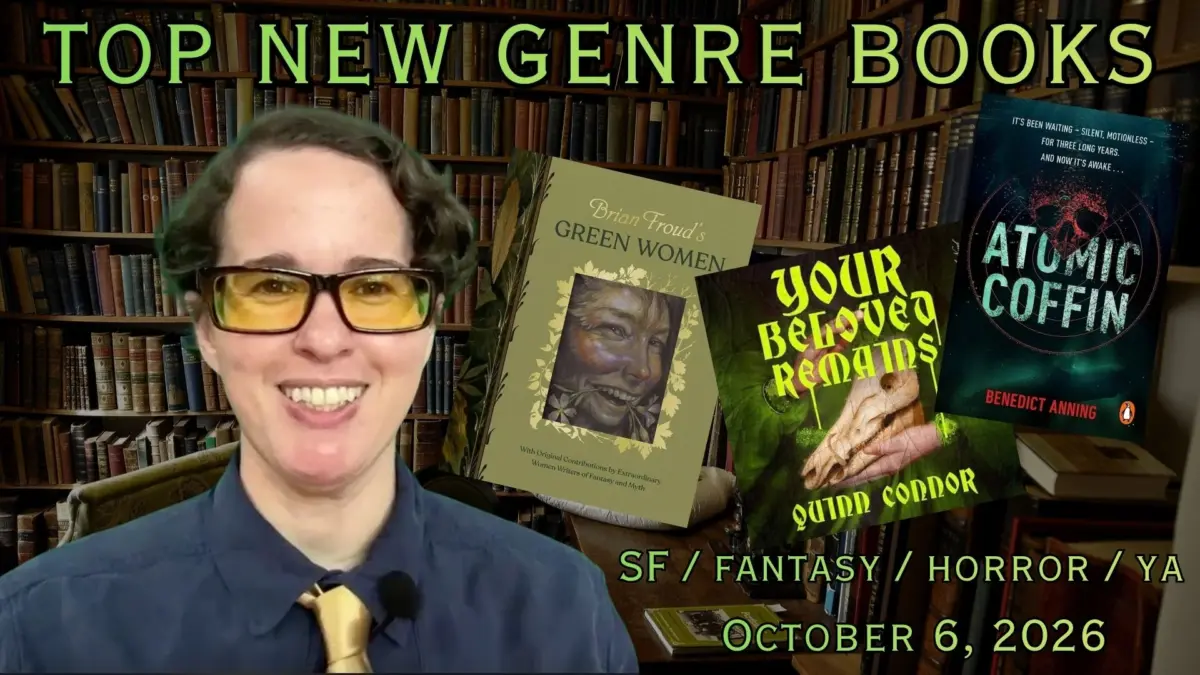
On October 6, 2026, Locus Magazine, the long-standing premier trade journal for the science fiction, fantasy, horror, and young adult (YA) publishing sectors, released its highly anticipated weekly new releases video roundup. Serving as a critical navigational beacon for both industry professionals and avid consumers, the curation highlights a dense slate of autumn arrivals. The early October publishing window represents a high-stakes arena where major houses and independent presses launch their lead titles to capture holiday sales, end-of-year award eligibility, and prime placement on reader "To-Be-Read" (TBR) lists.
However, behind the celebration of bold science fiction concepts, expansive fantasy worlds, eerie horror, and emotionally resonant YA lies a deeper, systemic challenge facing the literary community in 2026: the crisis of discoverability. In an era dominated by rapid-fire digital content and algorithmic curation, traditional publishers and independent authors alike find themselves competing in a hyper-saturated market. Legacy institutions such as Locus—which has documented the speculative fiction landscape since 1968—are increasingly relying on multi-modal video journalism and grassroots reader philanthropy to sustain their critical operations, highlighting the shifting economic foundations of literary media.
Detailed Chronology: The Fall 2026 Publishing Landscape
To understand the significance of the October 6, 2026 releases, it is essential to trace the trajectory of the publishing industry over the preceding quarters of the year. The speculative fiction market in 2026 has been defined by rapid genre-blending, the stabilization of post-pandemic supply chains, and a marked shift in consumer reading habits.
Read Also
[Q1-Q2 2026: Indie/Cozy Boom] ➔ [Q3 2026: Con Season & Buzz Generation] ➔ [Oct 6, 2026: The Fall Peak Releases]The Prelude: Winter and Spring 2026
The first half of 2026 saw a sustained surge in "cozy fantasy" and slice-of-life science fiction, a trend that began as a niche subgenre but quickly solidified into a major market force. Independent authors and small presses dominated this space, leveraging direct-to-consumer platforms and social media. Concurrently, traditional publishing houses spent the spring consolidating their schedules, pushing heavier, more complex epic fantasies and hard science fiction titles to the latter half of the year to avoid the summer distraction of major global events.
The Summer Build-Up: July–September 2026
During the summer months, major conventions—including San Diego Comic-Con and the World Science Fiction Convention (Worldcon)—served as critical launching pads. Publishers utilized these gatherings to distribute advance reading copies (ARCs) of their October slates. By September, the focus shifted to digital marketing, with publishers coordinating cover reveals, excerpt drops, and influencer campaigns to build pre-order momentum.
The October 6, 2026 Peak
The week of October 6, 2026, marks the crest of the autumn publishing wave. Locus Magazine’s curated video highlights several key thematic developments across four primary genres:
- Science Fiction: The releases of this week demonstrate a pivot away from bleak, post-apocalyptic dystopias toward "probabilistic futures." Writers are grappling with the real-world implications of quantum computing, advanced biotechnology, and ecological restoration, framing these complex ideas within deeply human narratives.
- Fantasy: The emphasis remains on "expansive worldbuilding." Rather than relying on familiar Western European medieval tropes, the fall 2026 catalog features rich mythologies drawn from diverse global traditions, utilizing non-linear storytelling structures and complex geopolitical magic systems.
- Horror: The genre is experiencing a significant renaissance, categorized by Locus as "eerie horror" and "supernatural intrigue." The trend points toward psychological and atmospheric dread, moving away from simple visceral shock to explore themes of generational trauma, isolation, and the uncanny.
- Young Adult (YA): Following several years of market correction, YA has stabilized around high-concept genre-blending. The October 6 releases showcase stories that merge speculative elements with contemporary social commentary, emphasizing strong character voices and emotional authenticity.
Supporting Context & Metrics: The Mechanics of Modern Discoverability
The transition of Locus Magazine and other literary outlets toward video-based previews (such as the October 6 YouTube broadcast) is not merely a stylistic choice; it is a calculated response to the evolving metrics of consumer engagement.
The Video Shift and the "BookTok" Effect
By 2026, visual and short-form video content has become the primary driver of book discoverability. According to industry analysis, over 65% of speculative fiction readers under the age of 35 report discovering their latest reads via video platforms, including TikTok, YouTube (BookTube), and Instagram Reels.
| Platform Category | Estimated Influence on Speculative Fiction Sales (2026) | Primary Target Demographic |
|---|---|---|
| Short-Form Video (TikTok/Reels) | 42% | Gen Z / Younger Millennials |
| Long-Form Video (YouTube/Previews) | 28% | Dedicated Genre Enthusiasts |
| Written Reviews & Trade Press | 18% | Industry Professionals / Librarians |
| Traditional Retail Display | 12% | Casual Readers |
For a legacy publication like Locus, adapting to these metrics means producing dynamic weekly video previews to supplement their comprehensive print and digital reviews. This multi-channel approach ensures that high-quality, professional curation reaches audiences who may not subscribe to traditional print magazines.
The Financial Realities of Independent Literary Journalism
A key element of the October 6 announcement is Locus’s prominent appeal for donations and reader support. The magazine, like many independent cultural institutions, operates on a lean budget that is highly vulnerable to fluctuations in advertising revenue and print distribution costs.
The "Locus fundraising campaign" highlighted in their post underscores a critical industry truth: advertising revenue from major publishing houses is no longer sufficient to sustain independent, deep-dive literary journalism. The rise of self-publishing and direct-to-consumer sales has decentralized marketing budgets. Consequently, publications that provide rigorous, objective reviews, historical archiving, and industry news must rely on a hybrid funding model consisting of:
- Direct Subscriptions: Both print and digital editions.
- Micropatronage and Donations: One-time or recurring contributions from dedicated readers.
- Targeted Sponsorships: Aligning with ethical brands and genre-specific events.
Without this financial support, the speculative fiction community risks losing its most vital archive and critical voice, leaving curation entirely in the hands of corporate algorithms and paid influencer networks.

Official Statements and Industry Perspectives
The challenges and triumphs of the 2026 speculative fiction market are best understood through the perspectives of those working within the ecosystem.
An editor at a major speculative fiction imprint, speaking on the condition of anonymity, commented on the sheer volume of autumn releases:
"The October rush is both an opportunity and a nightmare. We have brilliant, groundbreaking books launching this week, but they are competing for a finite amount of physical shelf space and digital attention. Outlets like Locus are essential because they filter out the noise. They tell the reader, ‘Among the hundreds of books publishing today, these are the ones that push the boundaries of the genre.’"
In a previous statement regarding the magazine’s ongoing fundraising efforts, the editorial board of Locus emphasized the symbiotic relationship between the publication and the community it serves:
"We publish hundreds of reviews and news stories each year, documenting the history of science fiction, fantasy, and horror as it happens. But we cannot do it in a vacuum. The support of our readers through donations is what allows us to maintain our editorial independence and continue championing the voices that shape our collective future."
Furthermore, independent bookstore owners emphasize the practical value of weekly roundups. A representative from a prominent independent bookstore in Seattle noted:
"Our inventory decisions for the speculative fiction section are heavily influenced by what Locus highlights. When they release their weekly video, we see an immediate corresponding bump in inquiries and pre-orders. It bridges the gap between the insular publishing world and the general public."
Future Outlook: Trends to Watch into 2027
As the industry moves past the October 2026 peak and looks toward 2027, several key trends are poised to redefine the creation, distribution, and consumption of speculative fiction.
[Late 2026: Holiday Sales Peak] ➔ [Early 2027: Award Season Nominees] ➔ [Mid-2027: AI & Tech Integration]The Integration of AI and Ethical Curation
The debate surrounding generative artificial intelligence in publishing is expected to enter a new phase. While some publishers may experiment with AI-driven translation and automated marketing copy, the value of human curation will likely skyrocket. Readers are already showing signs of "algorithmic fatigue," seeking out trusted human voices—like the editors of Locus—to guide their reading choices rather than relying on automated recommendations.
The Rise of Hyper-Niche Subgenres
The success of cozy fantasy and atmospheric horror in 2026 suggests that the market will continue to fragment into highly specific, community-driven subgenres. Publishers will need to remain agile, identifying these grassroots trends early and supporting them with targeted marketing campaigns.
The Sustainability of Independent Media
The survival of legacy journals will depend on their ability to innovate technologically while maintaining their core journalistic integrity. The successful integration of video content, podcasts, and interactive digital archives will determine whether institutions like Locus can navigate the financial headwinds of the late 2020s.
Ultimately, the October 6, 2026 new releases video serves as more than just a list of books; it is a testament to the enduring vitality of speculative fiction. Despite economic challenges, changing media landscapes, and intense competition for attention, the desire for stories that explore the limits of human imagination remains stronger than ever. Through dedicated curation and community support, the genre continues to thrive, offering readers a vital lens through which to view our rapidly changing world.





Comments
Facebook App ID not configured. Please add it in the Customizer.