
Executive Overview
The landscape of children’s and young adult (YA) literature has long faced an imbalance in representation, frequently struggling to mirror the diverse demographics of modern classrooms and libraries. To combat this systemic gap, the celebrated literary initiative Read Your World has officially announced its flagship campaign for Read Your World Day, taking place on January 28, 2027.
At the core of this year’s initiative is a dual-pronged community engagement model: mobilizing readers, educators, and parents to review multicultural titles in exchange for complimentary literature, while simultaneously inviting KidLit authors and publishers to contribute review copies. By directly addressing the logistical hurdles that prevent diverse books from reaching underfunded schools and community reading spaces, Read Your World is transforming passive appreciation of diversity into active, measurable literary advocacy. This report examines the mechanics of the 2027 initiative, the broader context of representation in youth publishing, the systemic impact of book review ecosystems, and the long-term outlook for multicultural children’s literature.

Detailed Chronology and Operational Framework of the 2027 Initiative
The path toward Read Your World Day on January 28, 2027, represents a coordinated, multi-month logistical operation designed to bridge the gap between creators of diverse children’s literature and the readers who need it most.
Read Also
Phase One: Creator and Publisher Mobilization (Late 2026)
Long before January 2027, the groundwork for Read Your World Day begins with inventory acquisition. Independent authors, mid-sized presses, and major publishing houses specializing in KidLit (Children’s Literature) are invited to register their titles. By leveraging dedicated digital submission portals—specifically established for author and publisher donations—stakeholders can pledge physical or digital review copies of newly released and backlist multicultural titles. This phase ensures that the pipeline of available literature reflects a vast spectrum of intersectional experiences, spanning global cultures, neurodiversity, LGBTQ+ narratives, and underrepresented socioeconomic backgrounds.
Phase Two: Reader Registration and High-Demand Management (Winter 2026–January 2027)
As the calendar turns toward January, the public-facing side of the campaign goes live. Readers, educators, librarians, and parents are invited to sign up via dedicated distribution forms to claim a free book in exchange for a verified review.
Because demand for multicultural literature traditionally outstrips available complimentary inventory, organizers have established transparent guidelines regarding fulfillment. While book availability cannot be guaranteed for every applicant due to overwhelming interest, the administrative team commits to allocating resources equitably. Priority is frequently evaluated based on the applicant’s capacity to amplify the review within classrooms, school libraries, and digital literary communities.

Phase Three: Read Your World Day Execution (January 28, 2027)
January 28 marks the official day of global celebration. Communities, schools, and online literary circles utilize the date to spotlight reviewed titles, host reading events, and initiate critical discussions regarding the necessity of inclusive storytelling.
Phase Four: The Review Ecosystem and Post-Event Amplification (February 2027 and Beyond)
The lifecycle of the Read Your World Day campaign does not end when January 28 passes. Participants enter a critical fulfillment window where they draft, publish, and share their reviews across major retail platforms, library databases, and personal educational blogs. These reviews serve as digital oxygen for diverse titles, driving search engine visibility, informing library purchasing decisions, and validating authors from marginalized backgrounds.

Supporting Context and Metrics: The State of Diversity in KidLit
To fully understand the urgency behind Read Your World Day 2027, one must examine the empirical data driving the movement for inclusive children’s literature. Academic institutions and literary watchdogs—such as the Cooperative Children’s Book Center (CCBC) at the University of Wisconsin-Madison—have tracked the demographics of characters in children’s books for decades.
The Quantitative Reality of Representation
Historically, children’s literature heavily skewed toward dominant cultural narratives, with animal characters and white protagonists occupying the vast majority of published pages. Although incremental progress has been made over the last ten years, data indicates that fluctuating publication trends make sustained representation fragile.

When children open a book and fail to see reflections of their own lives, families, and communities, they experience what literary scholars refer to as a lack of "mirrors." Conversely, books focusing on cultures outside a reader’s personal experience serve as essential "windows" into the lives of others. Read Your World Day actively works to correct this imbalance by ensuring that books acting as both mirrors and windows are placed directly into the hands of educators who can distribute them to formative minds.
The Economic Barriers of Independent and Multicultural Publishing
Beyond mere representation, the economics of the publishing industry present structural hurdles for diverse authors. Major publishing conglomerates frequently allocate disproportionate marketing budgets to established, mainstream franchises. Consequently, independent authors and boutique presses writing authentic multicultural stories often struggle with discoverability.

Programs like the Read Your World free-book-for-review exchange function as an essential equalizer. By encouraging grassroots reviews, the initiative builds organic word-of-mouth momentum that bypasses traditional, high-cost advertising barriers. For classrooms and libraries operating on constrained budgets, receiving these books at zero cost provides an invaluable influx of fresh, culturally nuanced reading material.
Official Statements and Industry Perspectives
Prominent voices within the children’s literature community have long championed the philosophy that books are tools for empathy and societal cohesion. Organizers and affiliated creators emphasize that the mission of Read Your World extends far beyond simple literacy promotion.

"Diversity in children’s literature is not a temporary trend; it is a foundational requirement for raising an empathetic, globally minded generation. When we give a child a book that honors their identity—or opens their eyes to a world outside their own—we are planting the seeds of lifelong understanding."
— Literary Advocate Statement, Read Your World Initiative
Publishing partners and participating authors echo this sentiment, noting that the review economy is the lifeblood of modern book discovery. In an era dominated by algorithmic recommendations, authentic human reviews written by teachers, librarians, and passionate parents carry immense weight. These reviews signal to search engines and institutional buyers that a diverse title possesses universal appeal and educational value.

The Broader Literary Ecosystem: Spotlight on Contemporary Works
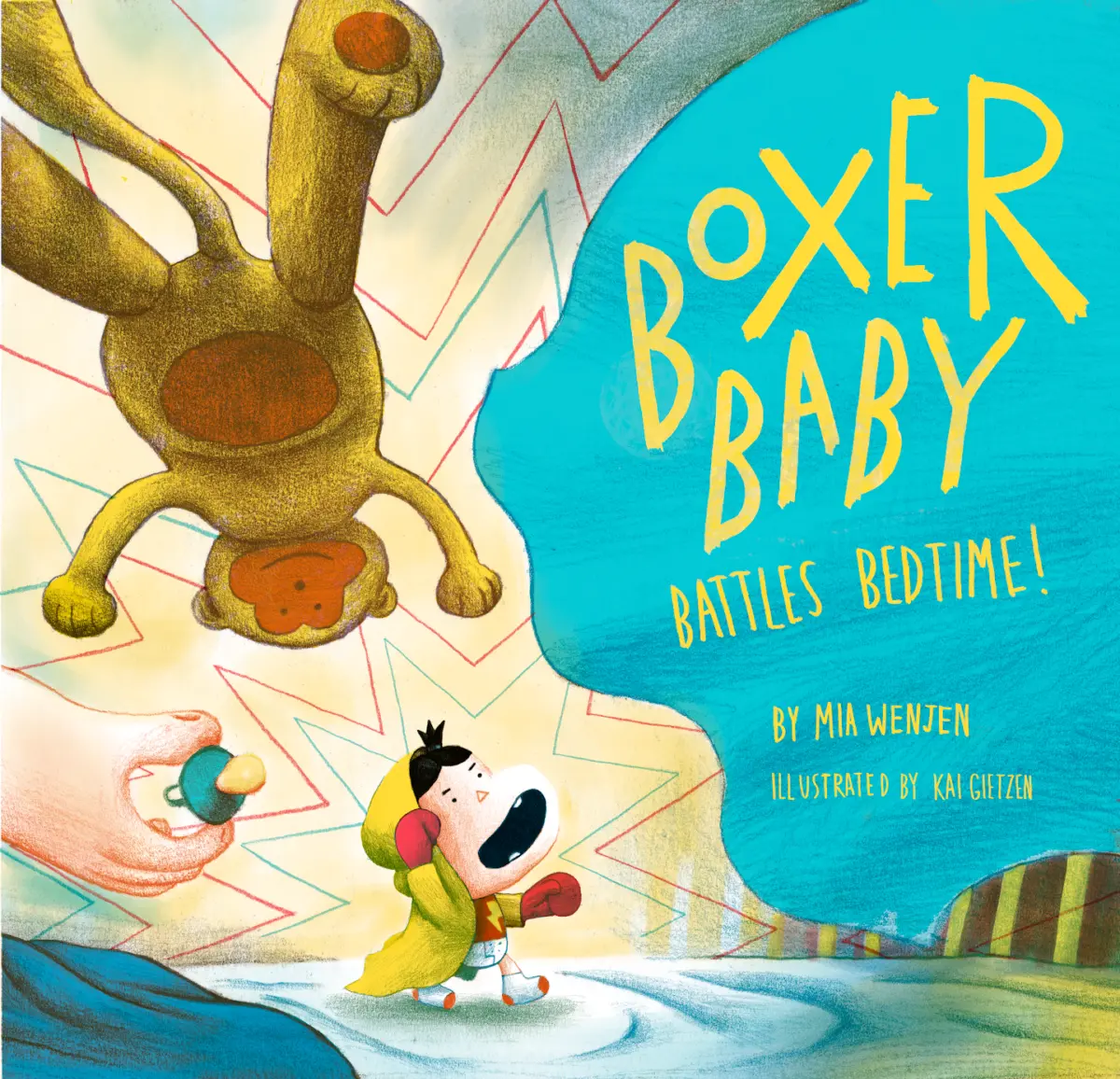
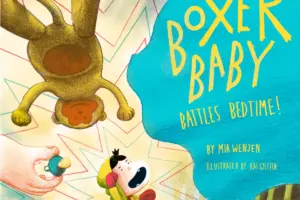
A vital component of the Read Your World initiative involves highlighting works that model excellence in diverse storytelling, historical education, and cultural appreciation. Prominent contributors to the KidLit space—such as author Mia Wenjen—exemplify the type of deep, intersectional storytelling championed during Read Your World Day.
Intersectional Narratives and Historical Truths
Works that explore lesser-known historical milestones are crucial for a well-rounded youth education. For instance, literature addressing civil rights history through personal correspondence and localized struggles provides young readers with intimate entry points into massive historical movements. Books focusing on figures like Yuri Kochiyama—whose activism bridged multiple marginalized communities—offer young adults complex blueprints for modern civic engagement.

Similarly, explorations of systemic justice, such as legal battles for free speech fought by Asian American artists and creators, teach young adults about constitutional rights through culturally relevant lenses. These narratives prove that diverse literature is not confined to folklore or biography, but actively engages with contemporary legal, social, and political landscapes.
Cultural Histories and Everyday Joys
Diversity in literature also thrives in stories celebrating everyday cultural heritages, culinary histories, and generational traditions. Explorations into the origins of global foods enjoyed by children—such as the surprising, cross-cultural journeys of tacos or fortune cookies—demonstrate how multicultural exchange shapes daily life.
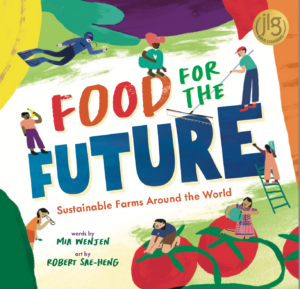
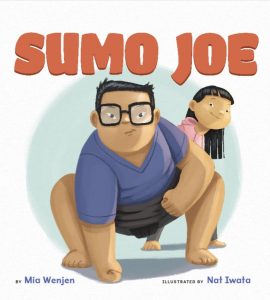
Furthermore, inclusive publishing extends into early childhood development through board books and picture books that normalize diverse family structures, mindfulness practices, sustainable agriculture, and athletic achievements across all backgrounds. By supporting these titles through initiatives like Read Your World Day, the literary community ensures that children encounter inclusivity at every developmental stage.
Future Outlook: Sustaining the Momentum Beyond 2027
As the publishing industry looks toward 2027 and beyond, the success of Read Your World Day serves as a barometer for the health of inclusive literature. While digital distribution and grassroots review campaigns have democratized book promotion, long-term systemic change requires continuous vigilance.
Key Focus Areas for the Future:
- Institutional Integration: Encouraging school districts and public library systems to permanently integrate multicultural review programs into their annual curriculum planning.
- Support for Indie Creators: Expanding avenues for independent authors and micro-publishers to donate review copies without facing prohibitive shipping and administrative overhead.
- Digital Amplification: Harnessing emerging digital reading platforms, audiobooks, and interactive media to ensure that diverse stories are accessible to neurodivergent learners and readers with physical disabilities.
- Data-Driven Accountability: Continuing to track representation metrics across mainstream and independent publishing houses to hold the industry accountable for sustained, authentic diversity.
By bridging the gap between creators, reviewers, and educational institutions, Read Your World Day on January 28, 2027, establishes a powerful blueprint for the future of publishing. Through the simple act of reading, reviewing, and sharing diverse stories, participants are actively helping to build a more inclusive, empathetic literary world for the next generation of readers.

Comments
Facebook App ID not configured. Please add it in the Customizer.