
Executive Overview
The autumn cultural calendar is officially in full swing, bringing with it a convergence of high-profile conventions, long-awaited publishing milestones, and prestige television premieres. From the bustling halls of the Jacob K. Javits Convention Center during New York Comic Con to quiet literary milestones on bookshelves nationwide, the pop culture ecosystem is experiencing a dynamic shift.
This week’s cultural docket is anchored by several notable events: the unprecedented U.S. publication of Tove Jansson’s iconic Hobbit illustrations, a renewed critical appreciation for historical maritime television like Black Sails alongside MGM+’s latest iteration of Treasure Island, and Franny Choi’s incisive new essay collection, We Radiant Things. Meanwhile, the streaming landscape offers intriguing speculative fiction, notably Netflix’s Newfoundland-set creature feature Below.
This report provides an exhaustive overview of these developments, analyzing their cultural weight, industrial context, and implications for fans and creators alike.
Read Also
Detailed Chronology of Events
October: Convention Season and the Return of "Con Crud"
As New York City plays host to the annual pilgrimage of fandom, attendees navigate the complex logistical reality of modern conventions. Industry observers note that while convention floors offer unparalleled access to exclusive merchandise, panels, and community engagement, they also present well-documented public health challenges—colloquially known as "con crud."
Veterans of the convention circuit emphasize strict hygiene protocols, specifically regarding the separation of tactile exploration (browsing vintage comic books, handling exclusive swag) from food consumption. Epidemiological and convention safety discussions consistently underscore that mitigating convention-acquired illnesses requires mindfulness regarding high-contact surfaces, setting the tone for a safe and sustainable event season.
Mid-October: Publishing Milestones and Screen Premieres
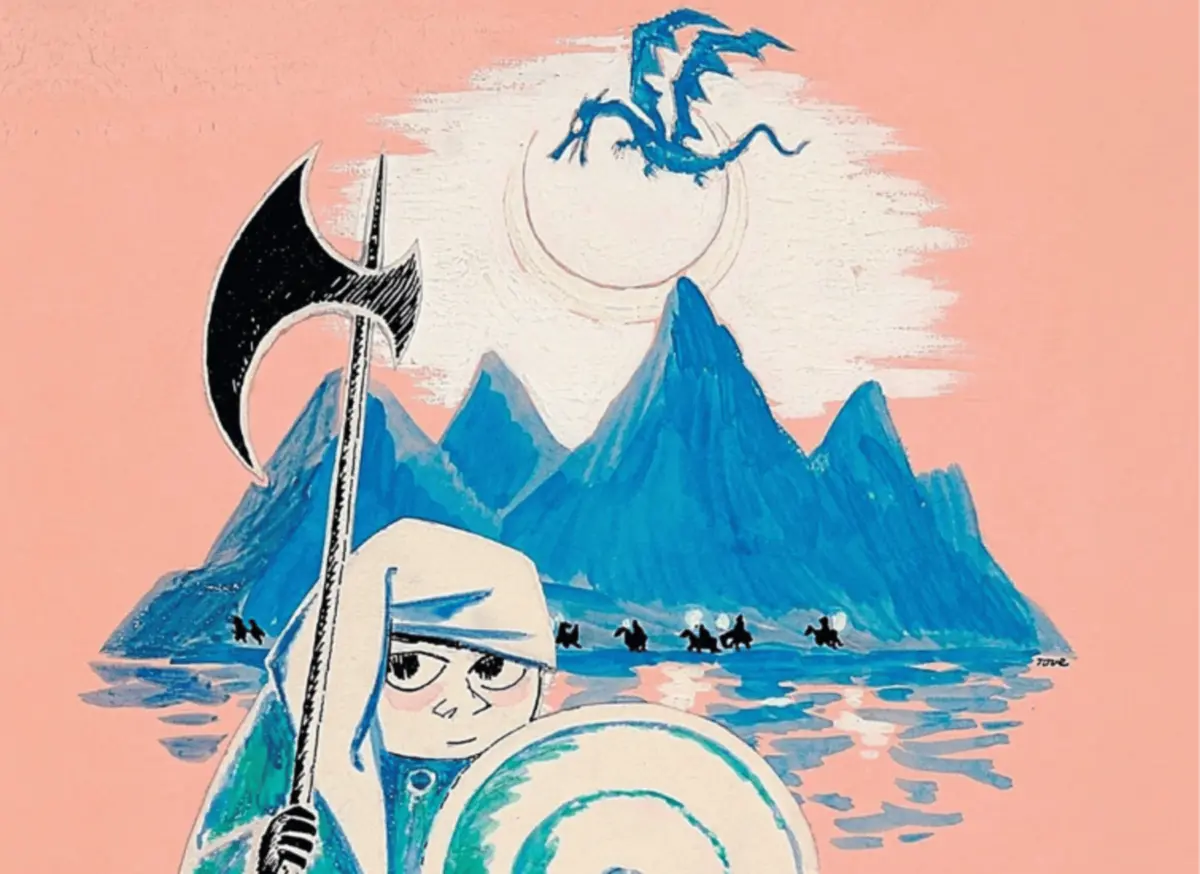
- Tove Jansson’s The Hobbit US Debut: After decades of exclusive availability in Nordic markets, William Morrow has officially released The Hobbit: Illustrated by Tove Jansson to U.S. audiences. This release bridges a historical gap in Tolkien scholarship and international illustration history, bringing Jansson’s idiosyncratic artistic vision to American readers.
- MGM+’s Treasure Island Premiere: Scheduled to debut on October 11, MGM+’s contemporary adaptation of Robert Louis Stevenson’s classic adventure novel brings heavyweight theatrical talent—including David Oyelowo and Hayley Atwell—to the small screen. The release arrives amidst a broader critical reassessment of pirate-themed television, drawing inevitable comparisons to Starz’s critically acclaimed Black Sails.
- Literary and Cinematic Explorations: Franny Choi’s essay collection We Radiant Things: Notes on Being Alien and Becoming Cyborg hit shelves, offering a piercingly tender critique of science fiction touchstones like Ex Machina. Simultaneously, streaming platforms have expanded their speculative catalogs, highlighted by the Netflix release of the marine-horror series Below, starring Josh Hartnett and Mackenzie Davis.
Supporting Context & Metrics
The Transatlantic Journey of Tove Jansson’s Tolkien Illustrations
The publication of The Hobbit: Illustrated by Tove Jansson in the United States represents a monumental event in illustration history. For decades, Finnish and Swedish readers enjoyed Jansson’s distinctive, whimsical, and occasionally stark depictions of Middle-earth, while American fans relied primarily on Jansson’s own Moomin series or J.R.R. Tolkien’s original sketches.
The origin of this artistic pairing dates back to correspondence between Jansson and legendary Pippi Longstocking author Astrid Lindgren. Operating in her capacity as a publisher, Lindgren recognized the enduring cultural gravity of Tolkien’s manuscript, writing to Jansson that The Hobbit "will be the children’s book of the century, and will live long after we are dead and buried."
Jansson’s illustrations diverge significantly from the traditional, romanticized depictions of dwarves and dragons popularized by subsequent artists. Her portrayal of Smaug and the company of Thorin Oakenshield leans into her signature minimalist yet psychologically rich aesthetic, providing a unique counterpoint to Peter Jackson’s cinematic adaptations and traditional fantasy art.
+-------------------------------------------------------------------------+
|                  The Evolution of "The Hobbit" Art                      |
+---------------------------+---------------------------------------------+
| 1937                      | J.R.R. Tolkien publishes original UK edition|
|                           | featuring his own watercolor and line art.  |
+---------------------------+---------------------------------------------+
| 1962                      | Tove Jansson illustrates the Swedish/Finnish|
|                           | language edition of "Bilbo Begravning."     |
+---------------------------+---------------------------------------------+
| Present Day (William      | "The Hobbit: Illustrated by Tove Jansson"   |
| Morrow)                   | finally achieves wide U.S. distribution.    |
+---------------------------+---------------------------------------------+
The Marine Horror Renaissance: Analyzing Below
Netflix’s latest offering, Below, has generated significant buzz across critical platforms. Set against the atmospheric, isolated backdrop of Newfoundland, the series blends psychological tension with creature-feature tropes. Featuring performances by Josh Hartnett and Mackenzie Davis, the show has drawn favorable comparisons from publications like Variety and RogerEbert.com, which praise its atmospheric dread and tightly wound narrative structure.
The project highlights a broader industry trend toward regional, high-concept genre television that utilizes distinctive geographical settings to enhance narrative claustrophobia. While casting choices—such as Charlie Heaton portraying Hartnett’s son—have sparked playful discourse among critics, the series stands out as a strong entry in contemporary streaming horror.
Official Statements and Industry Commentary
Literary Criticism from "Stabbing Range"
In the realm of cultural criticism, Franny Choi’s We Radiant Things: Notes on Being Alien and Becoming Cyborg has redefined expectations for essayistic engagement with media. Addressing foundational science fiction texts such as Alex Garland’s Ex Machina and Mamoru Oshii’s Ghost in the Shell, Choi approaches criticism not as detached analysis, but as an intimate, politically charged dialogue.
In the collection’s opening essay, Choi articulates their critical philosophy:
"This is the only way I want to do what someone might call criticism: tenderly, from stabbing range."
Reviewers have lauded this approach for its emotional resonance, noting that Choi seamlessly weaves personal narrative, commentary on race, technology, and systemic alienation into a cohesive intellectual framework.
The Undersung Legacy of Black Sails and Modern Swashbucklers
The impending release of MGM+’s Treasure Island has reignited fan discussions regarding the golden age of pirate television—specifically, the enduring shadow cast by Starz’s Black Sails. Despite being widely recognized by critics as a masterclass in serialized historical drama, complex character writing, and political intrigue, Black Sails occupies a unique space as an under-appreciated prestige television achievement.
Industry analysts frequently point to the series as a benchmark for how source material can be successfully recontextualized. As networks prepare new adaptations of Robert Louis Stevenson’s work—including an upcoming feature film directed by Ridley Scott slated for 2027—audiences and critics continue to advocate for the wider recognition of the talent forged in earlier maritime epics, highlighting stellar performances by actors such as Hannah New and Jessica Parker Kennedy.
Future Outlook
As the cultural calendar shifts toward the winter months, the intersections of classic literature, modern streaming platforms, and convention culture point toward several emerging trends:
- Expanded Archival Publishing: The success of the U.S. release of Jansson’s Hobbit paves the way for North American publishers to seek out and internationalize rare illustrated editions of classic speculative fiction, satisfying a growing collector’s market.
- Genre Hybridization in Streaming: High-concept regional thrillers like Below demonstrate that streaming audiences have an appetite for atmospheric, location-specific horror that prioritizes character-driven dread over predictable jump scares.
- The Longevity of Prestige Adaptations: As networks continue to mine foundational adventure texts like Treasure Island, creators will face increasing pressure to balance reverence for source material with the sophisticated, morally complex character work popularized by preceding television milestones.
Ultimately, whether navigating the crowded halls of a convention center or engaging with deeply personal literary criticism from home, audiences continue to seek out art that challenges, comforts, and vividly reimagines familiar worlds.

Comments
Facebook App ID not configured. Please add it in the Customizer.