
Executive Overview
As the Pakistani film industry—colloquially known as Lollywood—continues its arduous yet inspiring renaissance, filmmakers are increasingly forced to grapple with questions of regional identity, linguistic scope, and nationwide appeal. At the vanguard of this artistic reckoning is the eagerly anticipated feature film Mango Jutt, a high-octane blend of action, comedy, romance, and deep-rooted Punjabi cultural aesthetics. Slated for a nationwide and international theatrical release on October 16, the project has already generated significant pre-release buzz, not least due to its star-studded cast and its outspoken producer, actor Hareem Farooq.
In an exclusive, wide-ranging interview with The Express Tribune during a festive, high-energy music launch in Karachi, Farooq articulated a compelling vision for contemporary Pakistani cinema. Far beyond the confines of regional pigeonholing, she emphasized that Mango Jutt—despite its distinct Punjabi nomenclature and cultural framing—is a cinematic offering meant for the entirety of Pakistan, transcending provincial boundaries and linguistic divides. Directed by Abu Aleeha and starring powerhouse performers Faysal Quraishi and Farooq herself alongside a versatile supporting ensemble, the film represents both a triumph of collaborative filmmaking and a profound personal milestone for its creators.
This comprehensive report examines the multifaceted journey of Mango Jutt, analyzing its production hurdles, cultural significance, thematic depth—including nuanced explorations of modern romance and consent—and its potential to reshape how regional cinema is consumed in a culturally diverse nation.
Read Also
Detailed Chronology: From Concept to Carnival Launch
The trajectory of Mango Jutt from a speculative script to a major theatrical contender has been anything but straightforward. Like many independent and semi-independent ventures within Pakistan’s fluctuating cinematic landscape, the production weathered a gauntlet of logistical, financial, and environmental obstacles.
The Genesis and Production Phase
The project was conceptualized with a clear objective: to merge the earthy, vibrant storytelling traditions of Punjabi folklore and comedy with sleek, modern cinematic production values. Under the direction of Abu Aleeha, the cast and crew assembled to shoot under punishing conditions. According to lead actor and producer Hareem Farooq, the production schedule tested the physical and emotional resilience of everyone involved.
"We shot some very difficult scenes, worked in the heat and cold, and everyone worked extremely hard," Farooq recalled during the Karachi music launch. The physical demands of outdoor action sequences, combined with the erratic weather patterns of on-location shoots, meant that the cast and crew had to operate with a high degree of synergy.
More daunting than the weather, however, was the existential uncertainty that plagues many Pakistani film projects. Farooq candidly admitted that there were critical junctures during production when the continuation of the film felt precarious. "There were so many challenges that, at one point, I thought I did not know whether the film would even happen. I left everything to Allah," she shared. For Farooq, the mere realization of the project—transitioning from disorganized rushes and financial tightropes to a completed master print ready for commercial exhibition—constitutes a monumental victory independent of box-office returns.
The Karachi Music Launch: Bridging Cultural Capitals
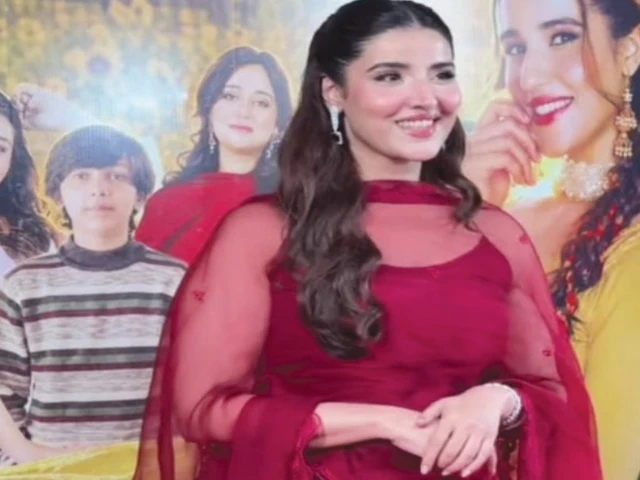
The promotional campaign culminated in a vibrant, star-studded music launch hosted in Karachi. For Farooq, bringing the promotional tour to Pakistan’s commercial hub was not merely a strategic publicity move; it was an emotional homecoming and a gesture of profound gratitude.
"I had to come to Karachi. Without Karachi, my work as a producer would not have been complete," she stated. Acknowledging the affection and career-defining opportunities she has received from the metropolis, Farooq positioned the Karachi launch as an essential bridge between Pakistan’s diverse urban centers—specifically linking the cultural and linguistic heartbeat of Punjab with the cosmopolitan energy of Sindh.
The event itself served as a microcosm of the film’s tonal range: festive, music-driven, inclusive, and charged with palpable anticipation from both the cast and media attendees.
Supporting Context & Metrics: The Cast, Crew, and Cultural Landscape
To fully appreciate the significance of Mango Jutt, one must analyze the heavy-hitting creative machinery driving the project forward. The film boasts a meticulously curated cast blending mainstream television royalty with seasoned character actors.
The Creative Ensemble
- Hareem Farooq: Co-starring and acting as producer, Farooq has steadily built a reputation as one of Pakistan’s most bankable and risk-tolerant cinematic entrepreneurs. Her production choices consistently challenge conventional industry wisdom.
- Faysal Quraishi: A titan of Pakistani television drama and cinema, Quraishi brings immense gravitas and commercial viability to the lead role. His crossover appeal ensures high footfall across diverse demographic segments.
- Abu Aleeha: Known for his prolific output and willingness to experiment across genres—ranging from gritty crime thrillers to commercial comedies—director Abu Aleeha brings a dynamic visual and narrative pace to Mango Jutt.
- The Supporting Cast: The film is fortified by a powerhouse supporting line-up featuring Shamoon Abbasi, Qaiser Piya, Honey Albela, Hassan Murad, and Ayesha Jahanzeb. This ensemble bridges slapstick comedy, character-driven drama, and high-stakes action.
Linguistic Politics in Pakistani Cinema
For decades, Pakistan’s domestic film industry has wrestled with a complex linguistic hierarchy. While Urdu serves as the national lingua franca and the primary vehicle for mainstream commercial cinema, regional languages—predominantly Punjabi, Pashto, and Sindhi—have historically powered distinct, localized cinematic ecosystems (such as the vibrant Punjabi-language Gandasa culture of the late 20th century).
However, in the post-revival era of Pakistani cinema (post-2011), filmmakers have often shied away from regional languages out of fear of alienating non-native audiences in urban centers like Karachi, Islamabad, or non-Punjabi-speaking regions. Mango Jutt directly confronts and dismantles this anxiety. By wrapping a Punjabi narrative in universal themes of romance, familial duty, comedy, and action, and by utilizing subtitling and charismatic pan-Pakistani leads like Quraishi and Farooq, the film reclaims regional identity as an asset for national entertainment rather than a barrier to entry.
Official Statements and Artistic Perspectives
The narrative surrounding Mango Jutt is best understood through the direct testimonies of its primary creative architects, who have been remarkably transparent regarding their artistic choices and thematic ambitions.
Hareem Farooq on Inclusivity and Artistic Success
Farooq’s central thesis remains the democratization of cinematic consumption in Pakistan. In her interview with The Express Tribune, she issued a direct appeal to cinemagoers:
"My message is that people should watch this film with an open heart. It is for all of Pakistan. Just because it is a Punjabi film does not mean it is only for Punjab. It is a film for the entire country."
This sentiment reflects a broader maturational process within Pakistan’s entertainment sector, where regional flavor is increasingly viewed as universally digestible if executed with high production standards and relatable emotional cores.
Farooq also reflected on the collective spirit of the production crew, emphasizing that the film’s completion was a testament to cooperative labor:
"I will be honest. Every actor who worked with me on the set gave their heart to the project. When we all came together, everyone would ask what needed to be done. We shot some very difficult scenes, worked in the heat and cold, and everyone worked extremely hard. We worked together as a team."
Addressing the escalating expectations as the October 16 release date draws near, Farooq maintained a philosophical yet optimistic outlook:
"The feedback is growing and expectations have become very high. Allah will make things work out, Insha’Allah. As I have said, for me, it is already a success."
Faysal Quraishi on Family Entertainment, Romance, and Consent
Lead actor Faysal Quraishi brought a distinct analytical perspective to the table, particularly regarding how modern cinematic narratives handle interpersonal relationships. Addressing family audiences, Quraishi stressed that Mango Jutt is designed to be enjoyed across generations without the awkwardness that can sometimes accompany contemporary cinematic romance.
"We have been waiting for this like anything. My wife has asked me so many times when the film is coming out… It is a very entertaining film. Romance does not necessarily mean that you cannot sit and watch it with your family. It is a little nostalgic, caring kind of romance."
Crucially, Quraishi highlighted an unexpectedly progressive narrative undercurrent woven into the film’s comedic and romantic fabric: consent. In an era where South Asian media is increasingly scrutinized for its depictions of pursuit, boundary-crossing, and relationship dynamics, Quraishi noted that Mango Jutt introduces this theme organically:
"That is an underlying element of the film… There is laughter, humour, action and everything else. We have tried our best to make it an amazing movie. Now we will see how people receive it."
When discussing the musical score, Quraishi singled out a specific romantic track featuring himself and Farooq, praising both its visual execution and audio design. This sentiment was echoed by Farooq, who spotlighted an iconic, witty piece of dialogue from the script that has already captured the public’s imagination prior to release:
"Tu Murad Jutt nahi, Mango Jutt, tu mitha vi ain te sohnra vi ain." (You are not Murad Jutt, you are Mango Jutt; you are both sweet and handsome.)
This self-aware, playful subversion of classic, hyper-masculine cinematic tropes (such as the legendary Maula Jutt archetype) signals that the film does not take itself too seriously, offering audiences a satirical yet affectionate nod to classic Punjabi cinematic history.
Future Outlook: Commercial Viability and Cultural Impact
As Mango Jutt prepares for its simultaneous domestic and international theatrical rollout on October 16, its performance at the box office will likely serve as an important bellwether for the Pakistani film industry.
Key Factors for Box Office Success
- Genre Diversification: By positioning itself as a multi-genre family entertainer (balancing action, slapstick comedy, and heartfelt romance), the film broadens its demographic reach beyond single-quadrant audiences.
- Star Power: The pairing of Faysal Quraishi and Hareem Farooq guarantees significant initial box-office draw, leveraging their established television and film equity.
- The Post-Release Word-of-Mouth: Given the crowded theatrical calendar typical of the post-pandemic recovery era, the film’s ability to sustain momentum will heavily rely on organic social media chatter and audience reception of its comedic timing and cultural messaging.
Implications for Regional Cinema
If Mango Jutt succeeds in proving Farooq’s thesis—that a distinctly Punjabi-centric title can achieve commercial dominance in non-Punjabi markets like Karachi, Quetta, and Peshawar—it could pave the way for a renaissance in regional-language storytelling across Pakistan. Producers may feel increasingly emboldened to invest in Pashto, Sindhi, Balochi, and Seraiki narratives, secure in the knowledge that Pakistani audiences are increasingly eager to embrace cultural specificity wrapped in universally appealing cinematic craft.
Ultimately, Mango Jutt stands as more than just a commercial release; it is a collaborative triumph born of resilience, an artistic bridge across provincial divides, and a festive celebration of storytelling that invites all of Pakistan to share in the laughter, action, and romance on the silver screen.





Comments
Facebook App ID not configured. Please add it in the Customizer.