
Executive Overview
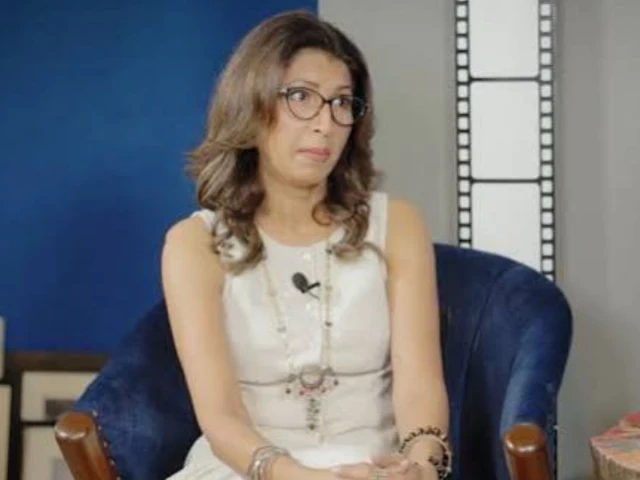
In a candid and revealing conversation that has sparked widespread discourse across South Asia, former Pakistani supermodel, actor, and cultural figure Vaneeza Ahmed has issued a powerful warning to women regarding the Islamic marriage contract, or Nikahnama. Speaking openly on Vasay Chaudhry’s popular talk show, Ahmed reflected on her own personal history, admitting that despite her education and societal standing, she never thoroughly read her own marriage papers until she was undergoing a divorce.
This oversight, she cautions, is dangerously common. Millions of brides enter into lifelong unions treating the Nikahnama as a mere administrative formality or a cultural ritual, entirely blind to the legal protections, rights, and provisions embedded within its clauses. Ahmed’s public testimony highlights a systemic vulnerability: women across conservative and patriarchal households are culturally discouraged from negotiating, questioning, or even reading the very document that dictates their legal status, financial autonomy, and marital rights.
Furthermore, Ahmed exposed an alarming malpractice during the marriage signing process—the deliberate deletion, alteration, or crossing out of protective clauses by grooms or their families. By shedding light on overlooked entitlements, such as legal financial allowances (often referred to as pocket money or nafaqa), Ahmed has reignited a critical regional debate on marital rights, legal literacy, and the urgent need for structural reform in how families approach matrimony. This report delves into Ahmed’s revelations, contextualizes the legal reality of the Nikahnama, explores broader socio-cultural implications within Pakistan and the wider diaspora, and examines the long-term outlook for women’s rights advocacy in the region.
Read Also
Detailed Chronology: From Personal Oversight to Public Advocacy
To understand the weight of Vaneeza Ahmed’s recent statements, it is essential to trace her trajectory from a celebrated fashion icon to an outspoken advocate for women’s legal literacy in Pakistan.
The Awakening: A Late Realization
During her appearance on Vasay Chaudhry’s late-night television format, Ahmed recounted the painful personal realization that prompted her activism. Despite considering herself an educated, empowered, and aware woman, she confessed that she had completely overlooked the contents of her own Nikahnama on her wedding day. It was only years later, during the harrowing process of her divorce, that she actually sat down to read the legally binding document that had governed her marital life.
"We don’t read our marriage papers, even including myself, who I consider very educated. Even I did not read them until it was time for my divorce," Ahmed stated, capturing a sentiment shared by countless women who sign away their rights in a haze of wedding celebrations and familial pressure.
Challenging Cultural Taboos
Ahmed’s narrative directly challenges the deeply ingrained South Asian cultural taboo that discourages brides from reading or questioning their marriage contracts. In many traditional households, showing an active interest in the legal clauses of a Nikahnama—such as the delegation of the right of divorce (Talaq-e-Tafweez), financial maintenance, or restrictions on polygamy—is viewed as unromantic, cynical, or disrespectful to the groom’s family.
Ahmed firmly rejected this notion, addressing parents directly. She urged mothers and fathers to cast aside their embarrassment and proactively encourage their daughters to study every line of the contract. According to Ahmed, these clauses are designed precisely to protect women when unforeseen marital breakdowns occur.
A History of Media Advocacy
Ahmed’s recent comments are part of a sustained, multi-year effort to use her platform to advocate for gender justice and legal awareness. In 2023, her voice amplified a cultural shift sparked by the critically acclaimed television drama Kuch Ankahi. The serial won hearts and minds across Pakistan for deliberately incorporating storylines centered around the Nikahnama, specifically focusing on divorce and custody clauses.
In Kuch Ankahi, Ahmed portrayed Sofia Agha, a character whose narrative arc touched upon social expectations, the suppression of women’s voices, and the psychological barriers that prevent women from demanding their rightful haq mehr (dower). By drawing parallels between her television roles and real-life systemic issues, Ahmed has consistently bridged the gap between entertainment media and social reform. Her ongoing presence in prominent media projects—including her 2026 work in the drama Tum Larkay Bhi Na—has ensured that these conversations remain front and center in mainstream cultural discourse.
Supporting Context & Metrics: The Anatomy of the Nikahnama
To fully appreciate the gravity of Vaneeza Ahmed’s warnings, one must examine the legal framework of the Nikahnama under Pakistani family law, specifically the Muslim Family Laws Ordinance of 1961.
What is the Nikahnama?
The Nikahnama is a government-issued, legally binding marriage contract in Islamic jurisprudence and Pakistani civil law. It outlines the rights, obligations, and financial commitments of both parties entering into matrimony. While religious ceremonies validate the marriage spiritually, the Nikahnama provides the civil and legal protections necessary in the event of disputes, inheritance claims, separation, or divorce.
Key Clauses Frequently Overlooked
Standard Pakistani Nikahnamas contain several clauses that are routinely ignored, filled out hastily, or deliberately left blank. Among the most critical are:
- Clause 13 (Delegation of Divorce – Talaq-e-Tafweez): This clause allows the bride to secure the right to divorce her husband under specific conditions. In many conservative households, this box is left unchecked or is intentionally crossed out by the groom’s family to maintain patriarchal control.
- Clause 17 (Special Conditions): This section permits the inclusion of bespoke clauses tailored to protect the bride’s interests. These can range from stipulations regarding employment and education to post-divorce financial security and residence rights.
- Financial Provisions and Haq Mehr: The mehr (dower) is a mandatory financial gift from the groom to the bride. However, it is frequently treated as a symbolic gesture rather than a substantive financial security net. Furthermore, as Ahmed pointed out, many contracts include provisions regarding regular financial stipends (pocket money or independent maintenance allowances) that are rarely understood or enforced by the brides.
The Problem of Alteration and Erasure
One of Ahmed’s most chilling revelations was her confirmation of a widespread illicit practice: the physical alteration of marriage papers. "There are many instances where men cut things out of the marriage papers," she warned.
In many traditional settings, the groom’s family or intermediaries handle the paperwork prior to the ceremony, presenting the document to the bride for a signature at the last minute. Unscrupulous parties often strike out protective clauses—such as the right to seek employment, stipulations against a second marriage without consent, or specific financial assurances—banking on the bride’s hesitation to cause a scene on her wedding day.
Destiny vs. Due Diligence
South Asian societies place an overwhelming emphasis on destiny (kismat) and familial alignment when arranging marriages. Ahmed acknowledged this cultural reality, noting that mothers are entirely correct in believing that a person’s life path is written in the stars. However, she drew a sharp, pragmatic distinction between spiritual faith and practical preparation.
"Yes, moms are right that where you will get married is written in your destiny, but we can also prepare for one’s benefit," she explained. By blending cultural realism with legal pragmatism, Ahmed advocates for a balanced approach: trusting in fate while keeping one’s legal armor intact.
Official Statements and Expert Analysis
Legal experts, human rights activists, and sociologists have long echoed the concerns raised by Vaneeza Ahmed, pointing out that legal illiteracy among women remains one of the primary drivers of post-divorce destitution in South Asia.
Legal Perspectives on Contractual Manipulation
Family law practitioners note that courts in Pakistan frequently encounter cases where women attempt to claim rights that were covertly stripped from their Nikahnamas prior to signing. Because the document bears the bride’s signature, legal recourse becomes exponentially more difficult once the marriage dissolves.
Advocates for women’s rights argue that Nikah Registrars (Nikah Khawans) bear a professional and ethical responsibility to read aloud and explain every single clause of the contract to both the bride and the groom before obtaining signatures. Too often, however, registrars collude with dominant patriarchal figures in the family, rushing the signing process to avoid uncomfortable negotiations.
The Role of Public Figures in Social Awakening
Sociologists have praised high-profile figures like Vaneeza Ahmed for using their celebrity capital to bring taboo legal conversations into mainstream living rooms. When a prominent cultural icon—associated with high fashion, glamour, and mainstream television—admits to making the exact same mistake as everyday women, it de-stigmatizes ignorance and removes the shame associated with asking tough legal questions.
By framing legal literacy not as a sign of distrust toward a future husband, but as an act of self-respect and practical wisdom, voices like Ahmed’s are helping to reshape modern Pakistani womanhood. The narrative is shifting from passive acceptance of marital destiny to active, informed participation in one’s own legal destiny.
Future Outlook: Reforming Marriage Customs in South Asia
As public awareness grows, fueled by social media discourse, television dramas, and outspoken celebrities, the landscape of marriage preparation in Pakistan is undergoing a slow but vital evolution.
The Push for Mandatory Legal Literacy Campaigns
Civil society organizations and women’s rights NGOs are increasingly calling for institutional reforms. Recommendations include:
- Educational Workshops: Integrating family law basics into higher education curricula for young women and men.
- Digital Transparency: Creating digital platforms where brides can access, download, and review standard Nikahnama templates well in advance of their wedding ceremonies, free from familial pressure.
- Stricter Regulation of Registrars: Enforcing strict penalties for Nikah Khawans who fail to read and explain all clauses of the contract to both parties in private or neutral settings.
Empowering the Next Generation
The ultimate takeaway from Vaneeza Ahmed’s cautionary tale is the absolute necessity of open communication within families. Fathers, brothers, and mothers must no longer view legal preparedness as an insult to the groom’s honor, but as a fundamental duty to safeguard their daughters’ futures.
As younger generations of South Asian women enter marriage with higher educational attainment and greater financial independence, the days of signing away rights blindly are slowly drawing to a close. Through continued advocacy, media representation, and unflinching honesty from public figures like Vaneeza Ahmed, the Nikahnama is reclaiming its original purpose: a balanced, protective covenant between two consenting and fully informed partners.





Comments
Facebook App ID not configured. Please add it in the Customizer.